
Who Walks the Bride to the Aisle? Understanding Wedding Traditions and Roles
When planning your wedding ceremony, one key moment stands out: who walks you down the aisle. Traditionally, the bride’s father escorts her, symbolizing a transfer of responsibility and love. This moment marks a significant part of wedding traditions that many couples choose to honor.
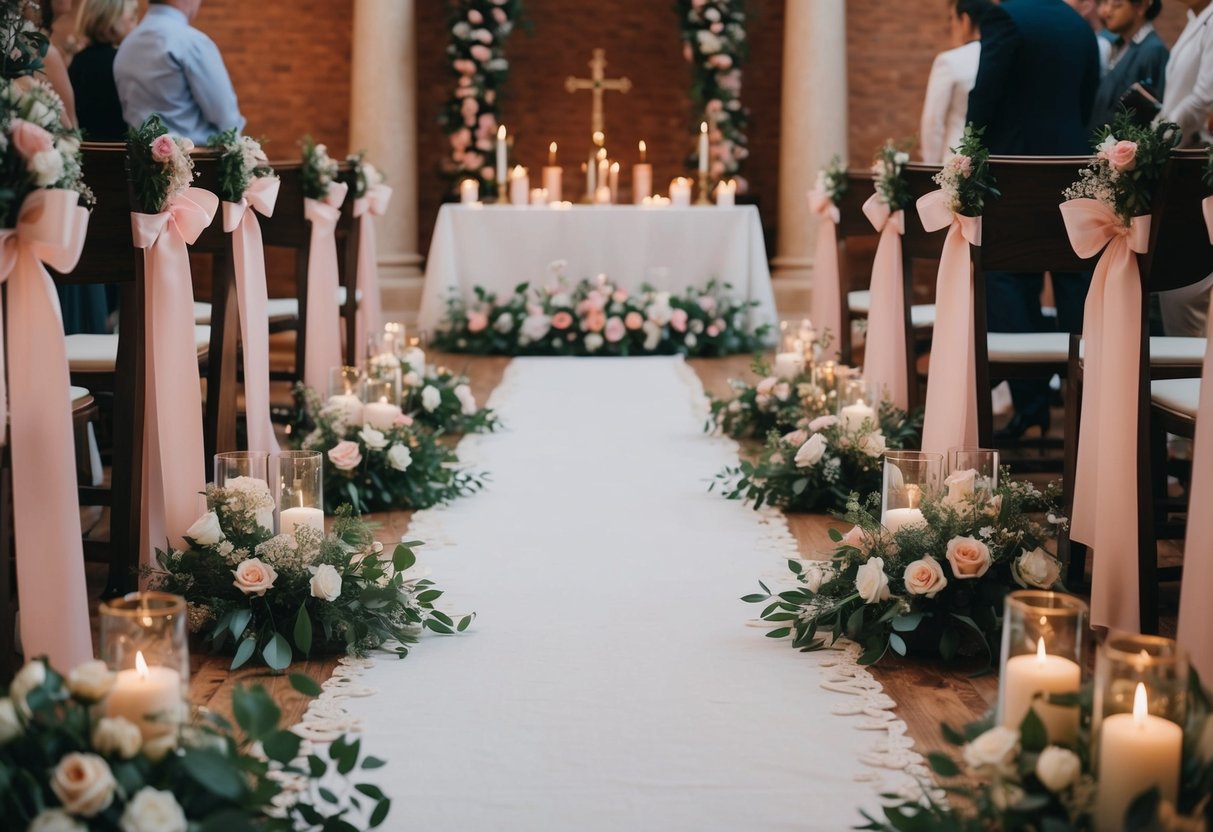
However, you might consider other alternatives that reflect your personal style and family dynamics. You could ask a step-parent, a sibling, or a close friend to take on this meaningful role. Each option adds a unique touch to your wedding planning, allowing you to create a day that feels just right for you.
As you think about who will accompany you on this special journey, remember that it’s ultimately about what feels best for you. The choice should reflect your relationships and values while making your wedding ceremony memorable for everyone involved.
The Role of Family in the Processional
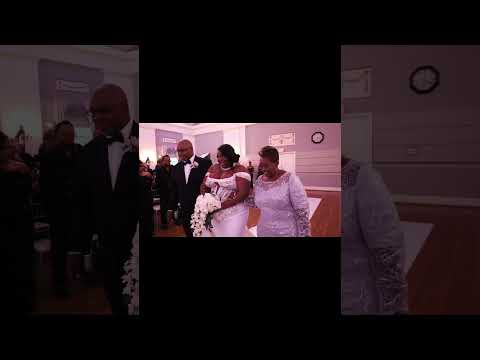
Family plays a significant part in the wedding processional. Their involvement can enhance the ceremony and symbolize the joining of two families. Understanding how each family member contributes helps create a meaningful experience.
Honoring Parents
In many traditions, the parents of the bride and groom play key roles in the processional. Typically, the mother of the bride may walk down the aisle by herself or be escorted by a family member. This moment highlights her support for the bride.
The groom’s parents often walk down together, symbolizing their unity and support for their child. They usually take their place on the right side of the venue.
Parents sit in front rows, enjoying a close view of the ceremony. This act not only honors them but also emphasizes their role in raising the couple. It is a touching moment that acknowledges their love and support.
Grandparents’ Contribution
Grandparents hold a special place during the processional. They often walk down the aisle before anyone else, representing the family’s legacy. Grandparents can even receive a special acknowledgment from the officiant, which adds sentimental value to the ceremony.
Their presence reminds everyone of the family roots and history. This moment highlights the importance of family support and values. Including them in the processional can bring warmth and love to the atmosphere.
It is common for grandparents to take their seats after being escorted down the aisle. This act allows them to witness the joining of families, making it a cherished memory for all involved.
Centuries-Old Traditions of the Wedding Processional

The wedding processional is steeped in history and significance. Various traditions around the world shape how the bride, groom, and wedding party make their entrance. Understanding these customs can enrich your own ceremony.
Christian Ceremony Customs
In Christian ceremonies, the processional is highly structured. Typically, the ceremony begins with guests seated, followed by the wedding party’s entrance. The groom stands at the altar, while bridesmaids enter in pairs. Traditionally, the bride walks down the aisle last, often escorted by her father, symbolizing the giving away of the bride.
In a Catholic wedding processional, you might also see a flower girl scattering petals. Each role, from the ring bearer to the bridesmaids, carries meaning and purpose, marking the progression towards the sacred vows.
Jewish Wedding Processional Order
Jewish weddings have their own unique processional order. Here, the groom is often escorted by his parents first, highlighting the importance of family. The bride usually follows, escorted by her parents or family members.
One defining moment is the “Badeken,” where the groom places the veil over the bride’s face, symbolizing his commitment. This processional is intimate, filled with joy, and rooted in rich traditions that celebrate community and faith.
Variations in Other Religions
Different religions have variations in their wedding processional traditions. For example, in Hindu ceremonies, the groom typically arrives on a horse or in a decorated car, accompanied by family members singing and dancing. This joyful entrance emphasizes celebration and cultural heritage.
In nondenominational ceremonies, the processional can be more flexible, allowing couples to choose who walks with them. You might choose to include close friends, family, or children in your procession, making it personal and reflective of your values. The key is to create a ceremony that speaks to you.
Planning the Perfect Wedding Processional
Creating a memorable wedding processional involves careful thought about the order of participants and the music that will accompany the moment. This is your chance to set the tone for the ceremony and to highlight important people in your life.
Selecting the Order
The selection of the processional order is crucial. Traditionally, the wedding officiant walks down first, followed by important family members such as grandparents. The parents of the bride usually follow next.
Next comes the bridal party, consisting of bridesmaids and groomsmen. The best man stands by the groom at the front. The younger members, like the ring bearer and flower girl, can follow this group, bringing a touch of innocence and joy.
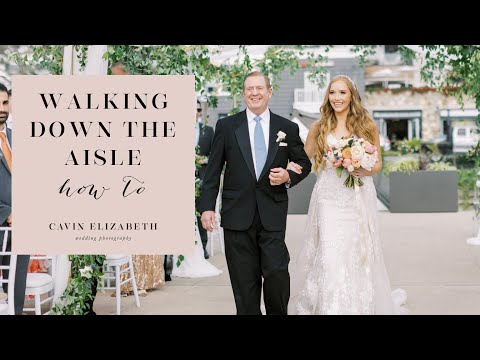
Finally, the moment everyone waits for arrives—the bride walks down the aisle. You can choose to have her escorted by her father, a sibling, or another loved one of her choice. Each participant adds to the emotional atmosphere of this important moment.
Choosing Meaningful Music
Music sets the mood and creates lasting memories. Choose a song that is special to you. Traditional options include the “Bridal Chorus” by Wagner or “Canon in D” by Pachelbel.
If you prefer something modern, consider personal favorites that resonate with your love story. The choice of music can define the ambiance of your wedding.
Make sure the songs you select fit the pace of the processional, as most take about 3-5 minutes. Planning this element well will enrich the experience for you and your guests. A great song can make the moment even more unforgettable.
The Bride’s Grand Entrance

The bride’s grand entrance marks a magical moment in any wedding ceremony. It’s a time filled with emotion and anticipation. This section covers the important aspects of how the bride walks down the aisle and the memorable moments that often unfold during this time.
Walking Down the Aisle
As you begin your walk down the aisle, you’ll want to take in the scene around you. Depending on the tradition, this could be with your father, a close family member, or a significant person in your life.
In a traditional ceremony, the father of the bride is often the one who walks you down the aisle. This act symbolizes giving you away. It’s a pivotal moment in the processional.
If you’re planning a Jewish wedding, the tradition may include the baraat, where the groom arrives in celebration. You might also have unique elements like a mandap where the ceremony unfolds. This reflects your culture and personal touch.
Memorable Moments
The grand entrance is filled with special memories. As you make your way toward the altar, consider the moment when guests rise in admiration. This often evokes tears and joy from family and friends.
Many brides choose to incorporate a prelude, setting an emotional tone. The music, whether classical or modern, plays a big part in this moment.
Don’t forget the wedding rings! They symbolize your love and commitment. They should be front and center during this time.
Lastly, keep in mind that each wedding is unique. Whether you’re enjoying a catholic wedding processional or a specific cultural event, making the moment personal will create unforgettable memories. The recessional, which follows, is just as special as you leave as a couple.