
Who Walks the Bride’s Parents Down the Aisle? Understanding Traditional Wedding Roles
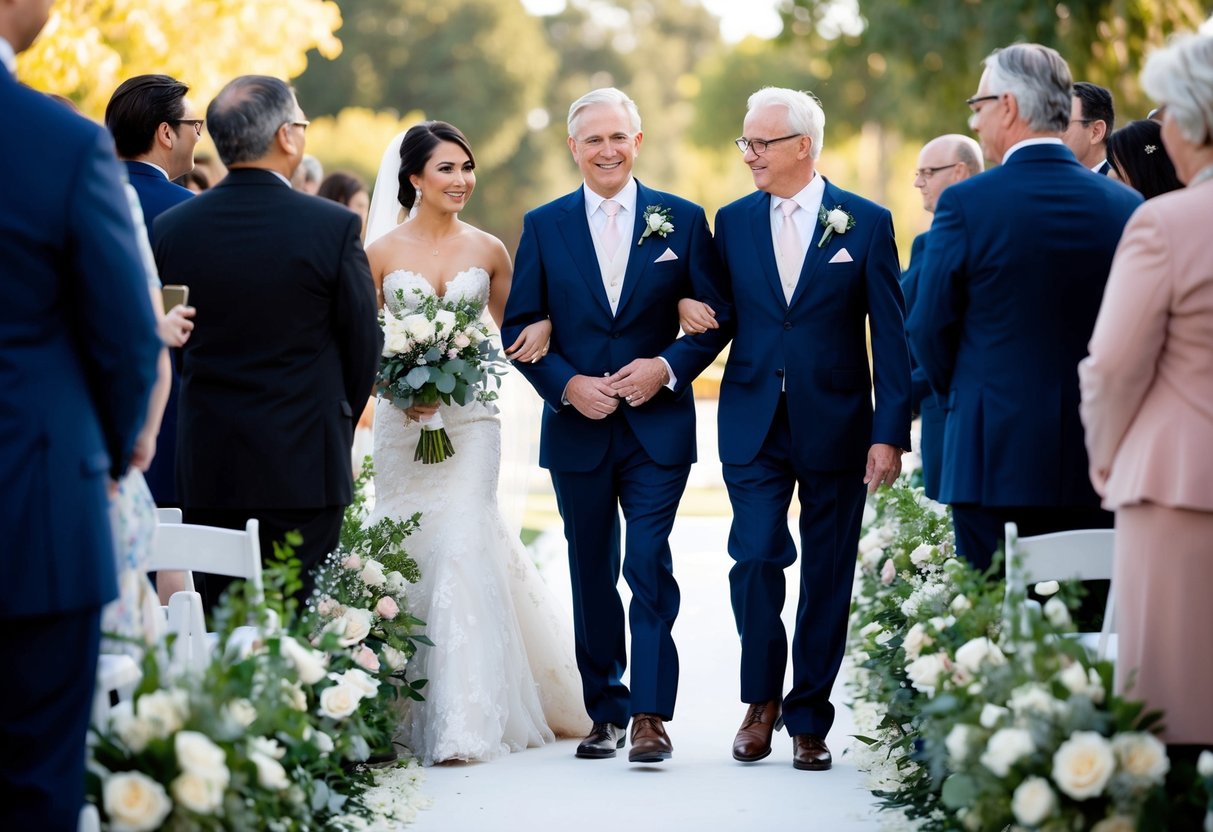
As you plan your wedding ceremony, you might wonder about the role of your parents in the processional. Traditionally, both of the bride’s parents walk her down the aisle, symbolizing their support and love. This gesture can create a beautiful moment that sets the tone for the rest of the ceremony.
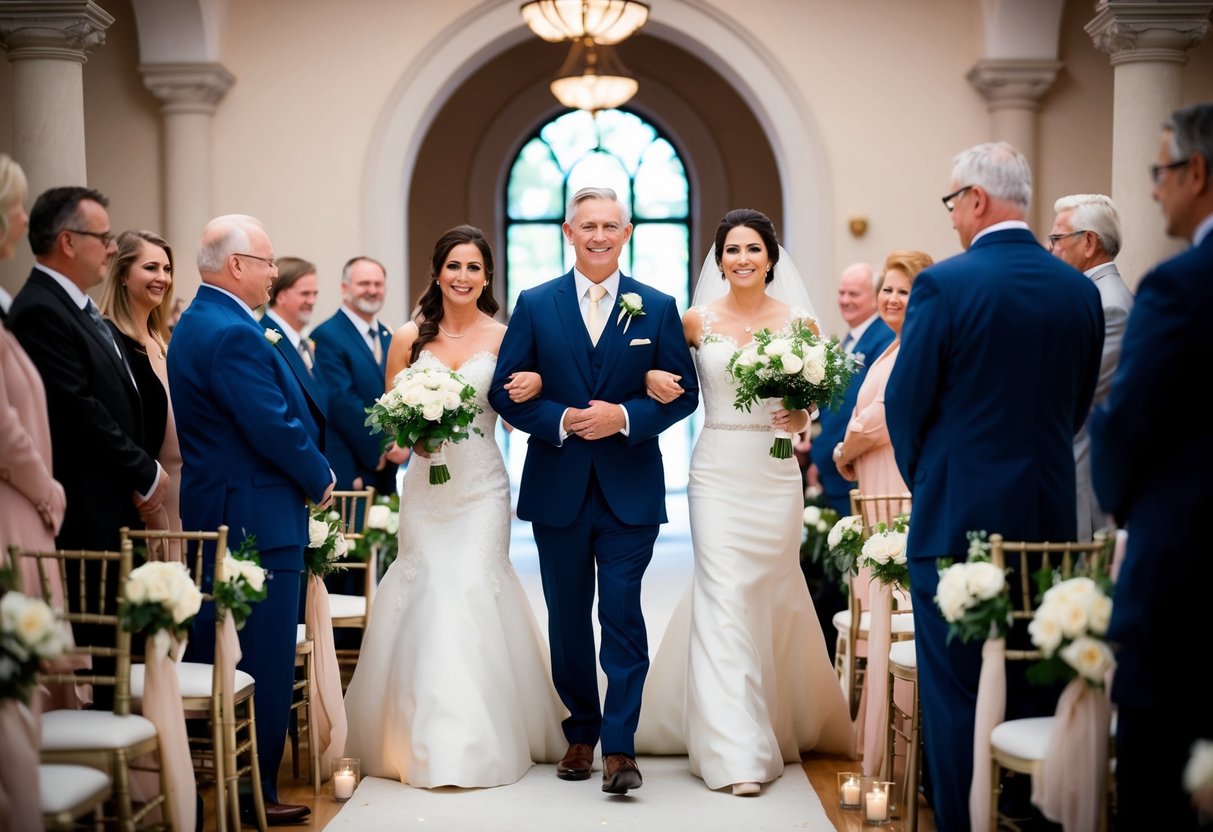
In modern wedding planning, couples often adapt this tradition to fit their unique families and situations. You might choose to have just one parent walk you down the aisle, or perhaps both parents will join you. Understanding these options can help make your ceremony feel more personal.
Exploring the traditional and modern wedding processional orders can also provide clarity as you finalize your plans. Whether you stick to tradition or create your own path, knowing who walks with you can enhance the meaning of your special day.
The Role of the Bride’s Parents
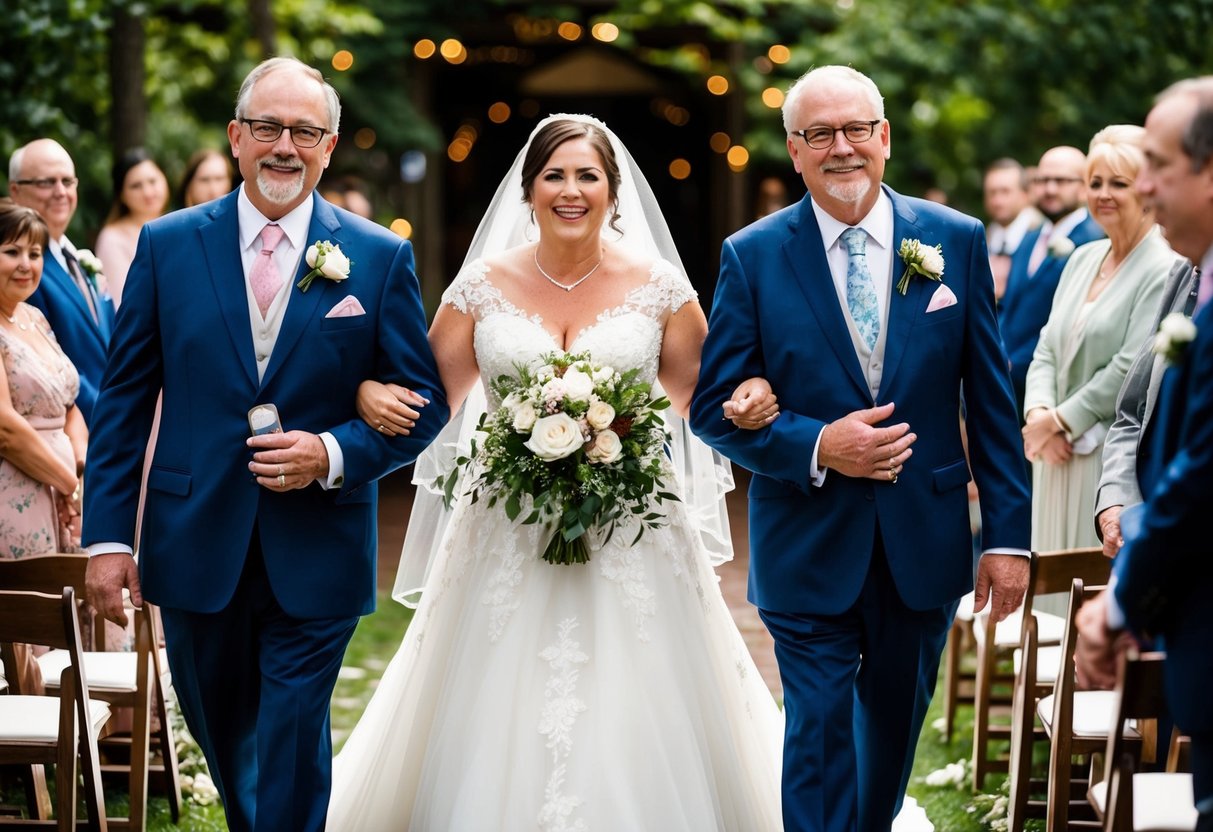
The bride’s parents play a crucial role in the wedding ceremony, providing support and guidance. Their involvement can create memorable moments that honor both family traditions and the bonds shared with their daughter.
Mother of the Bride
The mother of the bride often holds a special place in the wedding. She typically helps with planning, offering emotional support and advice. From choosing the wedding dress to managing details, her involvement is significant.
During the ceremony, she may walk the bride down the aisle or join her in a touching moment before the vows. This can symbolize their close relationship and the guidance she has provided throughout the bride’s life.
Emotional moments are common, as she reflects on her daughter’s journey. Celebrating this bond helps strengthen family ties and create lasting memories. The mother’s presence is essential in making the day feel complete.
Father of the Bride
The father of the bride also has a vital role in the ceremony. Traditionally, he may walk his daughter down the aisle, representing support and protection. This moment can be deeply emotional for both the bride and her father.
As they walk together, it’s often a time for shared reflections. Many fathers may recall special memories, reinforcing their bond. This act symbolizes his blessing and acceptance of the bride’s marriage.
Throughout the wedding day, the father can also help coordinate other aspects, ensuring everything runs smoothly. His presence is a source of comfort, helping pave the way for his daughter’s new life.
Order of the Wedding Processional
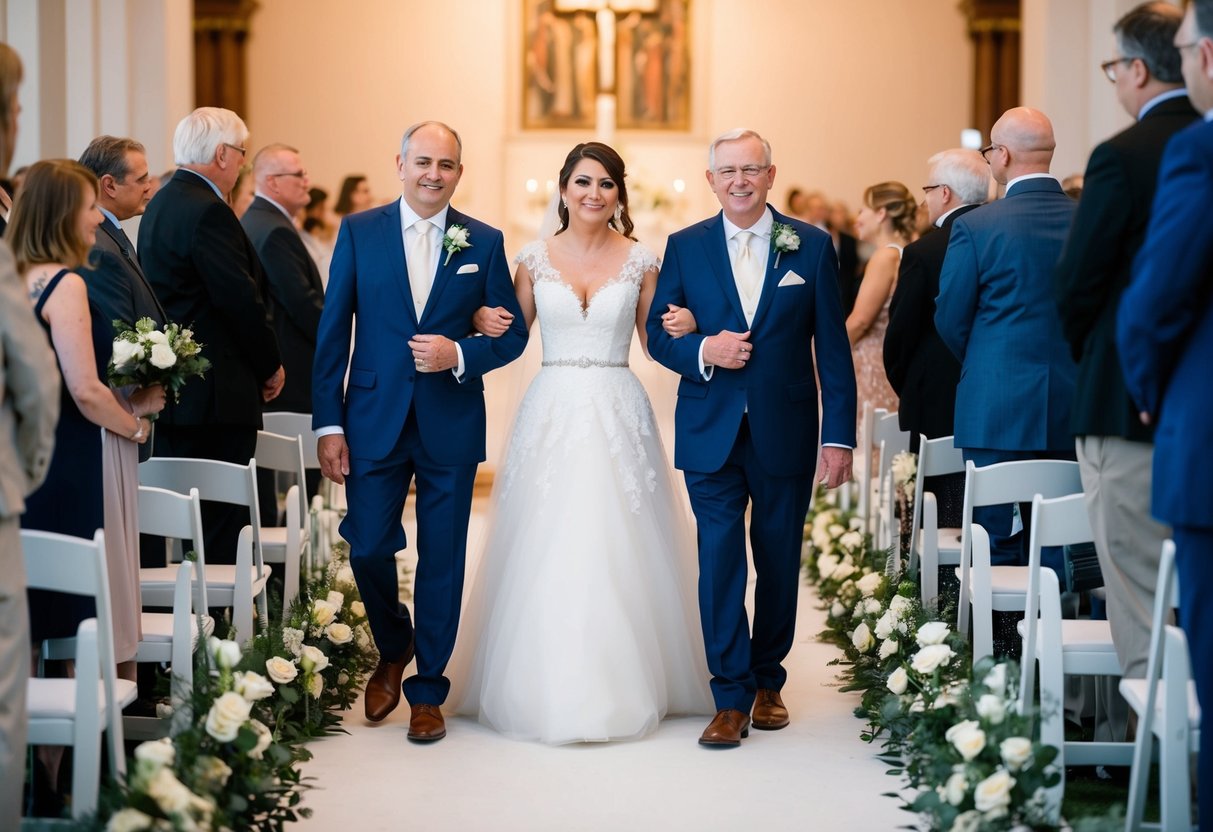
The wedding processional is a key part of the ceremony where family and wedding party members walk down the aisle. Understanding the order can help create a memorable and organized experience for everyone involved.
Processional Basics
Typically, the processional starts with the seating of guests by ushers. Following the guests, the grandparents often lead the way, taking their seats before anyone else. After that, the groom’s parents walk down the aisle together and sit on the right side of the venue, followed by the bride’s mother. She usually walks alone and takes her seat in the front row on the left. This order sets the stage for the bridal party’s entrance.
Positioning the Wedding Party
After family members are seated, the wedding party enters. Usually, this begins with the groomsmen, who walk in pairs or separately, and take their places at the front. Next, the bridesmaids follow the groomsmen, entering in an alternating fashion. The maid of honor walks down last among the bridesmaids, marking the transition to the bride’s entrance. Each person has their designated spot, which keeps things organized and flowing smoothly.
Special Roles in the Processional
Special roles, such as the ring bearer and flower girl, typically come after the bridesmaids. The flower girl walks ahead of the bride, scattering petals along the aisle. The ring bearer follows, often carrying a small pillow with the rings. Finally, the bride makes her grand entrance. She is usually accompanied by her father, who gives her away, or may choose to walk alone. This moment is a key highlight in the ceremony and sets a heartfelt tone as the couple prepares to exchange vows.
Cultural Traditions in Wedding Ceremonies
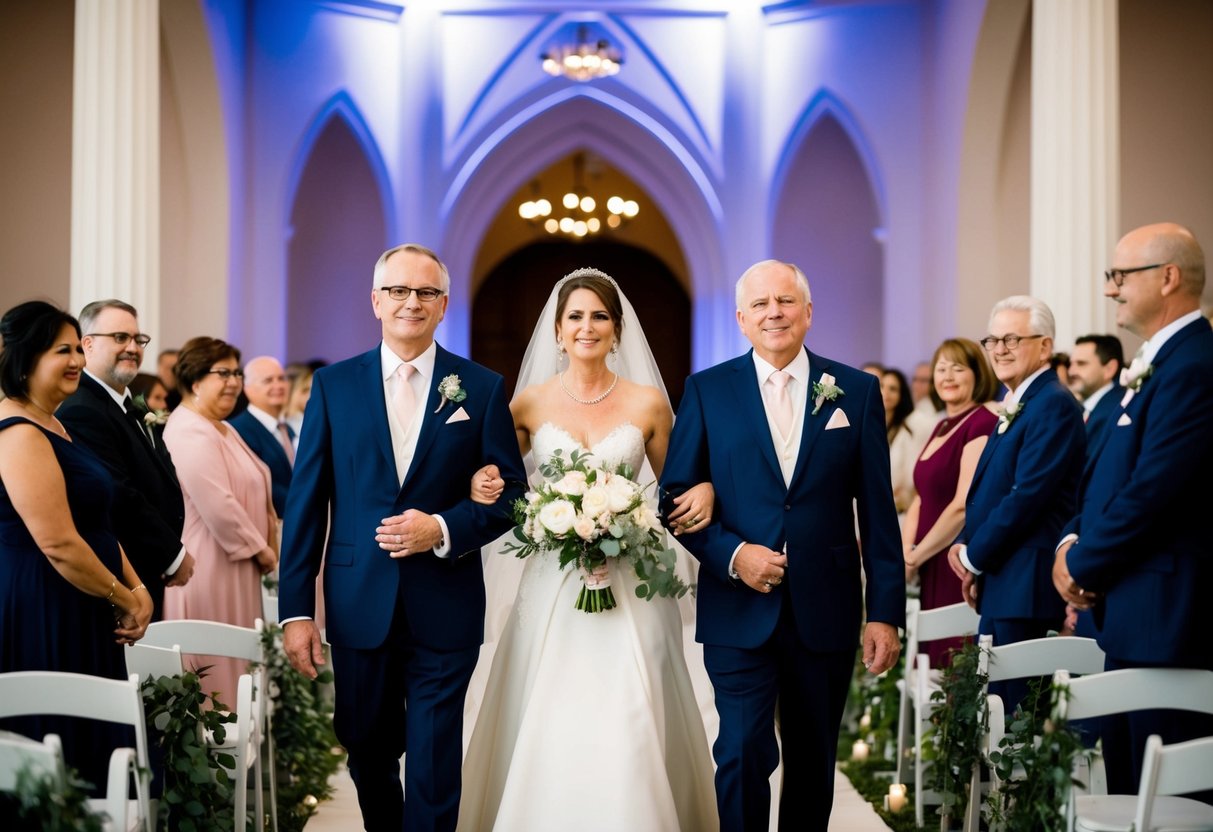
Cultural traditions play a significant role in determining who walks the bride’s parents down the aisle. Each culture has its unique customs that reflect their values and beliefs.
Christian Wedding Processionals
In a traditional Christian ceremony, both parents may escort the bride down the aisle. This moment emphasizes family support. Typically, the groom’s parents also participate by walking down before the bride.
In some nondenominational ceremonies, variations can occur. The bride might choose to walk alone or be escorted by one parent, often with the other seated in the front row. The order is flexible, allowing couples to personalize their ceremonies to reflect their family dynamics and preferences.
Jewish Wedding Processionals
In Jewish ceremonies, the processional often involves both parents of the bride walking her down the aisle. The father stands on the left while the mother is on the right.
The Jewish wedding processional order includes traditional elements, such as the Chuppah and Kiddushin. Family members play a big role, symbolizing love and unity. After the bride, the groom’s parents usually follow, taking their seats on the right side of the venue.
Hindu Wedding Processionals
Hindu traditions are vibrant and full of rituals, beginning with the Baraat, where the groom’s family travels to the wedding venue with music and celebration.
During the Hindu wedding processional, family is central. The bride typically walks to the Mandap with her parents, symbolizing their support. This ceremony includes various customs, such as the bride’s parents placing her hand in the groom’s. The focus on family helps highlight the importance of their blessings in the couple’s journey ahead.
Final Considerations for a Smooth Ceremony
Planning your wedding ceremony involves several details that can help create a memorable experience. Taking time to consider music choices, personal preferences, and proper etiquette makes the day flow better for everyone involved.
Selecting the Processional Music
Choosing the right processional music sets the tone for your ceremony. Consider songs that resonate with you or have significance in your relationship. This can be a popular love song or a classical piece.
Think about whether you want live musicians or recorded music. Live music can add a personal touch, while recorded options might be easier to manage. Share your music selections with your wedding officiant and ushers to ensure smooth transitions during the processional.
Navigating Personal Preferences
Each couple has their own vision for their ceremony. It’s important to discuss personal preferences with your partner and family. Do the groom’s parents have specific wishes? Would you like to include family traditions?
Communicate openly with the wedding party and any involved parties. This encourages collaboration and ensures that everyone feels included. If your parents want to walk you down the aisle together, that’s completely acceptable. Customizing these choices makes the day truly yours.
Recessional Etiquette
The recessional is often a joyful moment after you say “I do.” It is essential to decide how the wedding party walks out. Typically, the couple walks out first, followed by the wedding party, and then the parents.
Make sure ushers or family members know their roles during the recessional. This helps keep things organized. Music during the recessional should be upbeat to match the celebratory mood. Choose a track that makes everyone feel happy and excited to celebrate your new marriage.