
Who Walks the Groom Down? Exploring the Traditional Roles in Wedding Processions
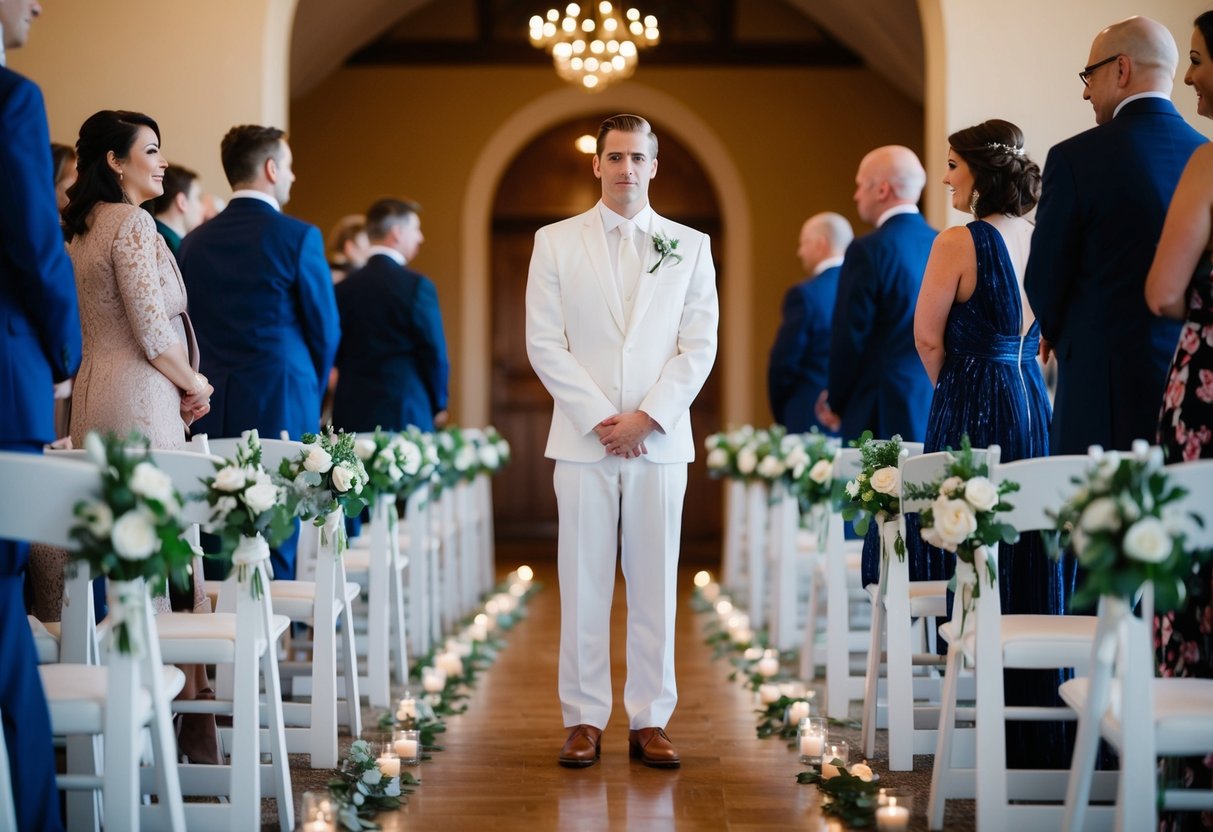
When planning a wedding ceremony, many people wonder about the processional order, especially regarding the groom’s entrance. Typically, the groom walks down the aisle alone. Sometimes, his parents walk to their seats before him. This choice can vary based on personal preferences and family traditions.
You might also consider who else could accompany the groom. Some grooms opt to walk with their parents, creating a special moment before they take their places at the altar. Understanding the different options helps you decide what feels best for you on your big day.
As you prepare for your ceremony, think about how these choices reflect your values and relationships. Each couple has a unique story, and these little decisions can enhance the personal touch of your wedding processional.
Understanding Wedding Processional Traditions
Wedding processional traditions vary widely, reflecting cultural practices and beliefs. These traditions play a significant role in shaping the ceremony and creating a memorable experience for everyone involved.
Traditional Christian Ceremony
In traditional Christian weddings, the processional often starts with the officiant walking down the aisle, followed by family members. Then, the groom typically enters next, often with his parents. After this, the wedding party walks down, with bridesmaids and groomsmen coming in pairs. Finally, the bride walks down, often accompanied by her father or another significant figure. This structure helps create a formal and emotional atmosphere, guiding guests through a significant moment.
Jewish Wedding Processional
In Jewish weddings, known for their rich traditions, the processional is unique. The groom usually enters first, often accompanied by both parents. Then, the bride follows, traditionally circling the groom seven times before standing at the chuppah, or wedding canopy. This act symbolizes the creation of a new home. Close family and friends often join the ceremony. Music is vital in setting the mood, often including traditional songs that add to the celebration.
Hindu Wedding Entrances
Hindu weddings are vibrant affairs, and the processional reflects this. Often, the groom arrives on horseback or in a decorated vehicle, called a baraat, amidst music and dancing, celebrating this significant life event. He is typically accompanied by family and friends in colorful attire. The bride’s entrance is equally festive and is marked by her approaching the mandap, or wedding altar, where she is greeted with blessings and rituals. The processional sets a joyful tone for the rest of the ceremony.
Cultural Variations and Secular Weddings
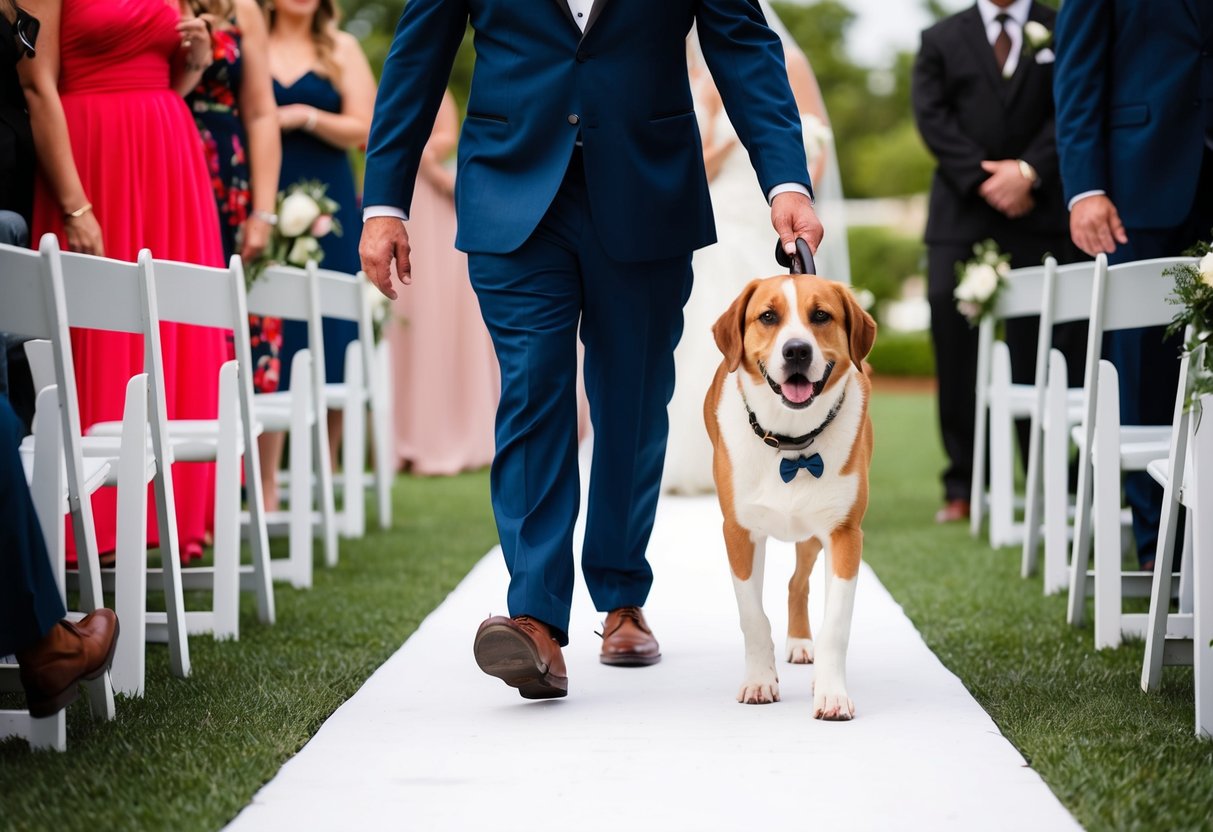
Cultural variations in weddings bring exciting elements to the processional. In many cultures, the order can mix familial roles and unique customs. For instance, in some secular weddings, couples may customize their processional however they like, reflecting their personalities and backgrounds. This could mean different family members walking them down the aisle or even including pets! The beauty of these celebrations lies in their flexibility, allowing couples to create a ceremony that feels personal and meaningful to them.
Roles and Responsibilities
When planning your wedding procession, understanding the roles of each participant is key. The groom’s parents, the officiant, and the wedding party each hold significant responsibilities that contribute to the ceremony’s flow. Each role adds a special touch to the moment, making it memorable for everyone involved.
Honoring the Groom’s Parents
The groom’s parents often play a vital role in the wedding ceremony. They may walk down the aisle together, symbolizing their support for their son. This moment acknowledges their contribution to his life and shows family unity.
Additionally, it is common for the groom’s mother to have a special seat at the front, often next to the bride’s parents. This can help to blend the two families together during the ceremony. Establishing this connection can enhance the warmth of the event and showcase the importance of family.
The Importance of the Officiant
The officiant holds one of the most crucial roles in the wedding ceremony. This person is responsible for leading the ceremony, ensuring everything runs smoothly. They guide everyone through the vows and any rituals, presenting a memorable experience.
Your officiant should be someone you feel comfortable with, as they will be the voice of the ceremony. They may also share personal stories or blessings that make the moment unique. Choosing an officiant who understands your values and wishes can set the tone for the entire event.
Bridesmaids and Groomsmen Participation
Bridesmaids and groomsmen add an essential dynamic to the wedding procession. They often join in pairs, walking down the aisle to support the bride and groom. This visual connection highlights the bond between the couple and their closest friends.
Each member of the wedding party has specific duties as well. The best man typically holds the rings and offers support to the groom, while the maid of honor helps the bride with her needs. Flower girls and ring bearers can add a cute touch, bringing joy to the ceremony. With everyone playing their part, the wedding becomes a collaborative celebration of love.
Order of Entrance and Ceremony Essentials

In a wedding ceremony, the order of entrance is key to creating a memorable experience. Understanding who walks where and when can help reduce stress and enhance the emotional impact of the day.
Constructing the Processional Order
The processional order sets the tone for your wedding. Traditionally, the groom walks down with a parent or both parents, symbolizing support as he prepares for the vows.
After the groom, the officiant follows, marking the start of the ceremony. Then comes the wedding party, starting with bridesmaids paired with groomsmen. The flower girl and ring bearer are often next, bringing innocence and charm to the moment.
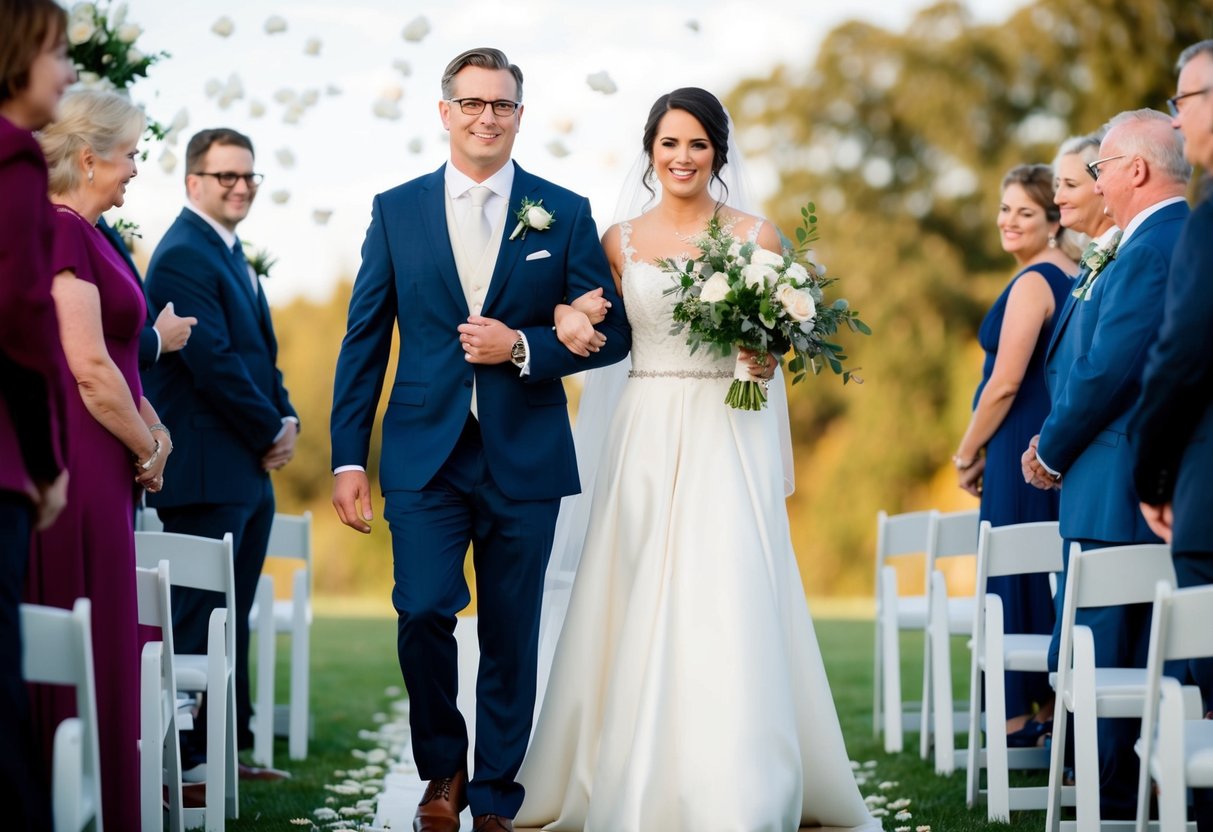
The bride typically enters last, often accompanied by her father, which is a touching scene. This moment builds anticipation, especially with a well-chosen wedding processional song.
Meaningful Ceremony Additions
You might want to personalize your ceremony with meaningful elements. Consider including grandparents as part of the procession. Their presence can honor family traditions and add warmth.
For outdoor weddings, think about scattering flower petals down the aisle. This not only adds beauty but enhances the visual experience.
If you’re incorporating cultural elements, a baraat or a mandap can bring special significance. For example, in some traditions, the groom dances his way to the ceremony, creating a lively and joyful atmosphere.
Navigating Emotional Moments
Emotional moments are natural in any wedding. As you walk down the aisle, you may feel joy and nervousness blend together. You may also find yourself overwhelmed by love as you see your partner waiting.
It’s helpful to plan for these moments. Communicate with your loved ones who will be walking with you. Having a support system can ease your nerves.
During the ceremony, take a breath before exchanging vows. This pause can ground you and help you soak in the significance of what you’re sharing. Remember, it’s okay to show emotions. Embrace the tears of joy, as they often highlight the love surrounding you.