
Who Walks the Groom’s Mother? Understanding This Special Role in Weddings
When it comes to the wedding ceremony, many people wonder about the role of the groom’s mother and who walks her down the aisle. In many cases, the groom’s mother may walk alone or be escorted by her son, which highlights their special bond and support for the couple. This moment can be meaningful and celebrates her important role in the wedding.
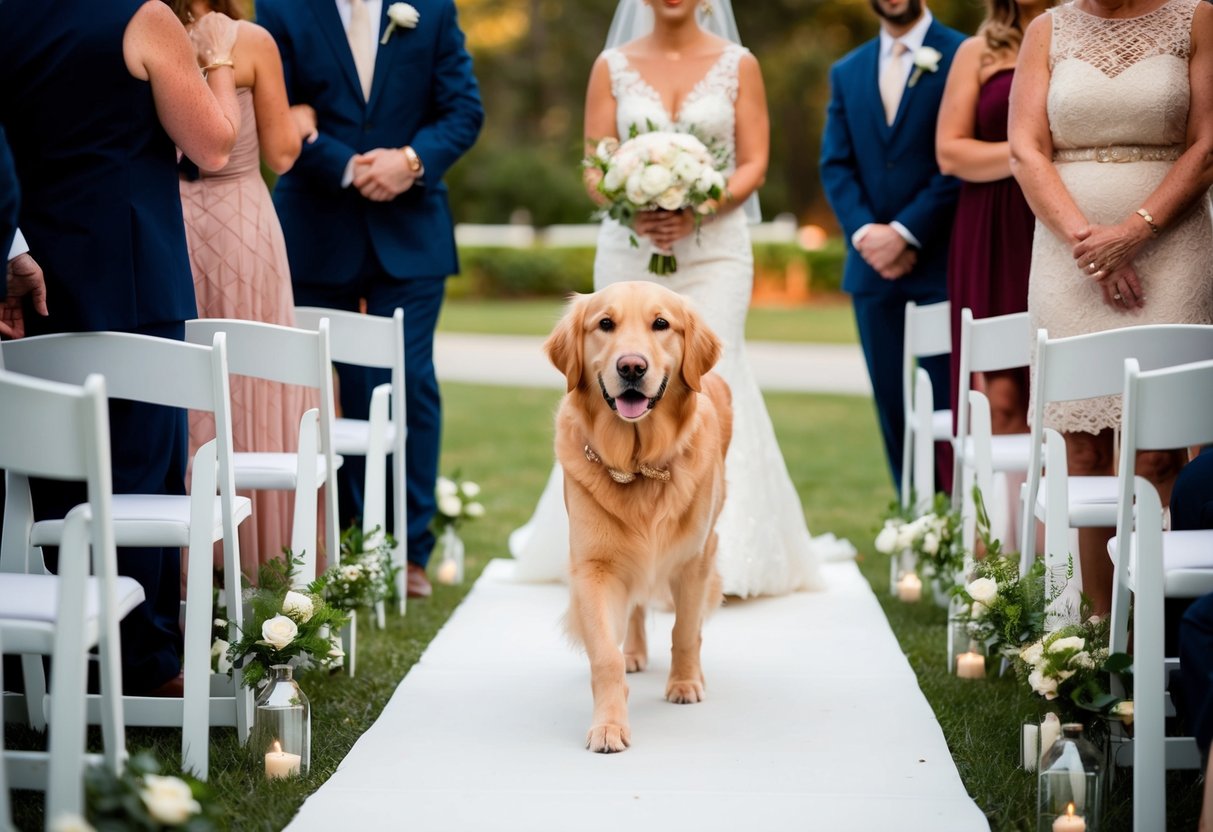
Understanding who walks the groom’s mother can vary based on cultural traditions and personal preferences. In some families, she may walk down the aisle solo, which allows for a moment of personal reflection. In other situations, a family member or close friend may escort her, adding to the shared experience of the day.
As you explore the details of wedding ceremonies, you’ll find that this choice can reflect cherished relationships and family connections. The act of walking the groom’s mother down the aisle is not just about tradition; it’s a poignant moment that underscores love and unity in your family’s journey.
Understanding Wedding Ceremonies
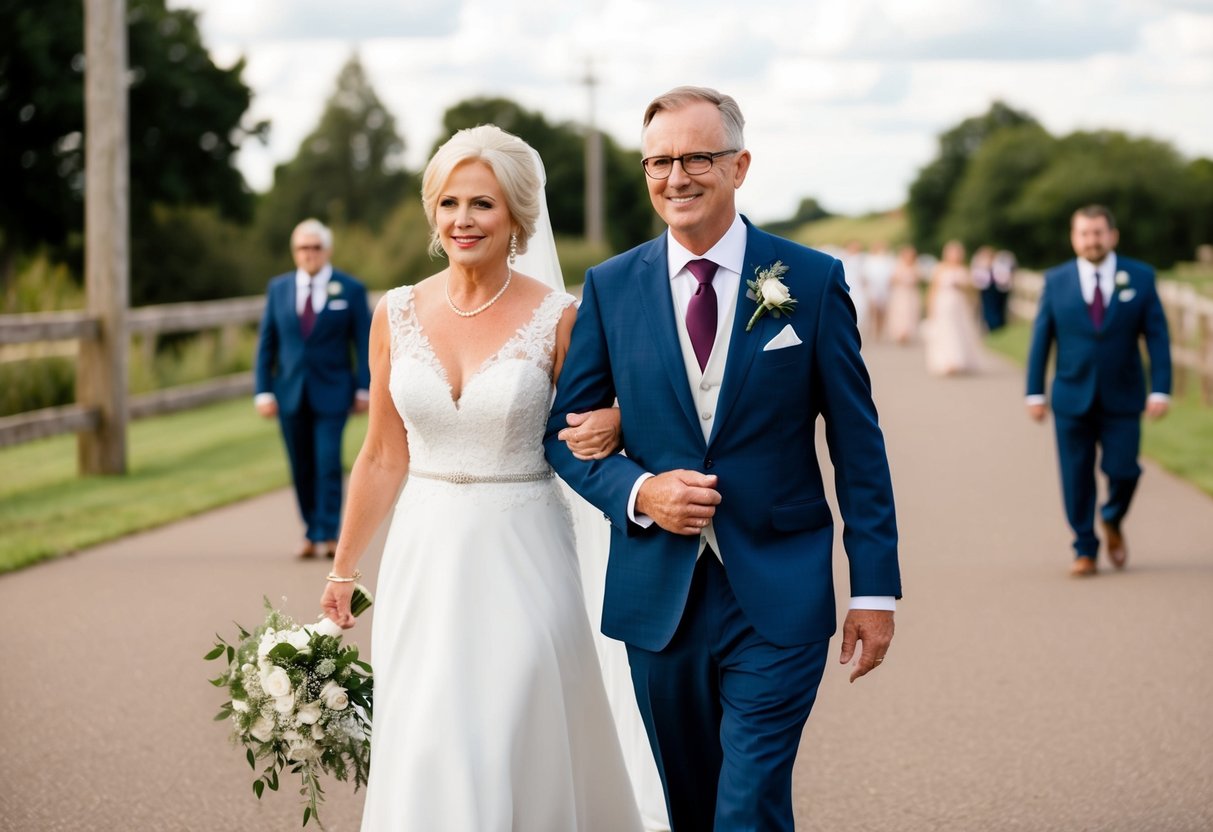
Wedding ceremonies celebrate love and commitment. They have specific traditions and roles for everyone involved, creating memorable moments.
During the processional, individuals walk down the aisle. This includes grandparents, parents, and the wedding party. Often, bridesmaids and the maid of honor follow the bride.
In Christian weddings, the procession might include a specific order, often starting with the ushers and then the bridesmaids. The groom may also walk down the aisle alone or with his mother, showcasing family unity.
For Jewish weddings, the couple often stands under a chuppah, symbolizing their new home together. The processional typically features the groom’s parents walking alongside him.
In a Hindu wedding, the groom makes a grand entrance through a baraat. This lively procession highlights his journey to marriage. His mother may not walk him down the aisle in this tradition.
Modern weddings can mix these practices, tailoring the ceremony to fit personal preferences and family dynamics. Couples often choose a nondenominational processional order that reflects their unique story.
A printable wedding processional order template can help you plan your ceremony. This makes it easier to coordinate where everyone goes, ensuring a smooth and joyful event.
Roles and Responsibilities
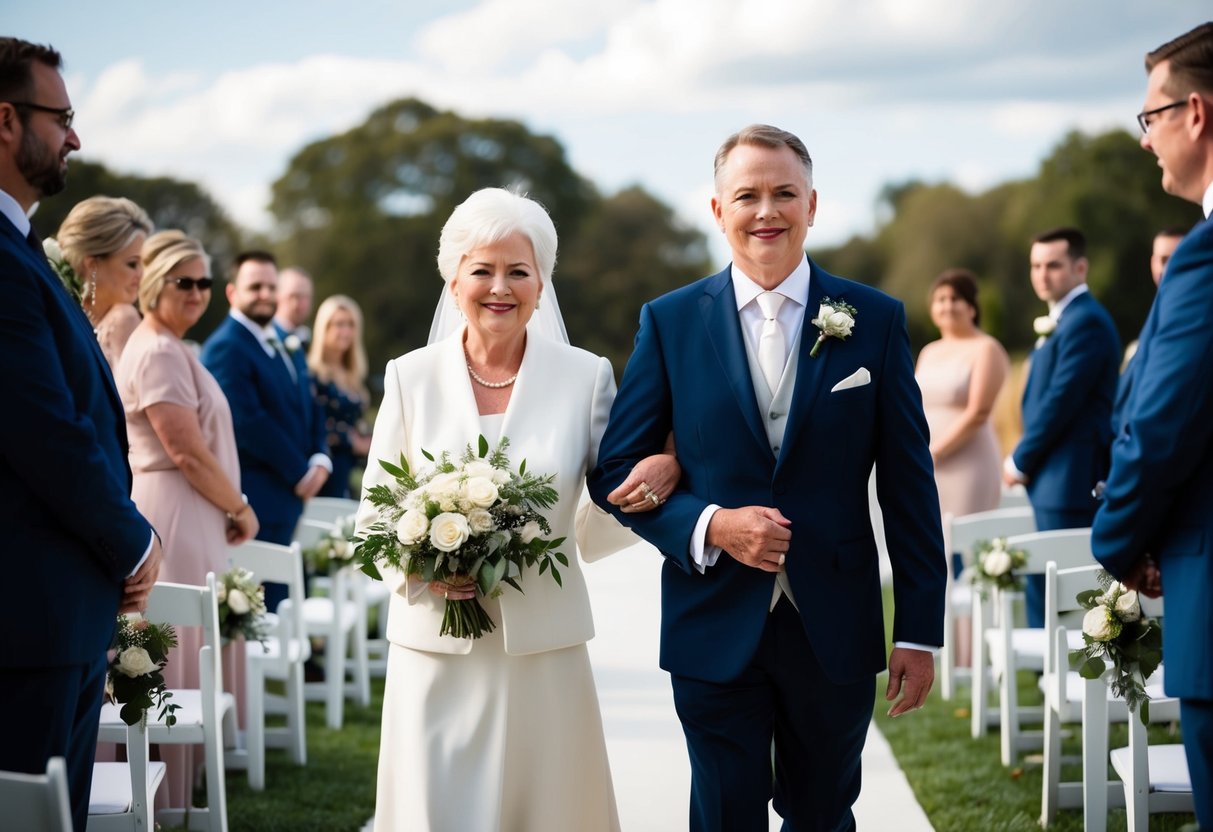
In a wedding, the roles of family members, especially the groom’s mother, are essential for a smooth ceremony. Knowing who participates and how they help can make the day more memorable for everyone involved.
Groomsmen and Best Man
The groomsmen and best man hold important roles during the wedding. Their main duty is to support the groom, both leading up to the wedding and on the big day.
Typically, the best man may escort the mother of the groom down the aisle, an emotional moment that symbolizes family bonds. Groomsmen help arrange the processional and ensure everything runs smoothly.
They also participate in events before the wedding, like the rehearsal dinner. Here, they can bond and build teamwork for the wedding day. Their flexibility in handling unexpected situations is also crucial, so the groom can focus on the ceremony.
Family Members’ Participation
Family members play a vital role in weddings, and their involvement varies. The groom’s mother often walks down the aisle with a family member, like the best man or another loved one. This act signifies her support and unity with her son.
The parents of the groom and bride typically help coordinate guests and greet them upon arrival. The bride’s mother may have her own responsibilities as well, which can include leading guests to their seats.
In some cases, children in the wedding party, like the ring bearer or flower girl, may also be involved in escorting family members. Each participation adds to the emotional moment and sense of appreciation felt throughout the ceremony, strengthening family bonds during this special occasion.
Guiding the Groom’s Mother
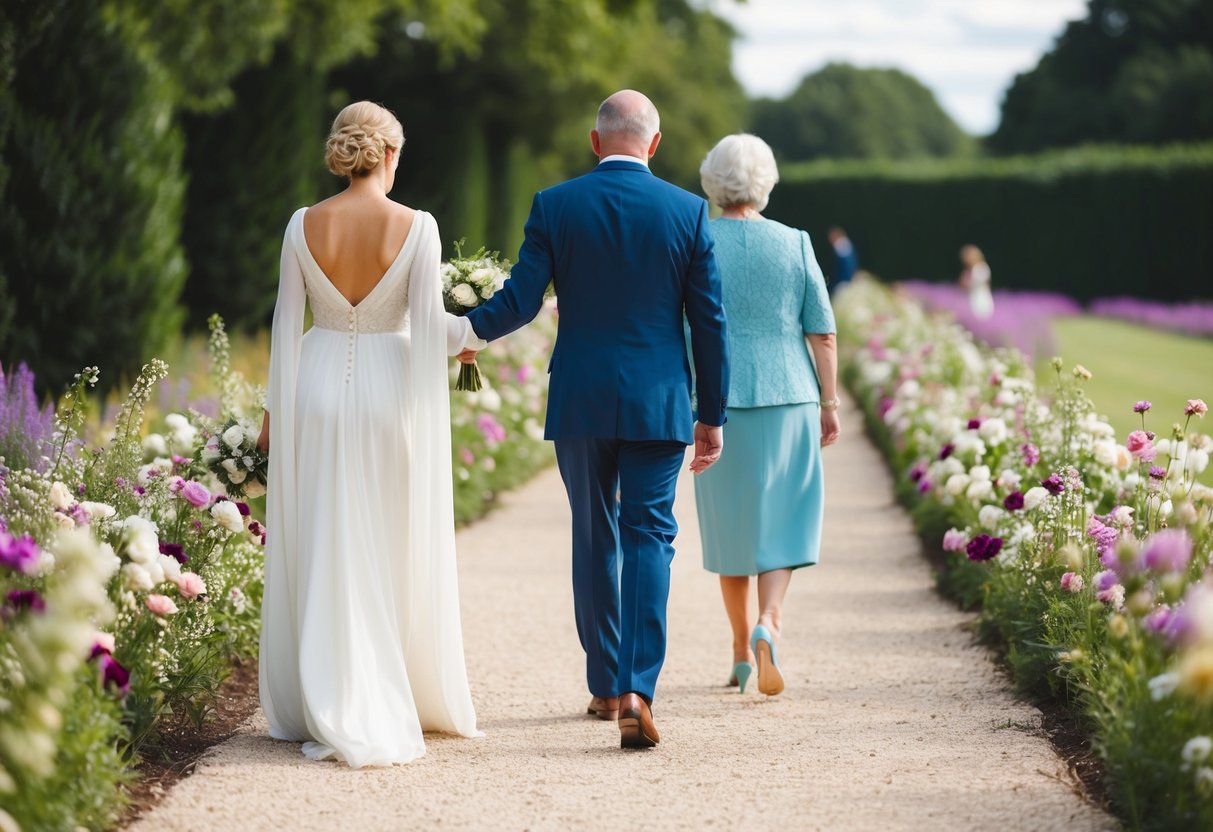
When planning a wedding, guiding the groom’s mother as she prepares to walk down the aisle is an important aspect. You want her entrance to feel special and meaningful, reflecting the family’s unique dynamics.
Escort Options
Several choices exist for who might escort the groom’s mother down the aisle. She could walk solo, allowing her a moment to shine as she approaches the altar. Many choose to be escorted by her son, which highlights the special bond between them.
Another option is for family members, like a sibling or close friend, to accompany her. This choice can add warmth and unity to the processional. It’s important to consider the groom’s mother’s personal preferences when choosing an escort.
Ultimately, the goal is to make her feel cherished and supported during this memorable moment.
Personal Touches
Adding personal touches can make this moment even more special. Think about what the groom’s mother values. Perhaps she enjoys flowers. Having a small bouquet can brighten her entrance.
Incorporating family traditions can also enhance the experience. For instance, if there’s a particular song that holds meaning, playing it as she walks down the aisle could create a memorable atmosphere.
Make sure to communicate with her about what will make her feel most comfortable. Personalizing her experience fosters a sense of unity among family members, celebrating her role and love for her son.