
Who Walks the Mother of the Groom Down the Aisle? Understanding Her Special Role
As you plan for the big day, you might wonder about the role of the mother of the groom during the wedding ceremony. Traditionally, the mother of the groom walks down the aisle escorted by her son or another family member, highlighting the special bond between them. This moment not only honors her but also symbolizes the support and love that surrounds the couple.
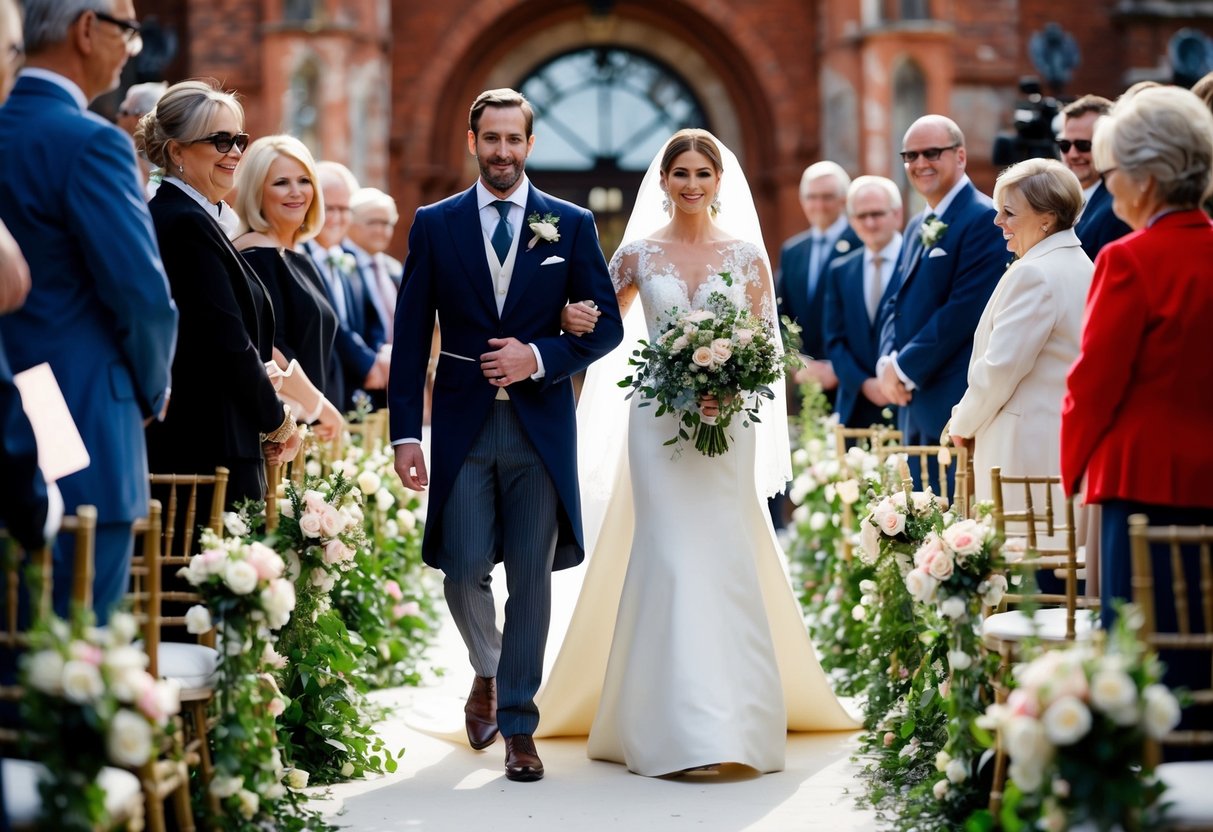
Understanding this tradition can add a meaningful touch to your ceremony. Many couples choose to keep this ritual alive, while others may adapt it to fit their style. Whether it’s a close family member or the groom himself accompanying her, it’s an opportunity to celebrate the family’s unity as everyone gathers to witness the wedding.
The way you decide to include the mother of the groom in the ceremony can reflect your unique relationship with her. As with many wedding traditions, it’s about creating memories that will last a lifetime, ensuring that everyone feels included in this joyous occasion.
The Significance of Family Roles in Wedding Ceremonies
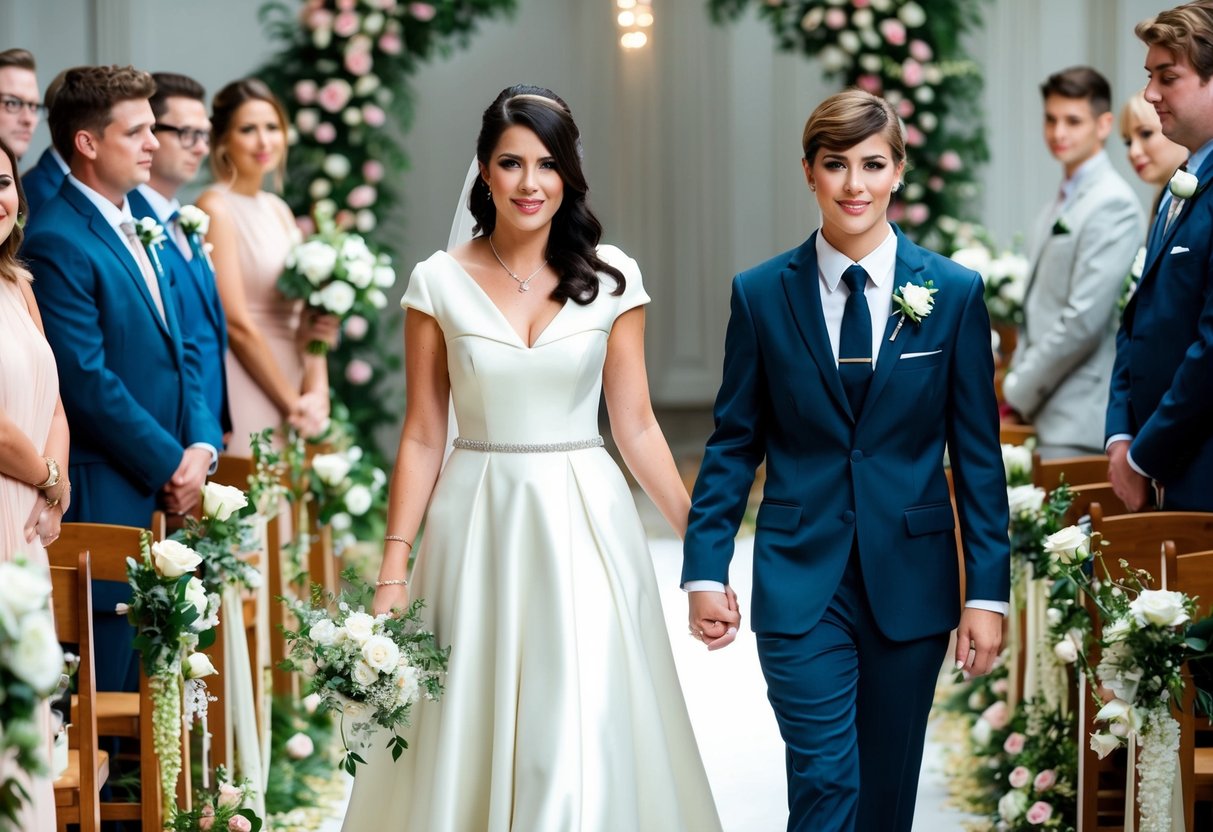
Understanding the roles of family in a wedding can help make the ceremony more meaningful. Each family member brings their own emotions, traditions, and connections to the event, creating a strong sense of unity.
Roles of the Parents
In any wedding, parents play a significant role. They often act as guides, providing support and love during this important moment. You might see the groom’s parents standing alongside their son, symbolizing their backing as he embarks on married life.
Traditionally, the father of the bride walks her down the aisle. This act signifies the transfer of care and protection to her new partner. Likewise, the mother’s role is equally vital. Her presence often embodies the emotional foundation of the family. Both parents contribute to the wedding’s atmosphere, showcasing family unity and love.
Honoring the Mother of the Groom
The mother of the groom also deserves special recognition. As the event unfolds, you might notice her taking on emotional roles. She celebrates her son’s new journey while navigating her own feelings about family changes.
Walking the groom’s mother down the aisle is a moment filled with gratitude and love. It honors her sacrifices and support throughout his life. This act signifies the bond between the groom and his mother, creating an emotional moment both cherish. Including her in the ceremony helps strengthen family ties and reflects the importance of her role in shaping who the groom has become.
Traditional and Modern Processions Explained
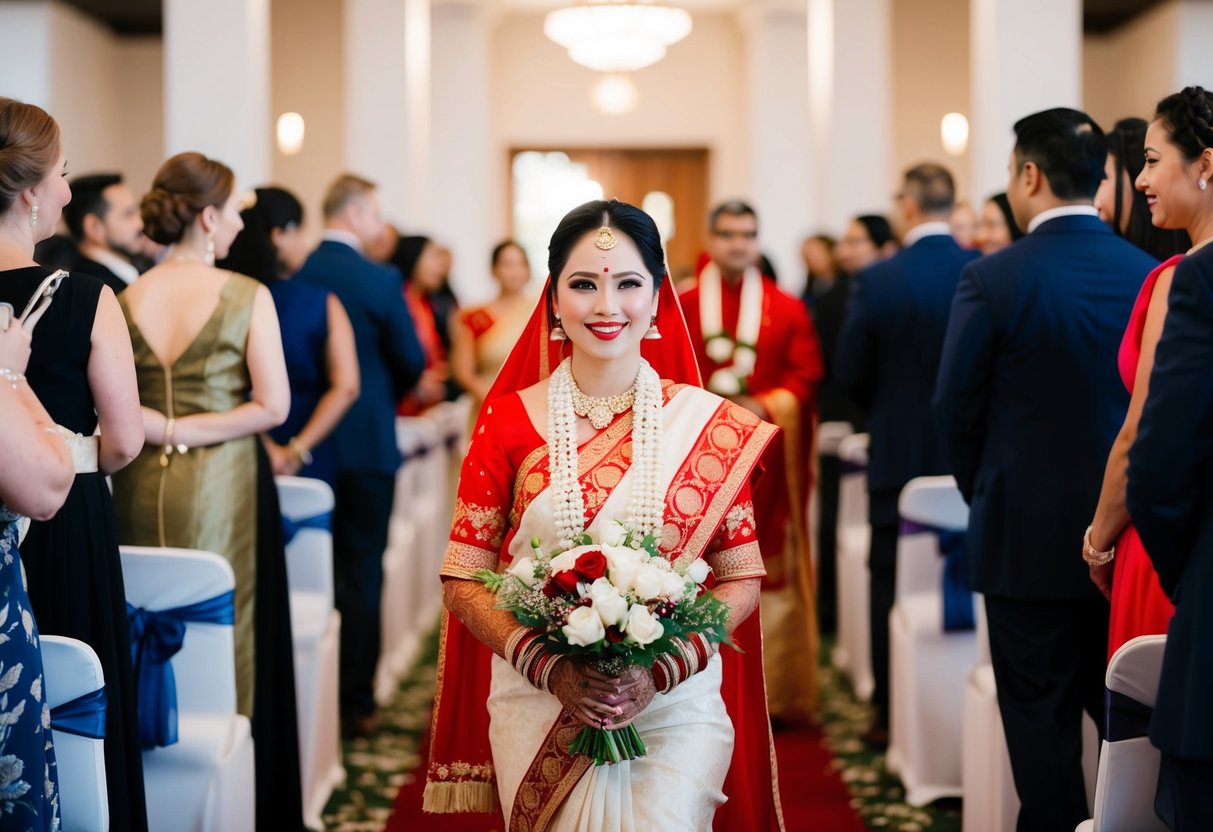
When it comes to who walks the mother of the groom down the aisle, traditions can vary widely across different cultures and religions. This section outlines the key differences in traditional and modern processional orders, helping you understand what options are available for your special day.
Christian Wedding Processional Order
In many Christian weddings, the processional order follows a specific sequence. Typically, the officiant, groom, and best man enter first. After them, the grandparents may follow, seated at the front. The mother of the bride usually walks down next, often escorted by a family member. Then, the bridesmaids and maid of honor enter, leading up to the bride’s grand entrance.
In Catholic weddings, the processional can be more formal. This may include music, candles, and more participants. You might also see a designated moment for the mother of the groom to be escorted down the aisle. Understanding this order can help you plan accordingly for your ceremony.
Hindu and Jewish Wedding Processionals
In Hindu weddings, traditions differ from Western customs. The groom typically participates in a joyful procession called the Baraat, often accompanied by family and friends. Here, the groom is celebrated as the center of attention, symbolizing his journey to marriage. The mother of the groom does not walk him down the aisle in this context.
In Jewish weddings, the processional often includes the parents of the couple. The mother of the groom may walk down the aisle escorted by a close family member. Once the parents are seated, the groomsmen and bridesmaids follow, leading up to the bride and groom. Each culture adds its unique flair to these moments.
Non-Religious and Modern Wedding Considerations
In modern or non-religious weddings, the processional can be more personalized. Couples often choose who walks where based on their relationships. You could have the mother of the groom walk alone or be escorted by her partner, which is a beautiful touch.
Many contemporary ceremonies embrace creativity. Couples may mix traditions or introduce new elements, such as a friend or sibling walking with the mother of the groom. This more flexible approach allows you to make your wedding truly reflect your style and family dynamics. Whether sticking to tradition or making your own, you have options!
Choosing Who Walks the Mother of the Groom
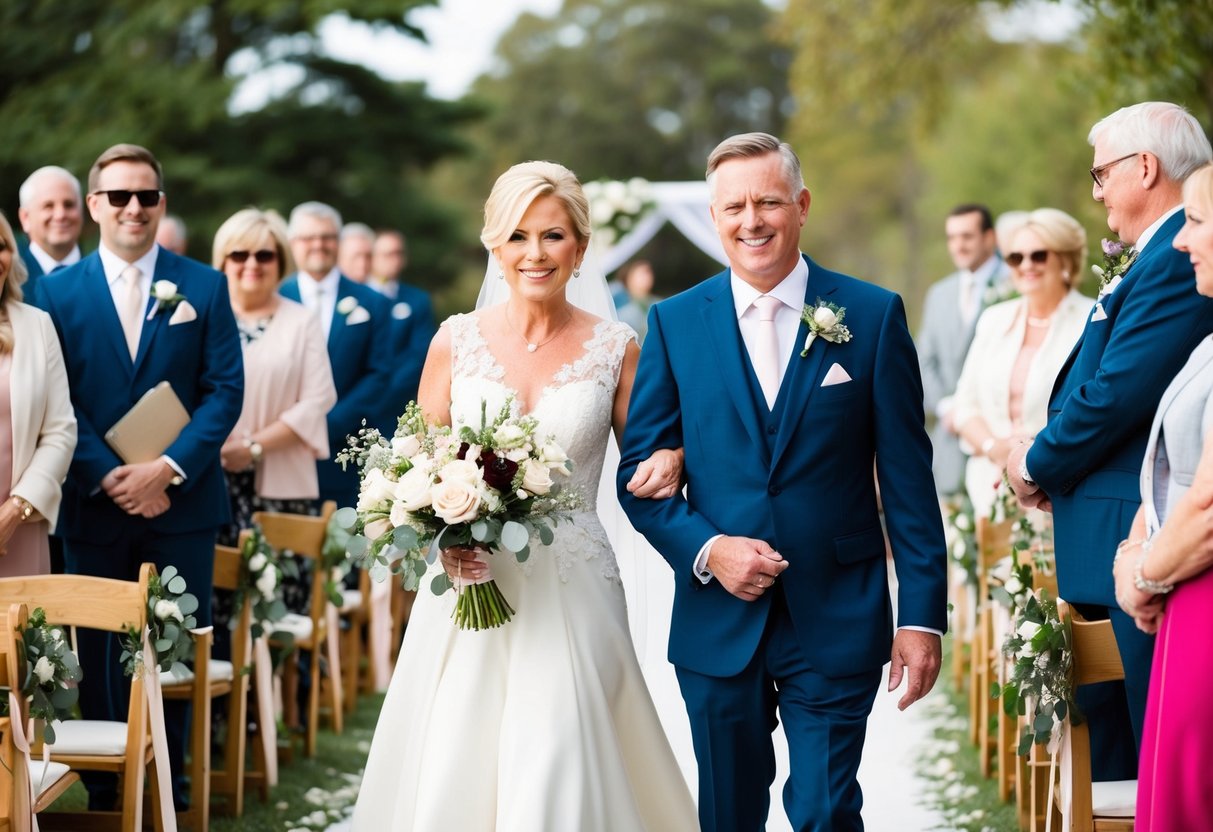
Deciding who walks the mother of the groom down the aisle is an important choice that reflects family bonds and dynamics. This decision can create a special moment in the ceremony. Here are some factors to consider and examples of potential options.
Personal Preferences and Wedding Party Dynamics
When choosing who will escort the mother of the groom, think about personal preferences and the makeup of your wedding party. You might want to honor family traditions or create new ones that reflect your unique relationship with your mom.
Consider family dynamics as well. If you have siblings, they might want to share this moment with her. If not, perhaps the groomsmen or even your father could step in. The goal is to ensure that your mother feels respected and cared for during the ceremony.
Additionally, think about how this choice interacts with the rest of the wedding party. The flow of the processional is important. You want to create a smooth transition that enhances the overall vibe of the ceremony.
Examples of Ceremony Escort Choices
Various people can walk the mother of the groom down the aisle. Here are a few common choices:
-
Groom’s Brother or Sibling: If you have a brother or another sibling, they can walk your mother. This choice strengthens family bonds.
-
Groomsmen: A groomsman can escort her, showing respect while also keeping the focus on the upcoming union.
-
Father of the Groom: Often, the groom’s father will follow closely behind, offering support and unity within the family.
-
Solo Walk: If your mother prefers to walk alone, this can be a strong statement of independence. It’s also a good way to honor her personal choice.
Make sure whatever you choose feels right for your family. The most important part is to create a moment that resonates with your mother and honors your relationship.