
Who Walks with the Bridesmaid? Exploring Tradition and Role in Weddings
When planning your wedding ceremony, one question that often arises is who walks with the bridesmaid. Traditionally, bridesmaids walk down the aisle in pairs with groomsmen, creating a beautiful balance as they lead up to the bride. This can set the tone for the entire processional and adds to the joy of the moment.
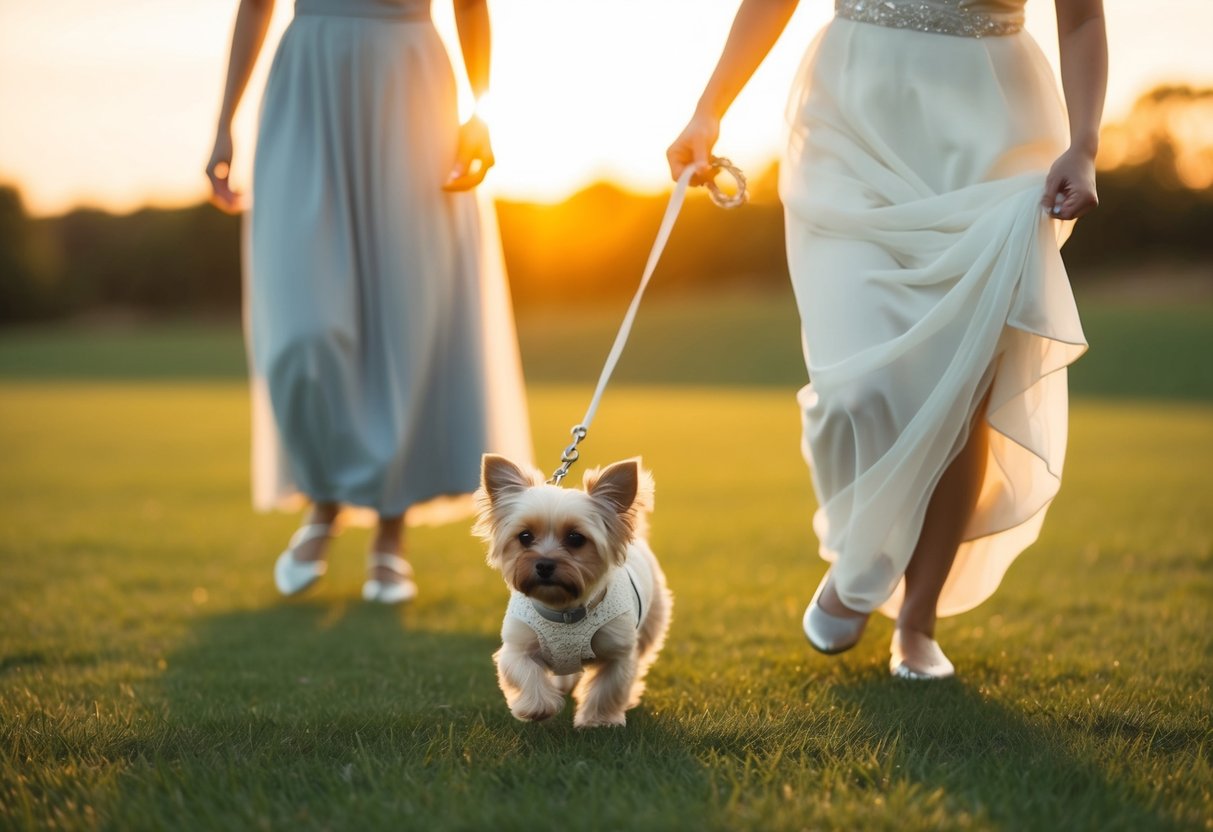
Your personal preference plays a key role in deciding this aspect of your wedding. Some couples opt for a more modern approach, allowing bridesmaids to walk alone or in different arrangements. This flexibility gives you the chance to personalize your ceremony in a way that feels right for you.
Understanding the traditional wedding processional can help you make these decisions. Keep in mind that the ultimate goal is to create a lovely and memorable experience for everyone involved.
Wedding Processional Basics
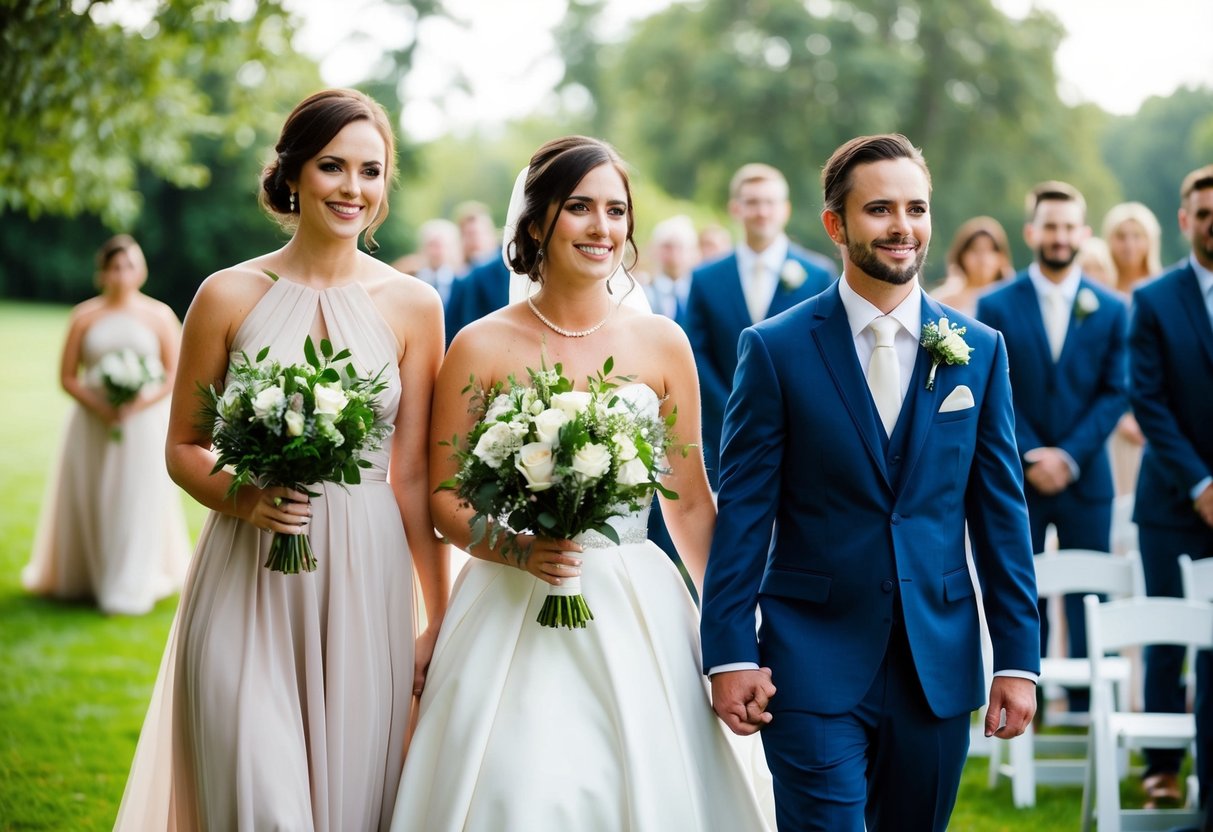
In a wedding processional, the order in which everyone walks down the aisle is essential. It sets the mood for the ceremony and highlights the important roles of those involved. Understanding who walks with the bridesmaids and how to pair everyone can help you plan smoother ceremonies.
The Role of Bridesmaids and Groomsmen
Bridesmaids play a vital role in supporting the bride. They often walk down the aisle before the bride, creating an elegant atmosphere. Each bridesmaid may pair with a groomsman, emphasizing the connection between both sides.
Groomsmen assist the groom and can include his closest friends. They help get ready for the ceremony and often escort the bridesmaids. The best man, who has special duties, typically stands beside the groom during the ceremony.
Other Key Roles include:
- Maid of Honor: Right hand to the bride, she stands closest to her during the ceremony.
- Parents of the Bride and Groom: They walk down the aisle before the bridal party, often signaling their support.
Order and Pairing in the Processional
The typical order starts with the officiant, followed by family members. Grandparents usually come first, then the parents of the bride, and followed by the groom’s parents.
Next, the groomsmen take their positions, walking down with the bridesmaids.
Suggested Pairings could look like this:
- Maid of Honor with Best Man
- Bridesmaids with Groomsmen in a manner that fits the couple’s style.
Toward the end, flower girls and ring bearers bring a cute touch to the processional. Finally, the bride walks down the aisle, often escorted by a parent, to create a memorable entrance.
Ceremonial Traditions by Culture
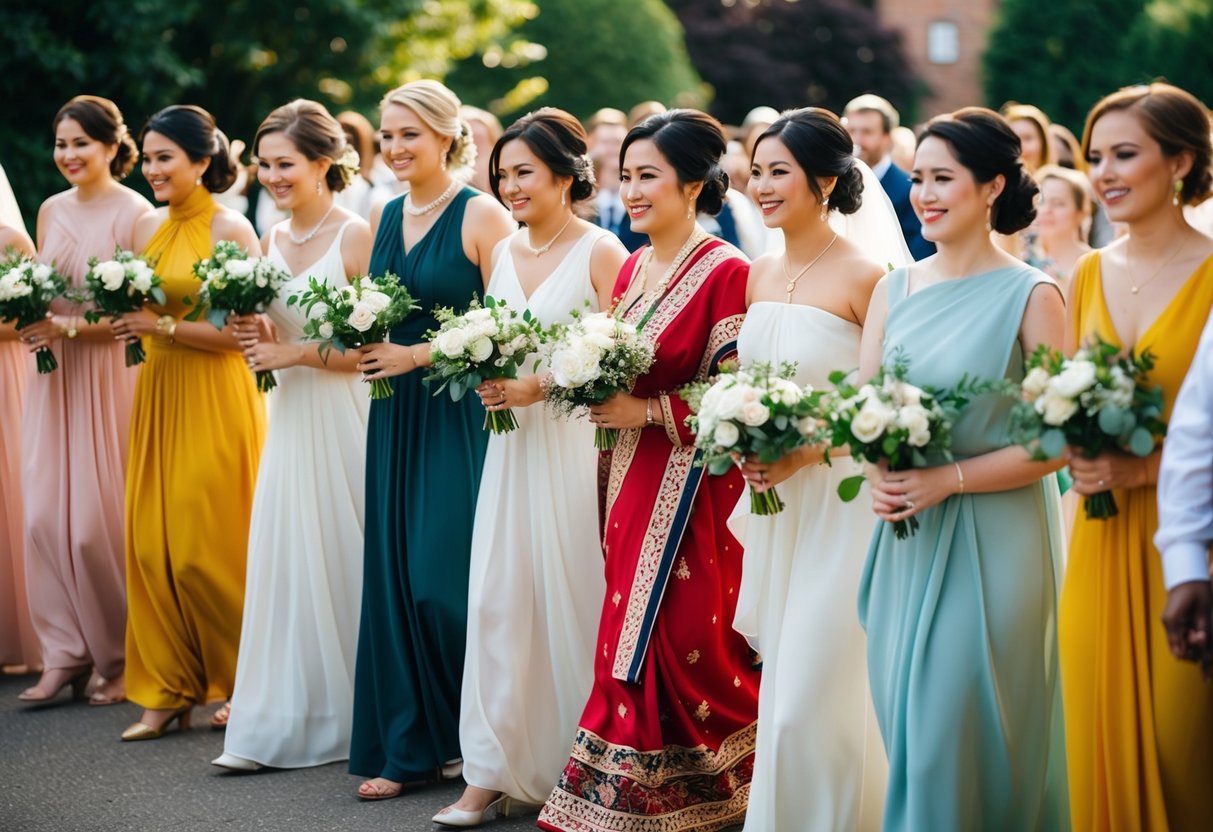
Weddings are rich with tradition, and each culture brings its unique processional elements. Understanding these customs can enhance your appreciation for the ceremony and give you ideas for your own wedding.
Christian Wedding Processional Order
In a typical Christian wedding, the processional order is quite structured. First, the officiant walks in, followed by family members and the wedding party. The mother of the bride often walks down the aisle solo or with a family member, taking her seat in the front row.
Next, the bridesmaids walk in pairs, usually with the maid or matron of honor leading. They stand on the bride’s side of the ceremony. The groomsmen follow suit, matching with the bridesmaids, often lining up to the groom’s left. Finally, the bride makes her grand entrance, typically escorted by her father or both parents. This highlights the significance of family in a Christian ceremony.
Jewish Wedding Processional Traditions
Jewish weddings embrace deep symbolism throughout their traditions. Before the ceremony, the groom participates in a procession called the Baraat, where he is often escorted by family and friends. This creates a festive atmosphere.
During the ceremony, the bride walks down the aisle under a chuppah, which is a canopy representing the couple’s new home together. She is usually escorted by both parents. The groom stands waiting, and once the bride arrives, they both come under the chuppah together. This moment signifies their unity and often follows the traditional format, where the bride enters last, enhancing the emotional impact of the ceremony.
Hindu Wedding Processional Elements
Hindu wedding processions are vibrant and filled with joy. The groom’s procession, known as the Baraat, is lively, often featuring dancing and music. The groom rides to the venue on a horse or in a decorated car, accompanied by family and friends.
Once at the venue, the bride’s family greets the groom, and the ceremony begins under a mandap, a structure that represents the couple’s new beginning. The bride walks in typically with her siblings or close family members. This showcases family ties and emphasizes the importance of community in Hindu traditions as they come together to support the couple.
Nondenominational and Other Traditions
Nondenominational weddings often blend customs from various cultures, allowing for a unique processional tailored to the couple’s preferences. You may see traditional elements like a simple floral arch instead of a religious symbol.
The processional order may be flexible; couples often choose to have both parents walk them down the aisle or use non-traditional roles such as friends or siblings. This approach emphasizes personal connections and values fully, making the ceremony feel special. The key is to celebrate your love in a meaningful manner.
Factors Influencing the Processional
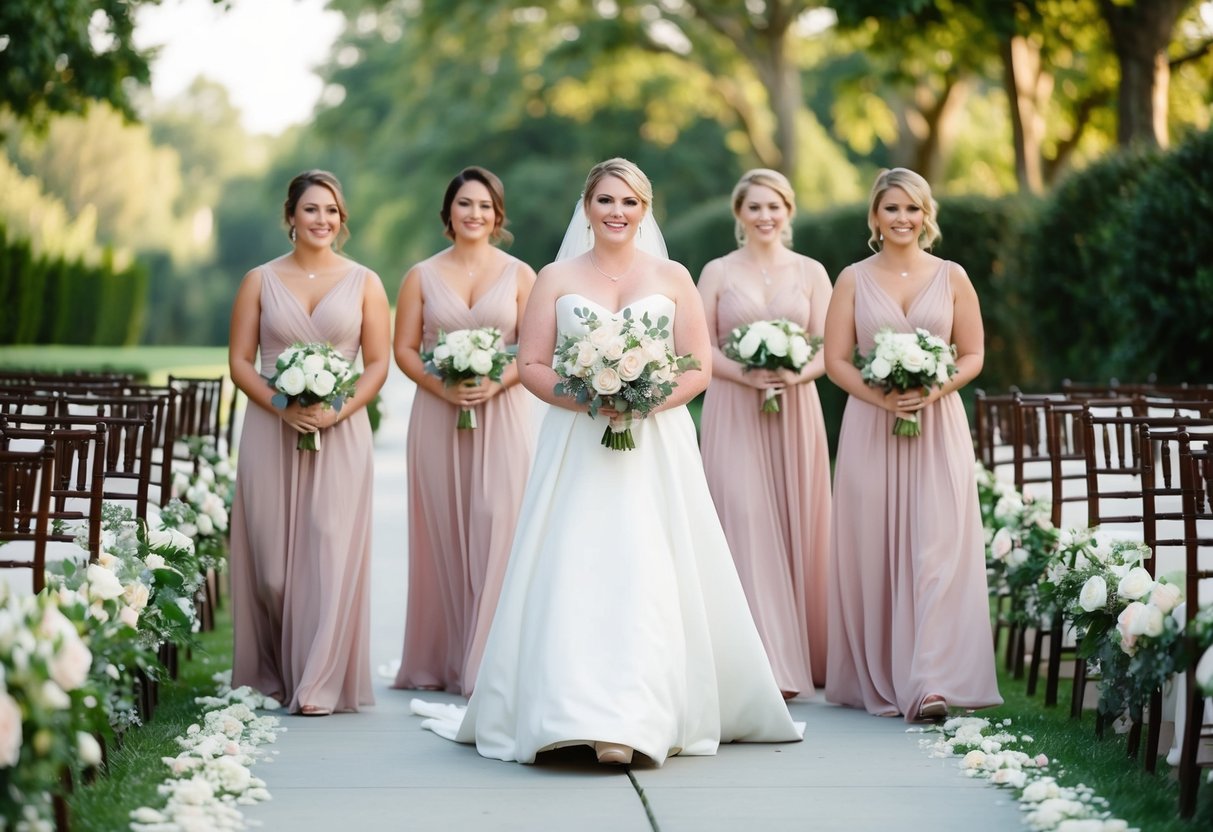
The way your bridal party walks down the aisle is determined by various factors. Personal choices, logistical aspects, and the venue all play vital roles in shaping this special moment.
Logistics and Personal Choices
When planning your ceremony, consider who walks with the bridesmaids. You might prefer a specific arrangement based on personal relationships or family dynamics.
Think about the comfort level of your bridal party. If someone is nervous or unsure, pairing them with a familiar person can ease tension. Height differences may also play a role. You might want to balance the procession visually, ensuring that everyone feels comfortable and looks great.
Cultural traditions can also influence your choices. In some cultures, specific family members or friends may traditionally escort the bridesmaids. Discuss these options with your wedding party to ensure everyone feels included and valued in the procession.
The Influence of Venue and Ceremony Type
The venue significantly impacts the processional’s structure. A large church may allow for a grand entrance, making it easy to accommodate various participants. In contrast, a small garden might require fewer people walking down the aisle.
Your ceremony type also matters. In a military wedding, unique customs may dictate who walks with the bridesmaids, often honoring service members. This can lead to a more structured processional.
Consider the aisles’ length and width in your venue, as it can affect how long the processional takes. A longer aisle means more time for each participant, so ensure your timing aligns with the overall schedule of the day.