
Who Wears Wedding Band on Right? Exploring Cultural Traditions and Personal Choices
Many people choose to wear their wedding band on the right hand for various reasons. In some cultures, wearing a wedding ring on the right hand symbolizes marriage and commitment just as strongly as the traditional left hand placement. This practice can reflect personal beliefs, cultural traditions, or even practical comfort.

For example, in countries like India and many Middle Eastern nations, the right hand is preferred due to cultural views on purity. The right hand may also hold significant meaning for same-sex couples or those in non-traditional relationships, serving as a mark of their unity and love.
Whether you’re curious about the customs or considering your own ring placement, understanding who wears a wedding band on the right can deepen your appreciation of this heartfelt tradition.
Cultural and Historical Context
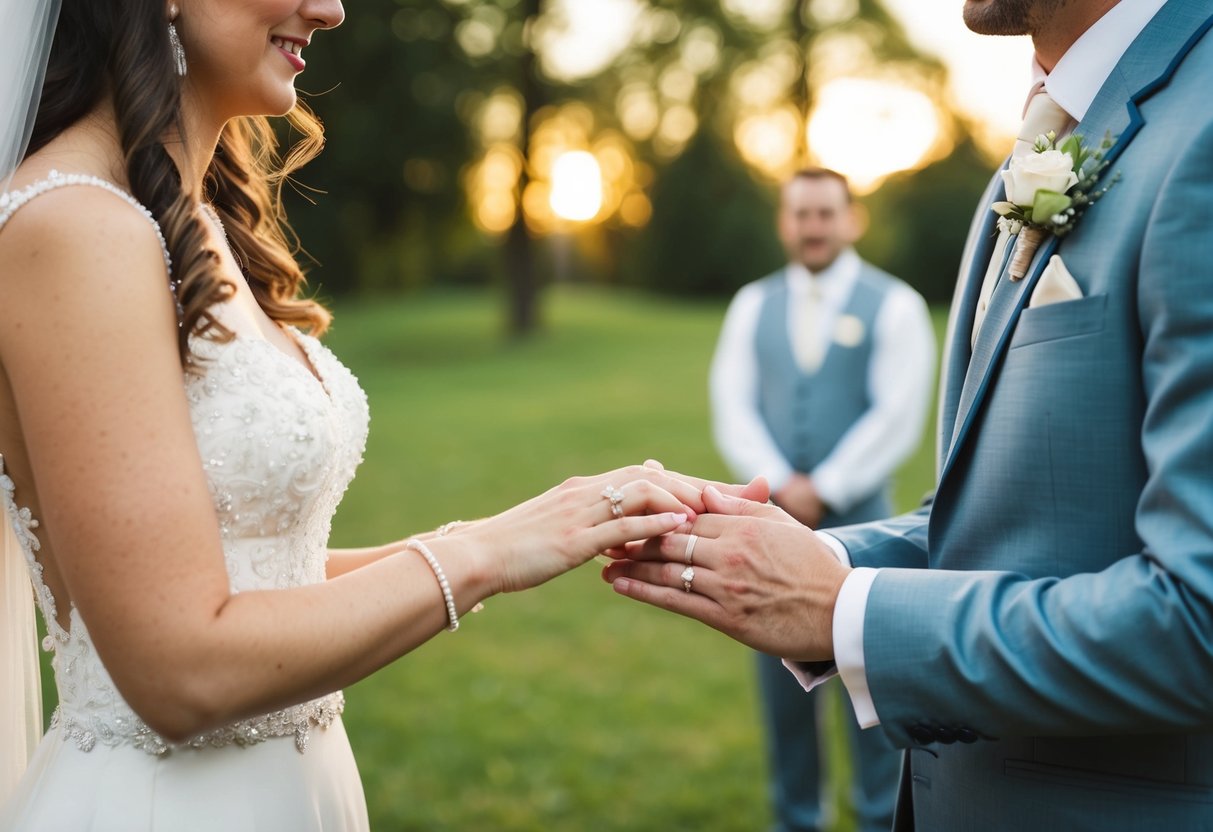
Wearing a wedding band on the right hand carries rich meanings across different cultures and historical backgrounds. This practice often varies based on traditions and beliefs, influencing how couples symbolize their commitment to each other.
Traditions Across Cultures
In many cultures, the right hand symbolizes strength and power. For instance, countries like Germany, Austria, and Brazil often place wedding rings on the right hand. In Eastern Europe and Russia, this tradition reflects deep-rooted customs.
In Jewish tradition, a wedding ring is blessed during the ceremony, typically put on the bride’s right hand. Similarly, in Eastern Orthodox Christianity, the groom wears the ring on his right hand after the ceremony. In Latin America, many couples also choose this finger, viewing it as a sign of their bond.
The significance of wearing rings varies from personal choice to adherence to cultural norms. It can also symbolize commitment to oneself or family bonds, making the right-hand ring meaningful.
Historical Significance
The history of wedding rings dates back to ancient civilizations. In Ancient Egypt, rings symbolized eternity and commitment. The idea of the “vena amoris,” believed to be a vein running directly to the heart, made the left hand popular for rings. However, this practice shifted in various cultures.
In Ancient Rome, the tradition included wearing rings as a sign of ownership and commitment. Over time, different cultures adopted their variations on this. For example, in Greece and Poland, the right hand became associated with marriage over generations.
Notable influences also come from church traditions. The Church of England and others have shaped these customs, helping spread the idea of the right-hand ring. Whether through religious beliefs or cultural customs, the significance remains strong today.
Symbolism and Significance
Wearing a wedding band on the right hand carries rich meanings and interpretations across various cultures. Understanding this symbolism can deepen your connection to your wedding ring. The choices of finger and hand can reflect your beliefs about love, commitment, and your unique partnership.
Interpretations of the Wedding Band
The wedding band symbolizes the eternal bond of marriage, representing love and commitment. When worn on the right hand, it can hold personal significance or cultural meanings.
In some cultures, such as Eastern European countries, a right-hand wedding band symbolizes authority and honor within a marriage. It reflects the strength of the partnership and the loyalty you have pledged to each other.
Your choice may also express individual values like self-love or the importance of family. The meanings can vary widely, but each interpretation is deeply rooted in the virtue of unity and fidelity.
Symbolic Finger Choice
Choosing to wear your wedding band on the right hand can signify several things. Traditionally, the fourth finger, or “ring finger,” is associated with love. However, when you opt for the right hand, you might be embracing a personal or cultural belief.
Some people wear their wedding ring on the right hand for practical reasons, including comfort or to avoid damage. Others may view the right hand as a symbol of power and authority in the relationship.
Wearing it on the index finger can communicate confidence and dominant status within the marriage. Regardless of the choice, each finger can represent different aspects of your commitment and respect for one another.
Personal Preferences and Modern Interpretations
In today’s world, wearing a wedding band on the right hand is often shaped by personal choices and evolving cultural meanings. These choices reflect various values, including devotion and heritage.
Variations in Personal Choice
Personal preference plays a big role in deciding where to wear a wedding band. Some people feel more comfortable wearing their ring on the right hand. This decision can symbolize their unique view of commitment.
Cultural heritage also influences these choices. In some cultures, the right hand is traditionally seen as the more appropriate place for wedding rings. You might also see couples wearing rings on both hands, reflecting a modern twist on engagement and marital status.
These variations help you express your personal identity in a way that feels right for you.
Same-Sex Couples and Ring Wearing
For same-sex couples, wearing wedding rings can represent love and commitment in a way that is deeply personal.
Choosing which hand to wear the ring on can signify devotion and connection. Many same-sex couples opt for the right hand to challenge traditional norms. This choice can honor their unique journey and stand out in a society influenced by mainly western cultures.
Rings can symbolize partnership more than just marital commitment. They are often an expression of love, equality, and support. Each couple can find what feels comfortable and meaningful, making the act of wearing a ring genuinely special.