
Whose Family Walks Down the Aisle First? Unpacking Wedding Traditions and Family Roles
Planning a wedding involves many decisions. One of the most common questions you might have is about the order of your wedding procession.
Typically, the groom’s parents walk down the aisle before the bride’s mother during the ceremony. This order helps set the tone for the special day and honors both families as you begin this new chapter.
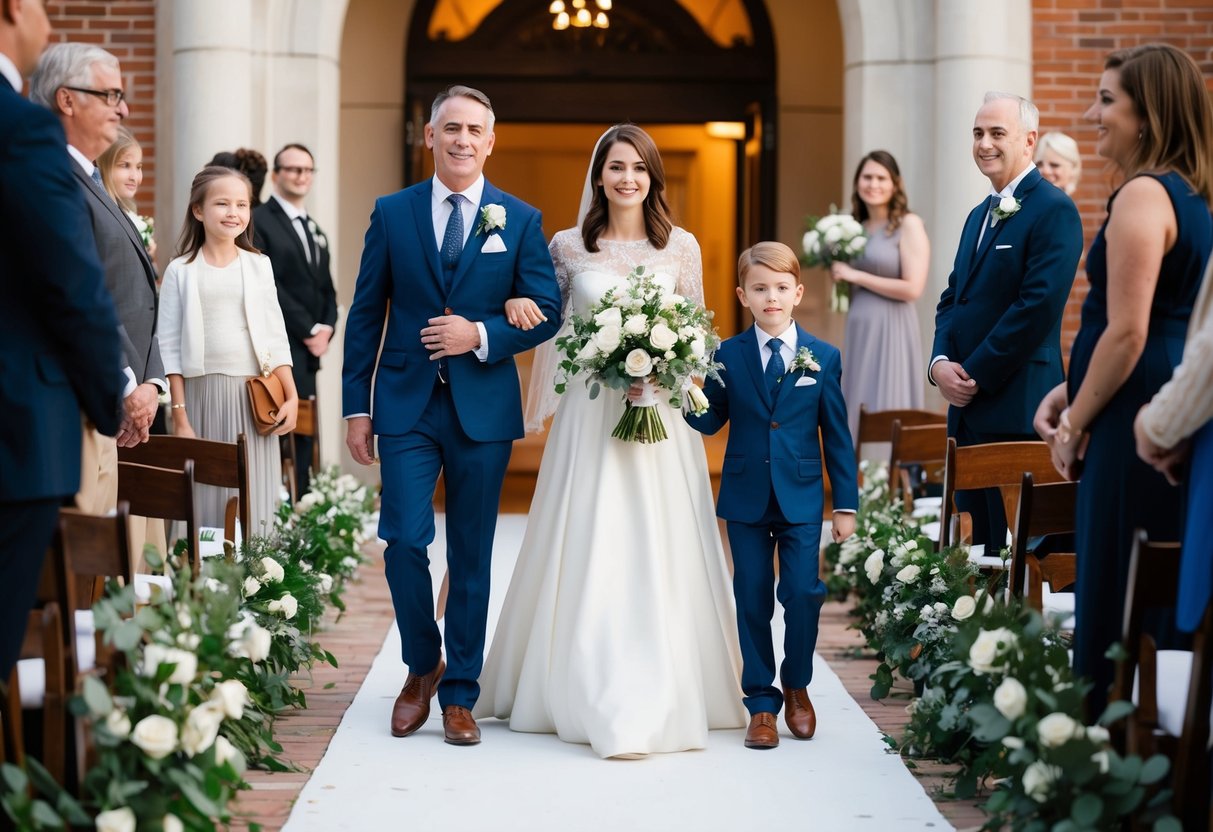
Understanding the procession can ease your planning process and make the ceremony feel more organized. As you consider how to incorporate family traditions or personal touches, knowing who walks first can help you create a meaningful experience that reflects your unique relationship.
Whether you’re following tradition or choosing a more modern approach, the wedding procession is a key part of your celebration. By knowing the general order, you can focus on what truly matters—celebrating your love with family and friends.
The Wedding Processional Order
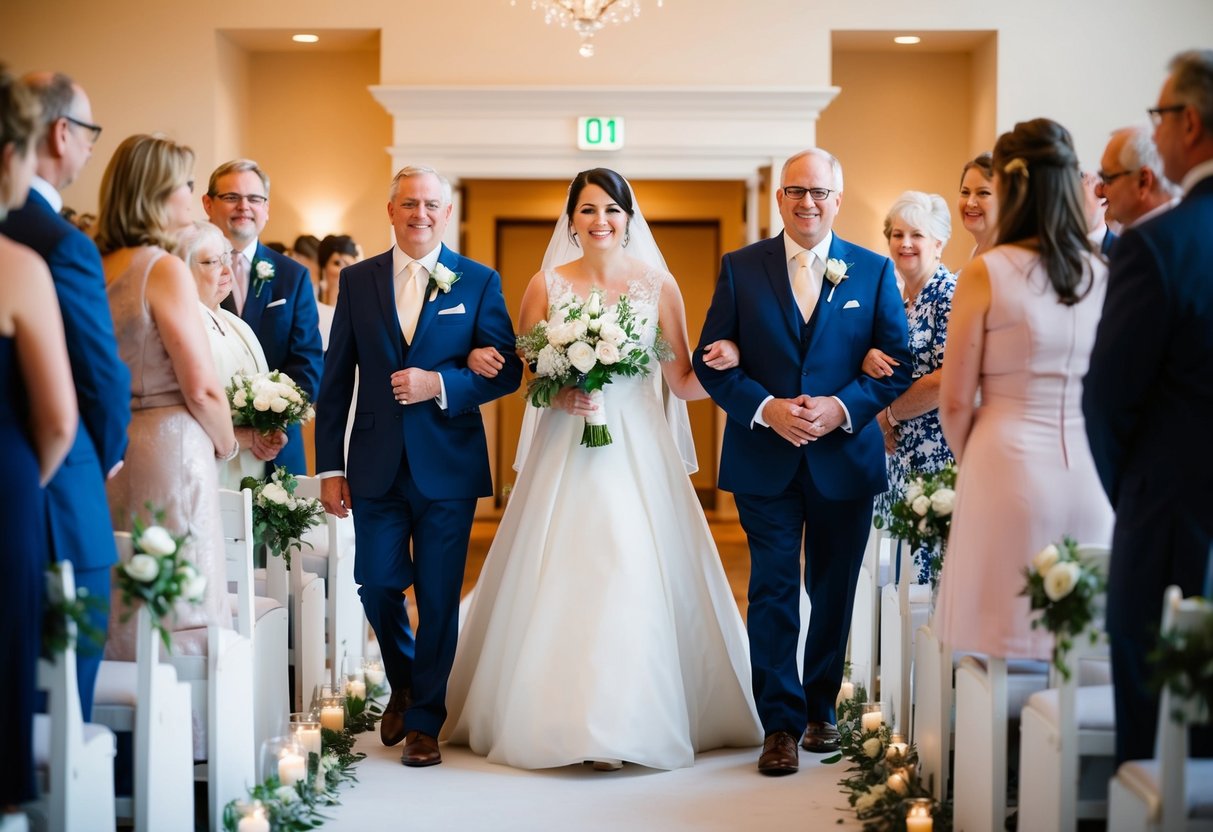
During a wedding, the processional is a key moment that sets the tone for the ceremony. The order in which family members and the wedding party walk down the aisle can be both traditional and personalized. Knowing this order helps ensure everything flows smoothly on your special day.
General Order of a Traditional Procession
The processional usually starts with the officiant entering first. Following the officiant, here is a common order:
- Grandparents: Typically, they walk down the aisle first.
- Parents: The groom’s parents go next, followed by the bride’s mother.
- Wedding Party: The bridesmaids and groomsmen walk down after the parents, generally in pairs.
Finally, the bride walks down the aisle, often with her father or another significant family member. This structure helps guests understand who is entering and emphasizes the bride’s entrance.
Role of Family Members
Each family member has a specific role in the processional. The groom’s parents usually precede the bride’s mother, ensuring that both families are recognized.
Grandparents are often honored by being seated first, which allows them to witness the ceremony in a prominent position.
The bride’s mother plays a vital role, often partnered with her husband or walking alone if she is single. This order can reflect family dynamics, allowing for adjustments based on your preferences and family relationships.
Involvement of the Wedding Party
Your wedding party adds a special touch to the processional. The bridesmaids usually walk in a line, starting from the one farthest from the bride and groom.
The maid of honor walks last among the bridesmaids.
For the groomsmen, they typically walk in with the bridesmaids, pairing up as they enter. The flower girl and ring bearer often join the wedding party, creating a charming moment before the bride walks in. Their involvement helps make the ceremony feel inclusive and joyful.
Family Roles and Presence in the Aisle Walk
When planning a wedding, understanding family roles during the aisle walk is important. Each family member plays a unique part, contributing to the ceremony’s meaning and atmosphere.
Special Considerations for Grandparents
Many couples choose to honor their grandparents during the wedding processional. You might want to invite them to walk down the aisle before the parents. This symbolizes their important role in the family.
Options for Grandparents:
- Walking Together: Grandparents can walk down the aisle together to highlight their bond.
- Individual Walks: If one is frail, you could have only one grandparent walk while being supported by a family member.
Make sure to plan seating for them that is comfortable and easy to access. Their presence often adds a sentimental touch to the ceremony.
Parents of the Groom and Bride
The parents of both the bride and groom have significant roles during the aisle walk. Traditionally, the mother of the bride walks down last, often escorted by a close family member.
Order of Processional:
- Mother of the Bride: She usually walks after the bridesmaids.
- Mother of the Groom: She follows after the bride’s mother, sometimes escorted by a family member as well.
During the ceremony, they sit in the front row, typically on opposite sides of the aisle. Involving both sets of parents shows unity between families. You can tailor their involvement based on personal preferences and family dynamics.
Cultural and Religious Wedding Traditions
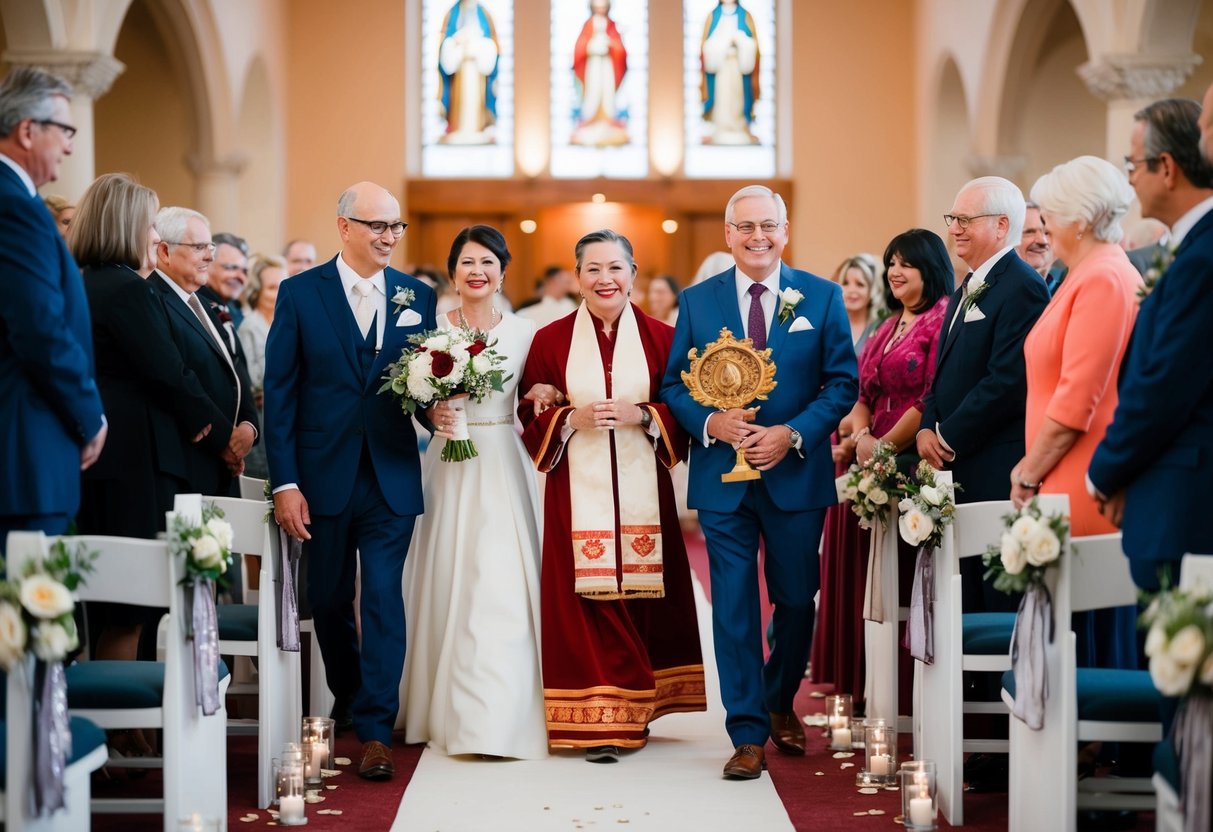
Every culture and religion has its unique customs regarding who walks down the aisle first. These traditions shape the ceremony and reflect the values of each community.
Jewish Weddings
In Jewish ceremonies, the processional often begins with the parents of the bride. They typically enter before the bridal party. This symbolizes the bride’s transition from her family to her new husband.
The bride follows, usually escorted by both parents. After this, the groom walks down the aisle, often accompanied by his mother. The importance of family is central in Jewish weddings, highlighting community and support.
Catholic Wedding Processionals
In a Catholic wedding, the order of processional can vary but generally starts with the priest followed by altar servers. The groom usually enters next, often from the side, pacing down the aisle alongside his parents.
The bride’s entrance is often the most anticipated moment. Her parents accompany her down the aisle, representing her support system. This traditional order underscores the significance of family in the Catholic faith.
Hindu Wedding Customs
Hindu weddings have vibrant and meaningful processions. The groom typically arrives first in a celebratory manner, often on a horse or through a decorated vehicle. This event is called the “baraat,” showcasing his family’s joyful celebration.
The bride walks down the aisle after the groom, usually escorted by her parents. This signifies her leaving her family to join her husband’s family. The entire atmosphere reflects joy and unity, emphasizing the coming together of two families.
Modern Variations and Personalization
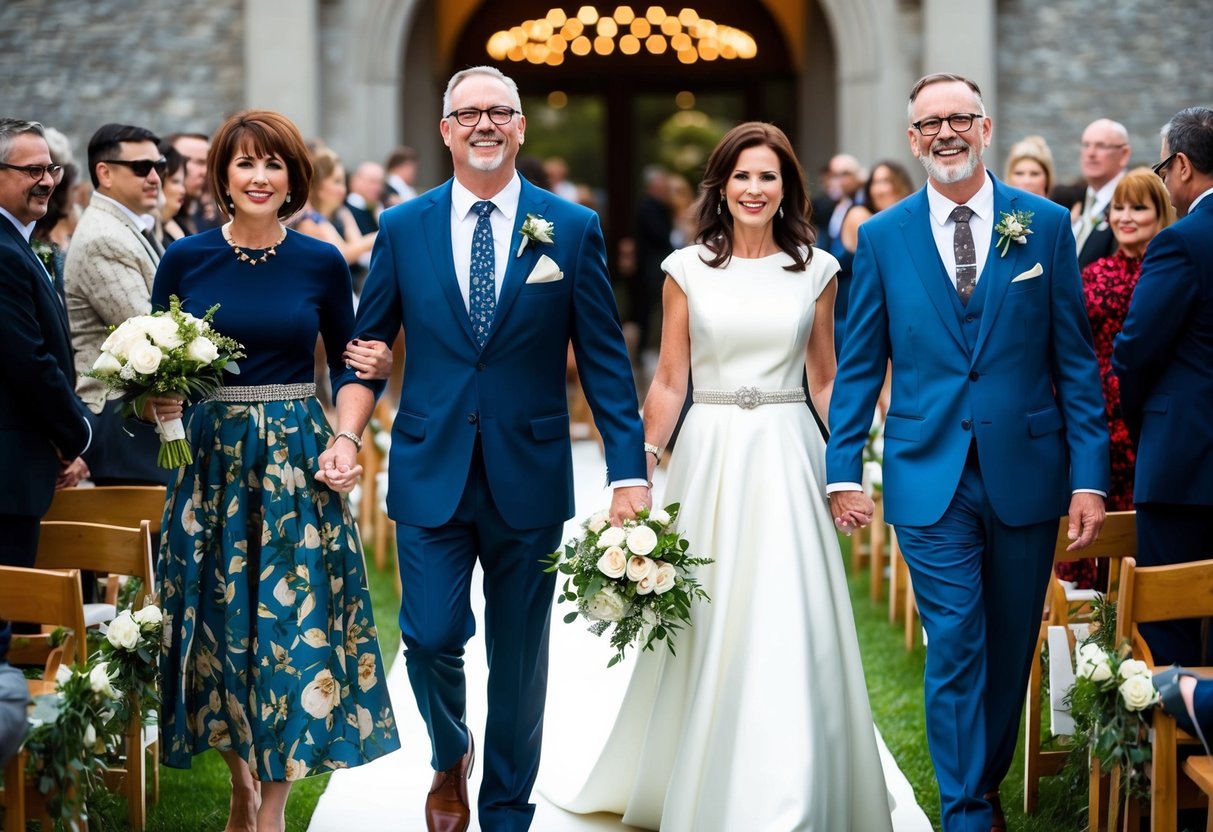
Personalizing your wedding ceremony can make it more meaningful and memorable. By considering modern variations in the order of who walks down the aisle, you can create a moment that reflects your unique preferences and relationship.
Individualizing Your Ceremony
In modern weddings, the order of who walks down the aisle can be tailored to fit your family dynamics and personal choices.
Here are a few options to consider:
-
Parents First: You might choose to have both sets of parents walk down the aisle together. This can symbolize unity and support.
-
Joint Entrance: Some couples opt to walk down the aisle together, arm-in-arm. This modern approach highlights equality in the relationship.
-
Special Guests: You can include loved ones who played a significant role in your journey as a couple.
These options allow you to honor your personal preferences while still embracing traditional elements.
Creating Memorable Moments
Memorable moments in your wedding ceremony often come from personal touches.
Think about ways to incorporate your shared journey.
-
Vow Exchange: Write your own vows to express your feelings in a unique way. This personal commitment can be a highlight of the ceremony.
-
Customized Music: Choose a song that has special meaning for both of you for your processional.
-
Special Readings: Consider having friends or family read passages that resonate with your love story.
These choices can make your ceremony not only unique but also incredibly heartfelt.