
Whose Initials Go First: Bride or Groom? Understanding Wedding Tradition
When planning your wedding, you may wonder about the order of initials in a monogram or on invitations. Traditionally, the bride’s initials go first, reflecting her importance in the ceremony, but many couples choose to personalize this based on their preferences. This decision can be a fun way to express your unique style as a couple.
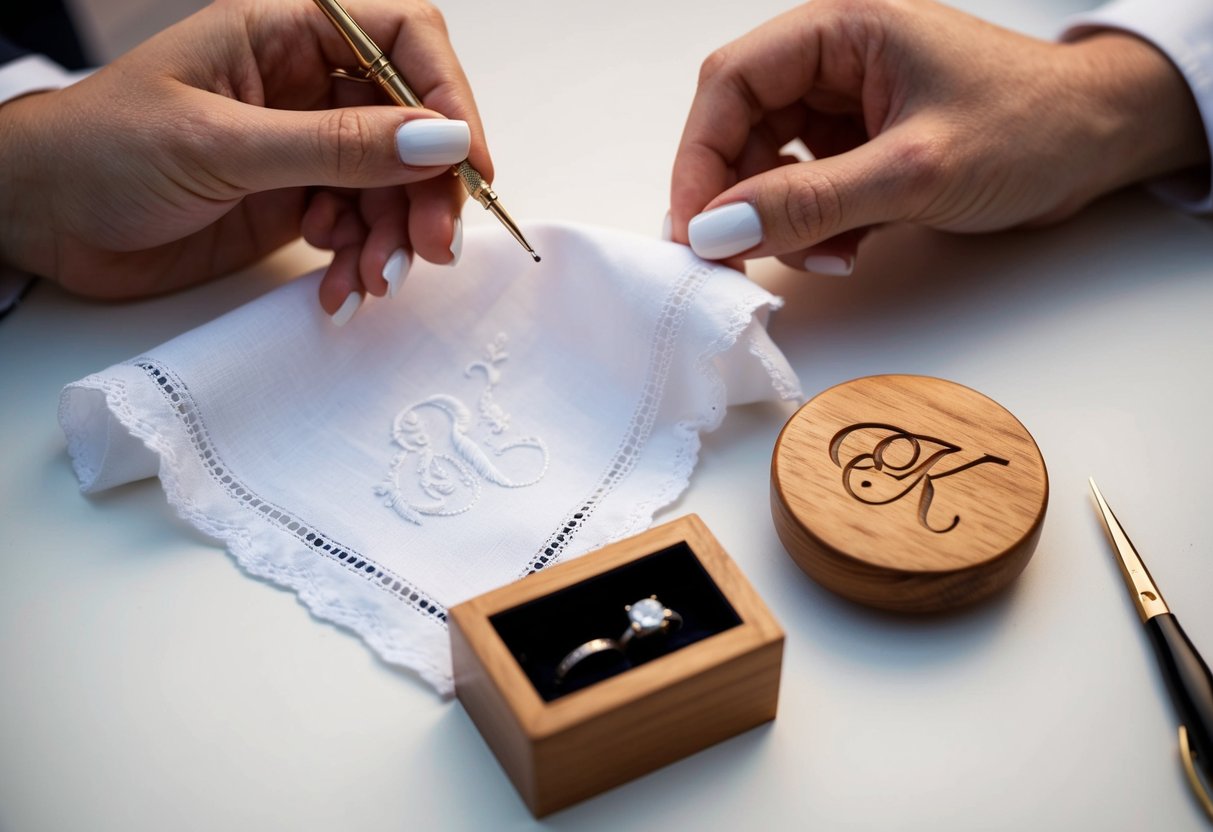
You’ll find that wedding etiquette has evolved. While the classic approach has been to put the bride’s initial before the groom’s, modern practices allow for flexibility. Whether you lean towards tradition or prefer a new take, what matters most is that it feels right for you.
As you design your wedding invitation, consider how your initials represent your partnership. This small detail can carry a lot of meaning, and it’s a great conversation starter for your guests. Embrace this opportunity to showcase your love story right from the start!
Understanding Wedding Tradition and Etiquette
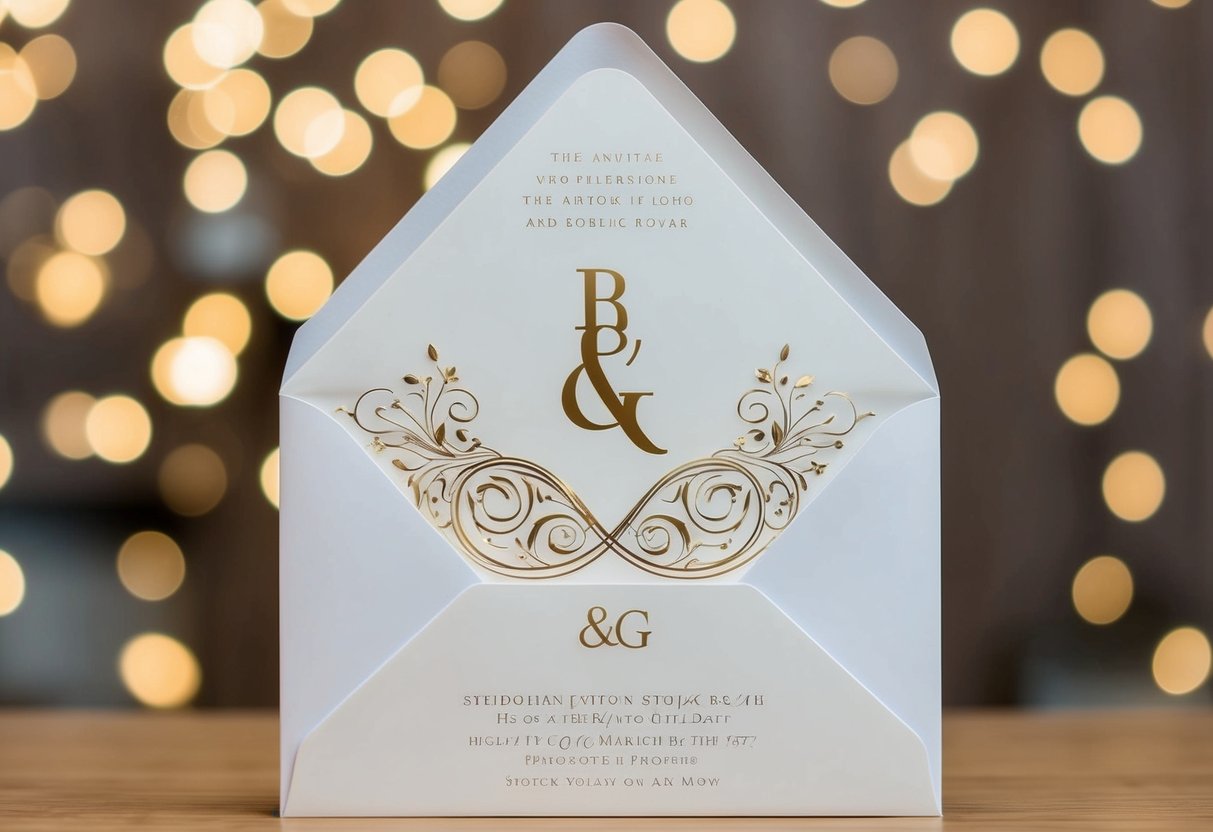
Wedding traditions and etiquette shape how you approach many aspects of your big day. Knowing these can help you make choices that reflect both your style and the customs that are important to you.
The Role of Tradition in Wedding Invitations
When it comes to wedding invitations, traditional etiquette usually places the bride’s name first. This is because the bride’s family typically hosts the event. This long-standing custom is seen in many cultures.
However, you have choices. If you and your partner prefer, you can list names in a way that reflects your personal relationship. For same-sex couples, this may mean considering both names equally.
You can also think about a wedding monogram. In a traditional monogram, the bride’s initial goes first, followed by the groom’s. This design is popular for invitations, gifts, and decor.
Navigating Modern Etiquette for Married Couples
Modern wedding etiquette allows for more flexibility. Couples can decide whose name goes first on invitations based on personal preference. If the groom’s family is hosting, his name can lead.
Another important aspect is how you present your names together. Many couples opt for a combined format, making their partnership clear. This can help create a unique identity for your new life together.
Keep in mind, recent trends encourage a more equal approach to names. This is especially true for same-sex couples, who can choose the order freely.
Designing Your Wedding Stationery
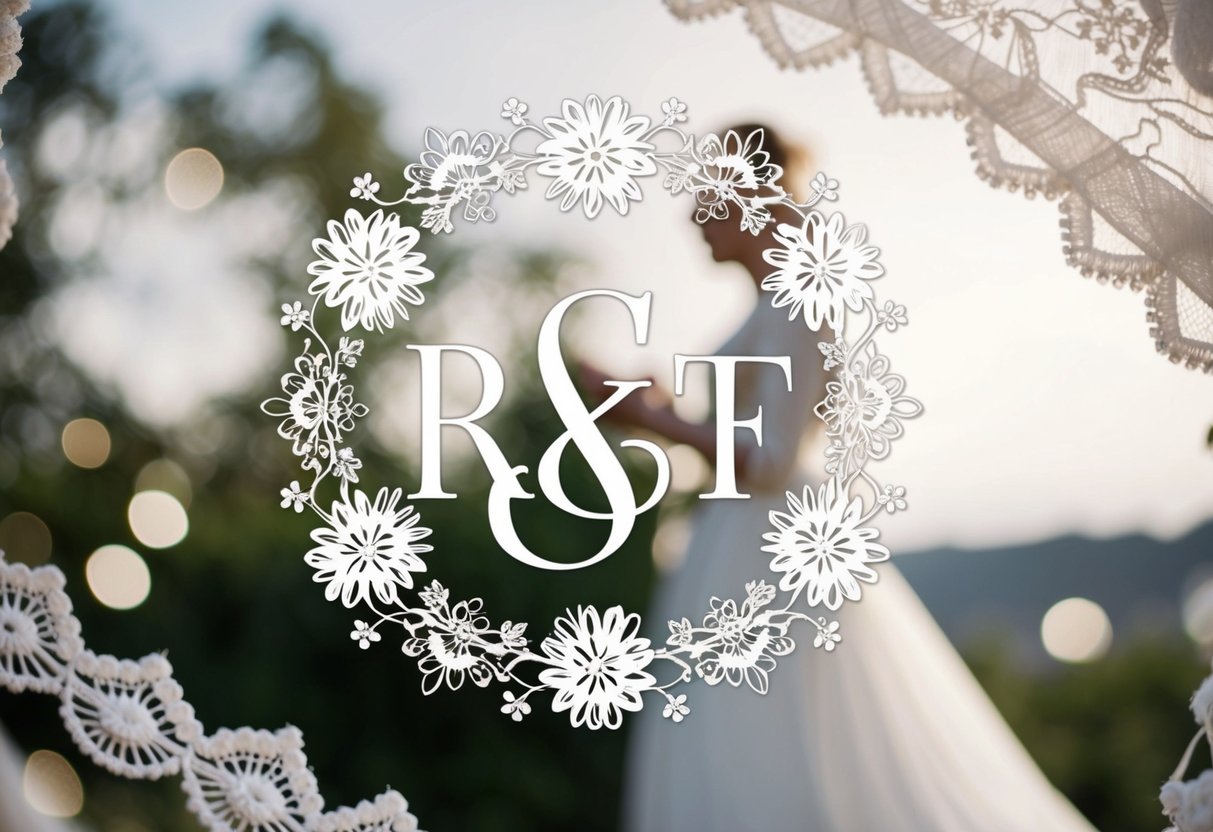
Creating your wedding stationery is a fun way to express your personality as a couple. Focusing on details like monograms and the order of initials can help make your invites and other wedding materials unique.
Monogram Basics and Etiquette
When designing a monogram, the traditional format consists of three initials: the bride’s first initial, the couple’s last name in the center, and the groom’s first initial. For example, if Jane Johnson marries Tom Smith, her monogram would look like this: JJS.
Monogram etiquette suggests that the bride’s initial appears first for married couples. This can be a lovely nod to tradition while still reflecting your personal style. For same-sex weddings, you two might choose to follow this format or opt for a joint monogram, where both partners’ initials are interwoven without a specific order.
Order of Initials on Wedding Essentials
Deciding on the order of initials can feel tricky, but it mostly comes down to your preference. For printed items like wedding stationery, cocktail napkins, and wedding favors, the order often shows how you want to present your partnership.
For married couples, place the bride’s initial first, the last name in the middle, and the groom’s initial last. If you prefer equality in a same-sex wedding, consider using initials side by side. This way, you can create an inviting feeling right from your save the date to the thank-you notes, ensuring all your wedding essentials look cohesive and balanced.
Finalizing the Details of Your Wedding Day
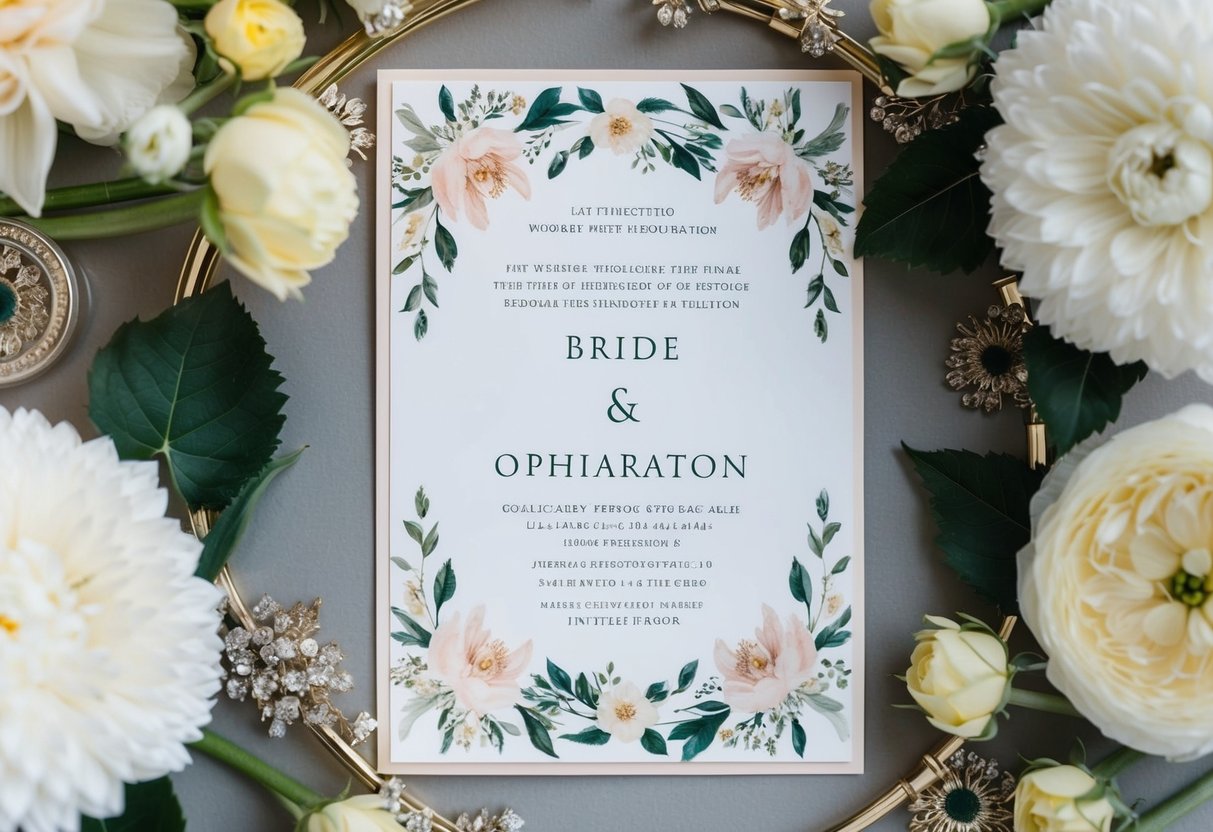
As you prepare for your wedding, it’s essential to focus on the important details that will make your day special. Planning means ensuring that guests know when and where to celebrate, along with crafting a beautiful theme that reflects your style.
Communicating the When and Where
Clear communication is key. Start by choosing your wedding date, which sets the stage for everything else.
You’ll want to send out invitations that include the date and time, ceremony venue, and reception details.
Make sure your invitations are clear and inviting. A simple layout works best. For example:
- Who: Names of the bride and groom
- When: [Date and Time]
- Where: Ceremony venue and reception address
Consider using online tools for RSVP tracking. This helps you manage your guest list and ensures everyone knows the logistics.
Creating a Cohesive Wedding Theme
A cohesive wedding theme ties everything together. Choose elements that reflect your personality as a couple. This includes colors, flowers, and decorations that match the mood you want to create.
Start by considering your wedding location. Does it have a formal or casual setting? This will guide your choices. For example, a beach wedding might inspire nautical colors and relaxed decor, while a ballroom calls for elegance.
Develop a consistent palette throughout your decorations, invitations, and attire. Include personal touches, like a unique cake design or custom favors. Each detail adds to the overall experience for you and your guests.