
Whose Mother Is Seated First at a Wedding? A Guide to Seating Etiquette
At a wedding, understanding the seating order can seem complicated. In most traditional weddings, the groom’s mother is seated before the bride’s mother. This moment helps set the tone for the ceremony and shows respect for both families.
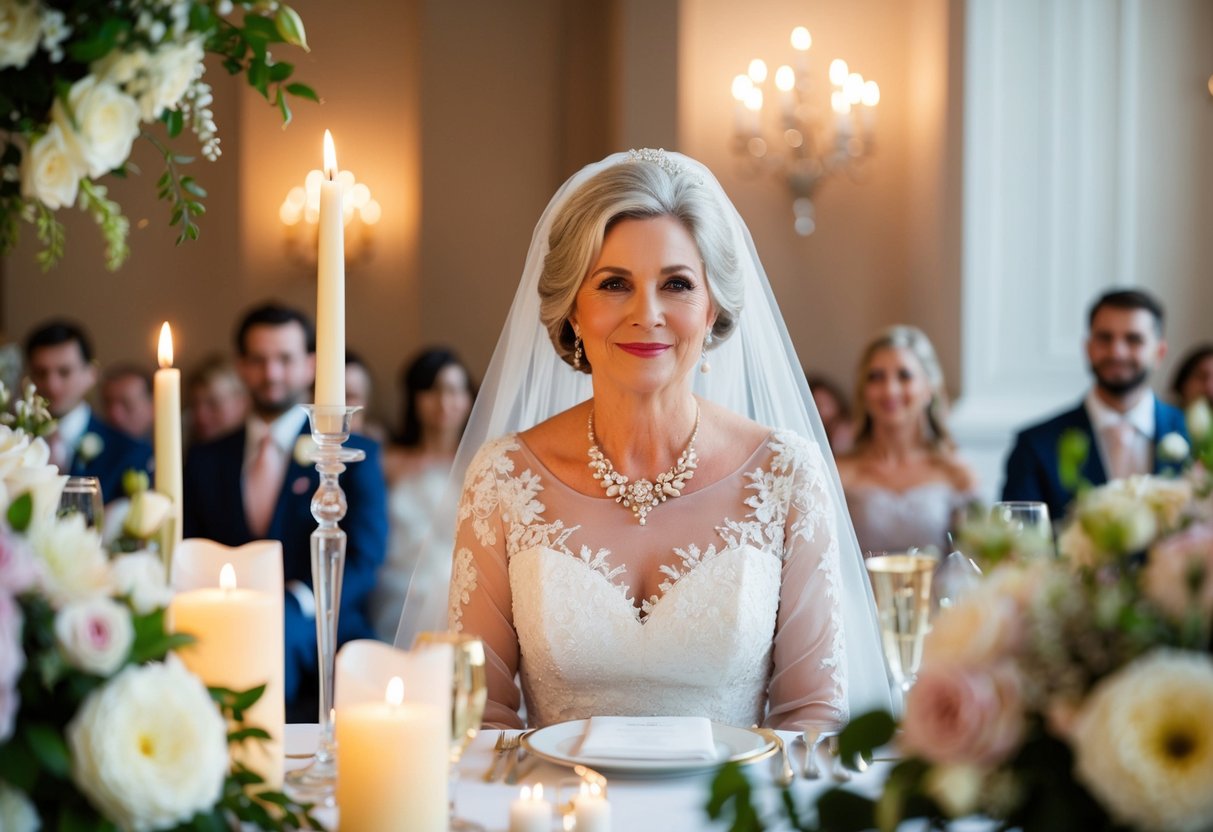
Whether you’re planning a traditional ceremony or a more modern event, knowing whose mother walks in first is an important detail. It reflects not just the couple’s wishes but also cultural values and family traditions.
As you plan your wedding, consider how these small moments contribute to the larger picture of your special day. The seating order is just one of many planning basics you’ll want to think about to create a memorable experience for everyone involved.
Wedding Ceremony Fundamentals
When planning a wedding, understanding the structure of the ceremony is important. The order in which people are seated and how the processional is organized can reflect cultural traditions and personal preferences.
Traditional Wedding Processional Structures
In a traditional wedding processional, the order usually begins with the officiant followed by the groom. After them, the grandparents often walk down the aisle, followed by the groom’s parents.
The bride’s mother typically enters last, just before the bridal party. This structure is common in many weddings, including Christian and Catholic ceremonies, where family unity is highlighted.
For example, in a Jewish wedding, the parents of both the bride and groom are often seated first, emphasizing their roles in the event. Each wedding may have slight variations based on personal choices or specific cultural customs.
Modern Variations and Cultural Differences
Modern weddings often reflect personal or cultural variations in the processional order. In many nondenominational ceremonies, you may see both mothers seated together, breaking the traditional order.
Hindu weddings also have unique elements. For instance, the groom arrives with his family in a lively procession known as the baraat, which sets the tone before the formal ceremony begins. Each culture brings its own traditions, which can alter the seating arrangements.
Understanding these differences can help you create a meaningful ceremony that honors your background and beliefs.
The Role of the Officiant
The officiant plays a crucial role in guiding the ceremony. This person sets the tone and pace, ensuring everything flows smoothly. From welcoming guests to coordinating the processional, their responsibilities are vital.
In many religious traditions, the officiant may have specific rituals to follow. For example, in a Catholic wedding, the officiant may lead prayers and readings that are significant to the faith. In contrast, a nondenominational officiant may focus more on personal vows and storytelling.
Choosing the right officiant can greatly affect the overall atmosphere of your wedding. Make sure you feel comfortable and aligned in vision with whoever you choose.
Seating Arrangements and Etiquette
When planning seating arrangements for a wedding, it’s important to understand the etiquette that guides this process. You want to ensure that family dynamics are respected while creating a warm and welcoming atmosphere.
Order of Seating for Family Members
Traditionally, the mother of the bride is seated first at the wedding. This act acknowledges her important role in the ceremony.
Next, the groom’s parents are typically seated on the right side in the first row. This placement signifies the groom’s family presence and importance.
Following them, the bride’s parents sit in the first row on the left side. This division emphasizes the equal significance of both families during the ceremony.
It’s crucial to communicate this order ahead of time to avoid confusion during the event.
Special Considerations for Divorced and Stepparents
Seating arrangements can become more complex if parents are divorced or remarried. It’s essential to consider everyone’s feelings in these situations.
If the bride’s parents have divorced, you might seat them in different rows but at a respectful distance. If stepparents are involved, include them by seating them close to their partners while maintaining the traditional seating.
You can also ask all parties for input on seating arrangements if relationships are tense. This helps create a more supportive environment for everyone involved.
Seat Placement for the Mother of the Bride
The mother of the bride has a honored position at the wedding. She usually takes her seat right before the ceremony begins, often participating in the processional.
By seating her first, you highlight her role in the festivities. Ensure she has a good view of the ceremony while also feeling comfortable.
Consider placing her nearby close family to provide support and comfort. It’s a way of honoring her without making the day feel overly formal.
Thoughtful seat placement fosters a sense of closeness and celebration, enhancing the special occasion.
The Bridal Party’s Role During the Processional
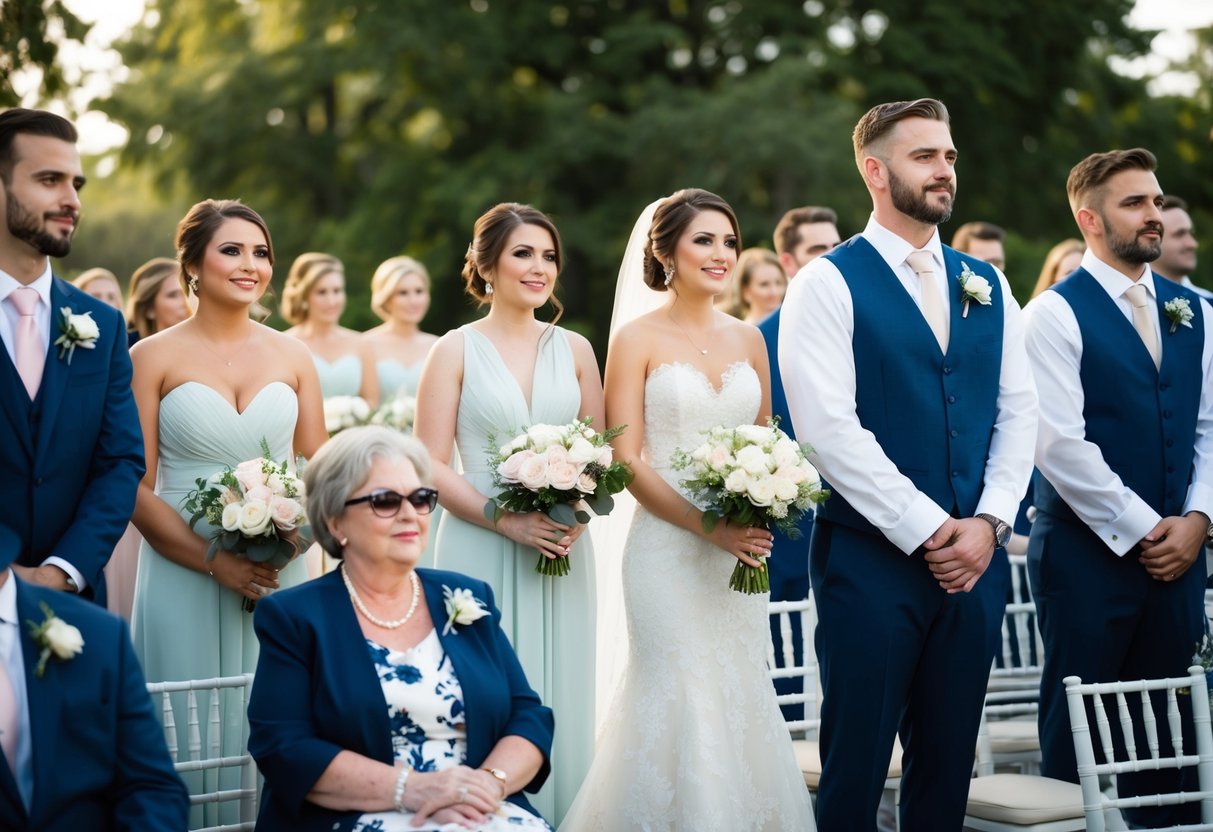
Your bridal party plays a vital role during the wedding processional. Understanding their responsibilities helps everything go smoothly and makes the event more special.
Responsibilities of Bridesmaids and Groomsmen
Bridesmaids and groomsmen are key members of your wedding party. They usually walk down the aisle in pairs or individually, following the wedding party order.
Bridesmaids typically walk before the bride, showcasing their dresses and adding to the atmosphere. Groomsmen, on the other hand, walk after the groom to stand at his side.
Their main job is to support you, ensuring you feel relaxed. They may also assist with arranging flowers or fixing attire before the ceremony. Remember, their presence is meant to uplift and celebrate your big day.
Special Roles: Flower Girls and Ring Bearers
Flower girls and ring bearers hold special places in the wedding processional. These young participants often add charm and joy to the ceremony.
The flower girl usually walks ahead of the bride, scattering petals along the aisle. This moment often captivates guests, highlighting the theme of love and joy.
The ring bearer follows, carrying the rings in a special box or pillow. This task symbolizes the promise of marriage. Both roles are not only cute but also meaningful, representing innocence and hope for the couple’s future.
Positions of the Maid and Matron of Honor, Best Man
The maid or matron of honor and best man have crucial duties during your wedding. They lead the bridal party in the processional, stepping forward after the bridesmaids and groomsmen.
The maid of honor stands beside you during the ceremony, offering support and holding the bouquet when needed. If she’s the matron of honor, her married status adds to her role’s significance.
The best man stands next to the groom, often giving a speech during the reception. He may also need to keep the rings safe until the ceremony begins. These roles help deepen the emotional connections at your wedding, making the day unforgettable.
Creating Memorable Moments
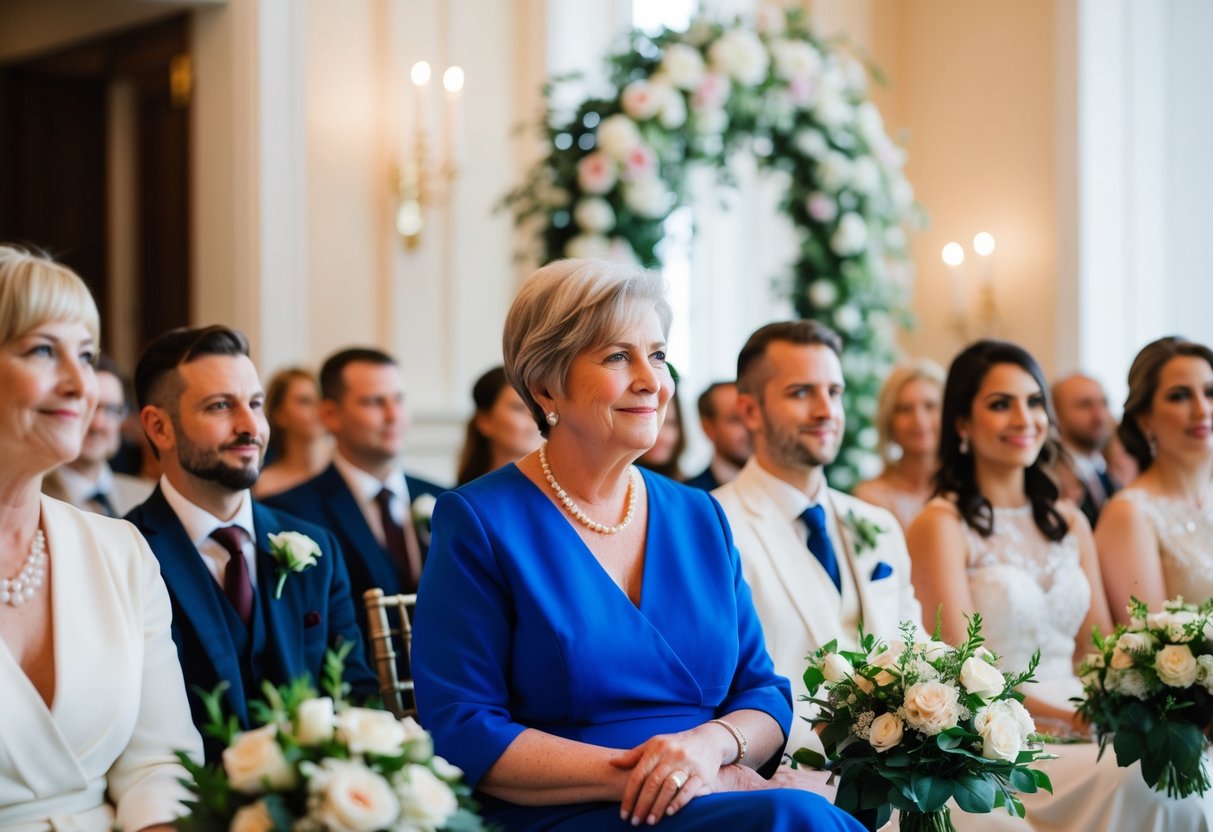
Making the ceremony special starts with the little details. It’s important to create moments that honor family dynamics and celebrate relationships. Think about unique ways to involve both mothers and how to enhance the emotional atmosphere of the wedding.
Unique Escort Ideas for the Mother of the Bride
When thinking about escort ideas for the mother of the bride, creativity can add a personal touch. You might consider having her escorted by a special family member or friend who holds significance in her life.
Another option is using a fun theme. For example, if you both love music, a live musician could accompany her. This adds a charming atmosphere as she walks down the aisle.
Finally, don’t forget about her attire! A matching boutonniere or floral accessory can make her feel extra special and show your love and appreciation.
Seating for Emotional Impact
The seating arrangement can greatly affect the atmosphere during the ceremony. Positioning the mother of the bride in a prominent spot emphasizes her important role and creates a heartfelt moment.
You can also create a special seat for the groom’s mother nearby. This will foster unity and can evoke emotional moments between both families.
Using reserved signs or special decorations can highlight these seats, making them stand out. This small detail can enhance the overall feel of the ceremony and brings everyone together.
Incorporating Family Dynamics and Same-Sex Weddings
Wedding seating is greatly influenced by family dynamics. When planning, make sure to be mindful of relationships and past experiences.
For same-sex weddings, it’s crucial to honor both families equally. You can choose to seat both mothers at the front or allow them to walk down the aisle together.
Creating special moments for both sets of parents can strengthen family ties. Consider including family rituals that reflect your shared values. Personal touches can help bridge gaps and make all guests feel honored and included in the celebration.