
Whose Name Comes First in a Couple? Exploring Traditions and Modern Preferences
The question of whose name comes first in a couple can seem tricky at times. While traditions exist, they can vary based on personal preferences and family dynamics.
In many cases, the bride’s name is listed first, especially if her family is hosting the event.
As you prepare invitations or announcements, remember that there are no hard and fast rules. You might choose to list names alphabetically for a balanced approach, or consider whose relationship with your guests is closer.
This flexibility allows you to make a choice that feels right for you both.
Understanding these options can help you navigate this decision smoothly. You’ll find that what’s most important is how you and your partner want to present yourselves to the world.
Understanding Wedding Invitation Traditions
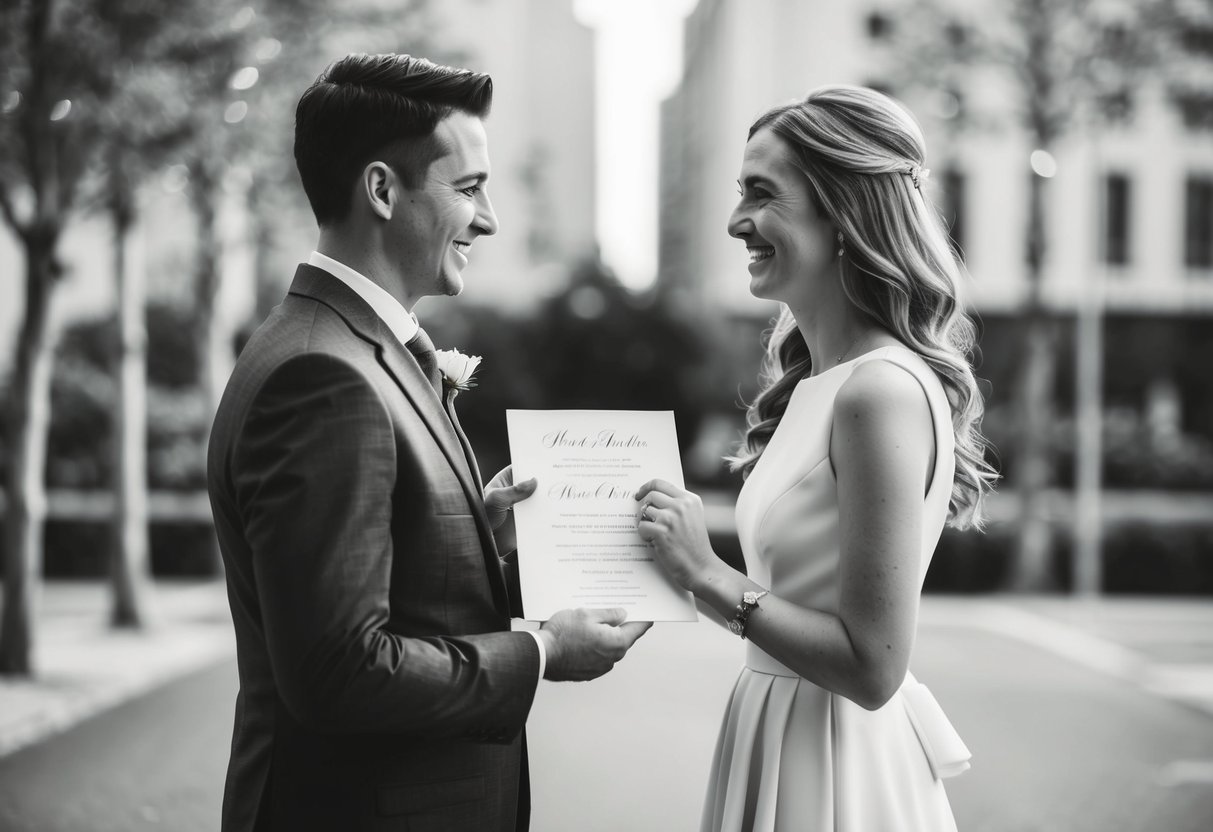
When planning your wedding, paying attention to the order of names on your invitation is essential. Traditions and etiquette can guide your decision. Here’s a closer look at what influences name order.
Historical Context of Name Order
The order of names on wedding invitations often reflects historical norms. Traditionally, the bride’s name appears first. This practice comes from the idea of honoring her family and their role in the marriage.
In the past, formal weddings emphasized a clear hierarchy. Listing the bride’s name first signified respect for her family’s contribution. However, cultural shifts have changed this tradition. Couples now sometimes choose to list names based on personal preference or in alphabetical order for equality.
This evolution shows how wedding planning can adapt over time. Understanding this background can help you decide what feels right for you.
Traditional Etiquette and Modern Approaches
Following traditional etiquette is important for many couples. Specific guidelines have developed over the years. For formal weddings, it’s common to have the bride’s name listed first, often accompanied by titles like “Ms.” or “Miss.”
However, modern approaches allow for more flexibility. For example, you might opt for alphabetical order or alternate names based on personal significance.
Using resources like the Miss Manners Guide can be helpful for navigating these choices. The key is to create invitations that reflect your unique bond while respecting the guidelines that matter to you.
The Role of Personal Preferences and Cultural Norms
Deciding whose name comes first on wedding invitations can be influenced by personal choices and cultural expectations. Your relationship dynamics and family history may play significant roles in this decision.
Same-Sex Couples and Equality in Name Placement
For same-sex couples, the placement of names can symbolize equality. Many couples choose to list their names in alphabetical order or alternate name placements on various occasions. This choice reflects the values of partnership and mutual respect.
Open communication is crucial in this process. Discuss your preferences openly to ensure both partners feel valued.
Whether you decide to follow traditions or invent your own, the most important factor is that the decision resonates with your relationship.
Cultural Traditions and Family Dynamics
Cultural traditions often impact this name placement decision. In some cultures, it is customary for the groom’s name to appear first.
Family dynamics can influence this, too. Some families may have specific expectations about how names should be listed. Understanding these traditions can help you navigate decisions that honor your background while fitting your modern relationship.
Balancing these factors allows for a choice that reflects both your heritage and your equal partnership.
Practical Aspects of Wedding Invitation Etiquette

When planning your wedding invitations, it’s essential to consider how to address and word them properly. This ensures respect and inclusivity for everyone involved, while also reflecting your style as a couple. Here’s what you need to know.
Addressing with Respect and Inclusivity
Addressing your wedding invitations correctly shows respect for your guests. If you are inviting married couples, use both last names, like “Mr. and Mrs. Smith” or “Mr. John Smith and Mrs. Jane Doe.”
For unmarried couples, you can use “Mr. John Smith and Ms. Jane Doe.”
If guests have different last names, make sure to include both. Also, consider using titles like Dr. or Professor, if applicable.
When inviting family members, use first names for a more casual tone, such as “Uncle Tom and Aunt Sarah.” It’s important to be mindful of middle names. Including them can add formality, especially on formal invitations.
The Craft of Wedding Invitation Wording
Wording your invitations sets the tone for your wedding. Start with a clear invitation phrase, like “The honor of your presence is requested…” or “You are cordially invited…”
When you include names, traditionally, the bride’s name precedes the groom’s. For example, “Jessica Marie and John Doe request the pleasure of your company.”
If you want to be modern or reflect different preferences, feel free to switch this up.
For same-sex couples or those with unique family structures, simply reflect what feels right for you. Always ensure clarity about the event date and location.
Including R.S.V.P. details is crucial for planning, so remember to add that as well.