
Whose Name Goes First, Husband or Wife? Exploring Naming Traditions in Marriage
When addressing a couple, you may have wondered whose name should come first, the husband’s or the wife’s. Traditionally, the husband’s name goes first, but nowadays, either order is acceptable. This topic can often spark lively debates among friends and families, especially during special occasions like weddings or holidays.
Understanding these nuances can help you feel confident in your choices when writing invitations or sending greetings. You might be surprised to learn that preferences can vary based on culture, tradition, and personal views.
As you read on, you’ll discover helpful guidelines that make this decision easier and more thoughtful.
Cultural and Historical Context
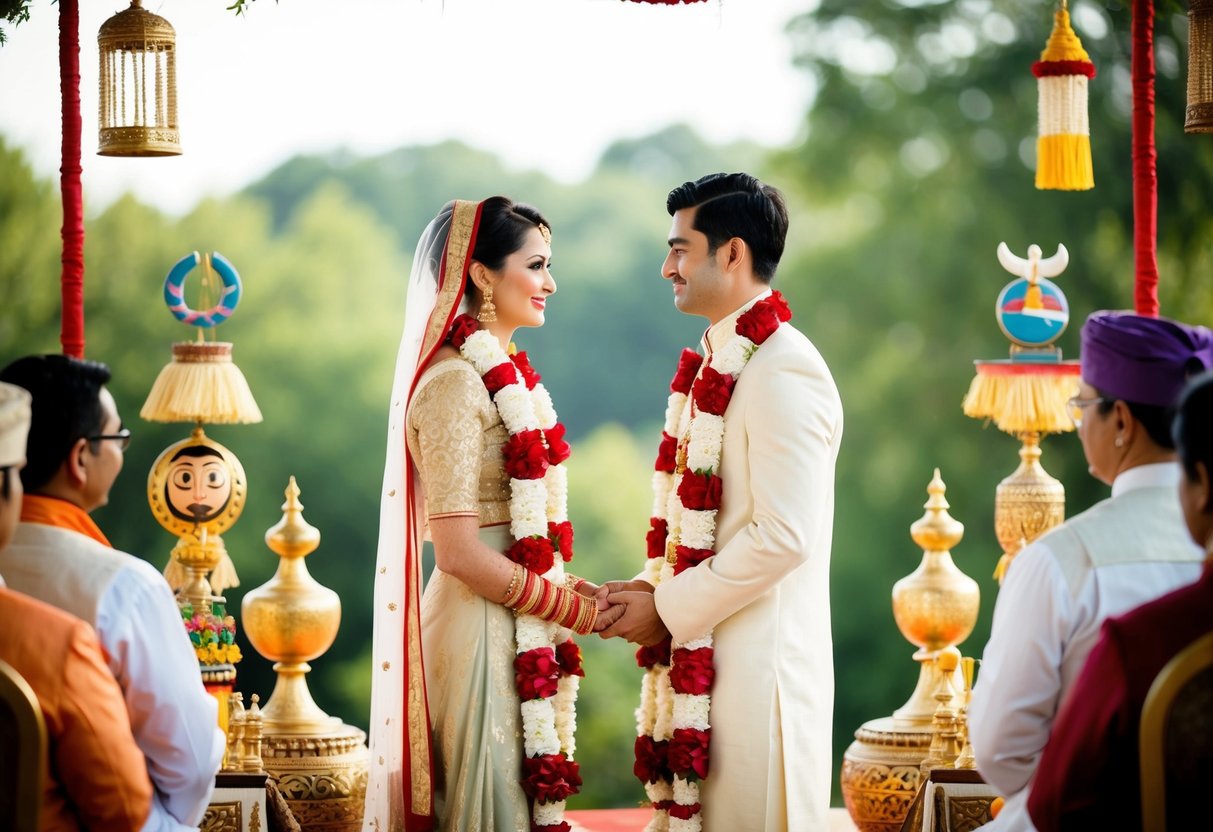
Understanding the cultural and historical context of name order can help you navigate etiquette more easily. This section looks at how traditions have evolved over time and how different cultures approach this topic.
Etiquette Origins and Changes
Traditionally, etiquette rules often placed the husband’s name first in formal settings. This followed a long-standing custom where men were seen as the head of the household. In many documents, you would see “Mr. and Mrs. John Smith.” However, as gender roles have evolved, so have name conventions.
Today, you might find couples choosing to combine their names or alternate who goes first. This change reflects a growing emphasis on equality in relationships.
Variations Across Cultures
Cultural backgrounds play a significant role in name ordering.
In Western cultures, it is common for the wife’s name to follow the husband’s in formal situations.
In contrast, many Asian cultures list the family name first. For instance, in Chinese traditions, the surname precedes the given name, which reflects a deep respect for family lineage.
In some cultures, like in certain African communities, both names may be merged to highlight the union. This variation shows that name order is not just about preference, but also about reflecting cultural values.
Convention and Etiquette

When addressing couples, conventions can vary between professional and social settings. The order of names often reflects personal preference, but there are norms that many people follow. Understanding these conventions can help you navigate name usage in both formal and informal situations.
Professional and Social Considerations
In professional settings, traditional etiquette usually places the husband’s name first. For example, in business correspondence, you might see “Mr. and Mrs. John Smith.” This reflects longstanding norms.
However, in social situations, it is often more acceptable to list the name of the person you know better first, showing consideration for personal relationships.
When writing invitations or announcements, consider the audience. For formal occasions, traditional conventions may apply. In casual settings, using first names or listing them alphabetically might feel more natural and inclusive.
Influence of Maiden Name
The use of a maiden name can also influence how names are listed. Many women choose to keep their maiden names professionally. In such cases, you might see “Dr. Jane Doe and Mr. John Smith” instead.
Using a maiden name can signal personal identity and professional achievements. It’s important to respect individual preferences regarding name usage. If a couple has differing last names, it’s best practice to write them both instead of defaulting to one name.
Being aware of these preferences can show respect and understanding in your interactions.
Practical Applications

Knowing whose name goes first can help you when addressing invitations, letters, and thank-you notes. This section covers how to apply these guidelines in both formal and informal contexts.
Formal and Informal Addresses
When addressing formal invitations, such as to a wedding, it’s common to list the husband and wife’s names as “Mr. John Smith and Mrs. Jane Smith.” This follows traditional etiquette.
If you know one person better, you might choose to put their name first, such as “Jane and John Smith.”
For informal settings, such as a casual dinner, you can simply use first names. In this case, “Jane and John” works well. It helps to keep things friendly and light.
When unsure, remember that listing the wife’s name first is often seen as more modern. There are no strict rules, so feel free to choose what feels right for you and your situation.
Social Stationery and Thank-You Notes
Social stationery applies to how you address envelopes and notes. In formal situations, it’s nice to stick with “Mr. and Mrs.” followed by the husband’s full name. For example, “Mr. and Mrs. John Smith” is a classic format.
When sending thank-you notes, you can also personalize your approach. If you know the couple well, write “Dear Jane and John,” which feels warm and personal. For more formal notes, you might stick to “Dear Mr. and Mrs. Smith.”
Don’t forget to express your gratitude clearly, whether in a formal or informal way. Tailoring your message to the relationship you have with the recipient makes a big difference.