
Whose Name Goes First in a Wedding Ceremony? A Guide to Traditions and Etiquette
Choosing whose name goes first during a wedding ceremony can feel like a big decision. Traditionally, the groom’s name often comes first, but this is changing with many couples opting for what feels right for them. Your unique relationship should shine through, and both partners should feel equally represented in this special moment.
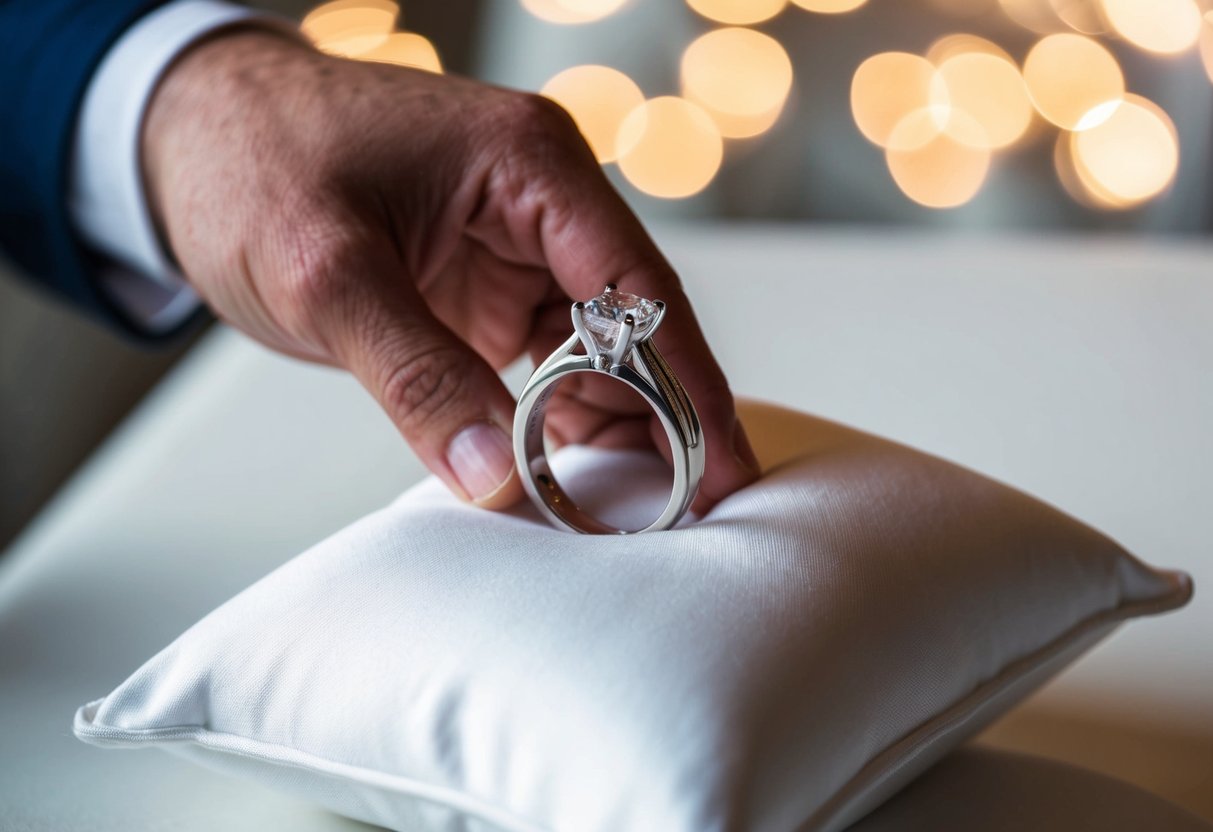
As you plan your wedding weekend, consider what matters most to you. Whether it’s about honoring family customs or making new traditions, the order of names can reflect your personal preference. Some couples even choose to say their vows together, symbolizing equality and partnership.
Remember, this is your day, and it’s all about what feels best for you both. Don’t hesitate to break away from tradition if it aligns with your values and relationship. Celebrate your love in a way that is uniquely yours!
Traditions in Naming Order
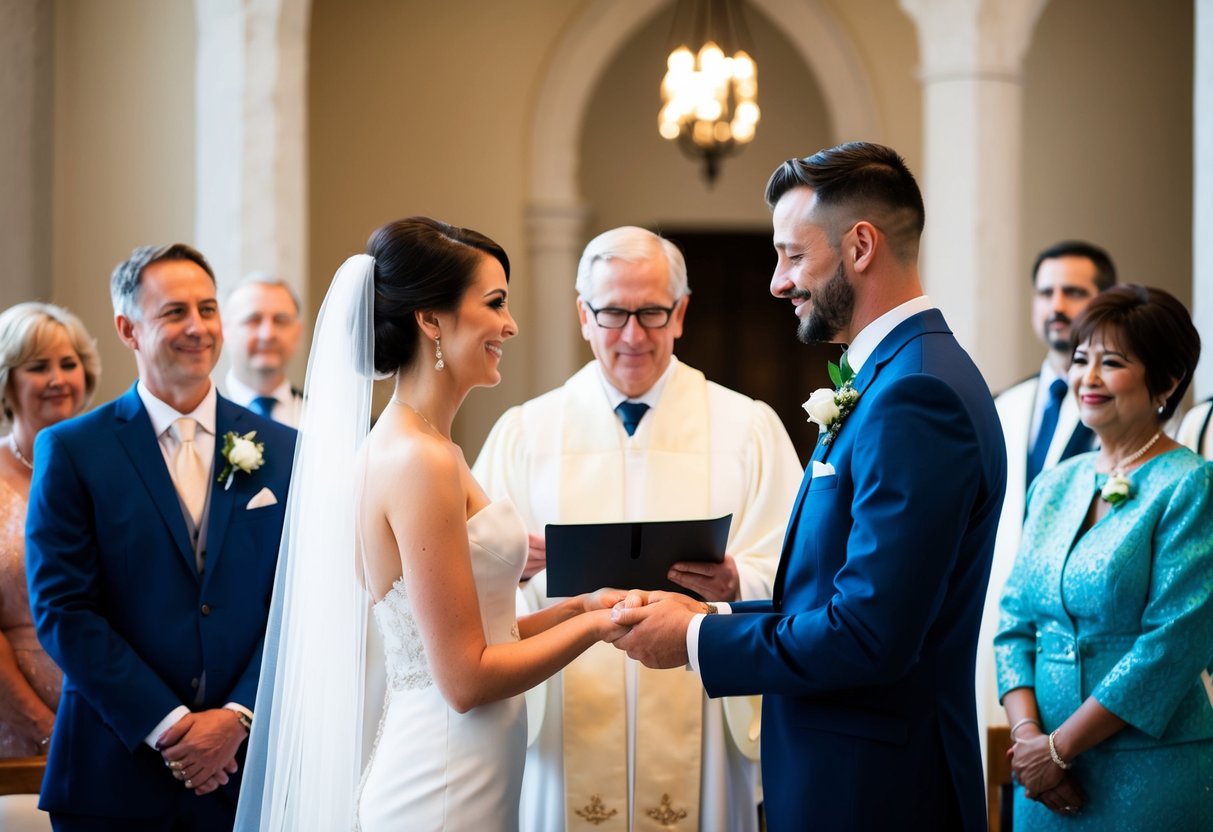
When planning your wedding, the order of names can play a significant role in how you express your commitment. Different cultures have their own traditions, and understanding them can help you find what suits you best.
Western Ceremony Traditions
In Western traditions, it’s common for the groom’s name to come first in wedding vows. This reflects historical customs linked to patriarchal values. You might see this in wedding invitations, where “Mr. and Mrs. John Smith” is a typical format.
However, couples often personalize this choice. Some opt for alphabetical order or choose to say their vows together, stressing equality. It can add a meaningful touch to your ceremony. Ring exchanges follow the vows, reinforcing this commitment between you.
Incorporating your names into wedding cards can also mirror your preferred naming order, showcasing your unique love story.
Eastern Ceremony Traditions
In Eastern cultures, the calling of names often aligns with ceremonial practices rich in symbolism. Many traditions emphasize the bride’s name alongside the groom’s, reflecting a partnership.
For example, during some ceremonies, attending guests hear the couple declare the “seven promises of marriage.” This fosters a spirit of equality and commitment.
The naming order also extends to wedding invitations. Here, both names might be featured prominently, highlighting mutual respect.
You can blend these traditions with a personal touch, making your wedding day reflect both your backgrounds and love. This thoughtful approach ensures a touching start to your life together.
Customizing Your Ceremony
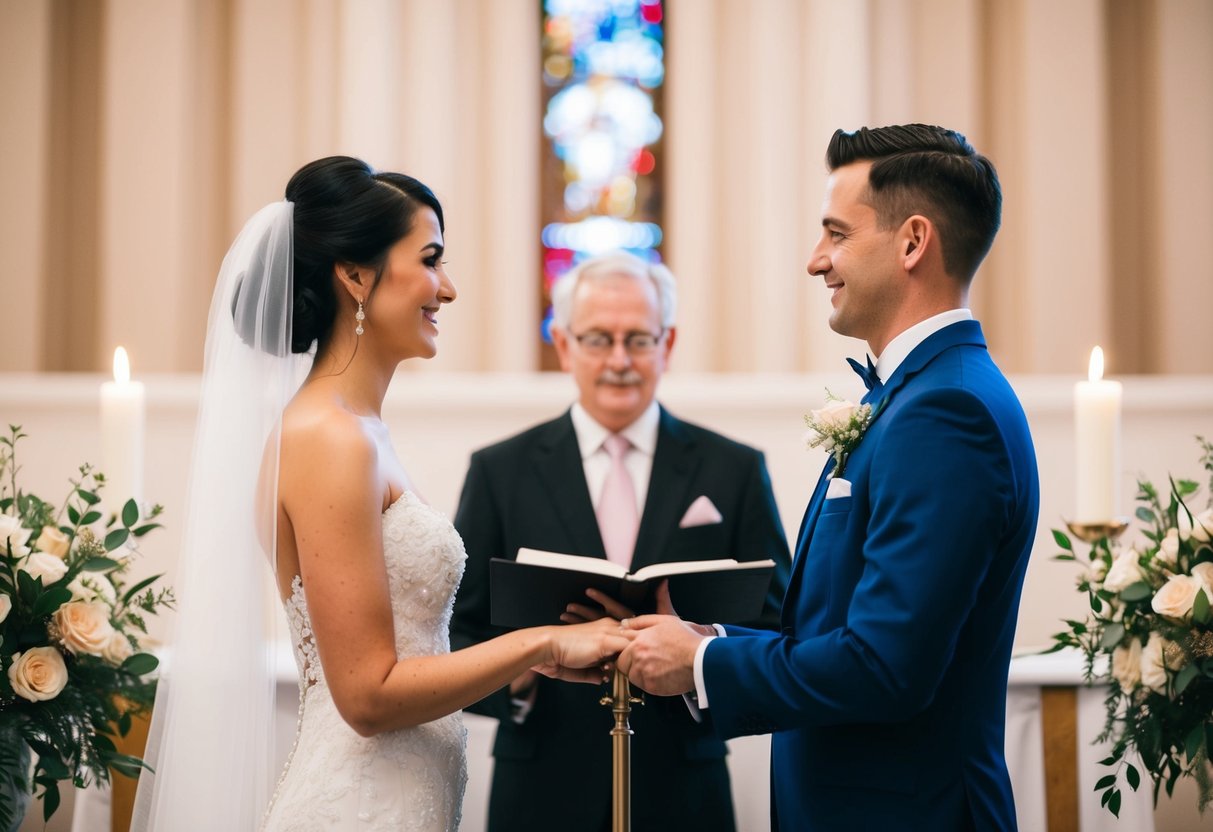
Your wedding ceremony is a chance to express who you are as a couple. You can choose how to reflect your commitment, values, and personal preferences throughout the event. This creates a unique experience for both you and your guests.
Same-Sex Couple Considerations
For same-sex couples, planning your ceremony can include a range of beautiful options. You might decide whether to list names in any order, based on what feels right for both of you. Modern etiquette doesn’t dictate a specific order anymore, allowing you to prioritize your personal preferences.
Additionally, consider the roles of family and friends. You may want your maid of honor to play a key part in the ceremony. This choice could further emphasize the love and commitment you share with one another.
Incorporating Personal Elements
Every couple has a unique relationship, and your ceremony should reflect that. You can customize your exchange of vows to include personal stories, memories, or even quotes that hold significance for both of you. This is a perfect way to make the ceremony feel genuine and special.
Think about including personal rituals, such as lighting a unity candle or sharing a special song. These elements can enhance the emotional connection of the event. By making choices that resonate with you, your ceremony will be a true reflection of your love and commitment.
Wedding Stationery Etiquette
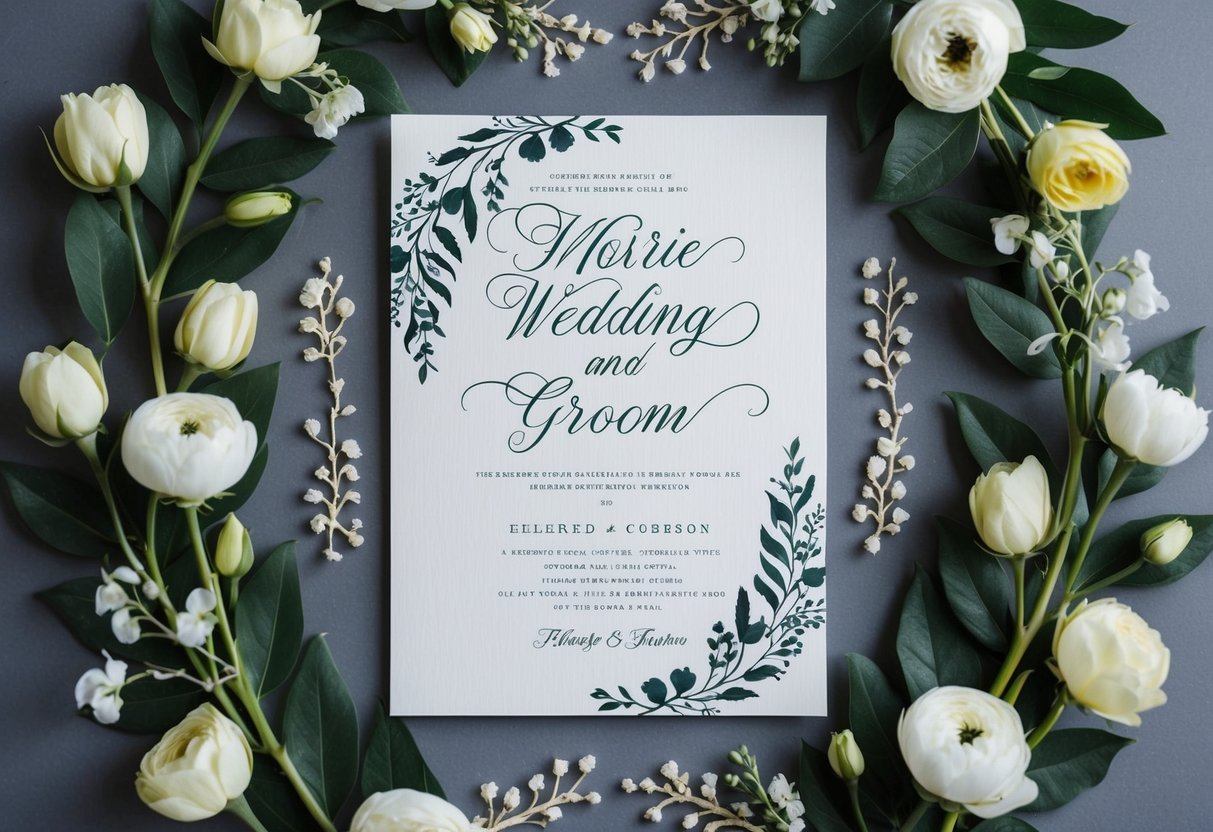
When planning your wedding, stationery plays a crucial role in setting the tone. The wording, design, and format of your invitations and other materials can convey essential details and reflect your style. Here are some important points to keep in mind.
Invitation Wording and Design
The wording on your wedding invitations should be clear and inviting. Start with your names, following any etiquette guidelines. Traditionally, the bride’s name appears first before the groom’s. Make sure to include key details like the date, time, and venue.
Don’t forget about RSVP information. You can include a quick RSVP card or direct guests to your wedding website for ease.
For the design, choose a style that fits your theme. Whether you prefer a classic, modern, or whimsical look, consistency is key across all your stationery. This also applies to save the dates and thank you cards.
Formal and Informal Stationery
Different types of stationery require different levels of formality. For a formal wedding, opt for elegant fonts and classic designs. Use traditional titles and full names for a polished feel. Key details such as the dress code should be clearly noted in this format.
For informal weddings, you can be more relaxed with your wording and design. Feel free to showcase your personality! Use fun graphics, playful fonts, or even a personal photo on your invitations. Just ensure all important details are still included, like your wedding website and RSVP instructions.
Remember, the goal is to make your guests feel welcome and excited about your big day!
Additional Wedding Details
When planning your wedding, several details help set the tone for your special day. The order of events is key. Typically, it includes the ceremony, cocktail hour, and reception. You want everything to flow smoothly.
Hotel welcome bags are a nice touch for guests staying overnight. These bags can include snacks, a water bottle, and a personalized note. It’s a great way to say thank you for being there.
Don’t forget about cocktail napkins. Customized napkins with your names and wedding date can add a fun and personal detail to your reception. Guests will appreciate this thoughtful touch.
Your grand entrance into the reception is a moment to remember. You could choose a fun song that reflects your personality. This sets the stage for a lively celebration.
Every detail counts in creating a memorable day. Pay attention to small elements to personalize your experience. Your wedding is all about you, so make it uniquely yours!