
Whose Name Goes First on a Wedding Invitation? A Guide to Proper Etiquette
When planning your wedding, you might wonder whose name should go first on the invitation. Traditionally, the bride’s name comes before the groom’s name on wedding invitations. This guideline helps set the tone for your special day and comes from longstanding customs.
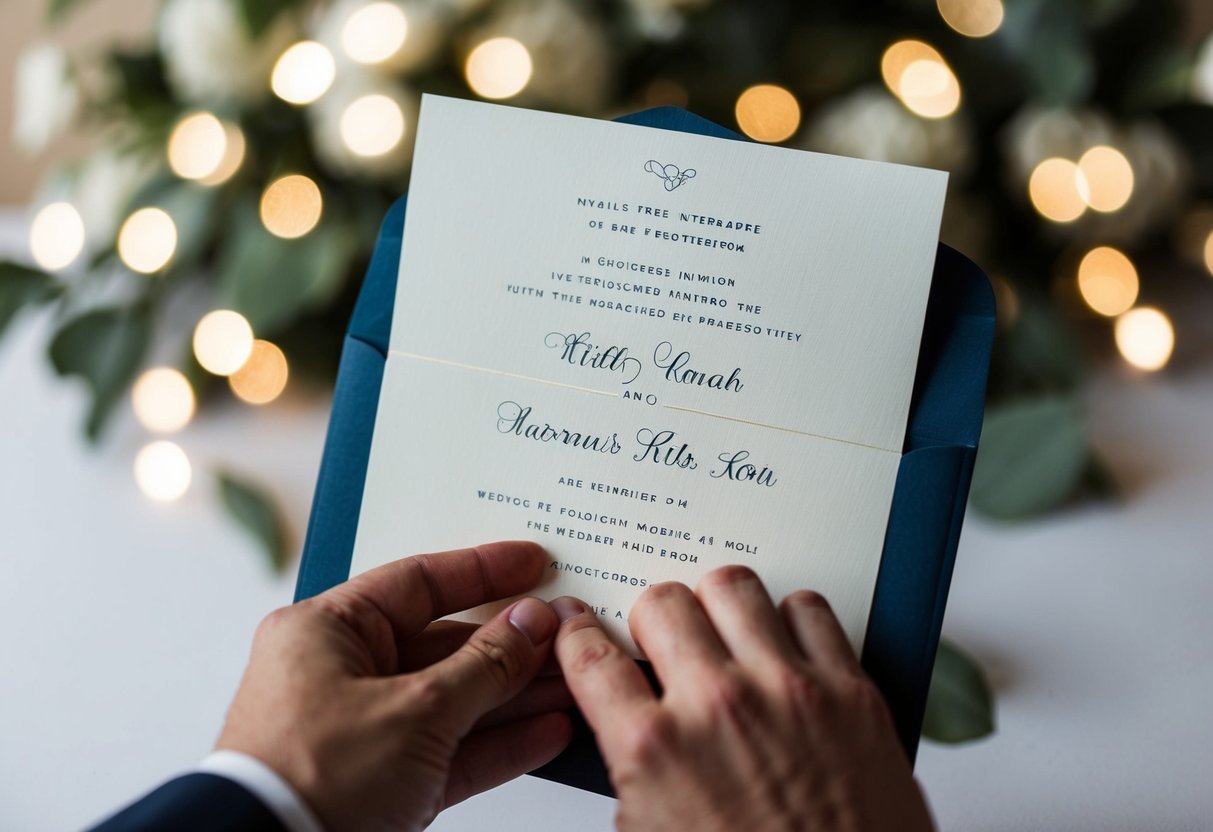
However, you should also consider your personal preferences and any cultural traditions that may influence your decision. For same-sex couples or those who want a modern twist on tradition, the choice can be more flexible. This article will guide you through the different etiquette rules and personal considerations to help you make the best decision for your wedding invitations.
Wedding Invitation Basics
When planning your wedding, understanding the specifics of wedding invitations is crucial. This includes knowing invitation wording, design, and the essential components that every wedding invitation should have.
Understanding Wedding Invitations
Wedding invitations serve as the first glimpse your guests will have of your special day. They convey important details, including the names of the couple, the date, time, and venue.
Traditionally, the bride’s full name is listed first, followed by the groom’s name. This order reflects custom and respect for tradition. If you prefer a more modern take or are a same-sex couple, feel free to choose the order that feels right for you.
Make sure to include clear RSVP instructions, so your guests know how to respond. Consider whether you’ll send a physical card or opt for a digital invitation—it’s all about what fits your style best!
Invitation Design and Components
The design of your wedding invitation plays a big role in setting the tone for your event. Choose a style that reflects your theme, whether it’s elegant, rustic, or whimsical.
Key components include the following:
- Names: Use full names for clarity and formality.
- Date and Time: Be precise in listing when the ceremony will take place.
- Venue: Include the complete address to avoid any confusion.
- RSVP details: Clearly state how and when guests should respond.
Pay attention to typography, colors, and materials used. These design elements can influence how your invitation is perceived and help convey the mood of the celebration.
Etiquette and Tradition
Understanding the rules around whose name goes first on a wedding invitation can help you honor traditions while expressing your uniqueness as a couple. Etiquette varies based on cultural norms and personal choices.
Traditional Wedding Etiquette
In traditional wedding invitation etiquette, the bride’s name typically comes first, followed by the groom’s name. This convention comes from historical practices where the bride was often viewed as the primary focus of the event.
You’ll usually see the bride’s full name listed before the groom’s. If parents are hosting the wedding, their names may also appear on the invitation, often in a host line. For example, it might read “Mr. and Mrs. John Smith request the honor of your presence…” followed by the couple’s names.
The order of names can show respect for family traditions. Always ensure that names are spelled correctly and formatted properly, as this reflects your attention to detail.
Modern Approaches to Invitation Etiquette
Today, many couples choose a more flexible approach to name order on invitations. For same-sex couples, the decision about whose name goes first is completely personal and should reflect your preferences.
Some couples opt for alphabetical order, which can eliminate any perceived hierarchy. Others choose based on personal significance, like the partner who planned the details.
You might also notice that some modern invitations drop traditional titles altogether, simply using first names. This trend encourages a more casual and intimate feel, aligning with contemporary wedding themes.
Addressing Specific Scenarios
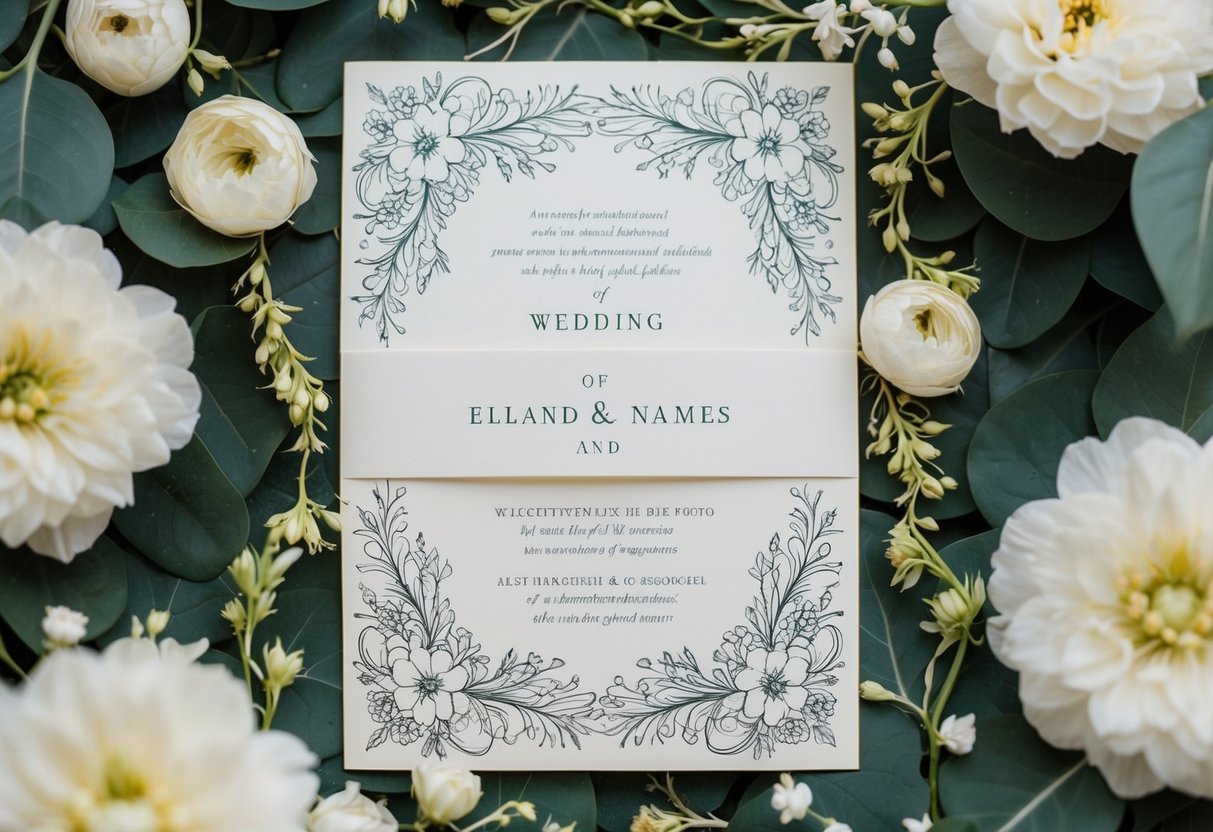
When planning your wedding invitations, consider specific situations that may influence whose name appears first. Factors like relationship dynamics, cultural norms, and personal preferences can play a significant role. Here are some insights to navigate these scenarios effectively.
Same-Sex Couples and Wedding Invitations
For same-sex couples, traditional rules may not apply. You can choose whose name goes first based on personal preference rather than customary guidelines. Many same-sex couples prefer to alternate names on invitations to reflect equality.
Here are some options to consider:
- Alphabetical Order: List names alphabetically.
- Equal Contributions: Decide based on who has contributed more to the planning.
- Mutual Agreement: Simply discuss and decide what feels best for both.
This approach allows you to create a wedding invitation that feels right for your relationship.
Family Dynamics and Open Communication
Family dynamics can influence name order on your invitations. Some families may have traditional expectations regarding whose name should come first. Discussing these expectations openly is important.
Here are tips for effective communication:
- Share Your Wishes: Explain why you prefer a certain order to your family.
- Seek Input: Ask for family members’ opinions but make the final decision together.
- Compromise: Be open to suggestions, but ensure it reflects your wishes.
Through open communication, you can strengthen family ties while making choices that suit your relationship.
Cultural and Personal Considerations
Cultural traditions can greatly affect the order of names on wedding invitations. Different cultures have specific customs that dictate how names appear.
Consider the following:
- Cultural Norms: Research any specific customs relevant to your background.
- Personal Preference: Your comfort with traditions may influence your decision.
- Blending Traditions: If you or your partner come from different backgrounds, find a way to honor both cultures.
Understanding these factors can help you create a wedding invitation that respects your backgrounds and feels authentic to you.
Final Touches on Your Invitation
When finalizing your wedding invitations, important details ensure everything runs smoothly. You want your guests to have all the information they need for a wonderful celebration.
Detailing the Reception Information
Including clear reception details is vital. Start with the date and time. This helps guests plan their day.
Next, provide the location of the reception. Be specific. Mention the venue name and address. You can even add directions or parking info, if needed.
If you’re having a reception line, let guests know what to expect. A brief mention of this can ease any confusion. Also, you might want to highlight the dress code, whether it’s casual or formal. This setting helps guests choose their attire wisely, ensuring everyone feels comfortable and welcome.
Incorporating Registry and RSVP Details
Don’t forget to provide your registry information. You can add a small note like, “Your presence is our gift” but still share where you’re registered. This ensures guests know how to contribute if they wish.
For RSVP details, be straightforward. Include the deadline and the best way to respond, like a phone number or email. Consider adding a special note for those who may have questions about the ceremony or the reception. This is an excellent opportunity to promote open communication and prevent misunderstandings.