
Whose Name Goes First on Save the Date? A Guide to Wedding Invitation Etiquette
When it comes to wedding planning, details matter. One of the most common questions couples ask is about save the date cards. Traditionally, the bride’s name goes first on a save the date. This simple choice reflects long-standing etiquette that many still follow today, but there is room for flexibility based on personal preference.
As you prepare to send out your exciting announcement, keep in mind that these cards serve as a pre-invitation. They give your guests a heads-up about the big day.
Depending on your relationship dynamics or even cultural aspects, you might choose to switch the names around.
No matter how you decide, what matters most is that your loved ones are informed and excited about joining you for your special day. After all, this is just the start of your wedding journey, with the invitation to follow soon after!
Determining Whose Name Goes First
Choosing whose name goes first on a save the date can feel a bit tricky. There are traditional guidelines to follow, as well as modern practices that have emerged, especially for same-sex couples. Knowing the rules can help you make the right choice.
Traditions and Etiquette
In traditional save the date etiquette, the bride’s name is placed first. This is a long-standing custom that emphasizes the importance of the bride in wedding planning. You typically use formal titles such as “Ms.” for women and “Mr.” for men.
For married couples, both names should be written out. Use the format of “Mr. and Mrs. John Smith.” If the couple is unmarried, you can simply include “Mr.” or “Ms.” before their names. It’s crucial to consider the titles used to show respect and adherence to etiquette.
Same-Sex Couples and Modern Practices
For same-sex couples, the rules are more flexible. You can choose to list whoever you are closest to first. This might mean placing one name ahead of the other based on your relationship or preference.
Another option is to alphabetize the names if you want to keep it neutral. This method works well when you want to avoid traditional norms. Choose a format that feels right for both partners, ensuring it reflects your relationship. It’s important that your save the date feels personal, so select what resonates most with you.
Essentials of Save-the-Date Cards
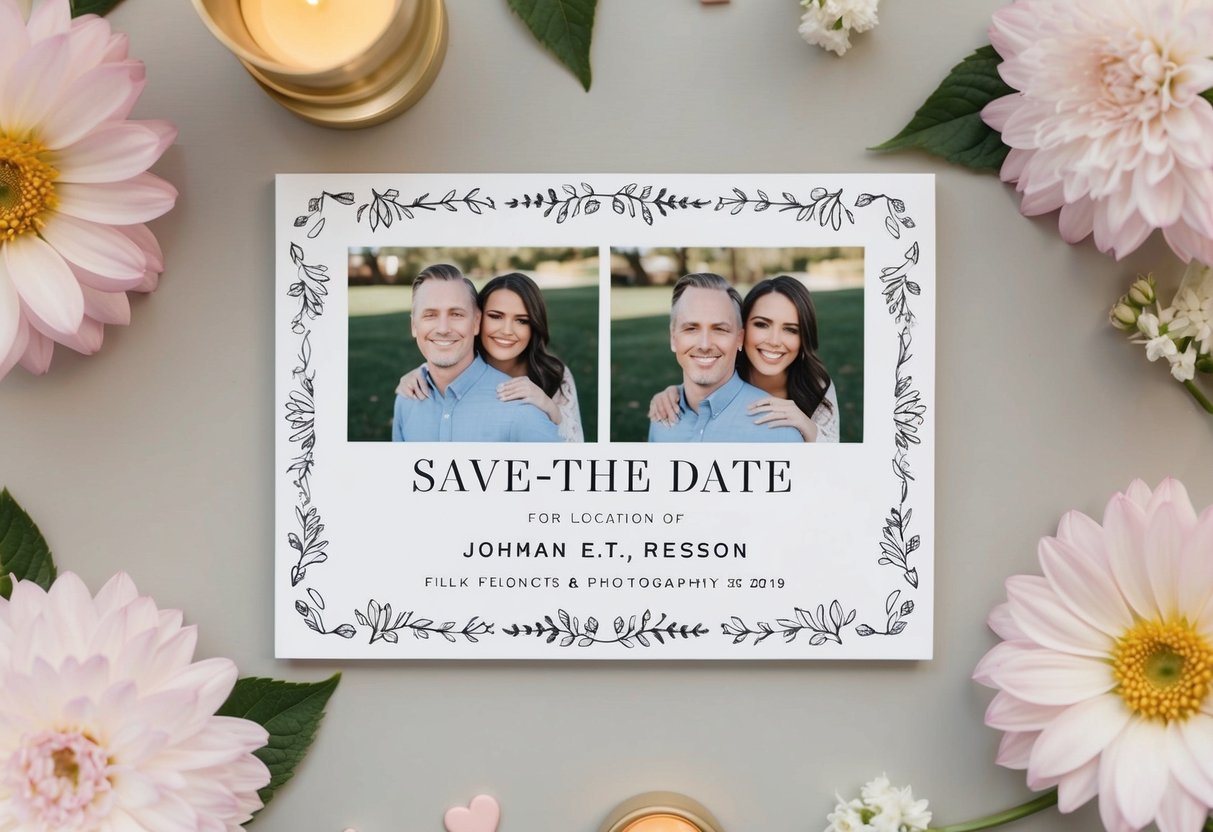
When creating your save-the-date cards, it’s important to focus on how you address your guests and the design you choose. These elements set the stage for your wedding and reflect your personal style.
Addressing and Guest Details
Addressing your save-the-date cards is key to ensuring your guests have the right information. Start by making a guest list. Include everyone you want to invite, and be sure to use their formal titles if applicable.
Typically, the bride’s name goes first, but if you are a same-sex couple or feel that another order flows better, choose what feels right.
Consider including names in a way that feels personal, such as “Ms. Jane Doe and Mr. John Smith” or “John and Alex”.
You don’t need to include RSVP info on these cards. Just make sure to mention that an invitation will follow.
Designs and Personal Touches
The design of your save-the-date cards should reflect your style. You can choose from elegant, fun, or casual themes. Think about what feels right for your wedding.
Incorporate personal touches to make your cards stand out. Use fonts and colors that match your wedding theme. Adding a favorite photo of the two of you can also make your card feel special.
Lastly, consider the materials. Whether you go for classic cardstock or a more unique material, your choice can enhance the overall look. Don’t hesitate to let your personality shine through in the design!
Integration with Wedding Invitations
When you plan your wedding, save the date cards and wedding invitations go hand in hand. They both need to reflect your style and the details of your big day.
For your save the date, you want to include key information. Make sure to mention the date, location, and your names. This will help guests prepare before the formal invitation arrives.
When crafting your wedding invitation, keep the wording consistent with the save the date. If you chose a specific design or color scheme, use that for both. This creates a nice flow and gives your event a cohesive look.
Here’s a quick checklist for your invitation wording:
- Couple’s names: Decide whose name goes first. Traditionally, the bride’s name is first.
- Date and time: Clearly state when the ceremony will take place.
- Location: Include the venue’s full address.
- RSVP details: Let guests know how to respond.
You can use a similar tone for both items. Keep it warm and inviting, as it’s an exciting announcement.
By syncing the designs and wording of your save the date and wedding invitations, you’ll ensure your guests feel connected to your celebration right from the start.
Special Considerations for Destination Weddings
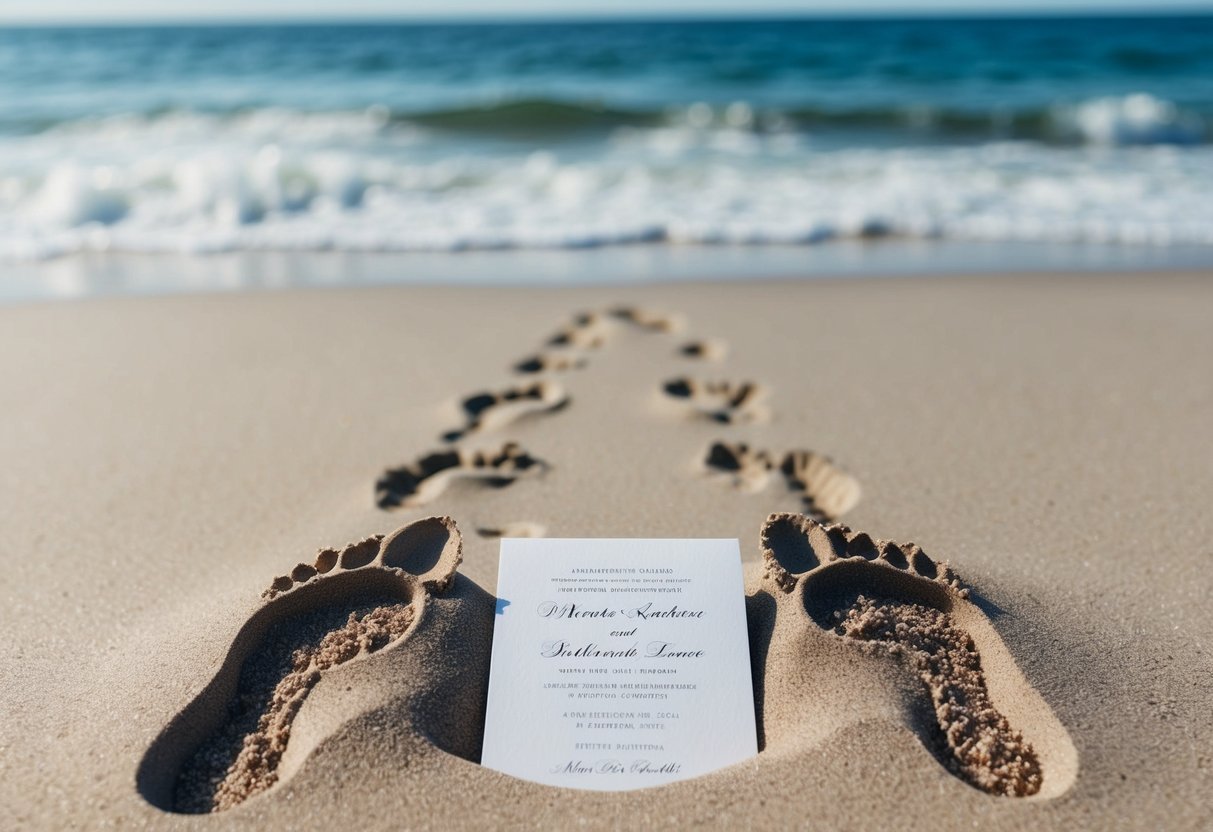
Planning a destination wedding involves unique factors. You should pay special attention to timing and accommodations. Additionally, providing extra wedding information will help your guests prepare for the big day.
Timing and Accommodations
You should send out save-the-dates earlier for destination weddings. Ideally, aim for 6 to 12 months in advance. This gives your guests ample time to arrange travel and accommodations.
In your save-the-date, include the city and country where the wedding will take place. This detail helps guests start planning their trip.
If you’ve secured accommodations at a specific hotel or resort, mention that, too. You may even provide a list of different lodging options to cater to various budgets.
Remember, guests appreciate clarity. Sending them a wedding website link can make it easier for everyone to access information.
Including Additional Information
Along with the wedding date and location, consider including registry information. This can guide guests on what gifts to choose. Having this information up front helps reduce confusion.
Also, highlight any pre-wedding events, like welcome dinners or excursions. Guests will feel more involved and can plan their itineraries better.
Finally, be clear about travel arrangements. Sharing tips on flights and local customs can enhance their experience. A well-informed guest is a happy guest!