
Whose Name Goes First on Wedding Registry? Understanding the Etiquette for Couples
When you create your wedding registry, you might wonder whose name should go first. Traditionally, the bride’s name goes first on wedding registries, just like it does on invitations. This small detail can matter when people are choosing gifts and addressing your registry.
Understanding the importance of this tradition can help you and your partner make decisions about your registry with confidence. You want your guests to feel informed and supported as they celebrate this special moment with you.
As you dive deeper into the process, knowing the etiquette can make a big difference in how you present your registry. Let’s explore the ins and outs of wedding registries and help you set things up perfectly!
The Basics of Wedding Registry Naming
Deciding whose name goes first on a wedding registry can be a personal choice influenced by tradition and modern etiquette. It’s important to understand both perspectives to make a decision that feels right for you.
Tradition Versus Personal Preference
Traditionally, the bride’s name comes first on wedding-related items. This stems from the belief that her family is hosting the wedding. When you set up your registry, you might follow this convention. Using the bride’s first name and middle name, along with the groom’s full name, is common.
If you lean more toward personal preference, consider how you both feel about the names. You can choose to have the groom’s name first or even use just first and last names. This flexibility allows you to showcase your unique relationship.
Understanding Modern Etiquette
In modern weddings, couples often break from traditional naming. Today, many choose the order based on comfort rather than convention. You can list names in the way that feels most natural for you.
Some couples opt for alphabetical order, especially if both names hold equal importance. You may also decide not to include middle names, simply listing first and last names. Remember, the goal is to reflect your partnership while respecting each other’s wishes in the process.
Wedding Invitations and Etiquette
Wedding invitations are a crucial part of your wedding planning. They not only inform guests about your big day but also set the tone and style for the event. Understanding etiquette around invitations ensures that you communicate clearly and respectfully.
The Role of Invitations in Wedding Planning
Invitations are your first official announcement of the wedding. They let guests know the date, time, and location of your ceremony and reception.
A well-designed invitation reflects your wedding style, whether modern or traditional. If you’re planning a formal wedding, sophisticated stationery works best. For more casual gatherings, you might choose fun designs.
Don’t forget to include details about dress code, venue, and any special themes. Clear invitations will help guests prepare for your celebration.
Addressing the Invitations
Addressing invitations properly is essential for wedding etiquette. You want to ensure that every guest feels valued.
Use full names and titles as appropriate. For example, use “Mr. and Mrs.” for married couples or list each person’s name for unmarried partners. In the case of same-sex weddings, list the names in the order you prefer.
For formal invitations, it’s important to add the correct address format. Handwriting each envelope lends a personal touch, so consider using calligraphy for elegant invites. Make sure to double-check spelling to avoid any mistakes.
Invitation Wording and Presentation
The wording on your invitations should include essential details—who is hosting, the couple’s names, and the venue. Start with a clear statement like “You are cordially invited to the wedding of…”
Follow this structure for clarity:
- Host(s) name(s)
- Couple’s names
- Date and time
- Ceremony venue
- Reception details
When it comes to presentation, consider using themes or colors that reflect your wedding. Whether it’s simple monogram designs or elaborate floral patterns, consistency is key.
Don’t forget RSVP details. This helps you plan effectively by keeping track of the guest count.
Registry and Communications
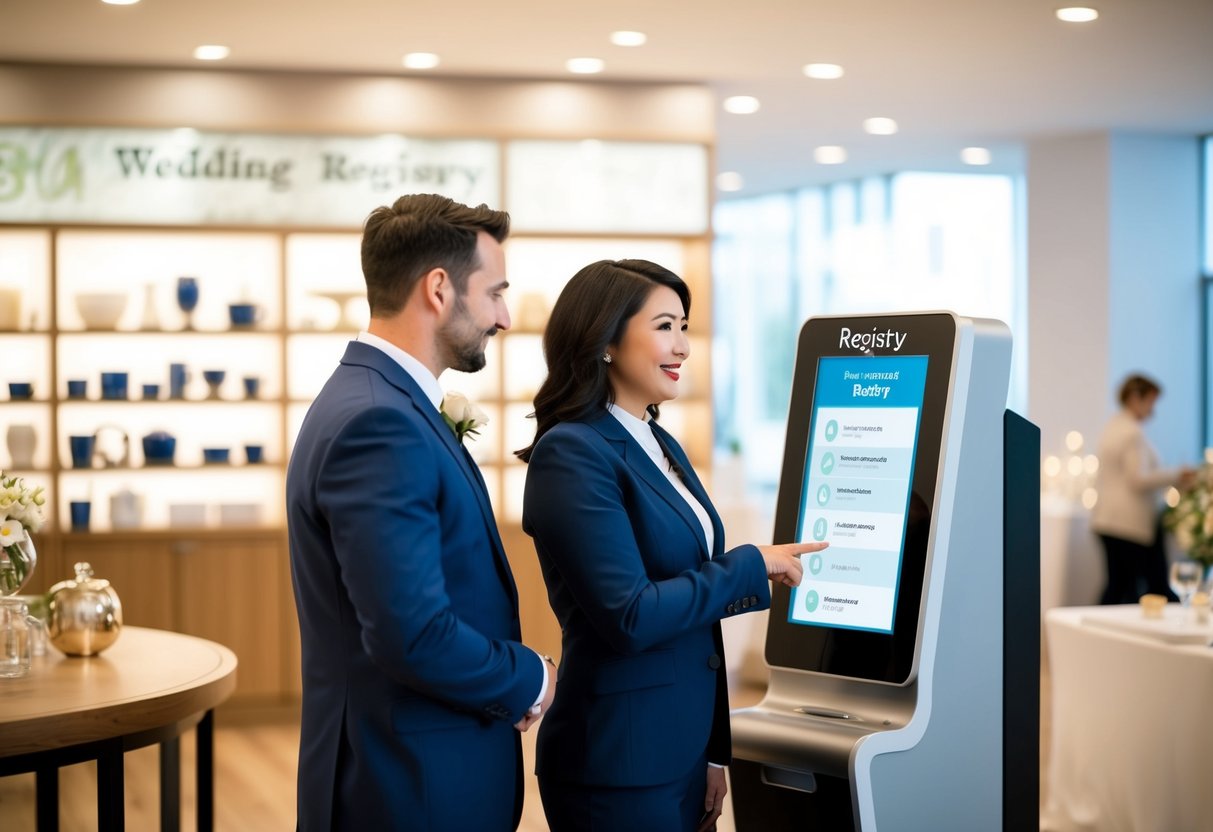
When setting up your wedding registry and communicating with guests, focus on clear information and gracious messaging. This section covers creating the registry, etiquette for save-the-date and thank-you cards, and other wedding stationery needs.
Creating Your Wedding Registry
Start by selecting a mix of items that reflect your style and needs. Include essentials like kitchenware, decor, and experiences for your guests to choose from. Make sure to share your registry details with your guests, either on your wedding website or through invitations.
You can choose various stores, offering a range of products. Consider using group gifting options for larger items. This allows several guests to chip in. Ensure that you keep your registry updated and remove items once they are purchased.
Etiquette for Save-The-Date and Thank-You Cards
When sending out save-the-dates, it’s helpful to include your registry information. You can mention it on your wedding website and provide a link. Just remember not to put registry details on the save-the-date cards themselves.
Thank-you cards should be sent out after receiving gifts. Aim to send these within three months. Make each thank-you note personal by mentioning the specific gift you received. This adds a heartfelt touch to your gratitude.
Additional Wedding Stationery
Wedding stationery includes your invitations, RSVP cards, and insert cards. Use both outer and inner envelopes for a formal touch. The outer envelope is addressed to your guests, while the inner envelope can include their names or a personalized message.
Consider creating custom insert cards to guide guests, including details about your registry or wedding website. This provides easy access to all the information they need. Make sure all your wedding stationery matches the overall theme and style of your wedding for a cohesive look.
Cultural and Personal Considerations
When planning your wedding registry, you might wonder about whose name goes first. It’s important to think about cultural traditions and your unique relationship as you make this decision. Understanding these aspects can help you choose a style that reflects both your backgrounds and your partnership.
Cultural Traditions in Naming
Different cultures have various customs regarding name order. In some traditions, the bride’s name often appears first. For instance, in many Hindu weddings, the bride’s name is given prominence on invitations and registries.
In contrast, Western customs may favor the bride’s name during formal events, but many couples choose to use alphabetical order. This method allows for equality, especially for same-sex couples or partners with different last names. Exploring these traditions can help you decide what feels right for you.
Handling Different Last Names
If you or your partner have different last names, it’s important to consider how this affects the name order on your registry. Alphabetical order is a straightforward solution that shows respect to both names.
You might also choose to combine your names creatively, if that suits your style. Communication about your preferences is essential for a smooth decision-making process. Discussing how you want to be recognized can lead to a choice that honors both identities.
Respecting Relationship Dynamics
Every relationship is unique, so your registries should reflect that. Consider how your relationship dynamics influence the choice of whose name comes first. If one person is more comfortable with being second, make sure to respect that feeling.
Think about including both names prominently, as this can highlight partnership. If you have a more casual approach, using first names only can be inviting. Your style, location, and the dress code for the wedding can also guide this decision to ensure it feels authentic to you and your partner.