
Whose Parents Go First on Wedding Invitation? Understanding Traditional Etiquette
When it comes to wedding invitations, couples often wonder whose parents should go first. Traditionally, the bride’s parents are listed before the groom’s parents on wedding invitations. This practice reflects long-standing etiquette that many still follow today, though customs are evolving.

In wedding planning, understanding this detail can help you create an invitation that respects tradition while catering to your preferences. With modern trends in play, some couples may choose to change the wording to reflect their unique family dynamics. This blog post will guide you through the various approaches, ensuring your wedding invitation etiquette aligns with your vision.
Wedding Invitation Basics
When planning a wedding invitation, understanding the roles of parents and hosts is important. You will also want to consider how to word your invitations properly for clarity and tradition.
Understanding the Host Line
The host line sets the tone for your invitation. This part indicates who is inviting the guests to the wedding celebration.
In traditional invitations, the bride’s parents are typically listed first. This reflects their historical role in covering wedding expenses. For example, it might read: “Mr. and Mrs. John Smith” for the bride’s parents, followed by “and Mr. and Mrs. Mark Johnson” for the groom’s parents.
Hosting Tips:
- Discuss with both families about wording to ensure everyone is comfortable.
- Consider the dynamics; if parents are divorced, list them separately to avoid confusion.
Always communicate the date and time clearly. This allows guests to plan accordingly for your special day.
Deciphering the Reception Line
The reception line can be a bit more casual but still holds importance. This section may indicate where guests will go after the ceremony.
Typically, it follows the ceremony details directly under the host line. For instance, it might say: “Reception to follow at The Grand Ballroom.” This ensures clarity on the event’s progression.
Key Points to Include:
- Location of the reception
- Any special details, such as dress code or theme.
- If there are multiple receptions (e.g., a small dinner and a larger party later), phrase it carefully.
The wording helps set the mood for the celebration and guides your guests to where they need to be after the ceremony.
Etiquette for Naming Order
When planning your wedding invitations, the order of names can feel significant. It reflects tradition and personal choices. Understanding both traditional name order and modern etiquette will help you make the right decision.
Traditional Name Order
Traditionally, the bride’s name goes first on wedding invitations. This custom dates back to when the bride’s family typically hosted the wedding. The order of names often appears as:
Mr. and Mrs. [Bride’s Father’s Name] request the honor of your presence…
In this case, both the bride’s and groom’s families are mentioned, but the bride’s name always comes first. If you include parents’ names, the bride’s parents are usually listed before the groom’s.
This order shows respect to family traditions and is widely accepted. It’s important to keep this in mind if you want to follow classic etiquette.
Modern Etiquette and Personal Preference
Modern couples often blend tradition with personal preference. For some, it feels right to list names in alphabetical order, especially if there are two families involved. For example, if you and your partner have different last names, this method can feel equal and fair.
Same-sex couples may also choose which name to place first based on comfort rather than tradition. You can decide together what feels right for you both.
Your wedding invitation should reflect your unique partnership, so feel free to adjust the name order as it suits your preferences. No matter what, the aim is to celebrate your love and commitment.
Navigating Complex Family Dynamics

Weddings often bring together various family members, which can lead to unique challenges. It’s important to acknowledge the diverse family situations that may arise, particularly with divorced or remarried parents and differing cultural traditions.
Divorced and Remarried Parents
When dealing with divorced and remarried parents, clear communication is key. You can consider listing each parent on separate lines to respect their individuality. This approach helps avoid the implication of any relationship between ex-partners.
Using titles like “Mother of the Bride” or “Father of the Groom” can help clarify roles. If parents have new partners, you might choose to include them gently. For instance, you can thank both families for their support during your wedding journey.
This thoughtful act can minimize hurt feelings and acknowledge the unique dynamics in your family.
Cultural Traditions and Modern Families
Cultural traditions play a significant role in how you choose whose names go first. In some cultures, the family name comes first to express unity. It reflects on the importance of family ties.
Your personal values may also influence this decision. If honoring both sets of parents equally is important to you, consider alphabetical order for fairness. Be open about your choices with your families.
Discussing your plans can help you navigate expectations and avoid misunderstandings. This way, you ensure that everyone feels included and valued on your special day.
Crafting the Perfect Invitation
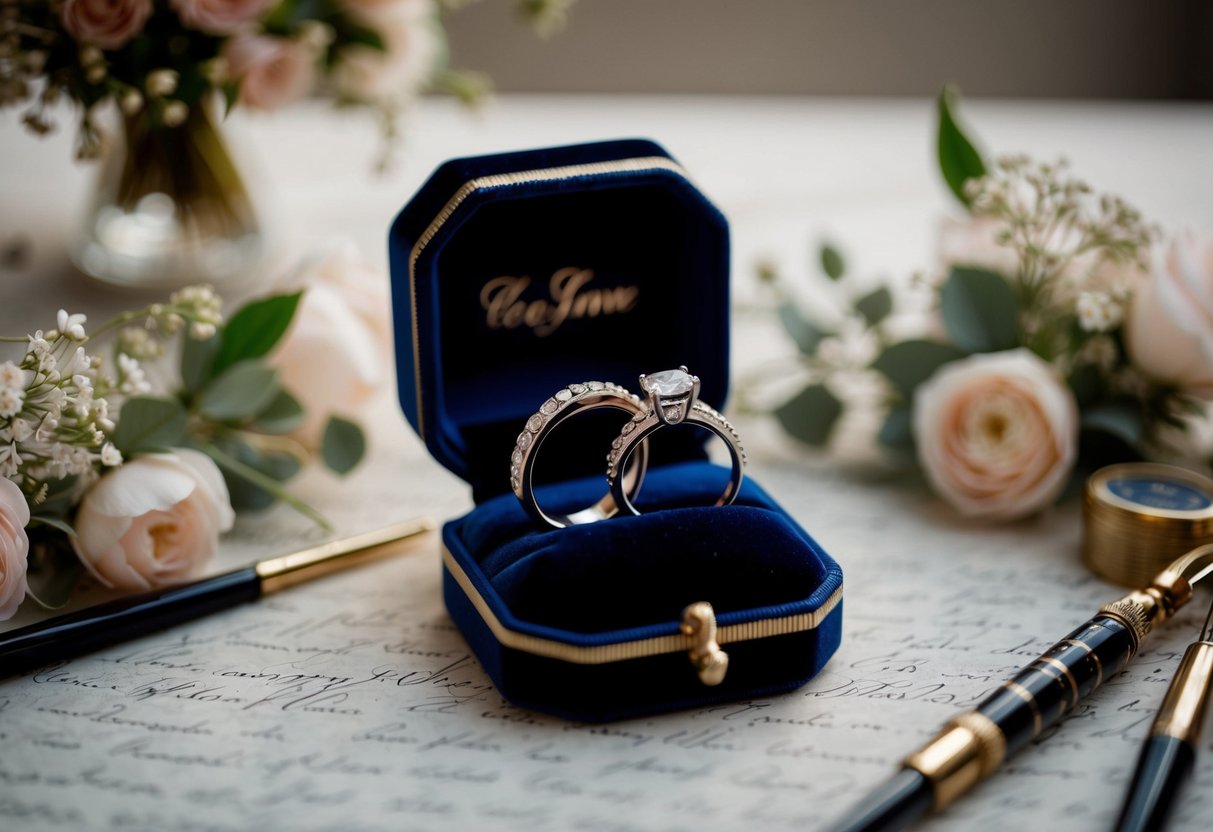
Creating your wedding invitation is an exciting task that sets the tone for your special day. Balancing tradition with your personal touch can enhance the overall feel of your invitations. Here are some tips to make your invitations unique and informative.
Breaking Tradition with Collaborative Wording
Many couples today prefer to break from tradition by using collaborative wording on their invitations. Instead of simply listing the bride’s parents first, you might choose to include both sets of parents’ names or even just your and your partner’s names.
For example, you could write:
- John Smith and Jane Doe
request the honor of your presence…
This approach reflects a modern take on wedding etiquette and showcases your relationship more personally. It can include both families, making it a shared celebration right from the start.
Incorporating Dress Code and Ceremony Details
Including a dress code is an important part of your invitation. It helps guests understand how to dress for your event, whether it’s formal or casual.
You might see a line such as:
- Formal Attire Requested or Casual Chic.
Another key detail is the ceremony information. Make sure to clearly state the date, time, and location.
Guests will appreciate the extra clarity, and it helps set expectations for the day.
For example, consider adding:
- Ceremony at 3 PM
- 123 Celebration Lane, Your Town.