
Why a Man Stops Wearing His Wedding Ring: Understanding the Reasons Behind the Change
When a man stops wearing his wedding ring, it can raise many questions. A wedding ring is a powerful symbol of love and commitment in marriage, so its absence might lead to feelings of confusion or worry. There are various reasons a man may stop wearing his ring, including forgetfulness, occupational factors, or personal choice. It doesn’t always signal a deeper issue.
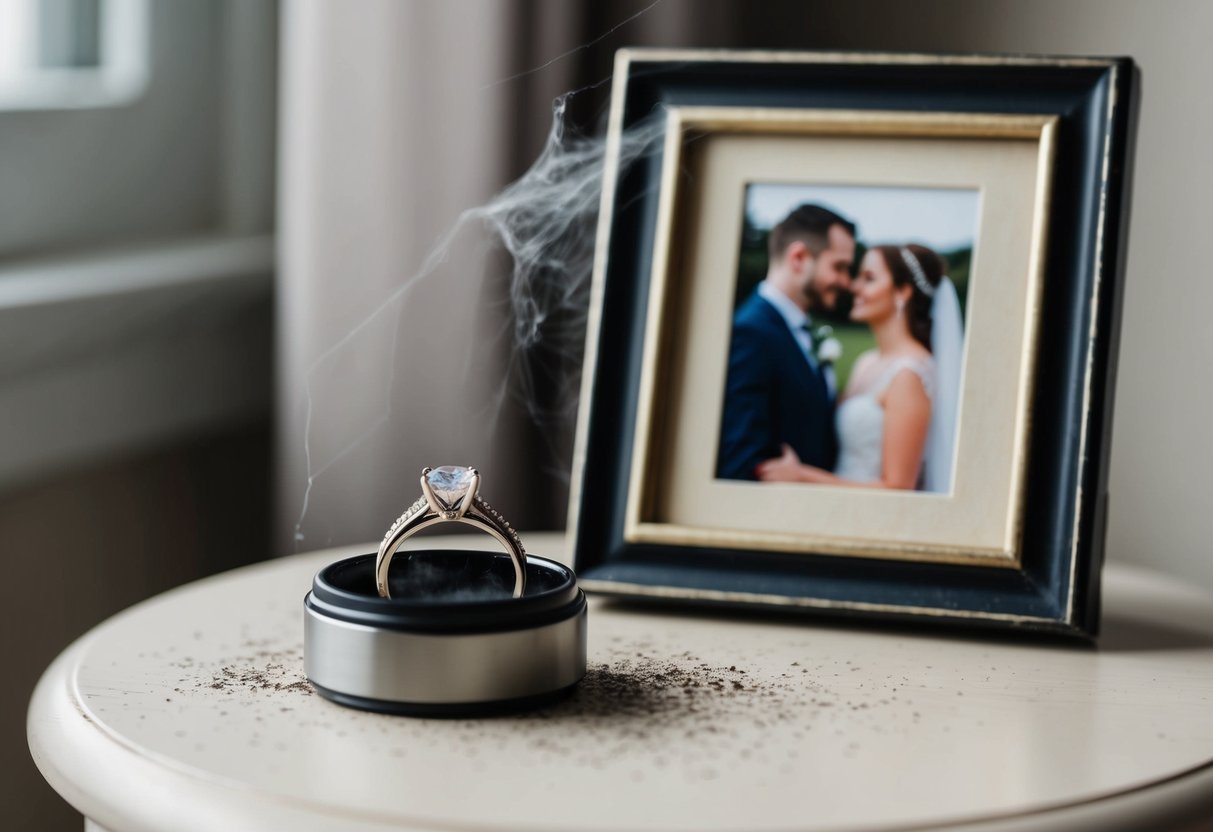
Understanding these motives can help you navigate your feelings and the situation more effectively. Sometimes, it’s as simple as taking it off for practical reasons, while other times, it may reflect changes in how he views his relationship. By exploring these possibilities, you can gain clarity about what his actions really mean.
Your husband’s choice to remove his ring doesn’t necessarily indicate a lack of love or commitment. Instead, it’s an opportunity for open communication and understanding between you. Engaging in a conversation about this topic can strengthen your bond and help both of you feel more secure in your relationship.
Understanding the Symbolism
The wedding ring holds a special place in many relationships. Its meaning can change based on personal experiences and life circumstances. Let’s explore how it represents commitment, reflects any marital issues, and its connection to fidelity.
The Commitment Aspect
When you wear a wedding ring, it symbolizes your commitment to your partner. This piece of jewelry shows the world that you are devoted to your spouse. It represents love and the promise of togetherness.
However, if you stop wearing your ring, it might signal a shift in that commitment. It doesn’t always mean you’re unfaithful or breaking vows. Sometimes, it indicates that the feelings associated with that commitment may not feel strong anymore.
Marital Issues and Emotional Distance
If there are problems in your marriage, it might become hard to wear the ring. Issues like arguments, lack of communication, or emotional distance can create barriers. The ring, which symbolizes unity, may feel contradictory to how you currently relate to your partner.
In such cases, removing the ring can be a reflection of these unresolved feelings. This act might not just signify the end of commitment, but rather highlight the issues that need addressing. Facing these underlying problems is important for restoring closeness.
Infidelity and the Wedding Ring Effect
Infidelity can complicate the symbolism of the wedding ring. When trust is broken, you might feel that wearing the ring is no longer appropriate. It can be a constant reminder of hurt and betrayal.
For some, not wearing the ring may seem like an attempt to distance themselves from the relationship. It becomes an outward sign of internal conflict. Understanding the motivations behind this choice can help you better navigate feelings of infidelity and commitment. Recognizing these dynamics is crucial for moving forward, whether that means healing or making future decisions about the relationship.
Practical Reasons for Not Wearing a Ring
You might find that some men choose not to wear their wedding rings due to practical concerns. These reasons can often be related to their jobs, physical activities, or personal preference regarding comfort. Let’s explore a couple of these practical aspects.
Occupation and Physical Activities
Many men work in occupations that require physical labor. Jobs in industries like construction or manual labor may put a ring at risk of getting damaged or causing injury.
For example, if you operate heavy machinery, a ring could get caught, potentially leading to serious injury. In such cases, it’s safer and more practical to leave the ring off.
Sports and hobbies can also lead to similar concerns. Activities like rock climbing or playing contact sports can cause discomfort or damage to the ring. Prioritizing safety in your job or leisure activities might lead to the decision to forgo wearing a wedding ring.
Comfort and Personal Preference
Comfort is another key factor. You might find that wearing a ring all day can feel uncomfortable, especially during physical activities. The sensation of a ring can be bothersome, particularly if the fit is not perfect or if you engage in activities that make your hands swell.
Some men simply prefer not to wear jewelry. They may feel restricted by a ring or dislike how it feels during daily tasks.
Choosing comfort over tradition can be a personal choice that still honors commitment. It’s important to keep in mind that these decisions don’t reflect the love or bond shared in a marriage. Many men balance their personal preferences with their commitment in thoughtful ways.
Communication and Relationship Dynamics
Understanding how communication affects your relationship is crucial. When one partner stops wearing their wedding ring, it often signals underlying issues. It’s essential to address these topics directly to avoid misunderstandings and strengthen your bond.
The Role of Open Communication
Open communication is the foundation of any healthy relationship. When you and your partner discuss feelings openly, it helps clear confusion.
You might feel worried or neglected if your partner stops wearing their ring. Expressing these feelings can lead to a productive conversation. Avoid accusations; instead, focus on your feelings and observations.
A calm chat can uncover reasons behind this change. Whether it’s about letting go of commitment or something else, talking it through is key. If you feel heard, solutions become more accessible and enhance trust in your relationship.
Seeking Solutions: Couples Therapy
Sometimes, open discussions aren’t enough. Couples therapy can be a valuable step for you both. It provides a safe space for deeper issues to be addressed.
In therapy, you’ll learn how neglect in the relationship might affect both of you. A trained professional can guide you in improving communication. They can also help you explore why one partner may distance themselves, like stopping to wear a wedding ring.
Engaging in couples therapy shows a commitment to your relationship. It helps you work together toward solutions, ensuring both partners feel valued and understood. This could lead to renewed strength in your relationship.
Individual Perceptions and Social Assumptions
Understanding how individuals perceive the act of wearing a wedding ring can help you grasp what might lie behind this choice. Social assumptions play a role in how others view rings, while personal preference can influence one’s decision to wear or not wear them.
Assumptions Regarding Ring-Wearing
Many people assume that a man’s decision to stop wearing his wedding ring indicates issues in his marriage. This idea can create pressure on both partners. Friends and family may jump to conclusions, thinking that the absence of a ring signals a lack of commitment or dissatisfaction.
These assumptions often arise from societal norms. Rings are commonly viewed as symbols of love and fidelity. When you see someone without one, you might wonder if things are going wrong. It’s important to remember that this isn’t always true. Each person has their reasons, and those reasons may have nothing to do with their relationship status.
Personal Preference and Social Significance
Your personal preference can greatly influence whether or not you choose to wear a wedding ring. Some men may find rings uncomfortable or restrictive. Others might forget to put it on or misplace it. This forgetfulness might seem simple, but it can unintentionally lead to misunderstandings about commitment.
Social significance also plays a role in this decision. In some cultures, wearing a ring is less emphasized, and many men do not see it as a necessity. This can lead to a more casual attitude towards ring-wearing, allowing for your personal style and comfort to take precedence. Ultimately, each person’s beliefs about rings can shape their actions.