
Why Are Captains Allowed to Marry? Exploring Traditions and Regulations
Have you ever wondered why captains can marry people? While it might seem unusual, this tradition has deep roots in maritime history. In certain states and locations, captains can officiate weddings, especially when they are legally recognized representatives of their flag’s government.
This unique ability is often connected to the captain’s role as the leader of the ship. With the authority that comes with this position, many captains have been granted the power to perform marriages, particularly at sea or in places where formal ceremonies are less accessible.
As you dive deeper into the topic, you’ll discover the various rules and exceptions that apply across different states and countries. Understanding these details can add a fascinating layer to the romantic notion of getting married on the open sea!
Ceremonial Roles of Ship Captains
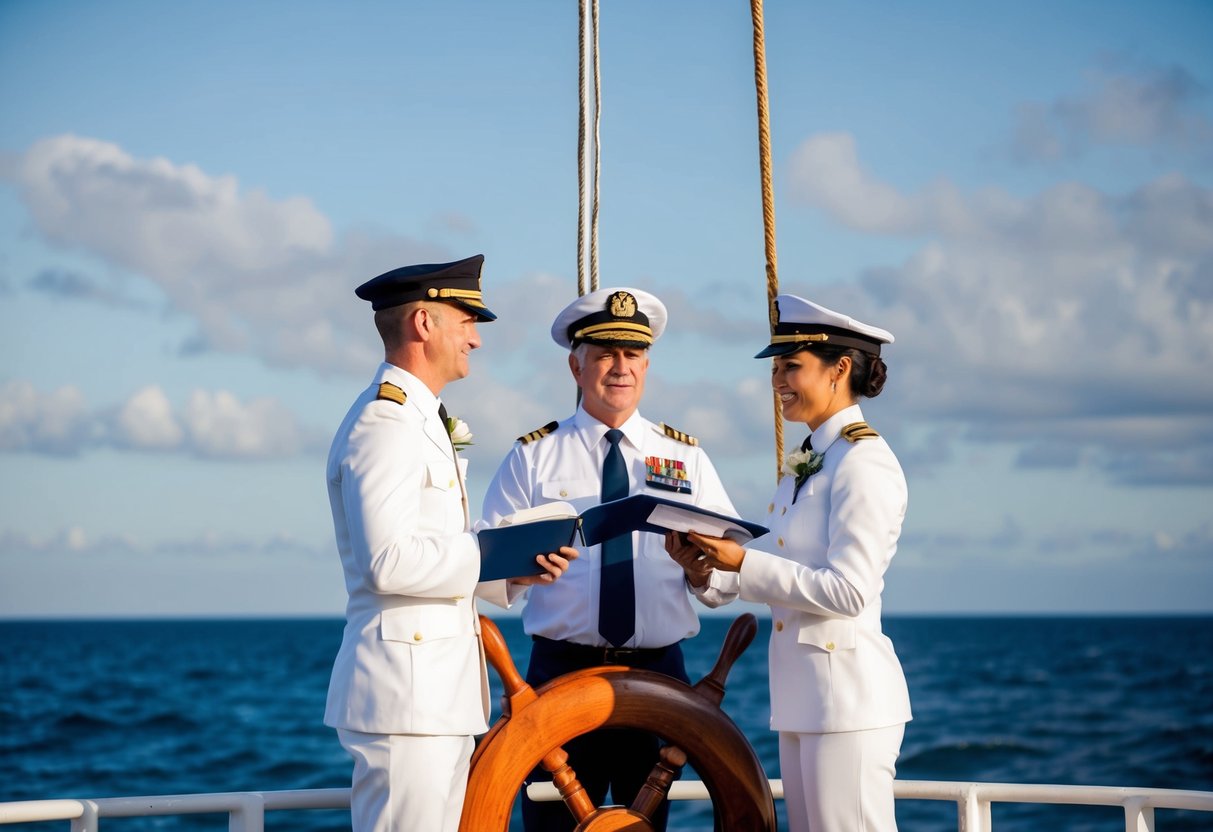
Ship captains have unique ceremonial roles, especially when it comes to weddings. Their positions often blend tradition with maritime practices, which can lead to some interesting stories and ideas. Understanding the historical and cultural background helps clarify their role as officiants.
Historical Perspective
Historically, ship captains have been seen as figures of authority on the water. In maritime law, captains hold significant responsibilities for their crew and vessel. This leadership role sometimes extended to performing ceremonies, such as weddings.
Different cultures have different rules. For example, in certain regions, a captain could officiate a wedding, often rooted in local customs and traditions. This practice dates back to seafaring communities, where captains were both leaders and trusted figures for their crews.
Myths Vs. Reality
Many people believe that all sea captains can marry couples, thanks to popular culture. Shows like The Love Boat have often portrayed captains as officiating weddings on the high seas. In reality, this is often a myth.
In most cases, captains can only marry couples if they are also legally recognized officiants, such as judges or ministers. While some captains have performed numerous weddings, the legality varies greatly by location. For instance, only specific regions and a few states in the U.S. authorize sea captains to perform marriages. Understanding these distinctions is essential for couples looking to tie the knot at sea.
Legalities of Marriages at Sea
When it comes to marriages at sea, understanding the legal framework is essential. Different laws apply based on the location of the vessel, whether it’s in international waters or a country’s territorial waters. Below, you’ll find key points about maritime law and the requirements for marriage licenses.
Maritime Law and Marriage
Maritime law can be complex, especially regarding marriage. Generally, the captain of a ship does not have the automatic authority to solemnize marriages. Instead, the legal capacity to perform weddings often depends on local laws.
In many countries, a ship’s captain can only officiate a wedding if they are a recognized official, like a judge or a minister. For example, the Japanese law allows captains to conduct marriages, but only for couples with valid Japanese passports.
In international waters, some jurisdictions recognize marriages performed by ship captains, while others do not. Always check the laws before planning a wedding at sea.
Marriage License and Certification
Obtaining a marriage license and certification is a crucial step for getting married at sea. Most places require couples to have a valid marriage license before the ceremony.
To ensure that the marriage is legally binding, you usually need to follow specific procedures. Often, this includes applying for the license in advance and meeting local requirements. For instance, some jurisdictions may require blood tests or proof of identification.
Without proper certification, a marriage might not be recognized once you’re back on land. It’s best to confirm the regulations of the country you are sailing from and the law of the country you’re heading to. This will help ensure your special day is both memorable and legally sound.
Conducting a Wedding at Sea
Planning a wedding at sea can be magical, but it’s important to know the specifics. You must understand the role of the captain and how to choose the right person to officiate your marriage ceremony.
The Role of the Captain
When you dream of a wedding at sea, the captain plays a crucial role. Not all ship captains can officiate weddings. Only those with the legal authority can perform marriage ceremonies.
Many cruise ships have captains who are licensed or recognized to officiate weddings. These captains often have experience handling such events, making your ceremony smooth and enjoyable.
Before setting sail, confirm that your captain can legally marry you. Verify whether they have officiated weddings before, as this experience can add special touches to your ceremony. The right captain can help make your wedding day unforgettable.
Choosing the Right Captain
Selecting the right captain is essential for your wedding at sea. Look for captains who are affiliated with reputable cruise lines or ships that offer wedding packages. These captains usually have the needed authority and experience.
Consider captains who are also ordained ministers or certified officiants. For example, those associated with the Universal Life Church can perform legally binding marriage ceremonies. This extra qualification can provide peace of mind.
Read reviews or talk to couples who have been married at sea to gauge the captain’s reputation. Effective communication with your captain can ensure that your ceremony reflects your wishes and is performed seamlessly.