
Why Are Husbands Called Grooms? Exploring Marriage Terminology
When you attend a wedding, you might wonder why the man standing at the altar is called a groom. The term “groom” comes from the word “bridegroom,” which dates back to Old English, meaning a man who is about to marry. This interesting evolution of language reveals how deeply woven these terms are into the fabric of our culture.
The origin of the word “groom” can be traced back to the Old English word “brydguma,” which combines “bryd” meaning bride and “guma” meaning man or boy. Over time, this term was shortened to “groom,” a title that signifies a man in the important role of marrying his partner. Understanding this etymology not only enriches your vocabulary but also gives you insight into the traditions of marriage.
As you dive deeper into the history of marriage and language, you’ll discover fascinating connections between words and their meanings. Whether you’re planning a wedding, attending one, or just curious about the language we use, exploring the reasons behind these terms can enhance your appreciation of the ceremony.
Historical Origins of the Term ‘Groom’
The term “groom” has interesting roots that reveal much about marriage traditions and language evolution. Understanding where this word comes from will give you insight into its significance in wedding ceremonies.
Old English Roots and Etymology
The word “groom” has its origins in Old English, particularly from the term “brydguma.” This term is a combination of two elements: “bryd,” meaning bride, and “guma,” which translates to man. So, “brydguma” essentially described a man who is united with a bride. Over time, “brydguma” was shortened to “groom,” which is now commonly used in modern weddings.
The linguistic journey reflects cultural views on marriage. The way language evolves often mirrors societal changes. In this case, the term has kept its focus on the man’s role in relation to the bride, underlining traditional concepts of partnership and commitment.
Evolution of the Word in Relation to Marriage
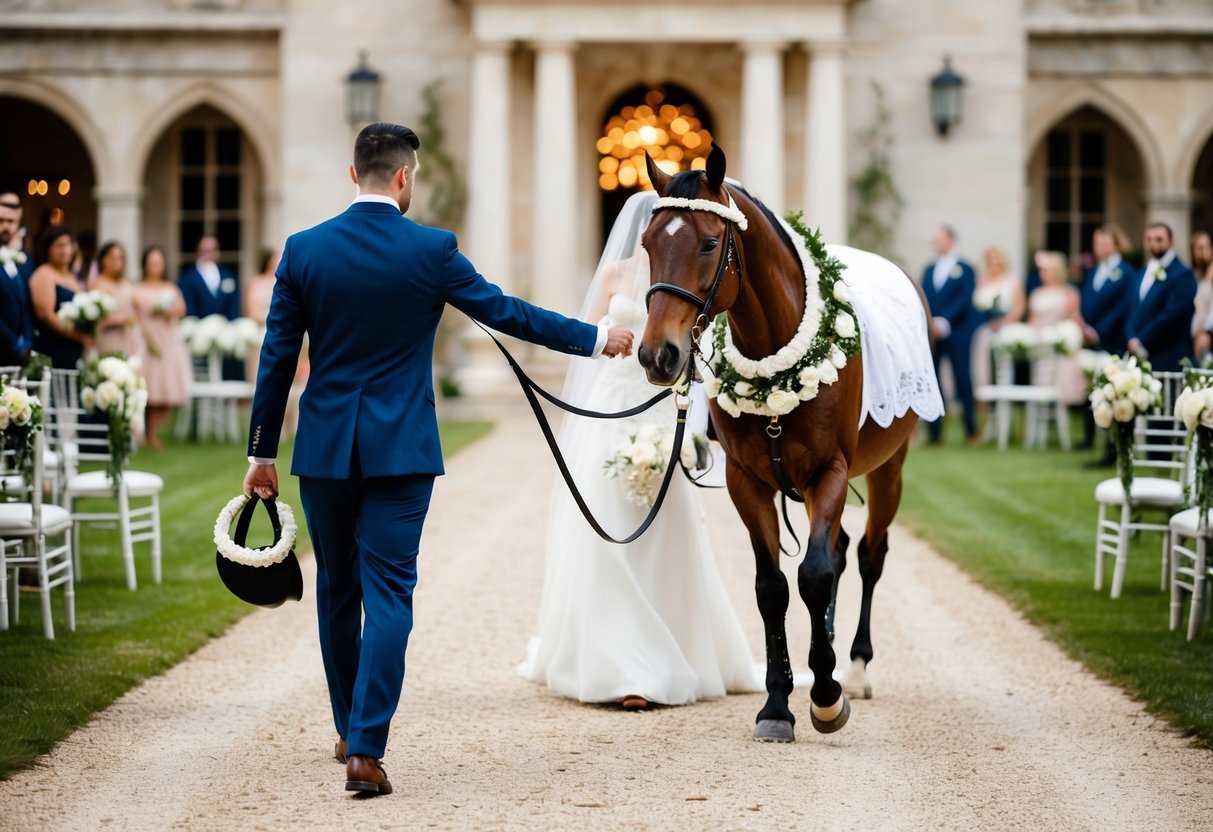
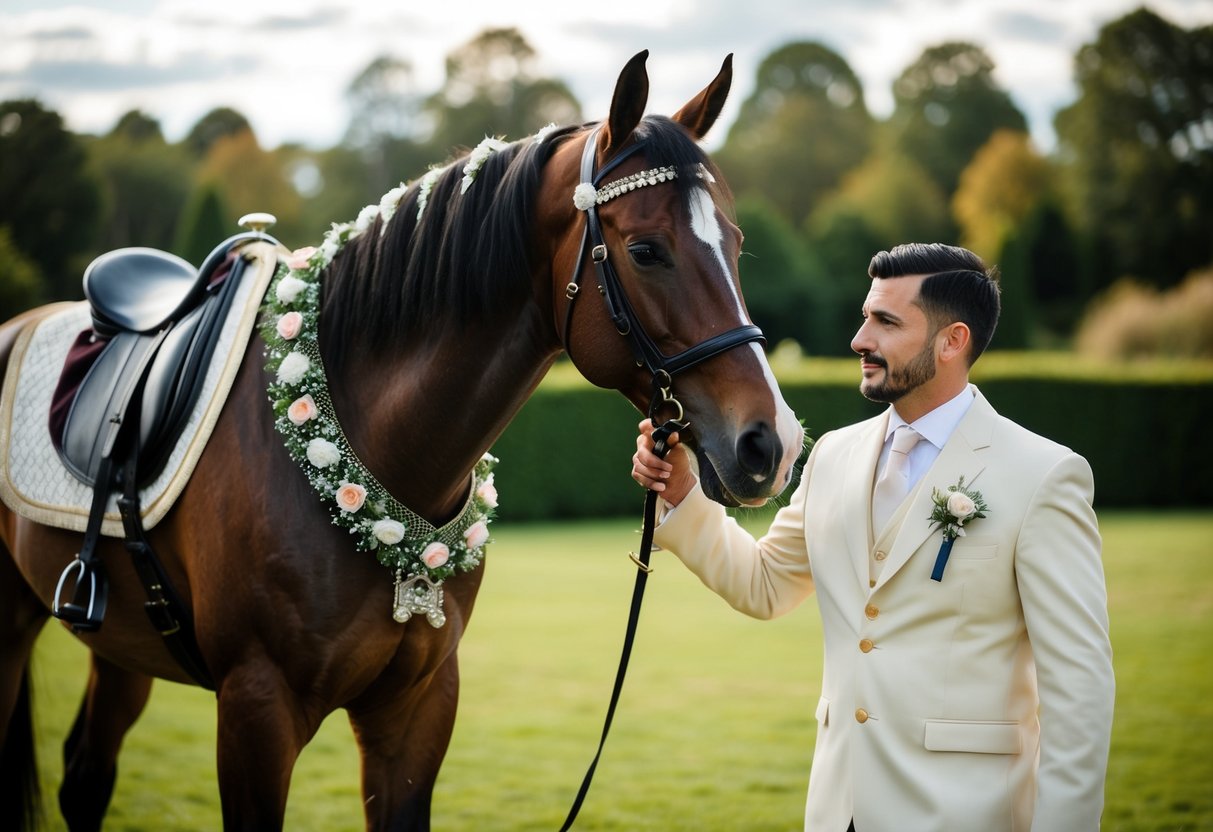
As language evolved, so did the use of the term “groom.” In the past, it symbolized not just the bridegroom but also implied care and responsibility. Just like a groom tends to a horse, the groom in a wedding is expected to nurture his relationship with the bride.
Traditionally, this word has been associated with various marriage customs. Different cultures have their own unique ways of celebrating weddings, but at the core, the term “groom” highlights the man’s significant role in these unions. It’s a reminder that marriage is about partnership, affection, and mutual responsibility.
Sociocultural Significance of a Groom
The role of a groom carries deep sociocultural meaning in wedding ceremonies and beyond. This section highlights the groom’s responsibilities in the wedding, his transformation into a husband, and the cultural traditions that enrich this experience.
The Groom in Wedding Ceremonies
During a wedding ceremony, the groom symbolizes commitment and partnership. As you prepare for this significant day, you honor traditions that have been passed down through generations. The groom often stands at the altar, waiting for his bride, reflecting anticipation and devotion.
In many cultures, specific customs involve the groom’s family, such as presenting gifts or participating in rituals. These practices strengthen family ties and reinforce societal norms about marriage. The moment you say “I do” signifies more than just a legal agreement; it embodies a profound emotional and spiritual connection.
Roles and Responsibilities
As a groom, your role extends beyond the wedding day. You are seen as a partner who shares responsibilities in the relationship. This includes emotional support, financial planning, and nurturing your bond. Understanding these roles helps to foster a healthy and balanced marriage.
Traditionally, the groom takes on the responsibility of protecting and providing for the family. This reflects cultural significance, where male figures are often viewed as the strength in a relationship. Embracing this role can lead to a fruitful partnership filled with joy and teamwork.
Transformation from Groom to Husband
Transitioning from groom to husband marks a pivotal change in your life. As you step into this new role, you embrace responsibilities that deepen your commitment. This transformation involves building a life together, based on love, trust, and mutual respect.
The shift also brings about new societal expectations. You become a source of support and strength for your partner. The bond you share as husband and wife is enriched by shared experiences, challenges, and celebrations, turning your relationship into a lifelong partnership filled with honor and joy.
Modern Interpretations and Expectations

The concept of the groom has changed significantly over time. Today, it reflects both evolving societal norms and the idea of mutual respect in relationships. As weddings become more personalized, the role of the groom takes on new meanings.
From Tradition to Today
Traditionally, the term “groom” referred solely to the man marrying a woman, often emphasizing a one-sided view of marriage. In many cultures, this title came with specific expectations about masculinity and duty.
Now, the definition is broader. You might notice that contemporary weddings celebrate the couple’s partnership. The groom is no longer just a participant but an active contributor. There is a focus on shared responsibilities and emotional support. This shift encourages you to express your feelings and commitments openly, reflecting the changing dynamics in relationships.
The Groom’s Role in Contemporary Weddings
In modern weddings, the groom participates in planning and decision-making. This includes everything from choosing venues to selecting songs for the reception. Couples now often collaborate to create a day that truly represents both of them.
Additionally, the groom’s emotional involvement adds depth to the ceremony. It emphasizes a sense of partnership that was less common before. You can see this change in the growing trend of personalized vows, where the groom openly shares feelings and promises, showcasing his commitment. Embracing this modern role can enhance your wedding experience and lay a strong foundation for your future together.
Preparations and Symbolism
As the wedding day approaches, you will find that preparations for the groom are just as important as those for the bride. Grooming is not just about looking good; it represents care and respect for the commitment you are about to make.
Traditionally, the groom plays a significant role. Your appearance symbolizes the honor you bring to the celebration. This includes choosing the right suit, getting a fresh haircut, and perhaps even a shave. Each detail matters and reflects your dedication.
Symbolism also shows up in the rituals. For example, exchanging vows represents a deep connection. As a groom, you show strength and support for your future spouse through your commitment.
It’s also meaningful to include family traditions in your preparations. They can bring a personal touch to your day. Consider wearing a family heirloom or incorporating a special ritual that honors your family’s history.
Taking time to properly prepare shows respect for your partner and the wedding itself. It’s not just about the day; it’s about starting this new chapter of life together. The steps you take now lay the foundation for your journey ahead as a married couple. Remember, every choice you make is a small nod to the love and future you are building together.