
Why Are Rose Bouquets So Expensive? Exploring the Factors Behind Their Price Tags
Roses are often seen as a timeless symbol of love, making them a popular choice for special occasions like birthdays and anniversaries. When you decide to buy a rose bouquet, you might be surprised by the price tag. The high cost of rose bouquets comes from factors such as seasonal availability, type of roses, and the demands of the floral industry.
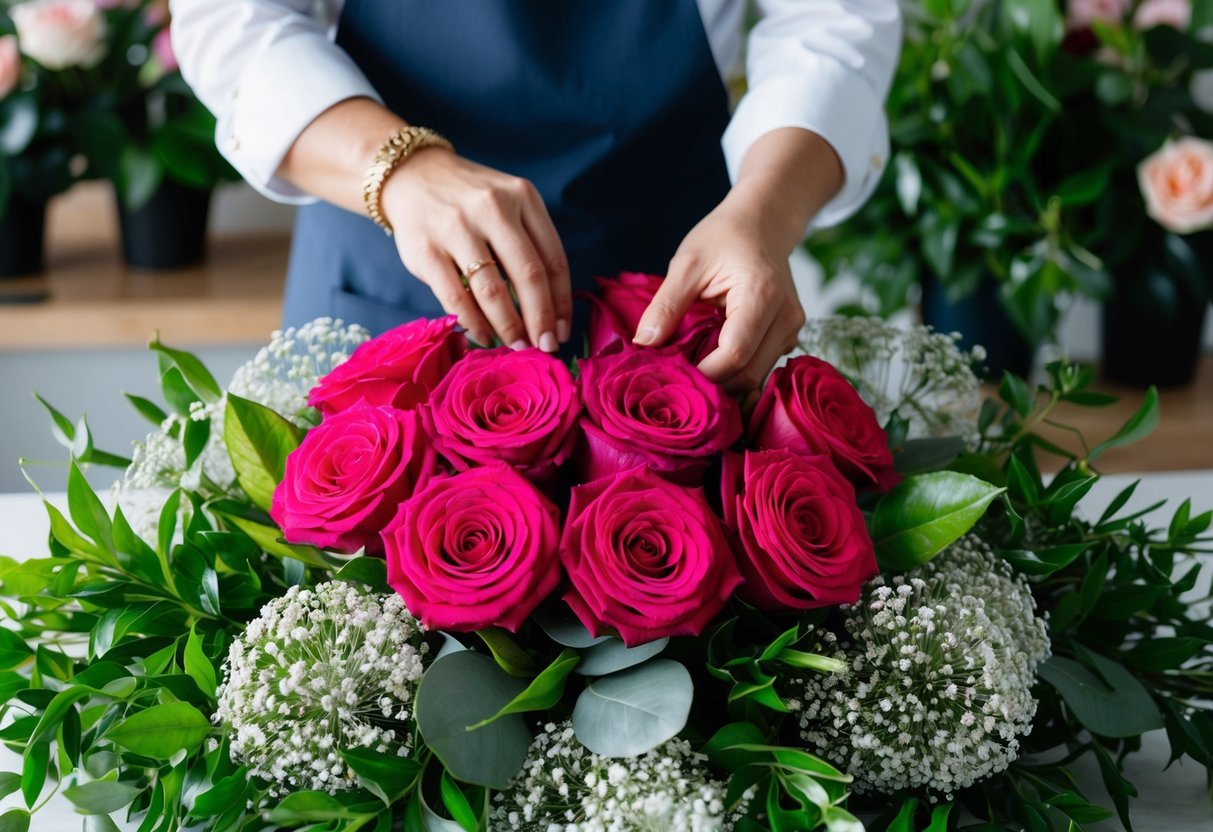
Many farmers grow roses specifically for peak seasons, such as Valentine’s Day, which can limit their supply at times. Additionally, not all roses are equal; certain types can be much more expensive, especially if they are out of season or harder to grow.
Understanding these elements can help you appreciate the value behind the beautiful arrangement you choose for your loved ones.
As you explore this topic, you’ll discover what makes rose bouquets so special and worthy of their price. By learning about the floral industry’s ups and downs, you can better navigate your options and make informed choices the next time you shop for those stunning blooms.
The Romance and Demand of Roses
Roses hold a special place in the hearts of many due to their beauty and deep meaning. Their symbolism and the times when they are most sought after drive their demand, especially during key occasions.
Symbolism and Occasions
Roses are often seen as a symbol of love. Their vibrant colors and sweet fragrance make them the perfect gift for expressing feelings. You might choose red roses for romance, while yellow ones symbolize friendship.
Special occasions like Valentine’s Day and weddings greatly increase the demand for roses. Valentine’s Day, in particular, is one of the biggest flower-buying holidays. Many people purchase rose bouquets for their partners, leading to higher prices due to increased demand.
Weddings also contribute to the rose market. Couples select roses for their bouquets and decorations, impacting costs. The romantic association with roses makes them a popular choice, but this demand drives prices up, especially around holidays and events.
Peak Seasons and Demand
Rose prices fluctuate throughout the year, heavily influenced by seasonality. Around Valentine’s Day and Mother’s Day, you can expect costs to soar. Many florists prepare for these high-demand seasons by stocking up, but the sheer volume of orders often limits available supply.
Also, roses have specific seasons when they bloom best. When roses are out of season, the costs rise even more due to limited availability.
Many people don’t realize that the timing of your purchase plays a crucial role in what you might pay. Buying flowers during off-peak times could save you money. However, the desire for the perfect bouquet on special occasions often means paying a premium for these beloved blooms.
Cost Factors in Cultivation and Distribution
Growing roses and their journey to your home involve several significant cost factors. Understanding these can help you appreciate why rose bouquets can be pricey.
Growing Roses
Growing roses is a labor-intensive process. It requires careful planning and knowledge. Farmers need to choose the right varieties based on climate and soil conditions.
Key costs include:
- Seeds and plants: Quality roses come from healthy seeds or cuttings.
- Fertilizers and pesticides: These are essential for promoting growth and protecting from pests.
- Labor: Skilled workers are needed for planting, pruning, and maintaining the plants.
Roses typically take several months to bloom, adding to the cost before they can be sold.
Supply Chain Complexities
The supply chain adds another layer of expense. Once roses are harvested, they must be handled with care.
Main components of the supply chain are:
- Transportation: Roses are often transported long distances. This can involve refrigerated trucks to keep them fresh.
- Storage: Keeping roses in optimal conditions during storage is crucial. Poor conditions can lead to wilting.
Each step plays a role in ensuring that the roses arrive at florists or stores in great condition, contributing to their overall cost.
Freshness and Perishability
Roses are perishable, meaning they have a limited shelf life. This factor drives costs up.
To ensure freshness:
- Timely harvesting is critical. Flowers must be picked at the right time.
- Post-harvest processing is essential for maintaining quality. This includes trimming stems, removing leaves, and providing proper hydration.
Freshness is a priority for both consumers and sellers, making it vital to have efficient processes in place. This emphasis on quality leads to higher prices for rose bouquets.
The Economics of Rose Pricing
When you buy rose bouquets, you may wonder why they can be so pricey. Several factors contribute to their cost, including labor and production costs as well as market dynamics. Understanding these elements can help you see why roses hold such a high value.
Labor and Production Costs
The cost of labor plays a big role in pricing. Growing and caring for roses requires skilled workers. They need to plant, prune, and harvest the flowers with great care. This quality control ensures you receive beautiful blooms.
Additionally, roses often require specific growing conditions. Greenhouses are necessary in some regions, which adds extra expenses for heating and lighting. You might not realize, but these costs impact your local florist’s pricing.
Market Pricing Variables
Seasonality significantly affects rose prices. During holidays like Valentine’s Day, demand for roses skyrockets. With more people wanting flowers, prices can increase due to limited supply. You see this when florists prepare bouquets ahead of these special occasions, making them more valuable.
Another factor is the floral industry as a whole. Wholesale prices can fluctuate based on global market trends, affecting retail prices. Supply and demand play a crucial role here; when fewer roses are available, the price naturally goes up, making them more expensive for you.
Artistry and Aesthetics
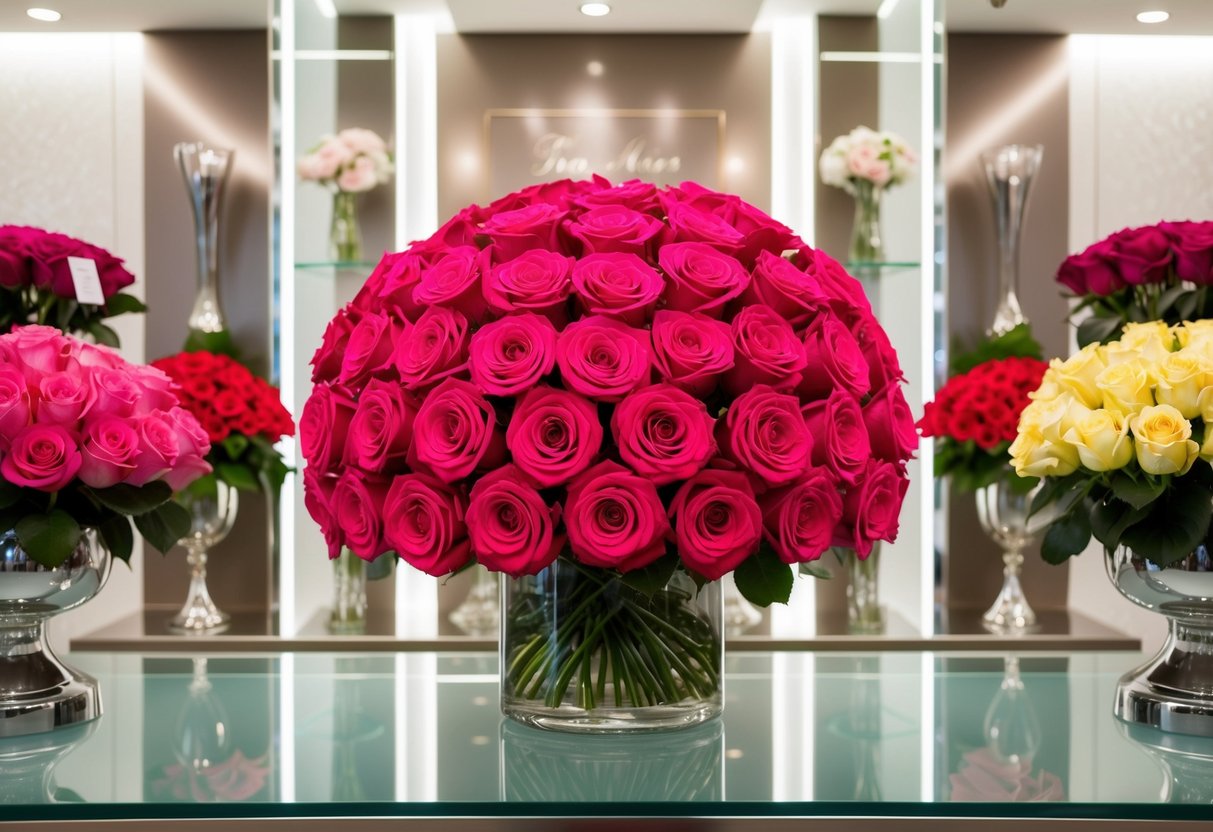
The beauty of rose bouquets goes beyond their flowers. You’ll find that the artistry involved in floral design and arrangements plays a vital role in their cost and appeal.
Design and Craftsmanship
Creating a stunning rose bouquet is a skilled craft. Floral designers carefully select each rose for its color, size, and quality. This attention to detail ensures that the bouquet looks harmonious and feels special.
Choosing the right rose petals is crucial. Different shades and textures can create a unique aesthetic appeal.
The arrangement style also affects how your bouquet looks. From elegant cascading designs to simple, modern looks, every choice reflects the designer’s artistry.
Additionally, cut flowers have a short lifespan. This means designers must work efficiently to create arrangements that are both beautiful and quick to produce.
The combination of skill and creativity is what makes rose bouquets an investment.