
Why Are Wedding Bouquets So Expensive? Exploring the Cost Factors Behind Floral Arrangements
When planning your wedding day, one of the most beautiful and personal touches is your wedding bouquet. It’s not just a collection of flowers; it symbolizes love and commitment.
Several factors contribute to the expense of wedding bouquets, including the type of flowers, seasonality, and the skilled labor involved in creating such intricate designs.
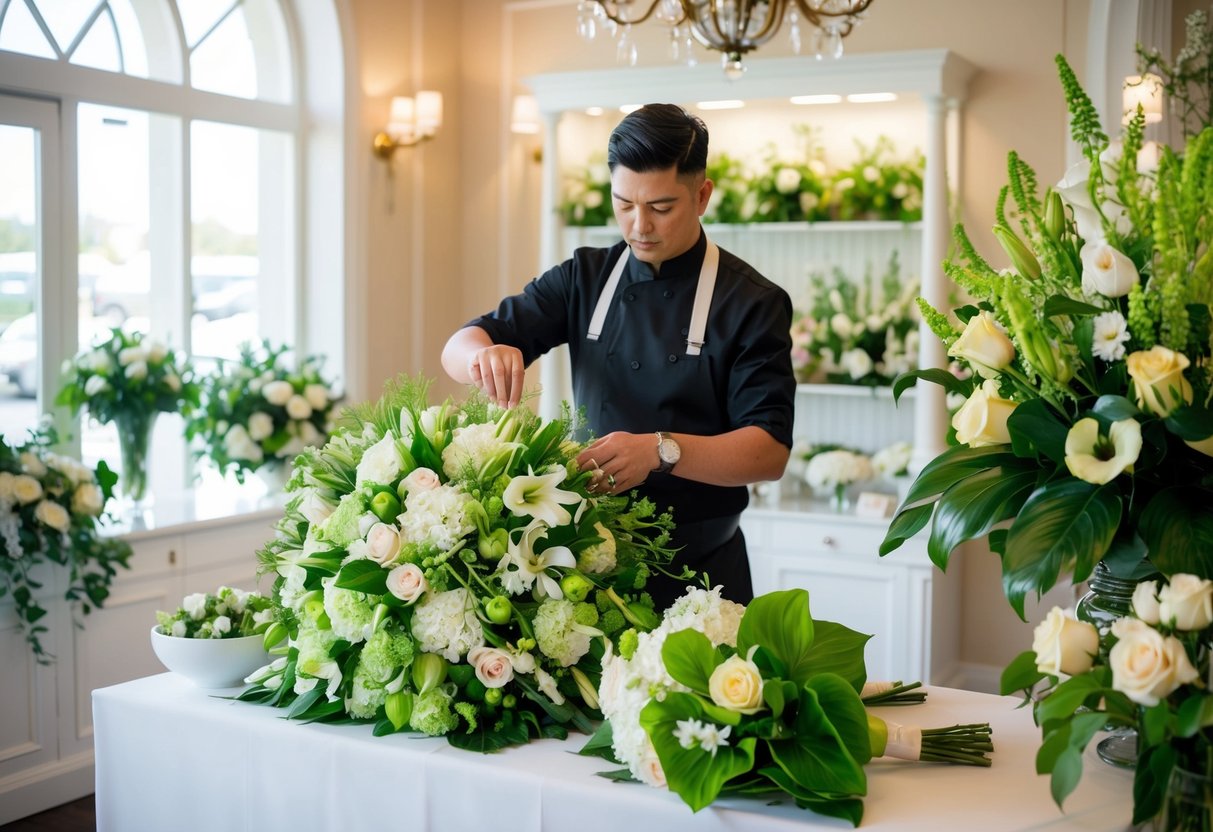
You might be wondering what makes certain flowers more costly than others. Popular choices like peonies and roses can have high price tags, especially if they’re out of season. Additionally, the preparation and handling of these blooms require time and expertise, which adds to the overall cost.
Understanding why wedding bouquets are expensive can help you better plan your budget without sacrificing beauty. By learning about the factors that influence flower prices, you can make informed choices that will still leave you swooning on your special day.
Understanding the Cost of Wedding Flowers
When planning your wedding, understanding costs related to flowers is important. The price of wedding bouquets varies based on flower quality, types used, and their availability throughout the year.
Quality and Types of Flowers
The quality of flowers plays a huge role in their cost. High-quality flowers, such as peonies, garden roses, and ranunculus, are often more expensive due to their beauty and condition. These flowers require specific care to look perfect on your big day.
For example, peonies are considered luxurious and can be pricier because of their seasonal availability. They bloom only in late spring and early summer, making them less accessible at other times of the year.
Other flowers, like standard roses, are generally more affordable but may not offer the same unique aesthetic. You may want to choose a mix of flowers to balance beauty and budget.
Seasonality and Availability
Timing is everything with wedding flowers. The cost can significantly change depending on the season. Flowers that are in season, such as roses or daisies, are more readily available and therefore less expensive.
For instance, garden roses might be cheaper when they are in bloom during spring or summer. Off-season flowers can be hard to find, making them pricier due to transportation costs and demand.
Planning your flower choices around seasonal availability can save you money. Researching which flowers bloom during your wedding month allows you to choose more cost-effective options while still achieving a beautiful look.
Floral Design and Artistry
When planning your wedding, the beauty of floral design plays a key role in creating a stunning atmosphere. A professional florist brings skill, creativity, and experience to transform your vision into reality, ensuring every detail is perfect.
The Role of a Professional Florist
A professional florist is essential for bringing your bouquet ideas to life. They understand floral design and know how to select the right flower varieties for your theme and budget.
Your florist will ask about your preferences, colors, and styles to create custom arrangements. This is where their artistry shines. They utilize their knowledge of seasonality to provide fresh flowers, ensuring quality and beauty. Flowers like peonies may be in season only at specific times, making their availability crucial for planning.
Beyond just selecting flowers, a skilled florist can innovate and use unique materials to enhance your bouquets, from decorative accents to interesting vessels. By partnering with a professional florist, you ensure that your bouquet is not only beautiful but also thoughtfully designed.
Attention to Detail in Floral Arrangement
Attention to detail is vital in floral arrangement. A professional florist meticulously considers each component of your bouquet. From the choice of blooms to the perfect size and shape, every aspect matters.
Arranging flowers involves balancing colors, textures, and shapes. An experienced florist will ensure that your bouquet has harmony and flow, making it visually appealing. They also assess how arrangements look from different angles, ensuring it appears stunning from all viewpoints.
Moreover, they often incorporate a variety of elements, such as greenery and unique fillers, to add depth and interest. This level of care contributes to the overall impact of your floral design on your wedding day. With a focus on detail, your bouquet can truly reflect your personality and style, making it a memorable part of your celebration.
Additional Components and Decorations
When planning your wedding flowers, keep in mind that it’s not only the blooms that contribute to the overall cost. Additional components and decorations play an important role in enhancing your floral designs and creating the ambiance you desire for your special day.
Creative Use of Ribbons, Wires, and Pins
Ribbons, wires, and pins may seem like small details, but they can significantly impact your bouquet’s look. Ribbons can add a pop of color or elegance, tying together your theme and personal style. You can use satin, lace, or even burlap, depending on your wedding’s vibe.
Wires are essential for securing flowers and providing structure. Florists will utilize floral wire to keep each bloom in place and to manipulate their shape for a fuller appearance. Pins can be used to attach delicate flowers or embellishments, ensuring everything remains secure throughout your ceremony and reception.
These components can also increase the labor involved in creating your bouquet. The more intricate the design, the more time and effort required. This all adds to the final cost.
Importance of Centerpieces and Fresh Flowers
Centerpieces made with fresh flowers are crucial for setting the mood at your reception. They enhance your venue and create a beautiful atmosphere for you and your guests. Fresh flowers not only look stunning but also add fragrance and life to your tables.
The cost of fresh flowers can vary greatly based on availability and seasonality. Popular choices, like peonies, have limited blooming seasons, making them more expensive at other times. Similarly, unique floral arrangements require skilled labor, ramping up the price.
Consider how you can creatively use centerpieces in your décor. Larger arrangements at strategic spots can reduce the number of smaller ones needed while still making a significant impact. Balancing your bouquet and your centerpieces will help keep your floral budget manageable while ensuring your wedding looks stunning.
Logistics and Handling
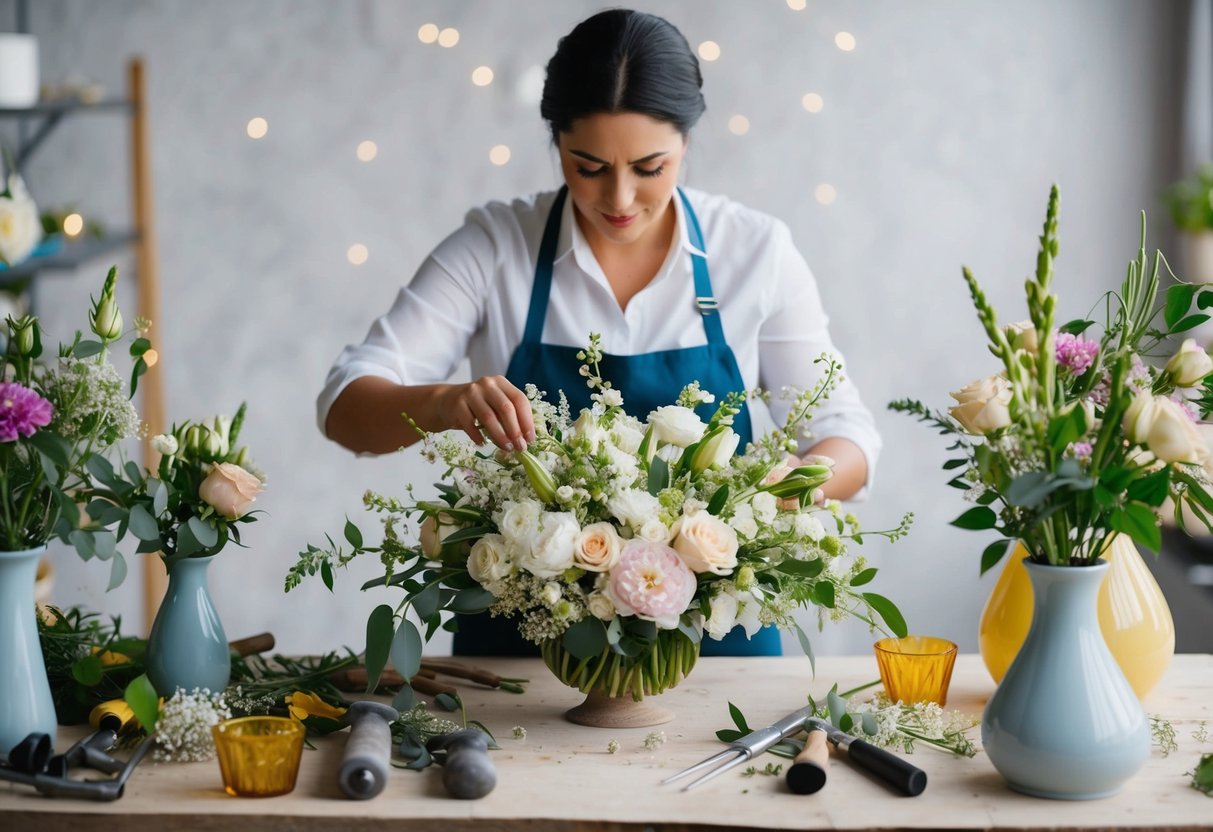
When planning your wedding, you might wonder why wedding bouquets are so expensive. A big part of the cost comes from the logistics involved in getting those beautiful flowers to you.
Transportation plays a key role. Flowers often travel long distances to reach your florist. This can involve special modes of transport to ensure freshness.
Once the flowers arrive, there’s handling that must take place. Florists often receive flowers in bulk, which means they need to sort and process them. This is a time-consuming task.
Here are some key points about logistics and handling:
- Importation Costs: Importing flowers can add customs fees and other expenses.
- Care Requirements: Flowers need to be cared for during transport to maintain their quality.
- Timely Delivery: Arranging a delivery schedule that aligns with your wedding day is crucial.
Each step in this process adds to the cost. From careful transportation to meticulous handling, the work your florist does ensures you get the most beautiful bouquet possible. These factors are why wedding bouquets can be pricey, but they also guarantee that you receive high-quality, fresh flowers on your special day.