
Why Are Wedding Dress Alterations So Expensive? Understanding the Costs Involved
When planning your wedding, the perfect dress is often a top priority. Yet, many brides find themselves surprised by the costs associated with wedding dress alterations. Seamstresses often charge high prices for these alterations. They reflect the importance of a flawless fit and the skill of the seamstress. A well-fitted gown can transform your look, making you feel beautiful and confident on your big day.
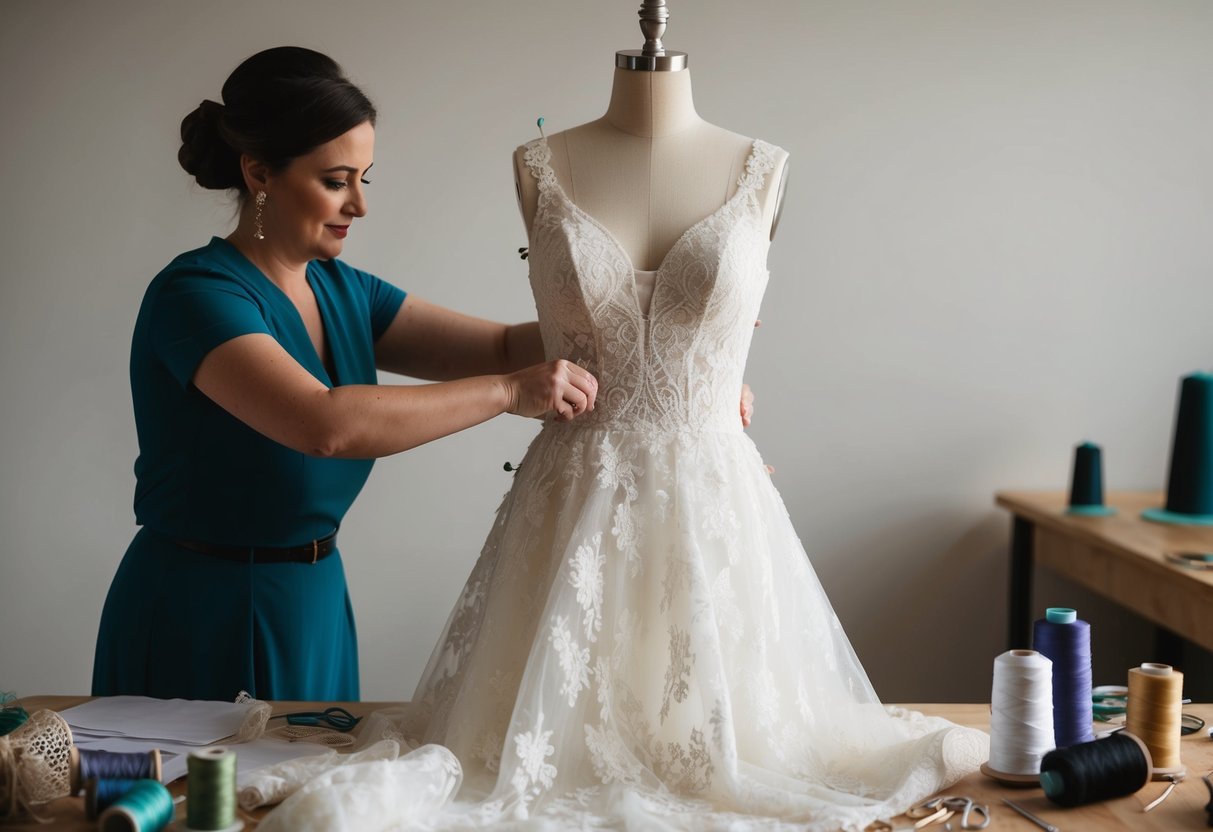
Understanding why these alterations can be costly is essential. Factors like the complexity of the dress and the expertise of the seamstress play a significant role in determining the price. While it might be tempting to skip alterations, they are crucial for achieving the right look and comfort, ensuring your dress hugs your body perfectly.
As you consider alterations, remember that investing in bridal alterations enhances not just the fit of your dress, but also your overall wedding experience. Knowing what to expect can help you budget effectively and find the right professionals for the job. Embrace the journey to getting your dream dress perfectly tailored!
Understanding Wedding Dress Alterations

Wedding dress alterations are an important part of getting your gown to fit just right. They can involve a variety of changes that ensure comfort and style. The cost of these alterations reflects the skill and effort needed to make your dress perfect for your big day.
The Role of a Seamstress
A seamstress plays a crucial role in the alteration process. This skilled professional understands how to adjust your dress so it fits your unique body shape. They look at areas like the waist, hem, and bust to ensure everything aligns perfectly.
A seamstress will also deal with special fabrics like lace and delicate materials. They know how to handle these fabrics without damaging them. When embellishments such as beading are part of the design, their expertise becomes even more vital, as these details require careful attention.
Common Alterations
There are several common alterations that many brides choose. One popular change is adjusting the hem length. Whether you want it shorter or longer, this affects how the dress falls.
Another frequent adjustment is taking in or letting out the sides. This ensures your dress hugs your body comfortably. Some brides opt for built-in cups at the bust for added support and comfort.
For gowns with intricate designs or embellishments, such as beading or appliqués, special care is needed. Seamstresses often have to repair or reposition these details during the alteration process, which can add to the cost.
The Complexity of Wedding Dresses
Wedding dresses can vary widely in complexity. A simple A-line gown may require fewer adjustments than a ball gown with layers of fabric and intricate lacework.
Dresses that feature delicate fabrics like chiffon or tulle need extra skill in handling. More detailed designs with intricate beading and embellishments also take longer to alter. Each design element can add time and cost to the alteration process.
Type of gown matters too. Asymmetrical designs or mermaid-style gowns often need custom adjustments. This complexity is a significant reason why alterations can be more expensive than expected.
Cost Factors for Alterations

When considering the cost of wedding dress alterations, several key factors come into play. Understanding these factors can help you prepare for the expenses involved in making your dress fit perfectly.
Material and Design Costs
The material of the gown directly affects the alterations cost. Fabrics like chiffon or silk can be more challenging to work with due to their delicate nature. If your dress has intricate embroidery or layered designs, the work required increases.
Tailors often charge more for complex materials than for simpler fabrics. If you want to make adjustments to unique designs, you may face higher costs. Overall, the more detailed your gown, the more you’ll likely spend on alterations.
Labor and Expertise
The skill level of the alterations artisan matters a great deal. Experienced tailors or seamstresses charge higher rates due to their expertise. This expertise ensures that your dress is fitted well, which is essential for a day as special as your wedding.
If you need extensive changes, such as resizing the bodice or adjusting complex components, expect to pay more. Choosing a skilled professional may be more expensive in the short term, but it can save you stress and disappointment in the long run.
Timeframe and Rush Fees
If you’re working on a tight schedule, rush fees can significantly impact your alterations cost. Many tailors prioritize urgent orders, which may lead to an extra charge for their quick service.
The average cost of wedding dress alterations can also rise if you need them done in a short timeframe. Planning ahead will help you avoid these additional charges. If possible, allow ample time for fittings and adjustments to keep expenses down.
The Fitting Process
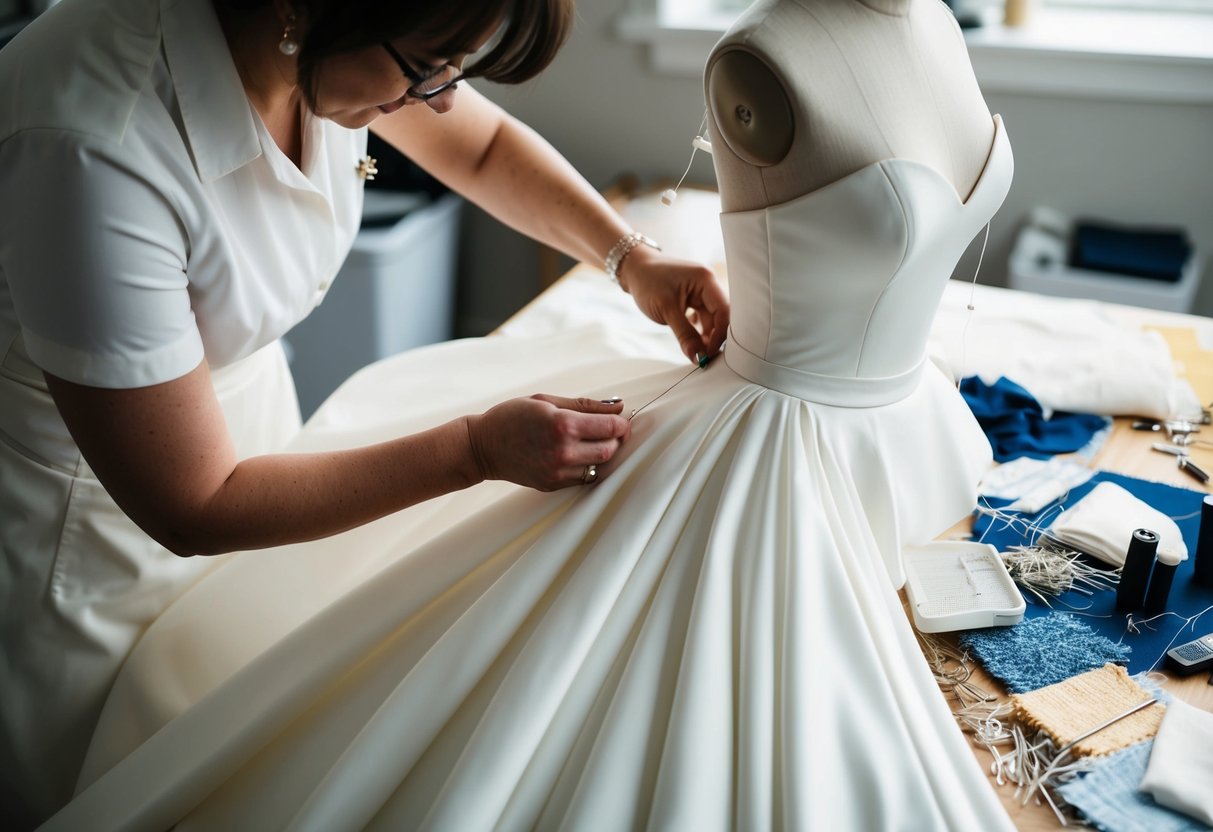
Getting your wedding dress altered involves several important steps. Each fitting helps ensure your dress fits perfectly, showcasing your unique style and body shape. This process includes initial consultations, personalization, and final adjustments, making it essential to find a skilled seamstress.
Initial Consultation and Fitting
Your first dress fitting is a crucial step. During this initial consultation, you will discuss your needs, preferences, and any specific adjustments you want.
The seamstress will take your measurements to understand your body shape. Be prepared to share details about the style of your dress, such as whether it has a corset back or requires sleeve alterations.
This meeting sets the foundation for shaping your dress. It’s a time to express your vision, ensuring the alterations reflect your style for your special day.
Personalization and Customization
Once the initial fitting is complete, it’s time for personalization and customization. This step allows you to tailor the gown further, adding your unique touch.
You can choose different options, such as adjusting the hem for the perfect length, adding sleeves, or even creating unique embellishments. Each of these changes helps ensure your dress fits your body shape while highlighting your personality.
Customization may also involve modernizing a family heirloom dress. A skilled seamstress can breathe new life into a vintage piece, so it feels fresh and uniquely yours.
Final Adjustments for Perfection
The final adjustments are where your dress truly becomes perfect. In this step, you might have one or two additional fittings to make sure every detail is right.
During these appointments, the seamstress will focus on the final touches like checking the fit around your waist, confirming the hem length, and ensuring comfort in any corset back.
They will make sure your gown drapes beautifully and fits snugly where it needs to. This attention to detail is essential to ensure you feel confident on your wedding day, making all the difference in your overall look.
Choosing the Right Alterations Service
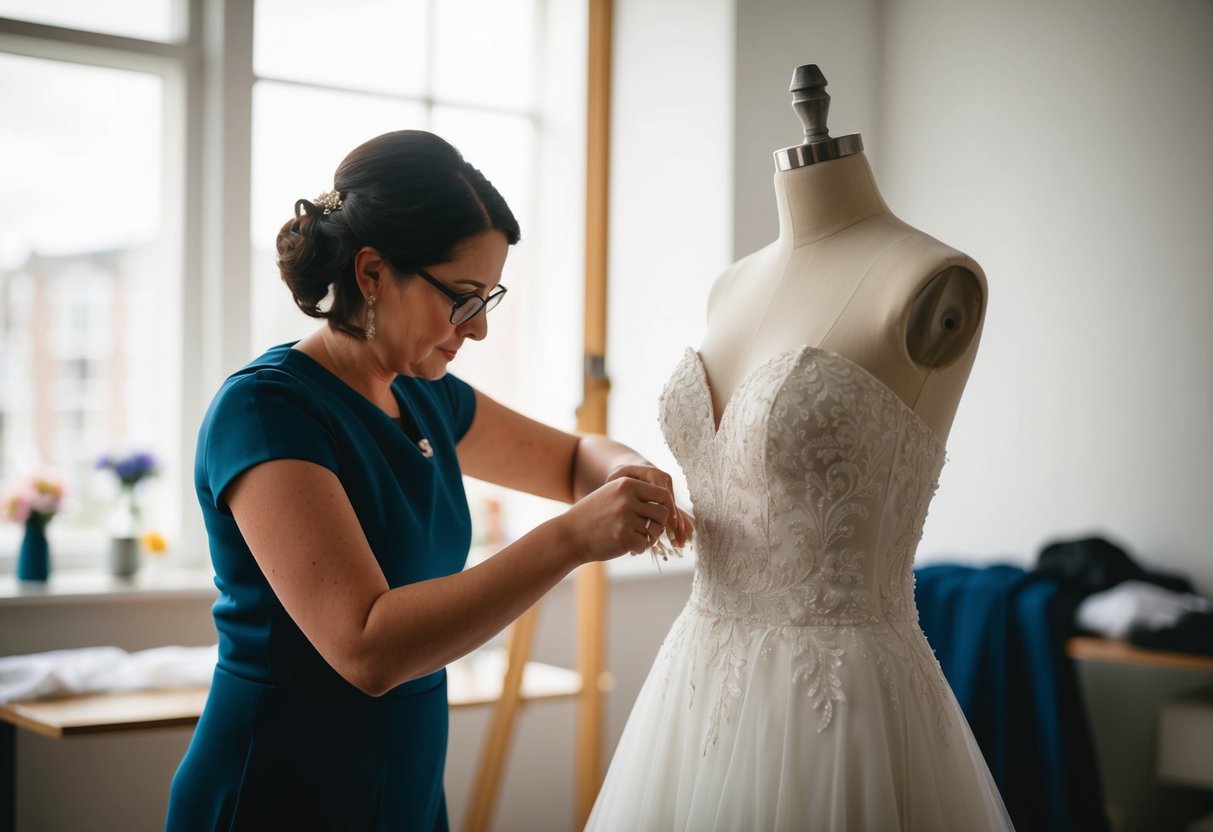
Finding the right alterations service for your wedding gown is essential to ensure a perfect fit. You’ll want to consider the experience of the seamstress, the benefits of using a bridal store, and how to stay within your budget. Each of these factors plays a significant role in the alteration process.
Selecting an Experienced Seamstress
An experienced seamstress can make all the difference in your bridal gown alterations. Look for someone who specializes in wedding dresses and has a strong portfolio.
Check their reviews and ask for recommendations from friends or family. During your consultation, don’t hesitate to ask about their experience with similar gowns.
An expert can help you achieve the desired fit and style. They will know how to handle delicate fabrics and complicated designs. Remember, the average cost of wedding dress alterations can add up, so investing in a skilled seamstress is worthwhile.
Benefits of Bridal Store Services
Using a bridal store for alterations comes with several advantages. First, many bridal stores have in-house seamstresses who specialize in their gowns. This means they understand the design and construction of the dresses they sell.
Additionally, bridal stores often offer a full-service experience. They can guide you from your initial purchase through the entire alteration process. You may also find package deals that include fittings and adjustments.
Another benefit is the convenience of having everything in one location. You won’t have to worry about transporting your gown to a separate alterations service. This can save you time and reduce stress as your wedding day approaches.
Considering Budget and Options
When planning for bridal gown alterations, you should consider your budget carefully. The average cost of wedding dress alterations can range from $150 to $700, depending on various factors.
Be clear about what alterations you need, such as hem adjustments or adding straps. Then, discuss pricing upfront so there are no surprises.
Many stores offer different options, so you can choose services that fit your budget. Ask about payment plans if needed. Remember, your wedding gown is a significant investment, and the right alterations will enhance its beauty.