
Why Are Wedding Dress Alterations So Expensive? Understanding the Costs Behind the Perfect Fit
When planning your wedding, you may find yourself wondering why wedding dress alterations can be so expensive. Many factors contribute to this cost, including the complexity of the changes you want and the skills required to execute them perfectly. You want your dress to fit beautifully, and choosing experienced seamstresses can make all the difference.
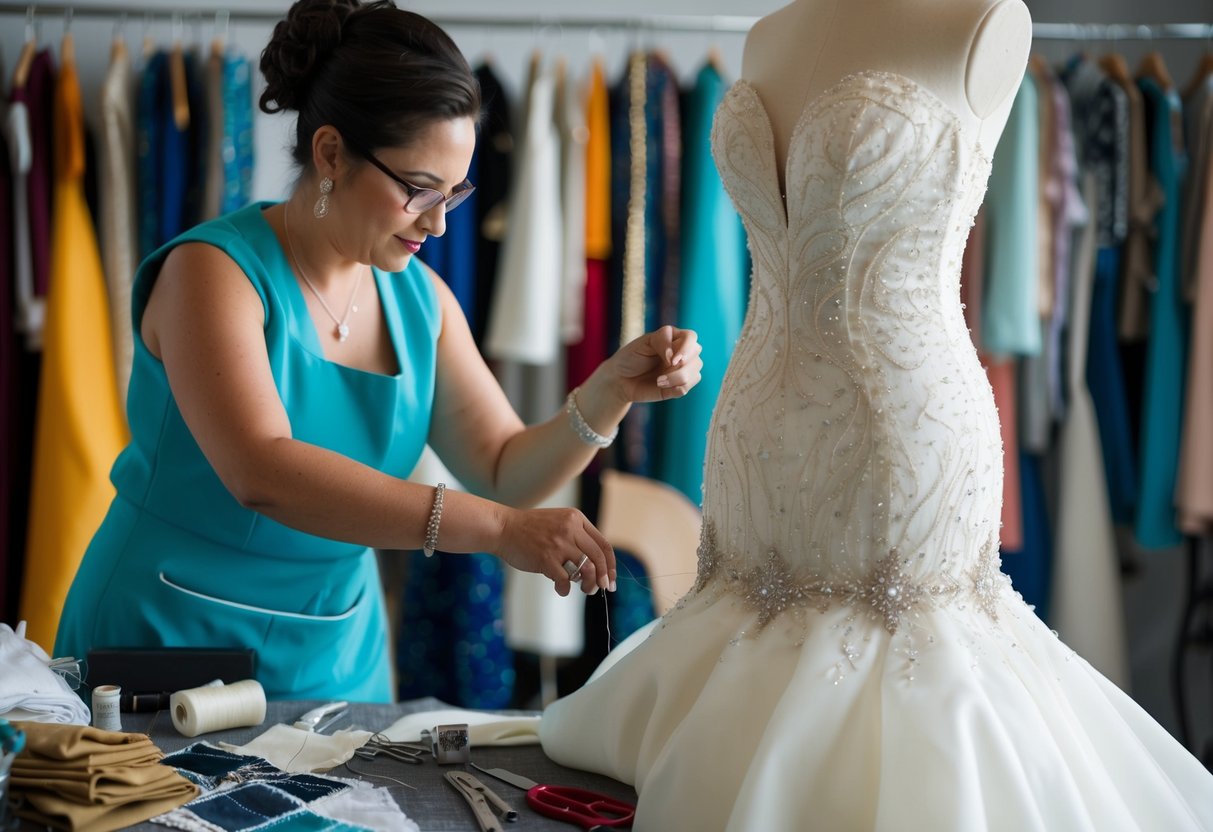
Bridal alterations often include tasks like hemming, taking in seams, or adding embellishments. Each of these steps requires time and expertise, which can drive up the price. A well-tailored gown can enhance your look and make you feel confident on your big day.
Understanding the costs involved in alterations will help you budget effectively for your wedding. Knowing what influences these prices allows you to make informed decisions and ensures your dress fits just the way you envision.
Understanding the Basics of Wedding Dress Alterations
When it comes to wedding dress alterations, you’ll find a variety of adjustments that can make a huge difference in how the dress fits and looks. These alterations often involve skilled professionals who specialize in bridal wear, and understanding their roles can help you navigate this important part of your wedding planning.
Different Types of Alterations
There are several types of alterations that may be necessary for your wedding dress. Hemming is one of the most common adjustments, ensuring the dress reaches the right length. You might also need to take in or let out seams, which changes the dress’s fit.
Other alterations can include adjusting straps or sleeves, and more complex tasks like reshaping the neckline or adding beadwork. Each type of alteration requires a different skill level, which can affect the final cost. Knowing these options helps you decide what changes might enhance your dress while staying within your budget.
The Role of Seamstresses and Tailors
Seamstresses and tailors play a crucial role in the alteration process. Their expertise ensures that your dress fits perfectly and looks stunning on your big day. When selecting a professional, look for someone with experience in bridal wear to guarantee the best results.
A skilled seamstress can quickly identify necessary alterations and suggest solutions. You can expect to pay for their time and skill, which varies based on their experience and the complexity of the work. Typically, bridal alterations may range from $100 to $250, but intricate customizations could raise that cost significantly.
Selecting the Right Bridal Store for Alterations
Choosing the right bridal store for alterations is important. Start by looking for stores that offer in-house alterations. This often ensures the seamstress is familiar with the brand and style of your dress, which can lead to better results.
Ask about their alteration policies and timeline, as these can vary. Some shops may charge a flat fee, while others charge based on the specific work. Reading reviews and seeking recommendations can help you find a reliable store that meets your needs. This careful selection can save you time and stress as you prepare for your wedding day.
Factors Influencing the Cost of Alterations
When planning for wedding dress alterations, several key factors come into play. Understanding these can help you budget effectively and make informed choices.
Material and Delicate Fabric Considerations
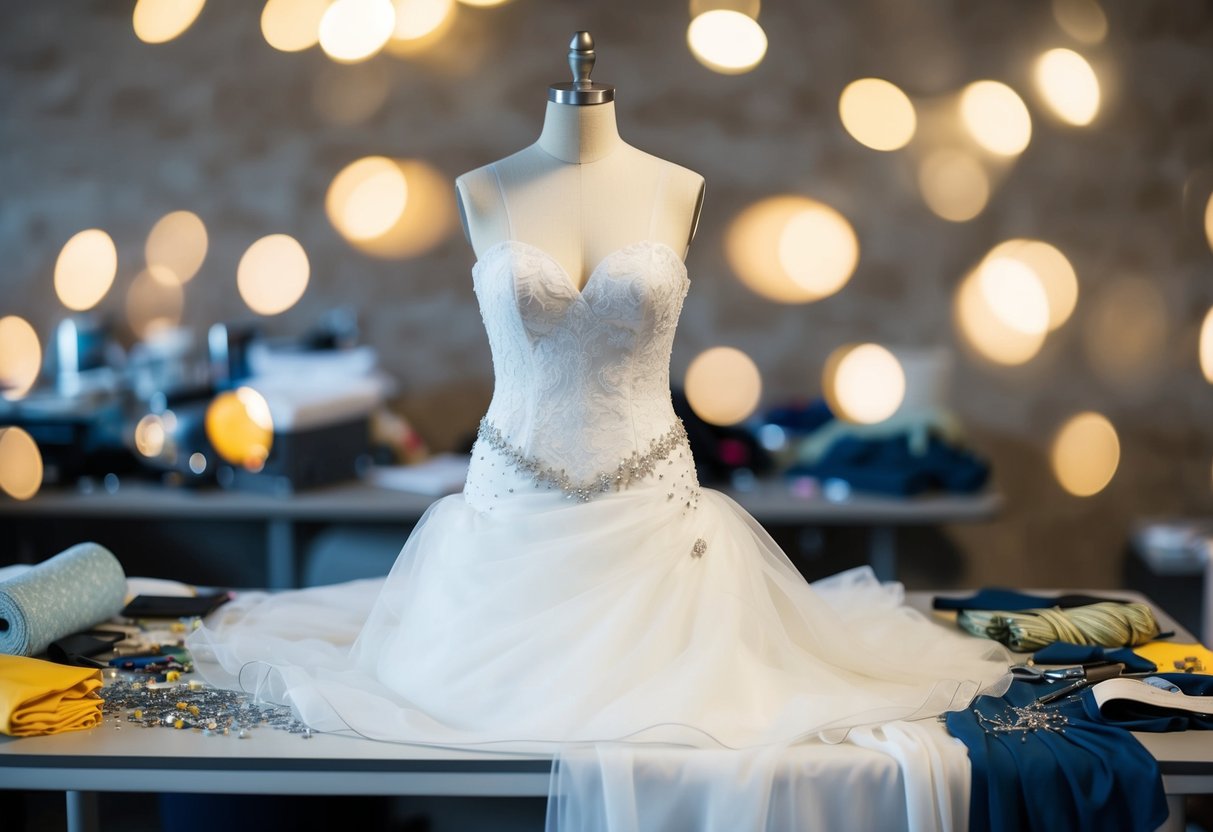
The type of material used in your wedding dress greatly affects alteration costs. Delicate fabrics like silk, chiffon, or lace require special handling. These materials can be prone to fraying or snagging, which means a skilled tailor will need to take extra care during alterations.
For instance, intricate lace can be challenging to work with, increasing labor time. Materials with embellishments or beadwork, like sequins or crystals, may drive up costs too. Each bead or embellishment must be carefully moved, adding to the total time spent.
Complexity and Intricate Design Elements
The complexity of your dress design is another important factor. Simple alterations, like hemming or adjusting seams, typically cost less. However, if your dress has a lot of intricate detailing, such as fitted bodices, draping, or detailed beadwork, the cost will increase.
For example, restructuring a bodice or altering layers of fabric needs expertise and more time. If your dress has layers, you might also need multiple fittings, which can add to the cost. Understanding the specific alterations you need helps in planning your budget for the wedding dress alterations cost effectively.
Timing and Rush Fees
Timing plays a significant role in alteration costs. If you need your dress altered quickly, rush fees often apply. Tailors may charge extra to prioritize your dress, especially during peak wedding seasons.
This fee varies by tailor but can significantly increase your total costs. Planning your fittings ahead can help you avoid these fees and stress. Always ask about timelines and costs upfront to ensure you stay within your budget.
The Alteration Process: From Consultation to Perfection
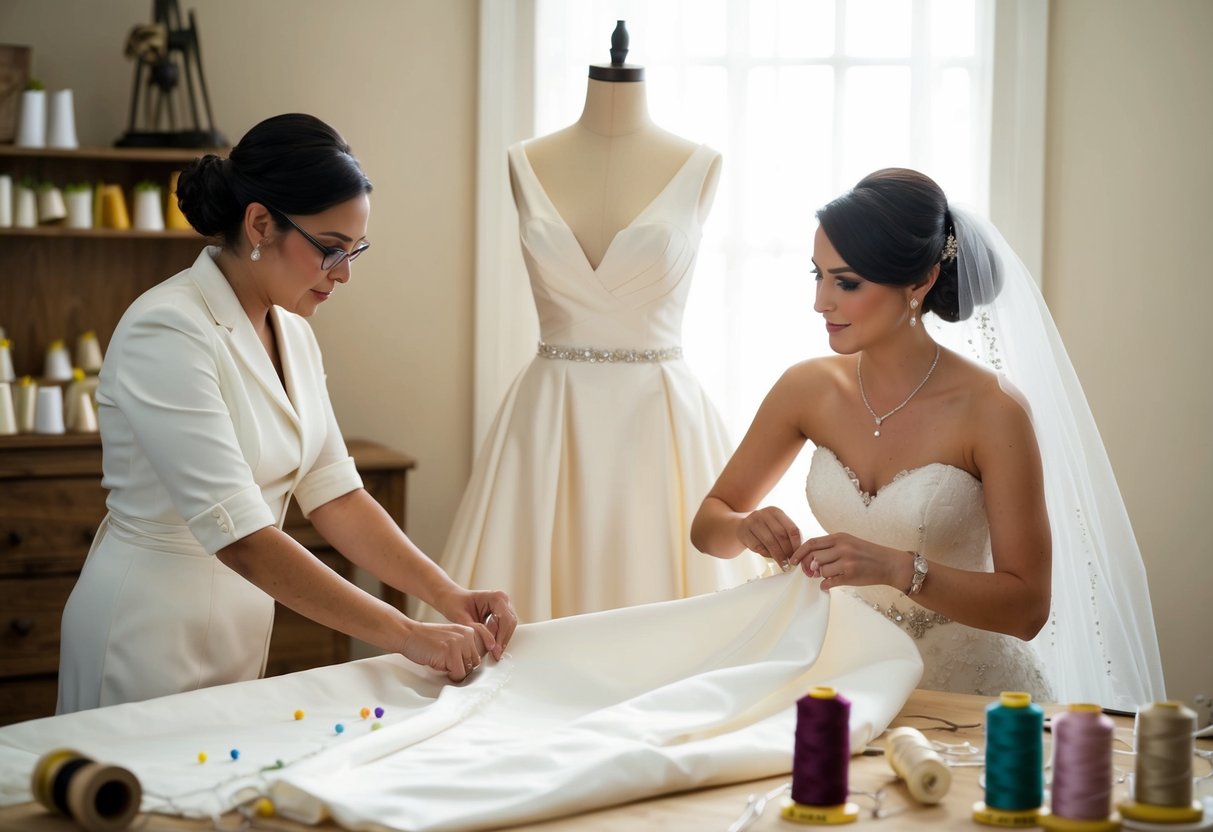
Getting your wedding dress altered involves several important steps to ensure it fits perfectly and reflects your unique style. Each part of the process helps to make your dress feel like it was custom-made just for you.
Initial Consultation and Fittings
In the initial consultation, you will meet with your seamstress to discuss your vision. Be prepared to share your ideas and preferences for the dress. This conversation is key to achieving the look you want.
During the first fitting, your seamstress will measure you accurately. She will assess how the dress fits your shape and where adjustments are needed. This may include taking in the bodice, adjusting the hem, or even changing the neckline.
You may have multiple fittings. Each fitting allows you to see the progress made. This is also your chance to ask for changes or adjustments.
Making the Dress Fit Your Unique Body Shape
Your body shape is unique, and your dress should match that beautifully. During the alteration process, adjustments will be made to highlight your best features.
Common alterations include hemming, which ensures the dress’s length suits your height and shoes. Taking in the bodice can create a snugger fit, while loosening may be necessary for comfort.
Your seamstress will use techniques tailored to your body shape, like adjusting the waistline or modifying the sleeves. These changes ensure the dress complements your figure, helping you feel confident on your big day.
Final Touches and Dress Pickup
As the final appointment approaches, your seamstress will focus on the small details that perfect your dress. This includes making any last adjustments to ensure it fits just right.
At this stage, you will also discuss personal touches you might want to add. This could be a custom belt, added lace, or even a unique neckline adjustment. These personalizations make the dress truly yours.
When you go to pick up your dress, ensure you wear the shoes you plan to use for your wedding. This makes the final hem adjustments easy and accurate. Enjoy this moment of seeing your dress completed, ready for your special day!
Evaluating the True Value of Wedding Dress Alterations
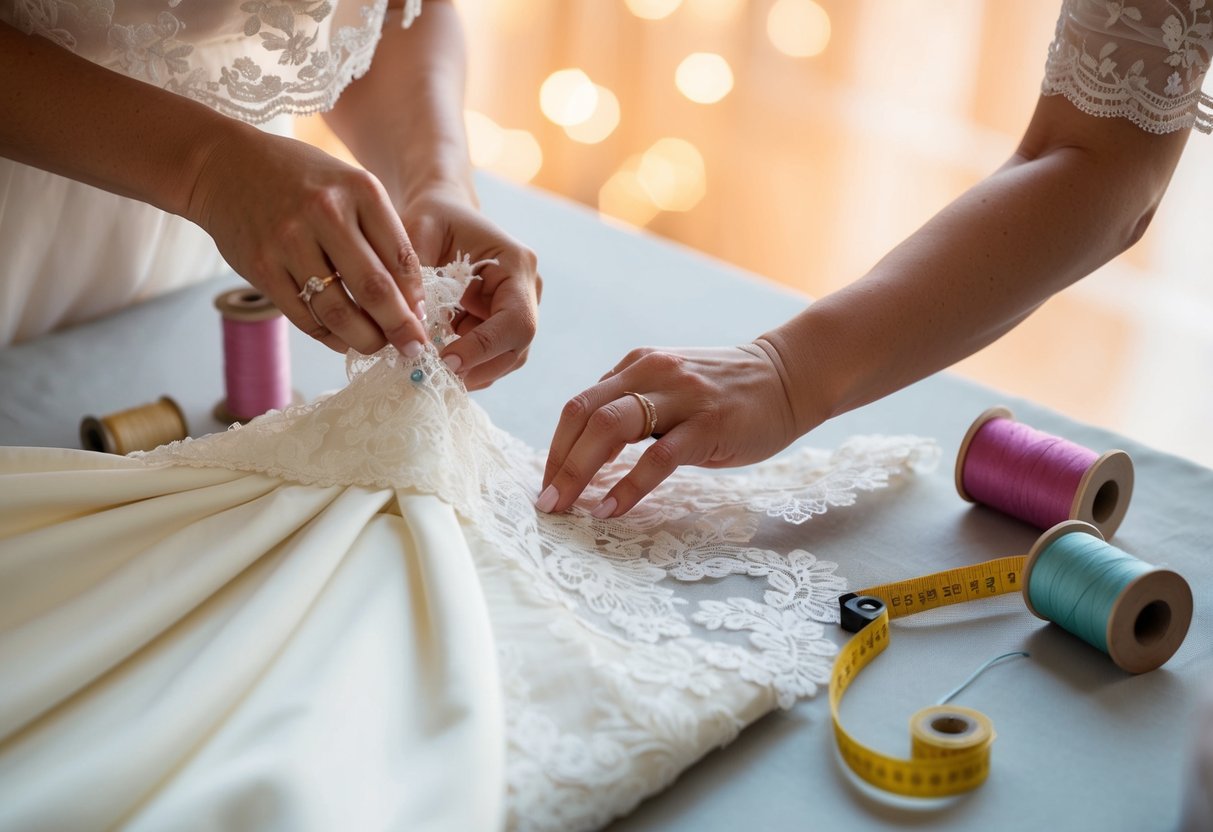
When it comes to wedding dress alterations, understanding their true value involves looking at several key factors. You should consider the expertise involved, the balance between cost and personalization, and how these alterations play into your dream wedding gown.
The Importance of Expertise and Craftsmanship
The cost of wedding dress alterations reflects the level of skill and craftsmanship needed. Experienced artisans undergo extensive training to master techniques tailored specifically for different types of gowns.
Their work goes beyond basic sewing; it includes customizing the fit to suit your unique body shape. This expertise ensures that your dress looks flawless on your big day. High demand for talented alterations artisans can also drive prices up. Because they are well-trained, they are often sought after, which can add to your costs.
Balancing Cost and Personalization
Every bride wants her gown to be unique. This desire often leads to expensive alterations. Personalization is key to achieving that perfect look. Seamstresses must adjust every detail, from the hemline to the bodice, to match your style and preferences.
While it can be tempting to cut corners, investing in the right alterations ensures that your dress is a reflection of your vision. It’s essential to find a balance between what you’re willing to spend and the level of customization you desire.
Investing in Your Dream Wedding Gown
Think of alterations as an investment in your dream wedding gown. A well-fitted dress enhances your silhouette and boosts your confidence, letting you shine on your special day.
Some alterations may seem expensive, but they can significantly affect how the gown looks and feels. You deserve a dress that fits perfectly and makes you feel beautiful. Spending on quality alterations can make all the difference in your bridal experience.