
Why Are Wedding Meals So Expensive? Understanding the Costs Behind Your Big Day
Wedding meals can often feel like a big splurge for couples planning their special day. The main reason wedding meals are so expensive is due to the high-quality ingredients and services that caterers provide. Together, these create a memorable dining experience. From beautifully presented dishes to a dedicated staff ready to serve your guests, every detail counts in making your celebration perfect.
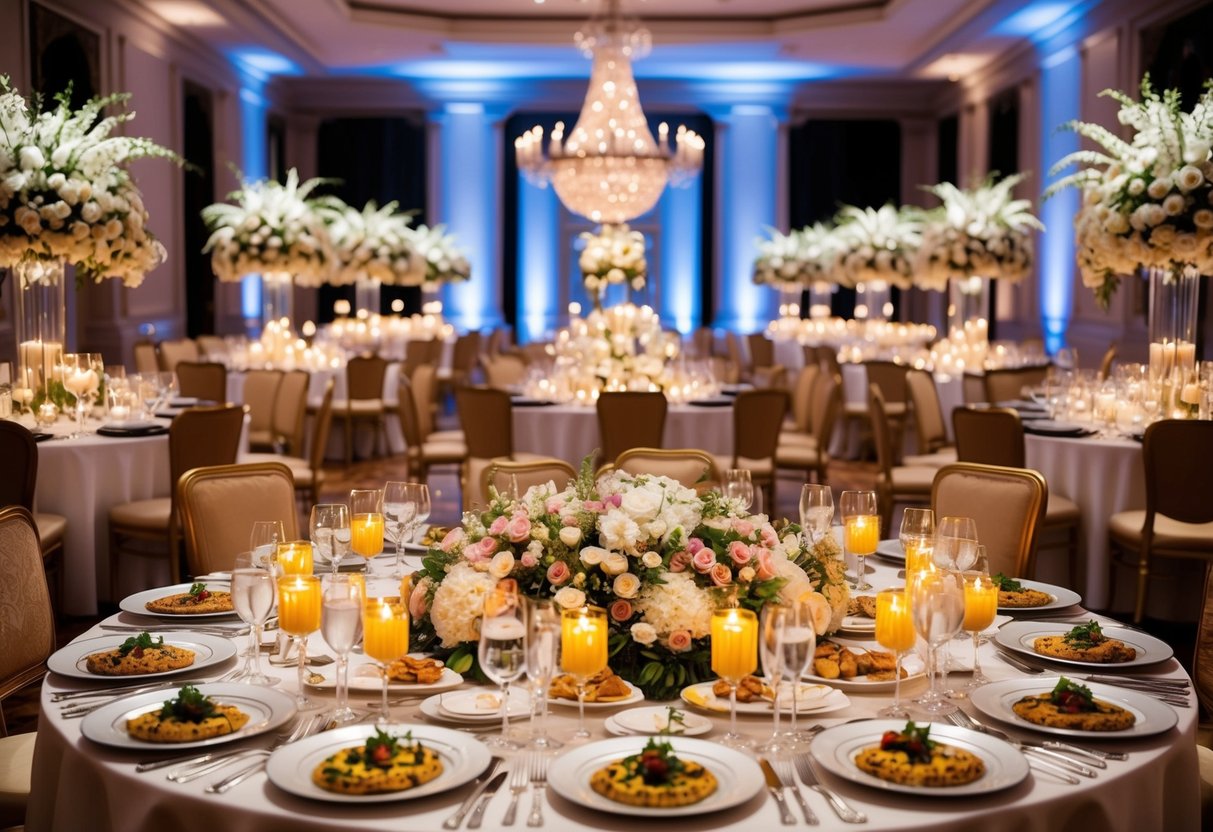
You might also consider that the complexity of planning a wedding meal plays a significant role in the costs. When you choose a three-course menu or incorporate unique dishes, the price per guest can quickly add up. Special dietary needs can further complicate things and increase the overall expense.
Understanding these factors can help you budget better and make informed choices for your wedding catering. With some planning and creativity, you can still provide delicious meals without breaking the bank.
Understanding Wedding Catering Costs
Wedding catering costs can seem high for various reasons. It’s essential to know what contributes to these expenses to better prepare your budget.
From the types of meals to the number of guests, each factor plays a role in shaping your final catering bill.
Components of Catering Expenses
Catering expenses include several key components. First, there are food costs. This is usually the largest part of your budget and is influenced by the menu you choose. For example, a higher-end menu featuring premium ingredients will cost more.
Next are staffing costs. This includes chefs, servers, and event staff who ensure everything runs smoothly on your big day. Staffing can vary depending on your guest count and the complexity of your menu.
Additionally, equipment fees come into play. Caterers often need to rent dishes, glassware, and cooking equipment for the event. Together, these elements significantly impact your total catering expenses.
Impact of Guest Count on Wedding Catering
Your guest count is a crucial factor in wedding catering costs. Most catering services charge per person for food and drinks. Therefore, the more guests you have, the bigger your catering bill will be.
For instance, if you plan for a three-course meal, the costs can add up quickly. Since higher guest numbers may require more staff, this can also raise your staffing costs.
Having a solid headcount early on can help you manage your budget more effectively. Consider ways to limit the guest list without hurting feelings, such as inviting only close family and friends.
Venue Fees and Catering Services
The venue you choose can also affect your catering costs. Many venues have specific kitchen requirements that impact what caterers can do.
If your venue doesn’t have a fully equipped kitchen, caterers may need to bring in their own mobile kitchens. This additional setup can add to your venue fees.
Some venues also have exclusive catering partnerships, which can limit your options and potentially increase your costs. Always ask about catering restrictions when selecting a venue.
Factors Contributing to Wedding Meal Expenses
Wedding meals can be costly due to several specific factors. Understanding these can help you navigate your budget better and make informed decisions for your big day.
Specialized Wedding Caterer Services
Choosing a wedding caterer is not just about the food. It’s about expertise and service. A specialized wedding caterer often provides tailored packages that fit your needs. They bring experience in handling large events, which includes logistics, staffing, and presentation.
This can increase costs but ensures your meal is served efficiently and at the right temperature. Additionally, caterers may offer various styles, like buffet or plated service. Each option has its own cost structure. For instance, a plated meal often costs more due to the extra staff required to serve your guests.
Liquor Licenses and Signature Cocktails
Serving alcohol at your wedding can significantly raise meal expenses, especially if you opt for signature cocktails. Many states require venues to have liquor licenses, which can add to the overall cost.
Signature cocktails often demand unique ingredients or custom recipes, driving up prices further. You might want to consider offering a limited selection of drinks to manage costs effectively.
Alternatively, a cash bar can help, but it’s important to gauge your guests’ preferences. Remember, well-planned drink options can enhance the experience without breaking the bank.
Personalization and Unique Catering Menu Options
Personalization is a huge trend in wedding planning. It allows you to showcase your style but can also add to the meal’s cost.
Customizing your catering menu to include specific dishes or dietary options requires more planning and resources. This might involve sourcing special ingredients, affecting labor and preparation time. Specialized requests like vegan dishes or gluten-free options can also increase expenses.
You want your meal to reflect your personality as a couple, but balancing creativity and budget is key. Catering to personal tastes will make your wedding memorable, yet it’s essential to keep an eye on costs.
Navigating Your Wedding Budget
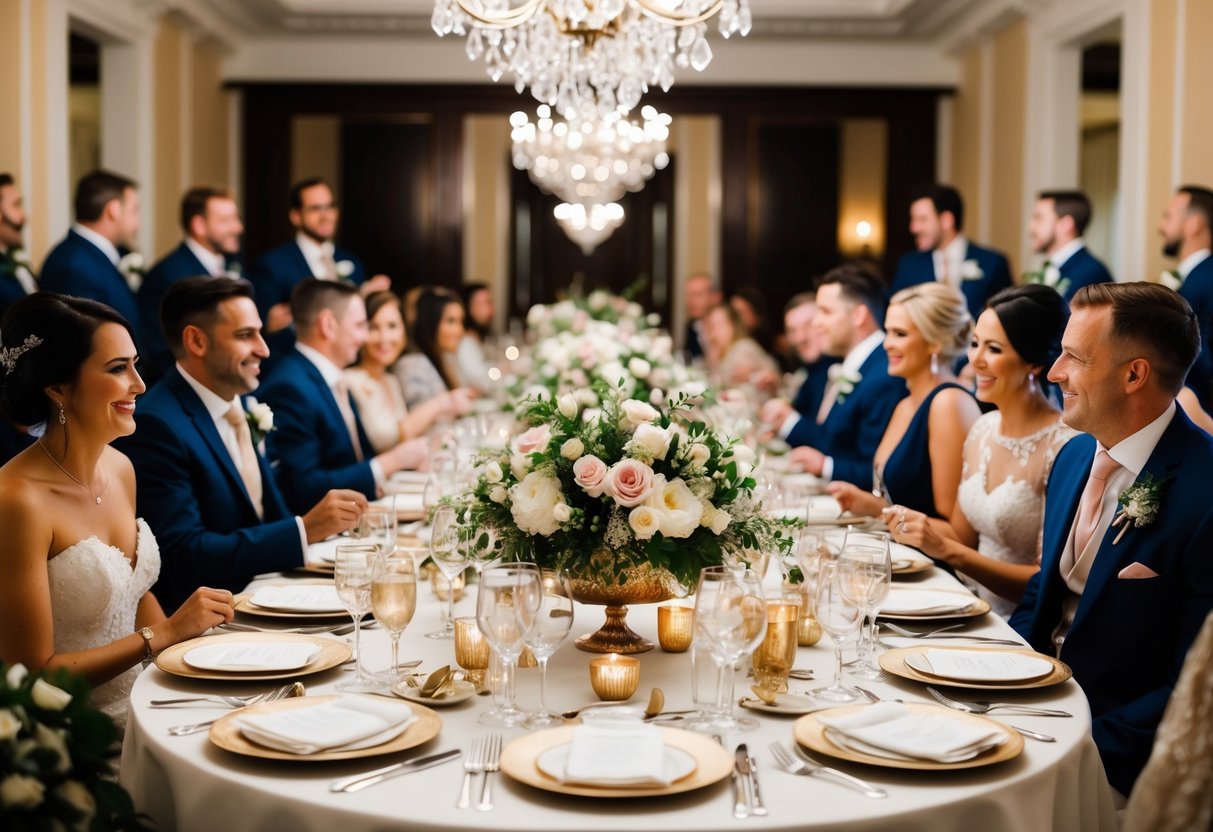
Planning a wedding can feel overwhelming, especially when it comes to managing your budget. Understanding how to allocate funds effectively and explore options for reducing costs can make a significant difference in your overall spending.
Allocating Funds for Wedding Catering
Catering is often one of the biggest expenses in your wedding budget. To manage this, start by setting aside a specific percentage of your total budget solely for catering.
A good rule of thumb is to allocate around 25-50% of your wedding budget to food and drinks, depending on the scale of your event. Make a checklist of the catering services you will need. This includes appetizers, main courses, desserts, and beverages.
Consider the number of guests when estimating costs. A guest list of 100 can quickly increase your total. Stay flexible with your catering options by being open to different menu styles, such as buffet versus plated meals, as this can affect pricing significantly.
Options for Reducing Catering Costs
There are many creative ways to cut catering costs without sacrificing quality. One option is to consider a self-catering approach, where you and your family handle preparations. This can save significant money but requires more effort.
Another strategy is to choose seasonal or local ingredients, which often cost less. You could also opt for a simpler menu with fewer courses. For example, serving a well-prepared chicken dish instead of steak can greatly reduce expenses. Lastly, consider hosting your wedding during an off-peak season or day, like a Friday or Sunday, to take advantage of lower catering rates.
The Role of a Wedding Planner in Cost Management
A wedding planner can be invaluable in keeping your budget on track. They have experience with pricing and can help you find reliable catering options that fit your budget.
Planners often have relationships with vendors, which may lead to discounts you might not get on your own. They can also guide you in making informed choices about your menu and serve as a mediator between you and your caterer.
This ensures that you get not only the best food but also the best value. Having a planner who understands your budget can help you navigate unexpected costs and last-minute changes, making the process smoother and less stressful.