
Why Are Wedding Services More Expensive? Understanding Hidden Costs and Industry Trends
You might have noticed that wedding services often come with a hefty price tag. This is due to the combination of high expectations, emotional significance, and what some call a “wedding tax.” Couples want their big day to be perfect, leading to increased demand for top-notch services and venues that can meet those expectations.
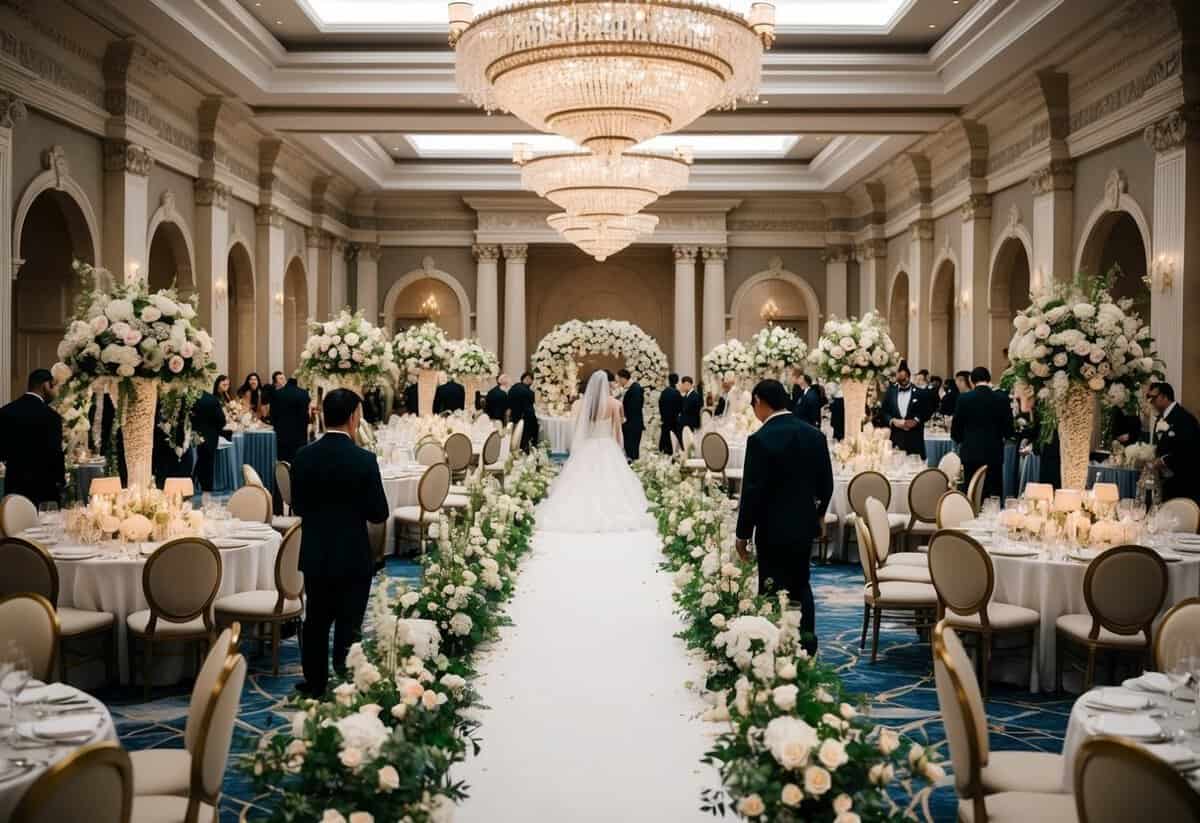
The wedding industry is unique, with vendors charging more due to the specialized services they provide. This extra cost often stems from the belief that weddings require a higher level of care and attention. When you factor in the logistics and the emotional weight of the occasion, it becomes clear why prices can soar.
Understanding why wedding services are priced higher can help you make informed decisions as you plan your celebration. Whether it’s choosing the right venue or selecting a photographer, knowing the reasons behind these costs can ease some of the stress that comes with planning your dream wedding.
The Wedding Industry and Average Costs
The wedding industry is a vast realm, and its costs can be surprising. Many factors contribute to the overall price of weddings, including venue choices, guest count, and specific services.
Understanding Wedding Industry Pricing
Pricing in the wedding industry can vary wildly. Factors such as location, season, and demand play a big role. For example, couples in high-cost regions like New Jersey can see average wedding expenses around $51,000. In contrast, places like Utah may average $16,000. These price differences depend on the availability and type of vendors, venues, and services you choose.
Couples often find the costs surprising because they are based on complex factors. Many wedding planners recommend keeping realistic expectations. Understanding these dynamics can help you make better decisions about your budget.
The Impact of Guest Count and Wedding Venue
Your guest count greatly affects your wedding costs. More guests mean higher expenses for catering, seating, and other logistics. A wedding with 100 guests could run significantly more than an intimate gathering of 30. According to recent studies, the average cost of wedding venues can fluctuate based on size and location.
Venues that provide all-inclusive packages might seem expensive upfront. However, they can save you money long-term. This includes not only the venue itself but also food and beverage costs. Therefore, it’s essential to weigh the pros and cons of each option carefully.
Average Cost of a Wedding Breakdown
Here’s a brief look at the average costs associated with a wedding:
- Venue: This is typically one of your biggest expenses. Venues can range from $5,000 to $12,000 or more.
- Catering: Expect around $50 to $150 per person for food and drinks.
- Photography: Good photography services can range from $2,000 to $5,000.
- Flowers: Budget about $2,000 to $3,500 for floral arrangements.
- Miscellaneous Costs: Don’t forget about attire, entertainment, and decorations. These can add another $3,000 to $10,000 to your budget.
With average U.S. wedding costs around $33,900, careful planning is crucial to avoid budget surprises.
Key Drivers of Wedding Expenses
Weddings can be costly, and several factors contribute to their overall expense. Understanding these costs can help you manage your budget better.
Wedding Planning and Coordination Costs
Hiring a wedding planner can significantly impact your budget. Wedding planners often charge based on the complexity of the event and their level of experience. Their fees can range from a few hundred to several thousand dollars.
A skilled planner helps coordinate all the details, ensuring everything runs smoothly. This service includes vendor negotiations, timeline management, and day-of coordination. Paying for a planner can save you time and stress, but it’s essential to weigh this against your budget.
You might also encounter additional costs for consultations or event design. Some planners offer different packages to fit various budgets. Be sure to ask about these options to find one that works for you.
Expensive Weddings: Dress, Cake, and Decor
The cost of wedding attire, like the wedding dress, can vary greatly. Average dress prices range from $1,000 to $5,000 or more, depending on the designer and materials used. Custom dresses often come with a higher price tag.
Wedding cakes are another significant expense. A simple cake may start at $300, but elaborate designs can soar to $1,000 or higher. The size, ingredients, and detail of the decoration all affect the price.
Floral arrangements also play a pivotal role in your decor. Bouquets, centerpieces, and other floral displays can add up quickly. Budget-conscious couples might consider seasonal flowers or alternative decor to keep costs manageable.
Variations in Wedding Photography Pricing
Wedding photography is essential for capturing your special day, but costs can vary widely. A professional photographer may charge anywhere from $1,500 to $5,000 or more, based on their experience and the services offered.
Packages usually include time spent on-site, editing, and sometimes even prints. You might find photographers who offer a second shooter for an extra fee, which can be helpful for capturing multiple angles.
When choosing a photographer, review their portfolio to ensure their style matches your vision. Knowing what you want can help you communicate effectively and find someone who meets your budget needs.
Additional Factors Influencing Costs
Weddings have many costs that can surprise you. Understanding specific factors can help you manage your budget. Here are some important points to consider regarding wedding vendor markups, destination weddings, and enhancing the guest experience.
Wedding Vendor Markups
When hiring wedding vendors, you might notice markups in their prices. Vendors often charge more because they are providing their services during peak wedding season. Popular vendors may charge higher rates to meet demand.
Additionally, many vendors include expenses for coordinating with other services. This can cover setup, cleanup, and even transportation of goods.
It’s important to ask vendors detailed questions about their pricing. Transparent conversations can help you understand what you’re paying for. This knowledge can empower you to negotiate and find the best value for your wedding budget.
Budgeting for a Destination Wedding
If you’re considering a destination wedding, be aware of unique budgeting challenges. You will need to factor in travel costs for both you and your guests. Airfare, hotel accommodations, and transportation can add up quickly.
Also, some destinations have higher venue fees, especially in tourist-heavy areas. This can affect your overall wedding costs.
To manage these expenses, create a detailed budget early on. This should include all travel, accommodations, and venue costs. Communicating openly with guests about their expected expenses can also help them plan ahead.
Enhancing the Guest Experience
Creating a memorable experience for your guests can increase the overall costs of your wedding. Special touches like welcome bags, personalized favors, or unique entertainment can be appreciated but can also add to the budget.
Consider what aspects are most important to your guests. Would they enjoy interactive entertainment, or is a beautiful setting enough? Deciding on the essentials can help limit additional costs.
Lastly, remember that thoughtful hospitality, even on a budget, goes a long way. Great communication and fun activities can make your celebration enjoyable for everyone, without breaking the bank.
Strategies for Managing Wedding Budgets
Managing your wedding budget is essential. With the right strategies, you can keep your wedding costs in check while still creating a memorable day. Here are some effective ways to navigate your wedding expenses.
Negotiating with Vendors and Venues
Don’t be afraid to negotiate. Many vendors and venues expect it and may have some wiggle room in their pricing. Start by researching the average costs in your area. This way, you have a solid basis for discussion.
When you contact vendors, express your interest and ask if they can offer discounts or package deals. Consider booking during off-peak times, as this can often lead to lower prices.
Prepare to be flexible. If a specific vendor is slightly out of your budget, see if they can recommend a lower-cost option. Building a good relationship with your vendors can also help ease negotiations.
Deciding Where to Splurge or Save
Prioritize your budget by deciding where to splurge and where to save. Start by listing elements that matter most to you, like your dress, photography, or venue. Focus on spending more on those aspects.
On the other hand, consider cuts in areas that may be less significant. For example, you can save by opting for a buffet instead of a plated meal or reducing your guest list size.
A good rule is to keep your guest list small. Each guest adds expenses for food, drinks, and seating. Balancing your desires with your budget is key to a successful wedding plan.
Tips on Reducing Overall Wedding Expenditures
To cut down on wedding expenditures, think creatively. For décor, consider DIY projects. You can make centerpieces or invitations that reflect your style without breaking the bank.
Also, look for ways to simplify your wedding. Consider less expensive venues such as parks or family homes. These options often offer charm and intimacy while saving you money.
Don’t overlook online resources for deals. Websites often sell discounts on wedding services. You can also reach out to local bridal shops for sample sales or promotional offers. Every little bit adds up!