
Why Can’t the Groom See the Bride the Night Before the Wedding? Understanding the Tradition and Its Meaning
As you prepare for your big day, you might wonder why many traditions suggest the groom shouldn’t see the bride the night before the wedding. This practice can be traced back to old superstitions that claim it brings bad luck. These beliefs stem from times when arranged marriages were common, and seeing your partner too soon could spark doubts or fears.
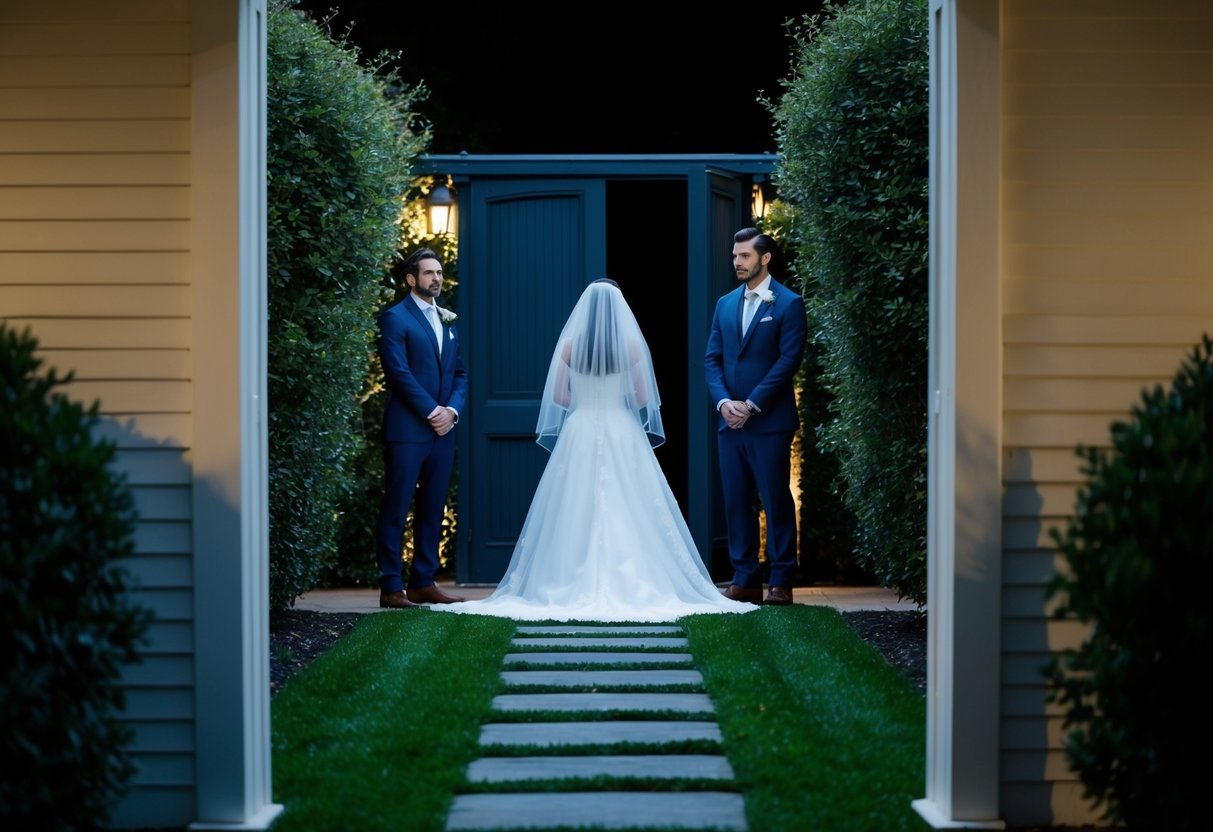
On the wedding day, the moment when the bride and groom see each other for the first time is often filled with emotion. This anticipation adds to the magic of the ceremony.
Keeping your distance the night before can heighten that excitement, making the actual reveal even more special and memorable.
While these traditions may seem outdated, they still hold significance for many couples. Understanding the reasons behind them can help you appreciate the rituals that shape your wedding experience. Embracing this practice may add a touch of tradition to your celebration that you and your guests will cherish.
Origins of the Tradition
The tradition of not allowing the groom to see the bride before the wedding has deep roots in history and culture. It ties back to social customs surrounding marriage and the dynamics of arranged marriages, where the couple often had little or no prior acquaintance.
Historical Context
This custom dates back centuries and is often linked to superstitions surrounding weddings. In many cultures, it was believed that seeing each other before the ceremony would bring bad luck.
Tradition held that if the groom saw the bride before the wedding, he might reconsider or back out altogether.
This was particularly important in societies where marriages were often arranged by families, adding pressure to maintain the sanctity of the event.
Arranged Marriages and Anonymity
During the time of arranged marriages, many grooms and brides were strangers before their wedding day. Seeing each other was risky, as it could lead to doubt or hesitation.
Keeping the bride hidden until the ceremony helped to create a sense of mystery and anticipation.
This practice ensured that the groom felt a sense of commitment upon marrying someone he might not fully know.
Over time, this tradition evolved and has become a common wedding superstition, still observed in many cultures today.
Modern Interpretations
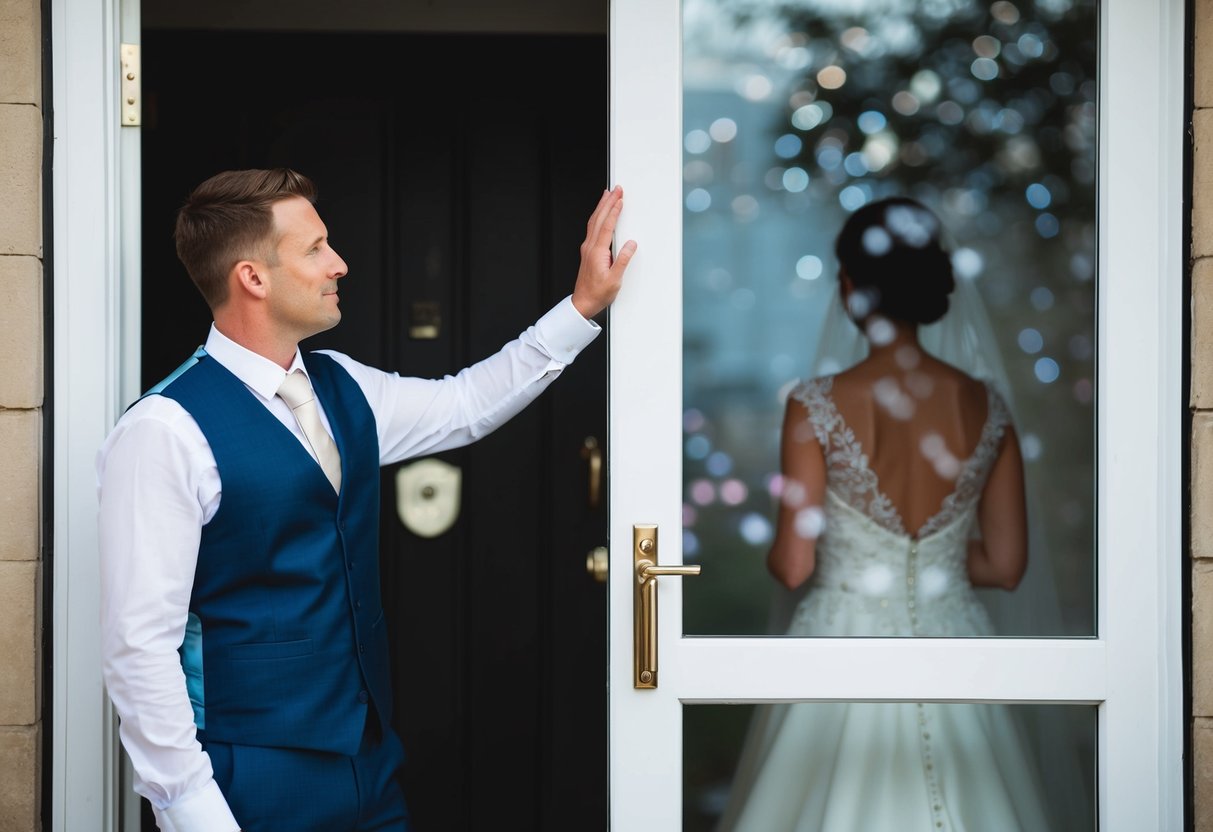
In today’s weddings, the tradition of not seeing each other before the ceremony has evolved. Many couples now embrace new customs that allow for more personal moments before the big event. Here are two key ways this tradition is reshaped.
First Look Moments
Many couples choose to have a “first look” before the ceremony. This private moment allows you and your partner to see each other in your wedding attire in a romantic setting.
Often set in a beautiful location, this moment gets captured by your wedding photographer.
The excitement of seeing each other early can help ease nerves. It creates an intimate experience that focuses on both of you, away from the crowd. This personal time can strengthen your bond before walking down the aisle.
Wedding Day Preparations
Modern weddings still hold onto the essence of tradition, but they adapt to fit personal choices.
During preparations, it’s common for you to spend time with friends and family. This interaction adds joy and excitement to the day.
Brides often choose to get ready in a special space, allowing for beautiful photo opportunities. Grooms can also share moments with their friends while preparing. All these activities help build anticipation for when you see each other for the first time on your special day.
Planning Considerations
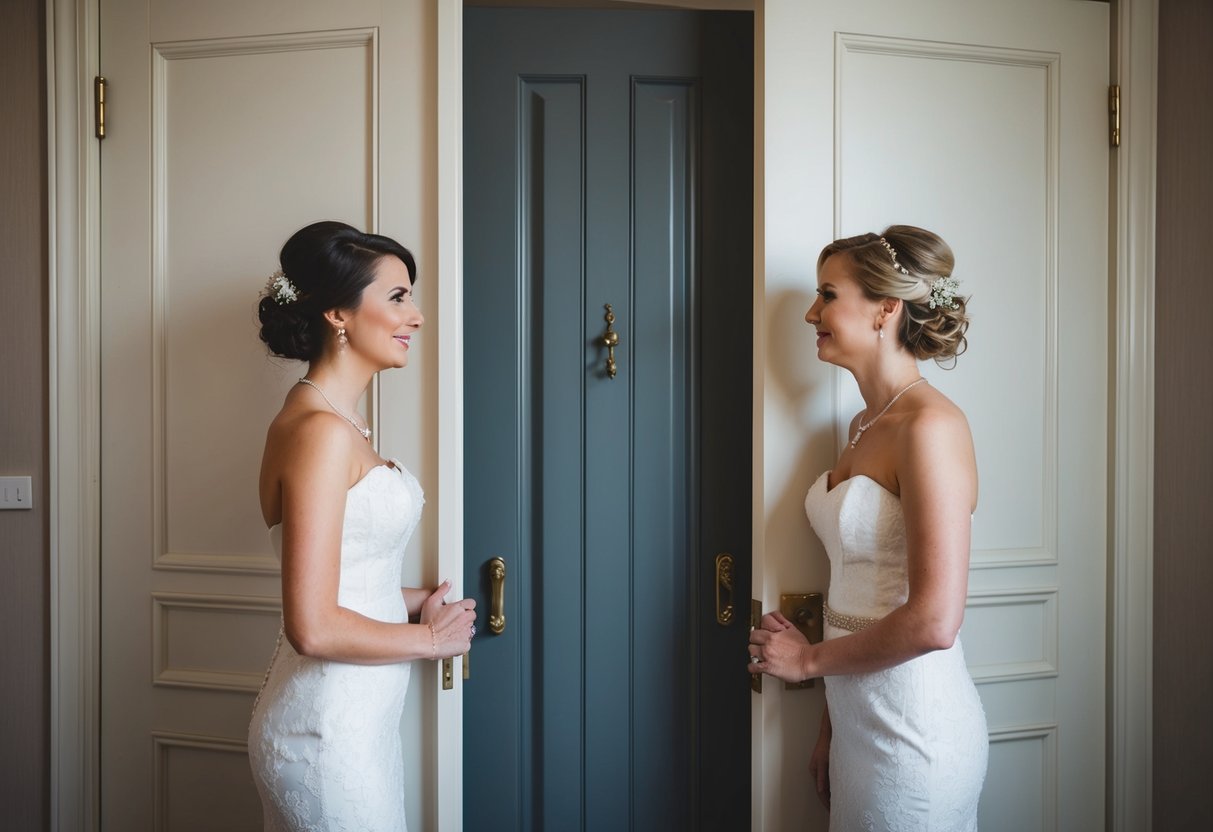
When planning your wedding, it’s important to think about how to create excitement and anticipation. The choices you make can enhance the emotional experience for both you and your partner. Here are some key aspects to consider.
Creating Anticipation
Anticipation plays a big role in the excitement of your wedding day. When the groom does not see the bride the night before, it builds a sense of mystery and eagerness.
You can use this time to reflect on your relationship and what the day means to you both.
Consider setting up a special activity or gift exchange the night before. This can make the waiting period feel more meaningful. As you prepare separately, you both can share your feelings through letters or personal notes. Such gestures will deepen your emotional connection.
Scheduling First Touch
The first touch is a beautiful moment that many couples cherish. It allows you to connect without seeing each other fully before the ceremony. You can schedule this between your preparations to maintain the thrill.
Plan a specific time and place where this will happen. It could be right before the ceremony or during a private moment arranged by your planner. Make sure to share your feelings during this time. It will help with pre-wedding jitters and create a moment you’ll remember for years to come.