
Why Can’t the Groom See the Bride on Wedding Day? Understanding the Tradition Behind the Surprise
On the wedding day, a common tradition is that the groom should not see the bride before the ceremony. This practice is tied to beliefs that seeing each other too early brings bad luck and takes away from the emotional moment when you first see each other at the altar. Many couples cherish this moment, as it is filled with anticipation and heartfelt emotion.
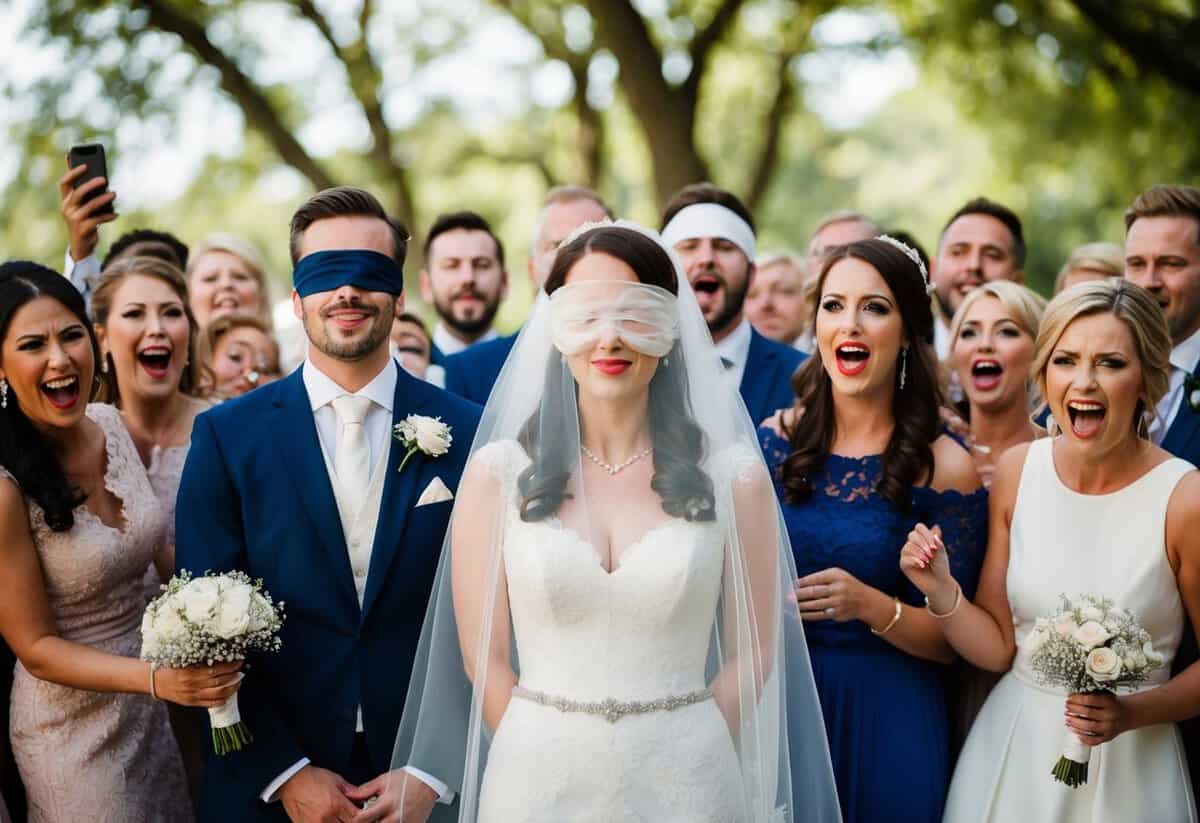
As the bride walks down the aisle, the excitement builds for both of you. This is often one of the most memorable parts of the wedding ceremony. The look you exchange can be filled with love, joy, and even a few tears, making the day feel even more special.
Understanding this tradition can help you appreciate its role in your big day. Whether you choose to follow it or create your own special moment, the focus is on celebrating your love story together.
The Origin of the Tradition
Understanding why the groom cannot see the bride before the wedding ceremony involves exploring its historical roots and connections to arranged marriages. This tradition stems from superstitions that have been passed down over the years.
Historical Superstition
The idea that it is bad luck for the groom to see the bride before the wedding traces back to ancient beliefs. It originated from the fear that seeing each other beforehand could jinx the marriage. The reasoning was that if the couple saw each other, it might lead to doubts or even cancellations.
These superstitions were prevalent in cultures where fate played a significant role in marriages. If a couple split before the wedding, it could bring shame on both families. This concept helped solidify the tradition of the bride and groom staying apart until they exchanged vows.
Alignment With Arranged Marriages
Many traditions surrounding weddings are linked to the customs of arranged marriages. In these situations, the families chose the partners, often without the couple knowing each other well. By keeping the groom from seeing the bride before the ceremony, families aimed to maintain a sense of mystery and excitement.
This separation helped to avoid any last-minute changes of heart. It emphasized the importance of the union instead of individual feelings. Over time, as love-based marriages became more common, the tradition stayed alive but transformed into a romantic gesture rather than a strict rule.
Symbolism Behind the Tradition
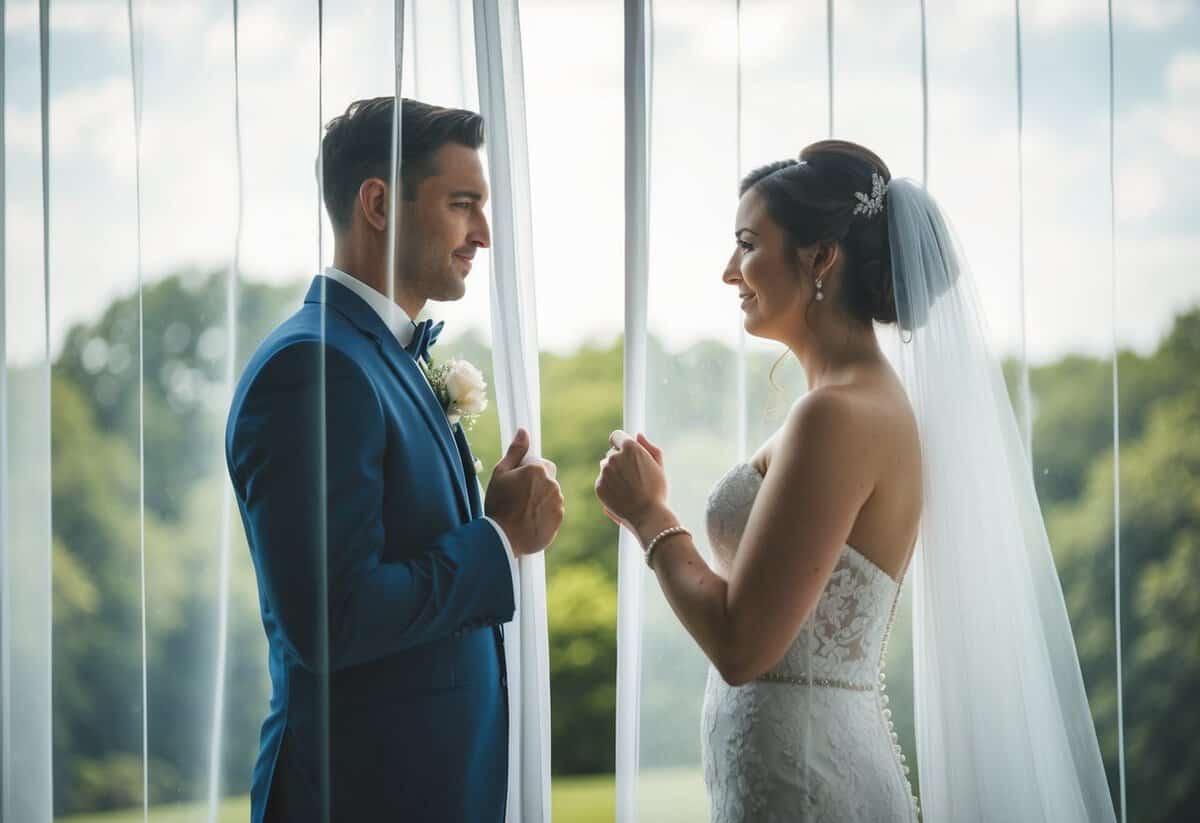
The tradition of not allowing the groom to see the bride before the wedding day is rich with meaning. It highlights emotions, builds anticipation, and protects against negative superstitions. Each aspect contributes to the excitement of the ceremony and the bond between the couple.
Anticipation and Surprise
One of the key elements of this tradition is the anticipation it creates. You wait until the ceremony to lay eyes on your bride in her wedding dress. This moment is meant to be filled with emotion and surprise. When you first see her walking down the aisle, it marks a significant and unforgettable part of the day. This buildup of anticipation enhances the joy and excitement of the ceremony, making it even more special. Many couples find that this moment becomes a cherished memory they talk about for years to come.
Protection from Bad Spirits
Another reason behind this tradition relates to superstitions that exist around weddings. In some cultures, it was believed that seeing each other before the ceremony could attract bad spirits. These spirits might cause misfortune or problems for the couple. By keeping you and your bride apart until the vows are exchanged, this practice aims to shield you both from any negative influences. It aligns with the idea that a wedding day should be protected and sacred, ensuring that all proceeds smoothly and without unexpected occurrences.
Pure Emotions
The separation also fosters pure emotions on the wedding day. When you finally see your bride, the feelings that emerge are often more intense. The mix of love, excitement, and perhaps even nerves can lead to a powerful emotional experience. This moment allows both of you to express your feelings genuinely. Without the presence of distractions, you can focus on each other and the commitment you’re about to make. This connection helps to deepen your bond before you start your journey together as a married couple.
Modern Interpretations and Choices
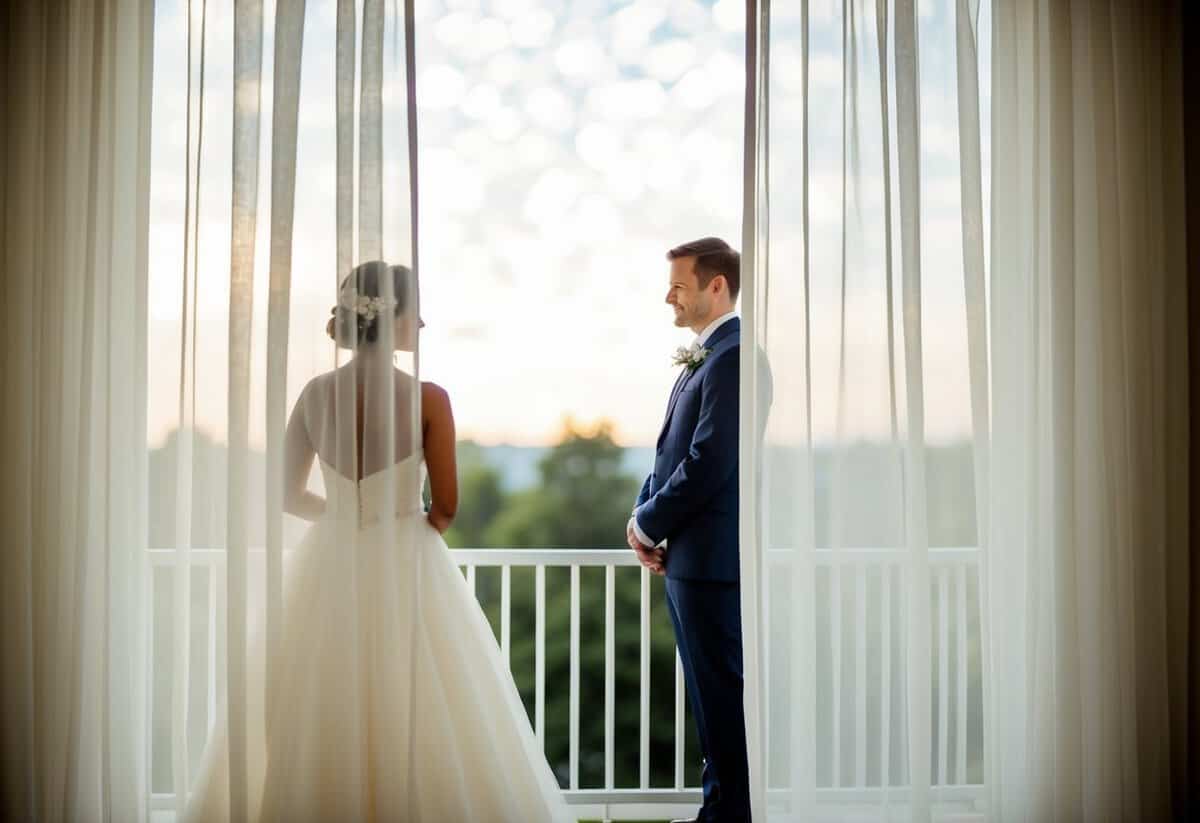
The tradition of the groom not seeing the bride before the wedding is changing. Many couples now blend personal preferences with old customs. Here’s how you can interpret these choices for your big day.
Personalizing the Wedding
You have the chance to make your wedding unique. Some couples decide to have a “first look” moment before the ceremony. This allows both of you to see each other in your wedding attire privately. This personal touch can reduce stress and create a more intimate experience. You can also take photos together, capturing those emotions before the ceremony begins.
Other couples may still stick to tradition but add their own twist. For instance, you might consider having the groom in a separate room, while the bride shows off her dress to family first. This keeps some excitement while allowing for personal moments.
Balancing Superstition and Practicality
Many wedding traditions stem from superstitions about luck. For example, the belief that seeing the bride before the wedding brings bad luck. However, practicality is also important in your planning.
You could choose to go against tradition and focus on what feels right for you both. A first look, for instance, can ease nerves and help you connect before the vows.
Choosing a modern approach doesn’t mean you disregard the importance of traditions. You can honor them while creating your own memorable experiences. The key is to find a balance that makes your day special and true to you both.