
Why Can’t the Mother of the Groom See the Wedding? Understanding This Common Concern
If you’ve ever wondered why the mother of the groom is often kept from seeing the wedding before the ceremony, you’re not alone. Many wedding traditions are steeped in superstition and cultural beliefs that have been passed down through generations. In some cultures, people believe that if the mother of the groom sees the wedding before the big day, it can bring bad luck or negatively impact the marriage.
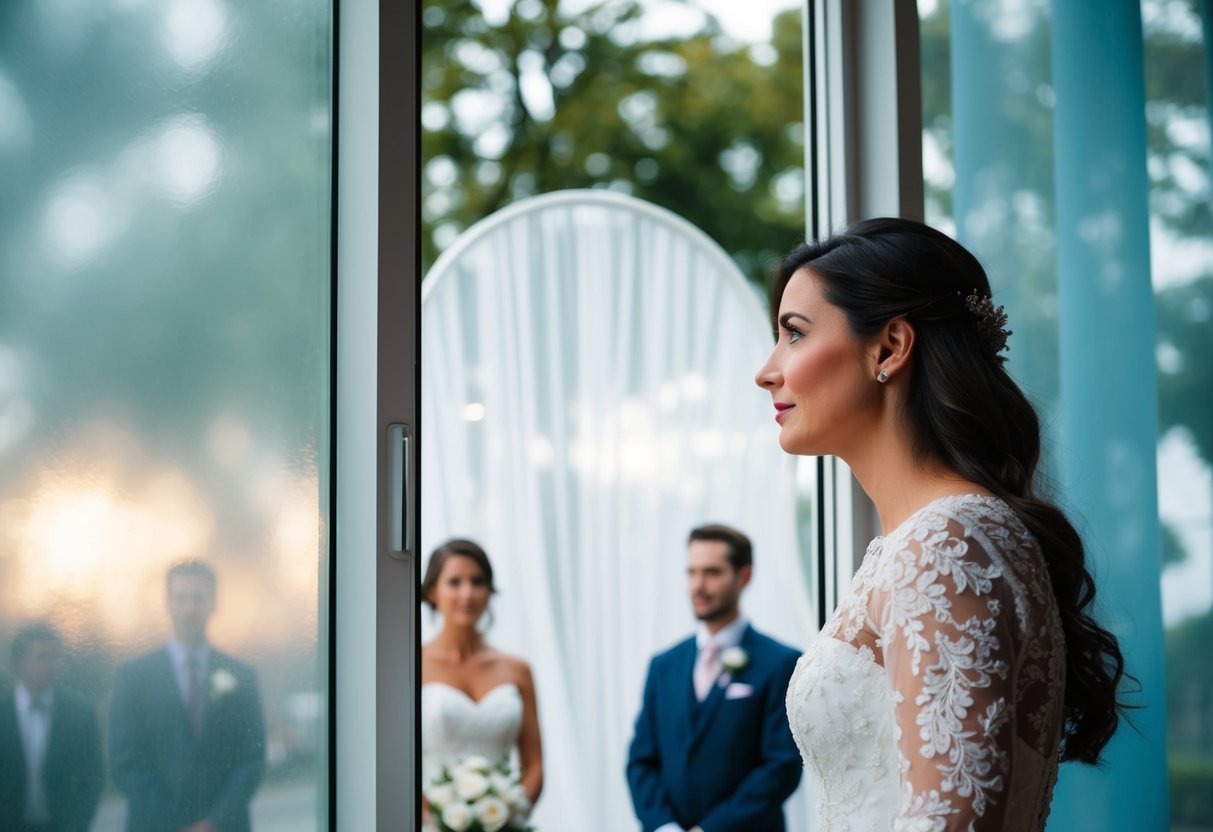
Understanding this tradition offers insight into the significance of the wedding ceremony itself. It’s a day filled with rituals and customs aimed at ensuring the couple starts their journey together on the right foot. By respecting these traditions, you can help maintain the special meaning behind the event and create lasting memories for everyone involved.
Exploring the reasons behind such superstitions can also add a fun twist to your wedding planning. Not only does it spark interesting discussions among family and friends, but it might also inspire you to incorporate some of these traditions into your own celebration, making it unique and meaningful.
Traditions and Beliefs Explained
Many wedding traditions link to superstitions that aim to protect against bad luck. These customs often have deep roots in cultural history. Understanding these beliefs can shed light on why certain actions, such as the mother of the groom not seeing the wedding, are observed.
The Roots of Wedding Superstitions
Wedding superstitions have been passed down through generations. Some beliefs come from ancient cultures where rituals were meant to ward off evil spirits. For instance, many believe that if the bride and groom see each other before the ceremony, it may bring bad luck. This idea is especially prominent in cultures that view the wedding day as sacred. The act of keeping certain family members, like the mother of the groom, from seeing the wedding is also to maintain harmony and protect the couple’s future. These customs help build anticipation for the big day while honoring tradition.
Bad Luck Myths and Their Origins
You may have heard of certain months being regarded as unlucky for weddings, such as May. This belief comes from various cultural myths, including those claiming that the month brings disappointment or misfortune. Many superstitions focus on the idea that if something goes wrong on your wedding day, it could indicate future troubles for the marriage. From breaking a glass to finding a stray hair in food, each situation has its own myth tied to it. It’s essential to recognize that these beliefs reflect cultural practices and should be viewed with a sense of tradition rather than strict rules.
Role of the Mother of the Groom
The mother of the groom has important duties that contribute to the wedding experience. From choosing the right dress to taking part in pre-wedding events, your role is essential in supporting your son and his partner.
Dress Etiquette for the Mother of the Groom
Choosing the right dress is crucial. You should coordinate with the couple about colors and styles. Traditionally, your outfit should complement the wedding colors but not overshadow the bridal party.
Here are some tips:
- Consult the Couple: Always check in with them about their preferences.
- Avoid White: This color is typically reserved for the bride.
- Comfort is Key: Make sure you can move easily, especially if you will be dancing.
This way, you’ll feel confident and comfortable on their special day.
Involvement in Pre-Wedding Activities
Your participation in pre-wedding activities can be very enriching. Get involved in events like the rehearsal dinner and wedding eve gatherings. Help set the tone and build relationships between families.
Key Activities Include:
- Rehearsal Dinner: Planning or hosting can show your support.
- Wedding Eve Help: Assist in final preparations, creating a welcoming environment.
By being present in these moments, you strengthen family bonds and contribute to a joyful celebration.
Modern Interpretations and Adaptations
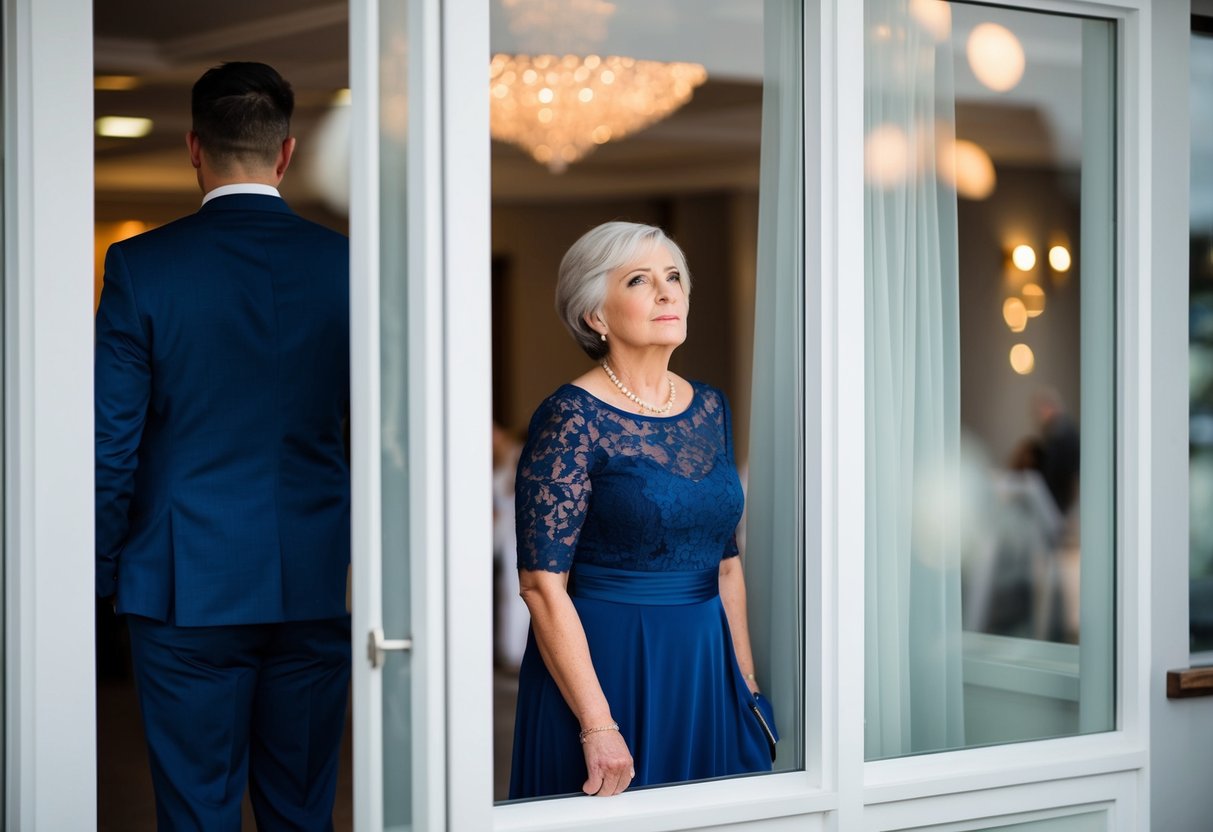
Wedding traditions are evolving to fit today’s values and lifestyles. The roles of family members, including the mother of the groom, are being redefined as couples embrace new ideas. This section explores how attitudes are changing and how unique customs, like first looks, are becoming popular.
Changing Attitudes Toward Wedding Traditions
Many people now view traditional wedding roles differently. Instead of being strict rules, these customs are seen as optional. The idea of the mother of the groom not seeing the wedding before the ceremony is less about superstition and more about personal choice.
Some couples blend cultures or leave behind outdated customs. Arranged marriages, where strict traditions often ruled, are giving way to weddings honoring love and partnership. You might find that many modern weddings are customized, giving everyone, including the mother of the groom, more freedom.
First Looks and Other New Customs
The first look is a growing trend in modern weddings. This moment allows the couple to see each other privately before the ceremony. It often takes place in a serene setting, where they can express their feelings without the pressure of an audience.
Many couples also include their parents in these moments. For instance, the mother of the groom might be allowed to share in this special first look. This new custom helps make weddings feel more personal and can create cherished memories for both the couple and their families.