
Why Can’t You Return a Wedding Dress? Understanding the Policies Behind Bridal Gown Returns
When shopping for a wedding dress, you might wonder why returning one is so difficult. Most wedding dresses are custom ordered and made specifically for you, which is why they typically cannot be returned. This strict return policy is designed to protect bridal stores from financial losses due to unsellable inventory.
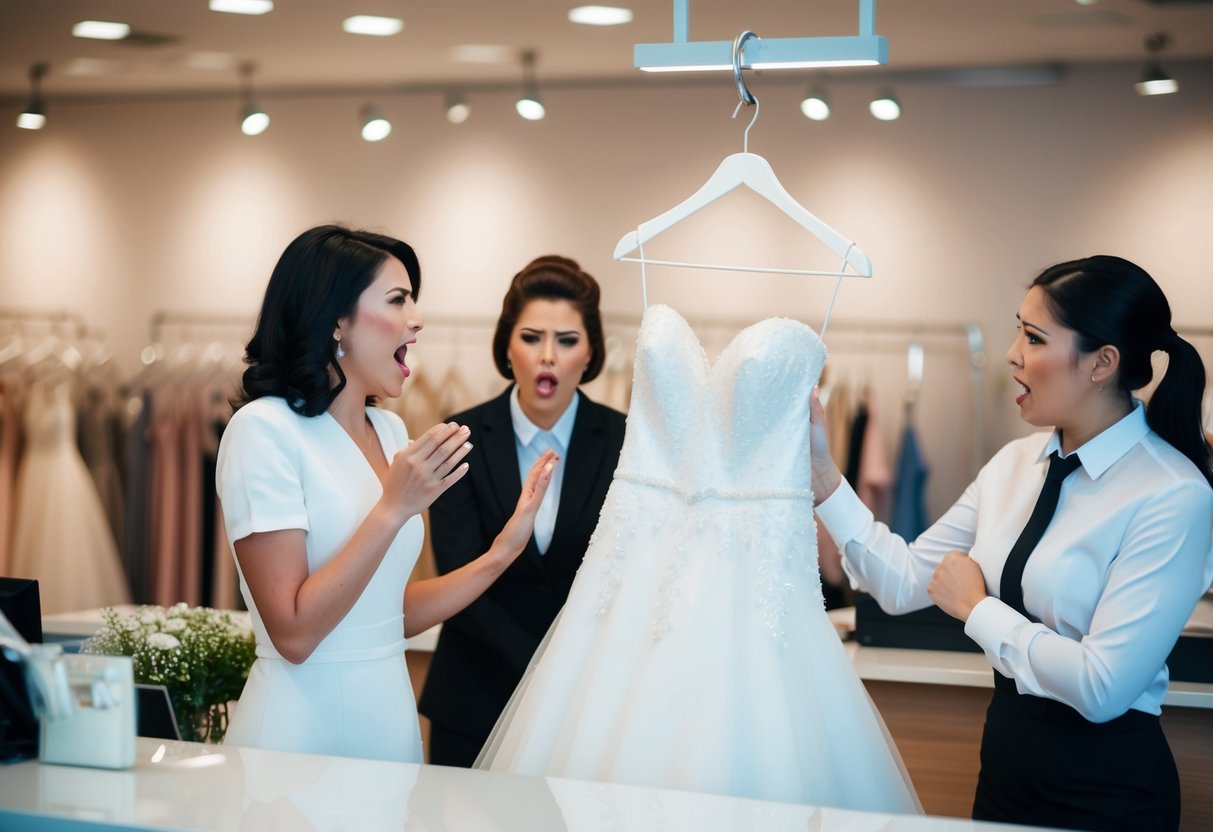
It’s important to know that once you purchase a dress, the store considers it a final sale. Understanding these policies before making a big decision can help you feel more confident in your choice.
You should also be aware of your consumer rights, as they vary by location and can influence return options in different situations.
By knowing the reasons behind these policies, you can make a better choice when selecting your dream dress. Taking your time and asking questions will ensure you find a gown that you love and will cherish on your special day.
Understanding Return Policies on Wedding Dresses
When purchasing a wedding dress, it’s essential to know the return policies. These policies often come with specific conditions and exceptions. Here’s what you need to keep in mind.
Standard Return Conditions
Most stores have strict return policies for wedding dresses. Typically, the dress must be unaltered, unworn, unwashed, and undamaged.
This means you cannot return a dress if it has been altered in any way or used even briefly.
Many shops categorize wedding dresses as final sale items. This prevents refunds or returns once the purchase is complete. Since these dresses are often custom ordered, they are difficult to resell.
You might also find that some stores will not accept returns on certain styles or brands. Always check the specific return policy before making your purchase. This knowledge can help you feel more confident when choosing your dream dress.
Exceptions and Final Sale Clauses
Some exceptions may apply to the standard return conditions. If you received a dress that is faulty or not as described, many stores allow returns.
Always document any issues with photos and communication with the store.
Final sale clauses are crucial to understand. These mean that items cannot be returned or exchanged once bought.
Always ask questions if you’re unsure whether a dress falls under the final sale category.
Checking the return policy before buying can save you time and frustration later. Make sure to read all terms carefully, so you know what to expect.
Reasons for Non-Returnable Wedding Dresses
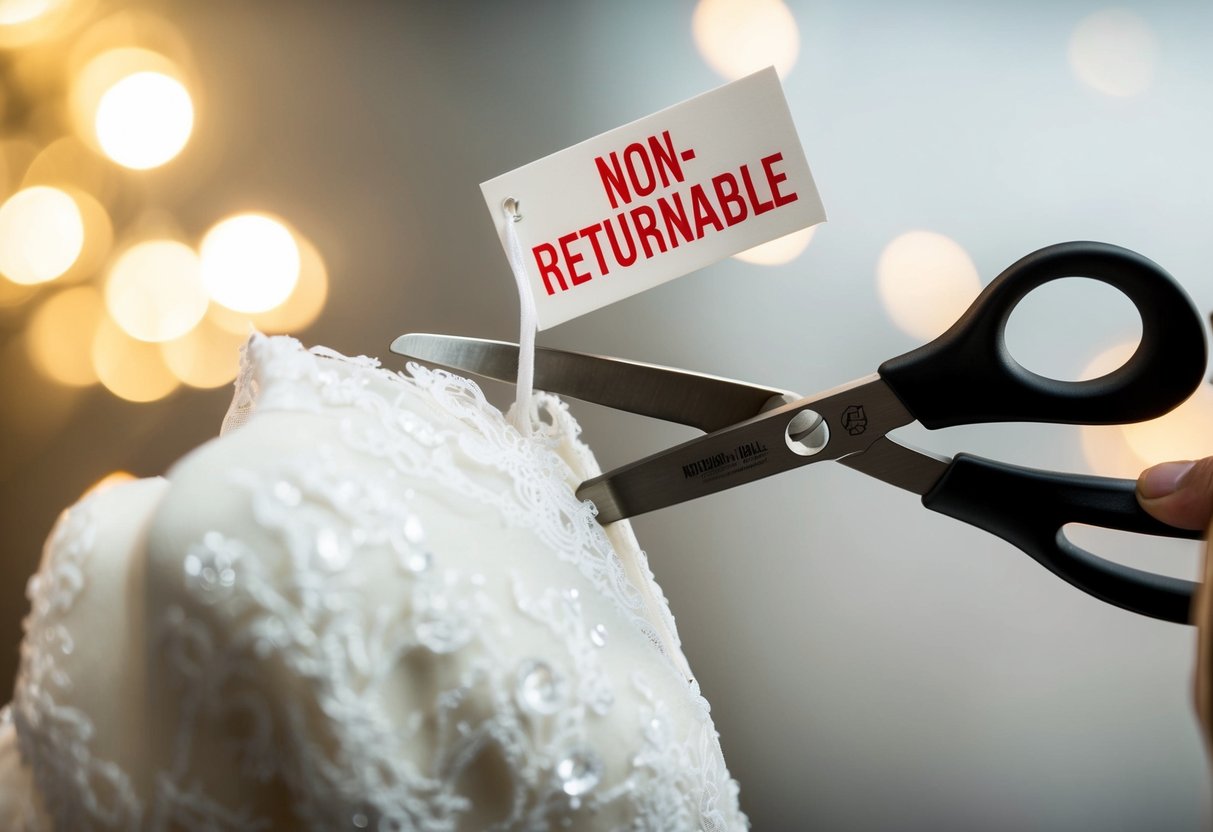
When you shop for a wedding dress, there are important reasons why many stores don’t allow returns. The unique nature of these dresses makes them different from regular clothing. Two main factors contribute to this policy: customization and hygiene standards.
Made to Order and Customization
Most wedding dresses are made to order specifically for you. This means they are tailored to fit your body measurements and style preferences. Once you place an order, the dress is often altered to suit your exact needs.
Because each dress is uniquely designed, it becomes difficult for stores to resell them. If you change your mind after ordering, the store cannot simply put the dress back on the rack.
This customization protects the store’s inventory and ensures that other brides can find their perfect dress.
Hygienic and Quality Concerns
Hygiene plays a big role in return policies for wedding dresses. Once a dress has been tried on, it may pick up lint, hair, or other debris. Even a small amount of wear can affect the overall quality, making it less than perfect for another buyer.
Additionally, wedding dresses are not like standard clothing that can be cleaned easily. Many factors can impact the dress’s condition, which is why stores enforce strict no-return policies.
Keeping dresses in pristine condition is crucial to maintain their beauty for your special day.
Navigating Exchanges and Store Credit

When you need to change your wedding dress order, understanding exchange policies and the option of store credit is key. These can vary between stores, so knowing the details can save you time and frustration.
Exchange Policies and Procedures
Most bridal shops have specific exchange policies. For example, some stores may allow exchanges within a set timeframe, often 30 days from the purchase date.
To initiate an exchange, you typically need to contact customer service. Be ready to provide your order details.
You might need to bring the dress back to the store or send it back. Remember, dresses with custom changes may not be eligible for exchanges, so always check the fine print.
It’s also wise to keep your receipt. This can help speed up the process. Make sure to ask about any fees associated with exchanges.
Understanding these steps will make the process smoother.
Opting for Store Credit
If an exchange isn’t possible, store credit is often the next best option. This allows you to choose another item at a later date.
When receiving store credit, the value is typically based on the original purchase price.
Keep in mind that some stores may have rules about when you can use your store credit.
Make sure to ask about the expiration of the credit. You don’t want it to expire before you find a new dress.
Store credit is a great way to explore other options while still being able to shop at the same store.
Additional Considerations When Buying a Wedding Dress
As you prepare to buy your wedding dress, there are key factors to keep in mind. Your choices between sample sales and off-the-rack dresses can affect your experience. Similarly, the decision to shop online or in-store can greatly impact your purchase.
Sample Sale and Off-the-Rack Purchases
Sample sales can be an excellent way to find a beautiful bridal gown at a lower price. During these events, you might come across dresses that have been tried on but not purchased.
Usually held in U.S. locations, these sales can feature high-end designers.
It’s important to remember that these dresses may have some wear. Try to inspect any sample sale dresses closely before buying.
Consider planning your bridal appointment during a sample sale to maximize your options.
Off-the-rack purchases are another route. These gowns are readily available and can often be taken home the same day.
While this option can save time, sizes and styles may be limited. Speak with a bridal consultant to understand your options and find the right dress for your big day.
Online Orders Versus In-Store Shopping
When deciding between online orders and in-store shopping, each option has its benefits. Shopping online may give you access to a larger selection of bridal gowns. Many online retailers often have competitive prices. However, you must check the return policy before making a purchase. This is because many online sales are final.
In-store shopping offers a personal touch that online shopping can lack. You can try on various dresses and receive immediate feedback from bridal consultants. Appointments at places like David’s Bridal often provide a more tailored experience. You can find a gown that perfectly fits your style and body type when you try it on in person.