
Why Can’t You Wear White at a Wedding? The Tradition Behind This Fashion Rule
When you receive an invitation to a wedding, deciding what to wear can be tricky. One common question is about wearing white. You typically can’t wear white to a wedding because this color is traditionally reserved for the bride, showing respect for her special day. Guests wearing white can unintentionally draw attention away from the bride, which is often seen as a violation of unwritten wedding etiquette.
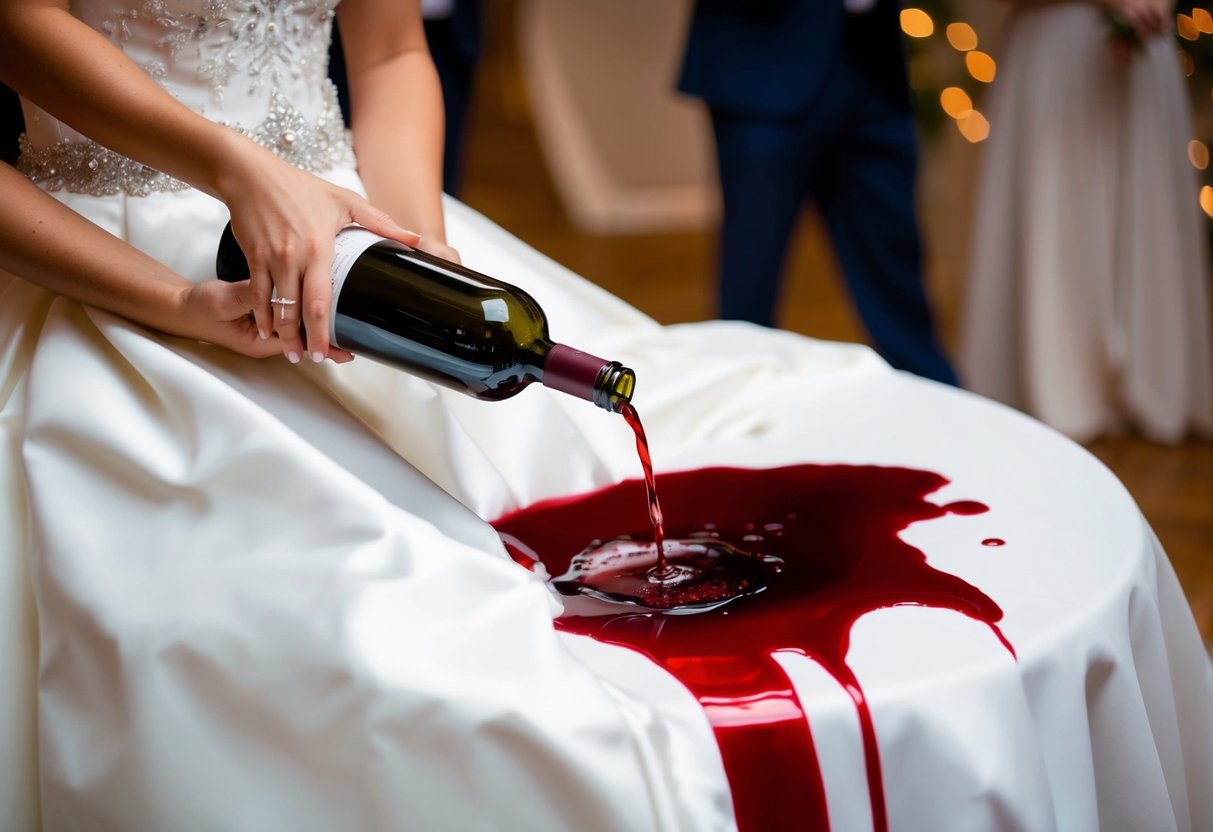
Understanding wedding guest attire can help you navigate this situation. Instead of choosing white, consider vibrant colors or fun patterns that complement the wedding’s theme. This way, you will respect the bride while still looking your best and enjoying the celebration. Embracing this no-white rule shows you care about the couple and their big moment.
Understanding Wedding Etiquette
Wedding etiquette is important because it helps guests show respect for the couple, especially the bride. Knowing why some rules exist can make choosing your outfit easier.
Traditional Significance of White
Wearing white at a wedding has a rich history tied to the bride’s attire. Traditionally, white symbolizes purity and new beginnings. When brides wear white, it highlights their special place on this day. Because of this, many guests refrain from wearing white to avoid overshadowing the bride. It’s a way to honor her role during the ceremony.
Respecting this tradition shows you understand the importance of the event. While some might ask if their outfit is acceptable, keep in mind that it’s often more considerate to choose another color. This helps maintain the focus on the bride.
Modern Interpretations and Exceptions
In recent years, wedding customs have relaxed, and guests sometimes wonder, “Can you wear white to a wedding?” Some couples have creative themes where white is part of the dress code. For instance, beach or garden weddings might allow white attire without overshadowing the bride.
Nevertheless, it’s crucial to consider your relationship with the couple. If you are close, they may appreciate a discussion about your outfit choice. If unsure, opting for pastel shades or accessories is safer. Remember, respecting wedding etiquette helps create a positive atmosphere for all!
Navigating Dress Code Guidelines
When attending a wedding, understanding the dress code is crucial. The invitation often provides important details about what you should wear. Being mindful of these guidelines helps ensure you look appropriate and feel comfortable during the celebration.
Reading the Wedding Invitation
The wedding invitation is your primary guide for dress code. It often includes specific instructions regarding the attire preferred for the event. Look for keywords such as “formal,” “semi-formal,” or “casual.”
For instance:
- Formal or Black Tie: Women typically wear long gowns, while men may need a tuxedo.
- Semi-Formal: Cocktail dresses or dressy suits are suitable options.
- Casual: Sundresses or nice slacks work well, depending on the season.
If the details are unclear, don’t hesitate to ask the couple or other guests for clarity. Keeping communication open can help you feel more comfortable on their special day.
Decoding Variations of Dress Codes
Wedding dress codes vary widely. Some couples embrace unique themes and styles, making it essential for you to decode these invitations correctly. Pay attention to any special requests or suggestions provided.
For example:
- Beach Wedding: Light fabrics and colors work best. Consider flowy dresses or linen suits.
- Destination Wedding: If you’re traveling, think about the climate. Comfortable shoes are a must.
When in doubt, opt for neutral tones or subtle patterns that won’t overpower the wedding party. Remember, your goal is to celebrate the couple while respecting their chosen attire guidelines.
Choosing Appropriate Attire
When attending a wedding, it’s essential to select attire that respects the couple’s special day. Understanding color choices, suitable alternatives to white, and dressing with the right accessories can enhance your look without stealing the spotlight.
Color Considerations for Guests
Choosing the right color is key when picking your wedding outfit. Traditionally, it’s best to avoid wearing white as it is reserved for the bride. Instead, consider shades like ivory or champagne, which can be elegant but less attention-grabbing.
If you want to wear prints, go for floral designs that include white but are not solid white. These patterns can bring a refreshing feel without overshadowing the bride. Additionally, you might explore darker options like black, which can be very chic, especially for evening weddings.
Suitable Alternatives to White
There are many beautiful alternatives to wearing white. You can opt for colors like blush, light blue, or even rich jewel tones. These choices allow you to participate in the celebration without conflicting with wedding traditions.
Additionally, if you prefer neutral tones, ivory and cream can work beautifully while keeping you in line with wedding aesthetics. Remember to align your choice with the couple’s color scheme, as this shows respect and thoughtfulness towards their special day.
Accessorizing Without Overshadowing
Accessorizing can elevate your outfit without being overpowering. Choose accessories that complement your attire. For instance, gold jewelry adds a touch of elegance without stealing focus.
When selecting bags and shoes, opt for subdued tones that enhance your outfit without being too flashy. Consider simple clutches or understated heels that won’t draw too much attention. The goal is to feel confident and stylish while ensuring you respect the bride’s moment in the spotlight.
Being Mindful of Tradition and Trends
Understanding the balance between tradition and current trends is important when choosing what to wear to a wedding. Many factors influence these choices, including family customs and the overall theme of the event.
Respecting Cultural and Family Traditions
Every culture has its own set of wedding traditions. In many Western cultures, wearing white is traditionally reserved for the bride. This custom represents purity and is a significant part of wedding fashion. By avoiding white, you show respect for the bride and her special day.
If family traditions emphasize certain colors or styles, consider these when planning your outfit. If the bride or groom has special wishes regarding attire, honoring these can strengthen your relationship with them. Maintaining these customs helps create an atmosphere of unity and respect.
Considering Theme and Venue
Your attire choice can be greatly impacted by the wedding theme. For example, a modern wedding might embrace bold colors like neon or unique patterns. In contrast, traditional settings may call for more subdued and classic colors.
Consider the venue as well. An outdoor garden wedding might allow for lighter fabrics and bright colors, while a formal banquet hall could require more elegant attire.
Always think about how your outfit will complement the overall aesthetic. By being mindful of these aspects, you respect the occasion, the couple, and their unique celebration. This thoughtfulness ensures that you blend into the atmosphere rather than become the center of attention for the wrong reasons.