
Why Didn’t My Husband Cry at My Wedding? Understanding Emotional Responses on Special Days
When many couples think about their wedding day, they imagine tears of joy and emotional moments. If your husband didn’t cry on this big day, you might wonder why. The truth is, many grooms don’t show their emotions openly, and it doesn’t mean they love you any less.
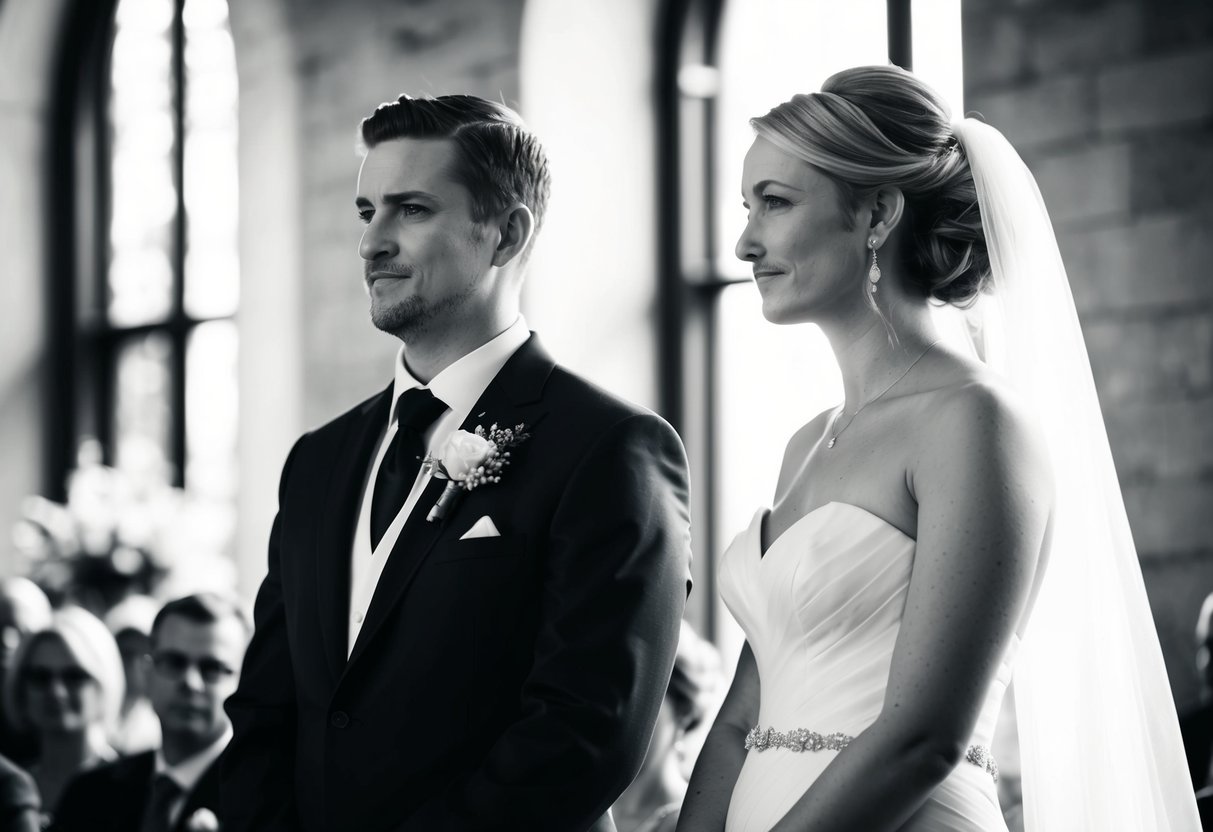
There are various reasons why a husband might hold back tears at a wedding. Some men feel pressure to appear tough or composed in front of family and friends. Others may simply express their feelings in different ways, such as smiling or laughing instead of crying. Understanding this can help you see that emotional responses vary from person to person.
Knowing that your partner’s emotional reaction—or lack thereof—doesn’t reflect his love for you can bring comfort. You can appreciate the joy and excitement of your wedding day without focusing solely on tears. Together, you can create your own unique memories and celebrate your love in the ways that feel right for both of you.
Understanding Emotions and Crying
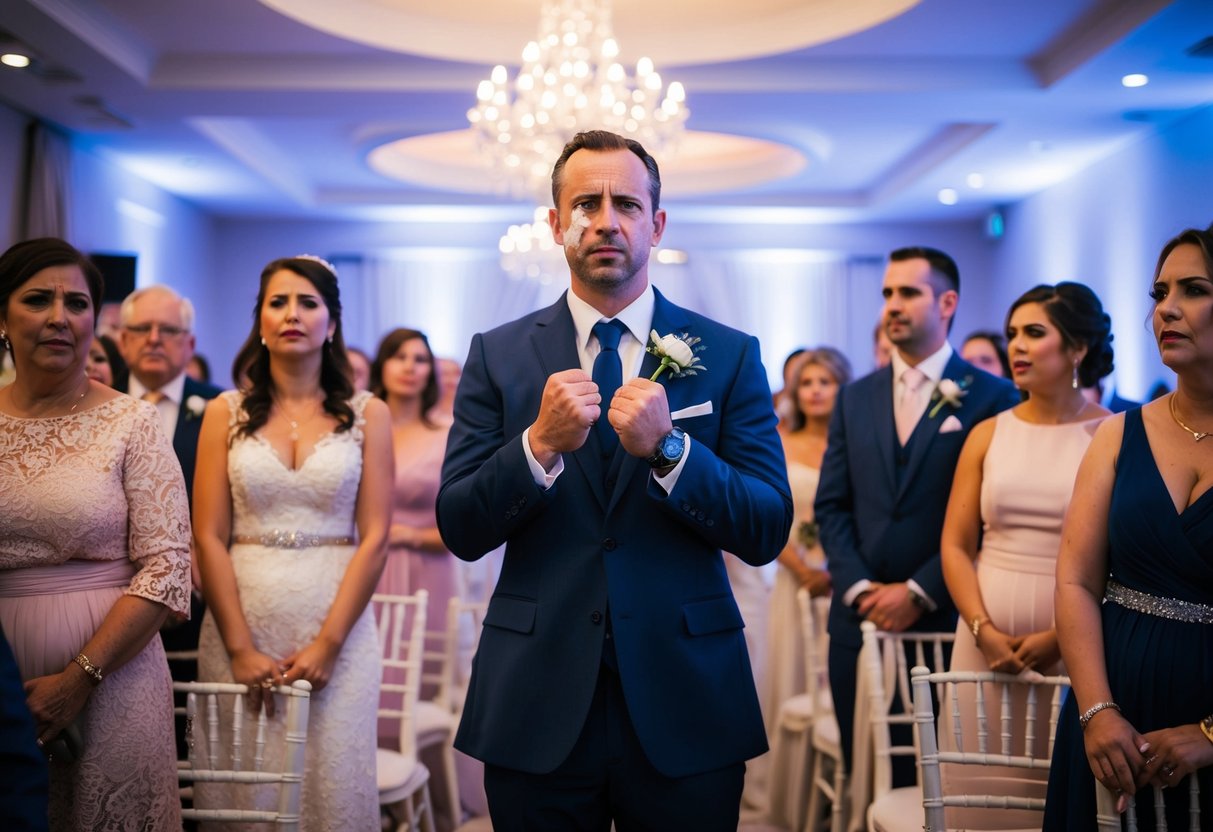
Emotions can be complex, especially during significant moments like a wedding. Understanding why some people cry while others do not can help you process your feelings better. Here are two important aspects to consider.
The Science Behind Tears
Crying is a natural response to overwhelming emotions, whether joy, sadness, or relief. When you experience powerful feelings, your body reacts by releasing tears.
Tears of happiness, especially at weddings, often serve to express love and connection. The brain releases oxytocin, the love hormone, which can lead to tears when you see your partner during the ceremony.
There are different types of tears:
- Basal tears keep your eyes moist.
- Reflex tears respond to irritants.
- Emotional tears appear during strong feelings.
Understanding this can help you appreciate the emotional experience, even if your husband did not cry.
Personality Differences and Emotional Expression
People express emotions differently due to their personalities. Some individuals are more open with their feelings, while others may keep them bottled up. Your husband may not show tears, but that doesn’t mean he isn’t feeling deep emotions.
Men, in particular, might have been socialized not to display vulnerability. This can affect their responses during emotional moments like weddings. He may instead show his feelings through actions or words rather than tears.
It’s common for emotional wedding moments to trigger a range of reactions. Some people cry, while others smile or remain calm, even when overwhelmed. Understanding this can help you find comfort in your husband’s unique way of expressing love on your special day.
Wedding Day Dynamics
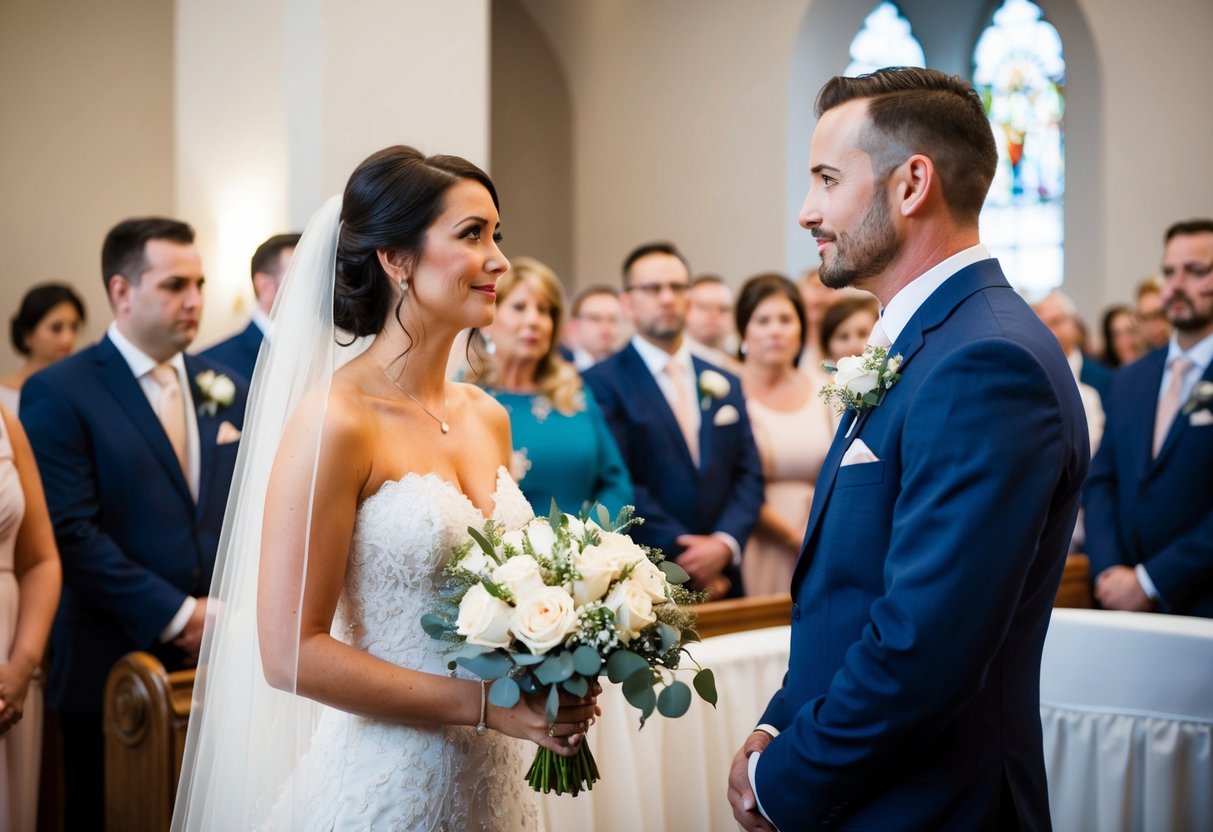
The wedding day is full of emotions and moments that can shape how you and your partner react throughout the event. Understanding the dynamics at play can help you see why your husband may not have shown tears on this special day.
The Significance of the First Look
The first look is a special moment for many couples. It allows you to see each other privately before the ceremony. Some grooms feel nervous or overwhelmed during this moment.
Maybe he was trying to stay composed or focused on the day’s events. It’s not uncommon for a groom to have a big smile instead of tears. This could be due to excitement or simply not being the emotional type. What’s important is that you both shared a significant moment together, regardless of tears.
Family Influences on Wedding Day Emotions
Family can play a big role in shaping emotions on the wedding day. Each person’s background affects how they express feelings. If your husband comes from a family that doesn’t openly show emotion, he might not cry.
Additionally, wedding days can be stressful, creating a mix of feelings. He may have felt pressure to fit a certain mold or maintain a strong front. It’s helpful to know that many grooms experience a range of emotions yet don’t always cry. Understanding these dynamics can help you appreciate his experience more.
Expectations vs. Reality
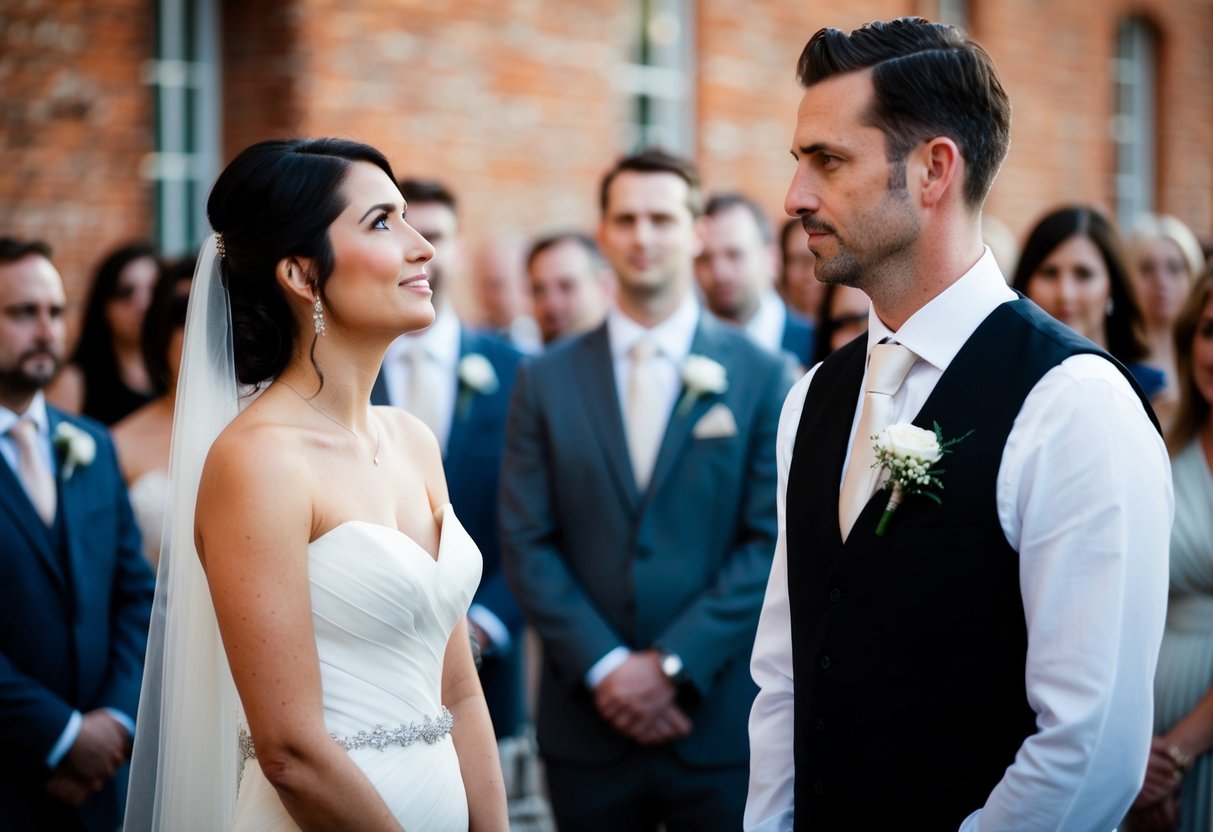
When planning a wedding, it’s easy to get caught up in the ideas of how everything should be. The feelings you expect to see, especially from your partner, can sometimes clash with what really happens on the big day.
Media Influence on Wedding Expectations
Movies, TV shows, and social media often portray weddings as perfect events filled with tears of joy. You might expect your husband to get emotional just like the characters do.
These portrayals can create a pressure to achieve similar reactions in your own wedding. Yet, the reality is that every couple is different. Some may express their emotions quietly or not at all. Remember, your day is unique, and there is no one right way to feel.
Managing Wedding Day Expectations
Managing your expectations is essential during wedding planning. Write down what’s important to you. Instead of focusing on emotional reactions, consider the joy and love of the day itself.
Communicate with your partner about your feelings. Talk about what you each imagine for your wedding and how you plan to show your love. Doing this can help align your expectations and reduce any disappointment. Keeping an open mind is the key to enjoying your special day together, no matter how the emotions play out.
Capture the Moment
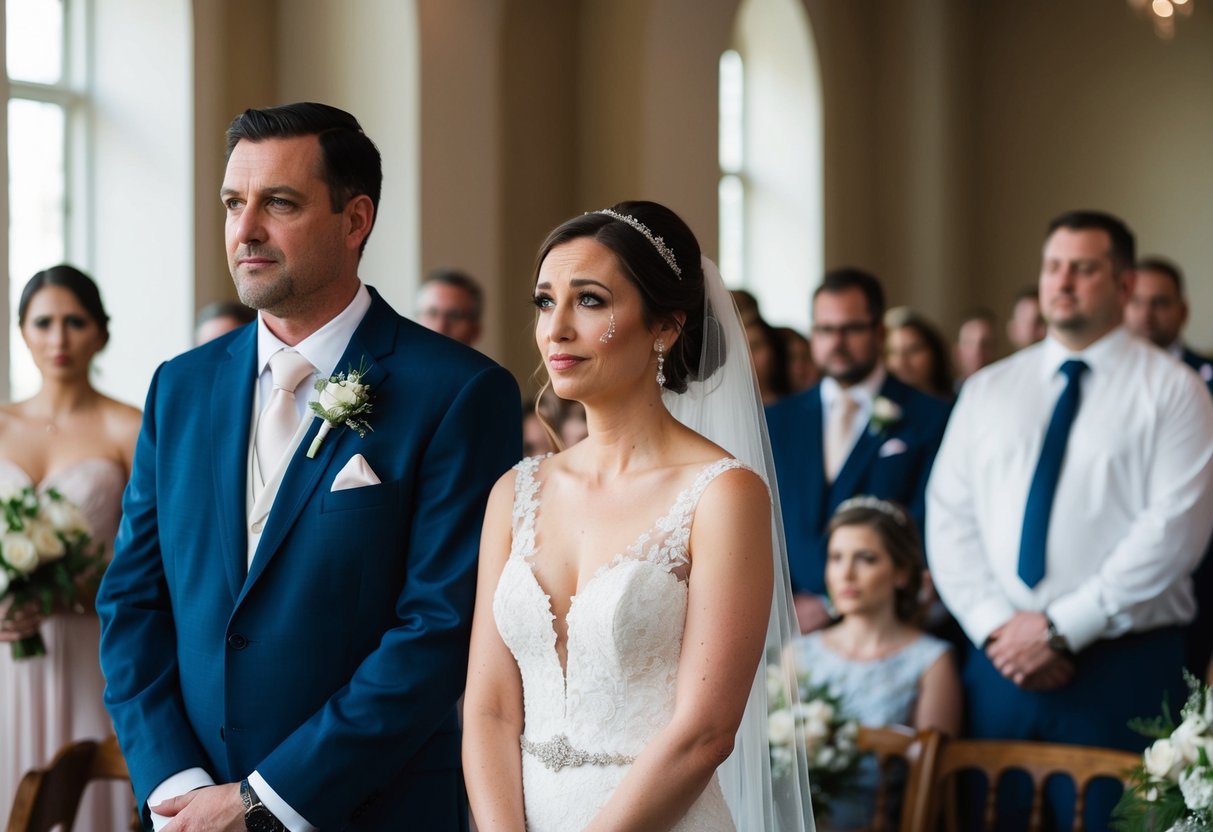
Your wedding day is filled with emotions, and capturing these moments is important. A skilled wedding photographer plays a key role in documenting your special day and the feelings that come with it. They can help ensure that even if your husband doesn’t cry, the excitement and joy are beautifully captured.
Role of the Wedding Photographer in Capturing Emotions
The wedding photographer is essential for capturing all those heartfelt feelings. They understand that weddings are not just about the ceremony but also the small, emotional moments that make the day unique.
Visual Storytelling: Your photographer should know how to tell a story through images. They should focus on reactions—like your husband’s smiles, laughter, or emotional expressions throughout the day.
Candid Shots: Candid photos are often the most emotional. These unplanned moments can reveal genuine feelings, whether it’s excitement among family or the look on your husband’s face when he first sees you.
Preparation and Perspective: A good photographer might even suggest ways to create memorable moments. Planning shots can make it easier to embrace your feelings.
By focusing on these elements, your wedding album will showcase the true emotions of your day. It will celebrate not just the tears but also the joy, excitement, and love shared.