
Why Do Arab Brides Wear White? Exploring the Tradition and Significance Behind This Choice
When you think of wedding attire, you might picture brides in beautiful white dresses. Arab brides often wear white to symbolize purity, new beginnings, and the joy of marriage, similar to Western traditions. This choice reflects a blend of cultural influences that have shaped modern wedding celebrations in the Arab world.
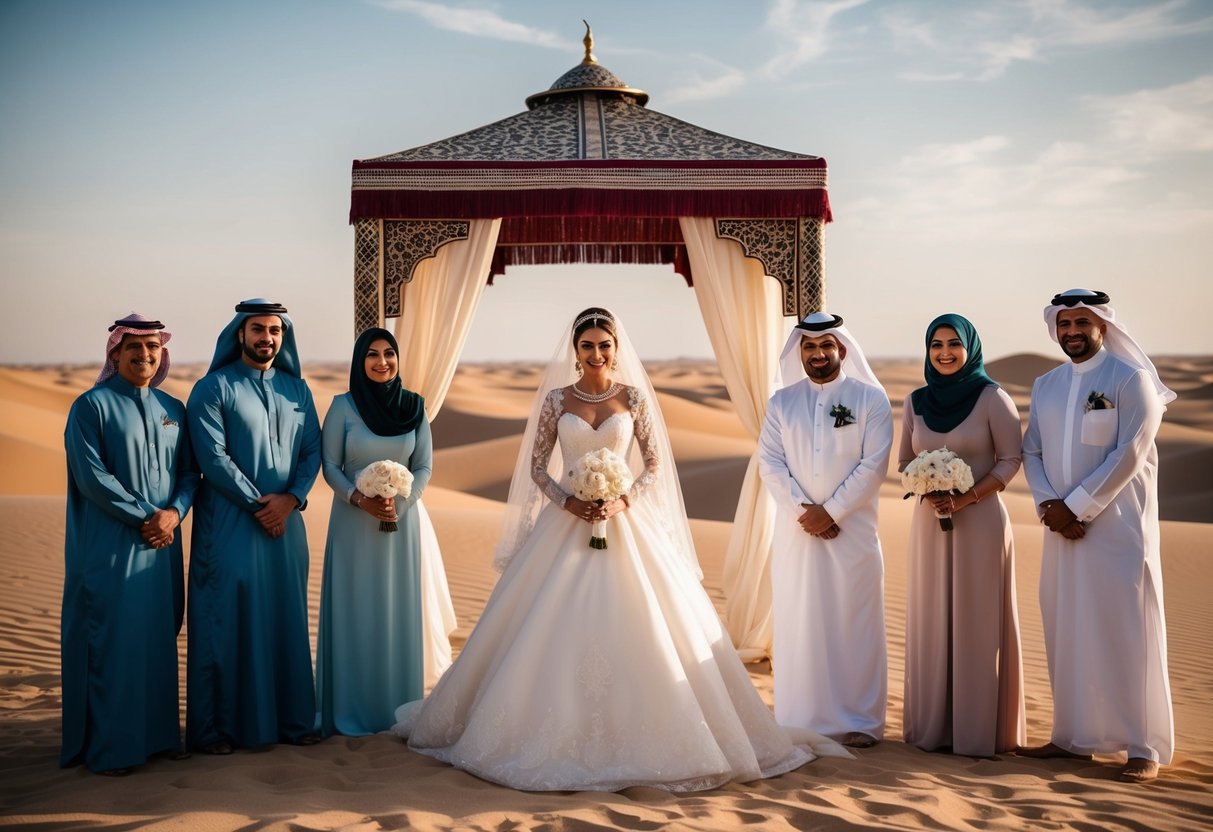
You may be surprised to learn that the tradition of wearing white has become popular among Arab brides in recent years, influenced by global trends. While many brides still embrace their cultural attire, the white wedding gown has taken a prominent place in many ceremonies today. This shift represents a fascinating fusion of heritage and contemporary practices.
Historical Origins of the White Wedding Dress
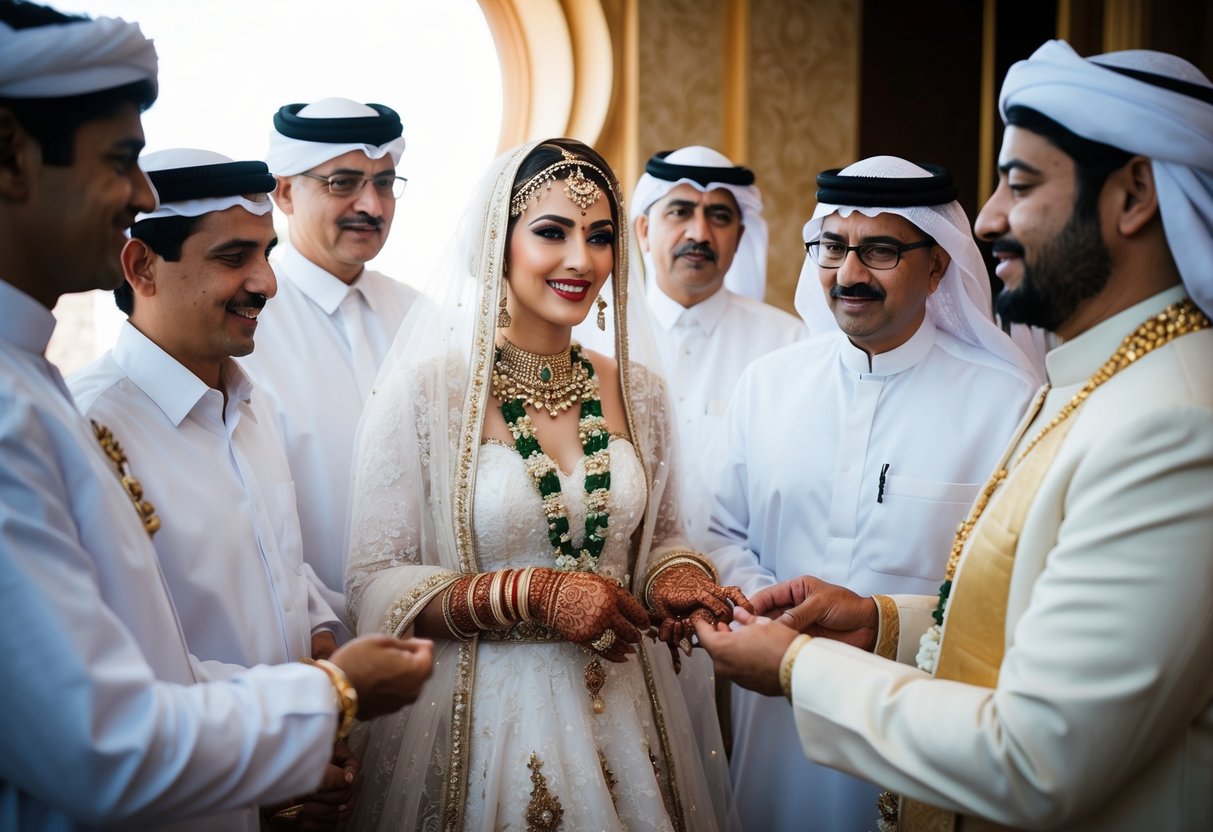
The tradition of wearing a white wedding dress has deep roots in history. This choice is influenced by notable figures and carries significant meanings tied to purity and virginity. Let’s explore the origins of this beloved wedding attire.
Influence of Queen Victoria
Queen Victoria popularized the white wedding dress in the 19th century. When she married Prince Albert in 1840, she chose to wear a white gown made of silk satin, breaking from the tradition of colorful dresses.
Before this, brides often wore their best dresses, regardless of color. Queen Victoria’s choice highlighted simplicity and elegance. Her wedding sparked a trend that spread across the Western world.
Brides began to associate white clothing with purity and innocence. This shift made the white wedding dress a staple in many wedding traditions. Even today, many brides choose white to honor this historical significance.
The Symbolism of Purity and Virginity
The white wedding dress symbolizes purity and virginity, which were important values in many cultures. For brides, wearing white represents a fresh start and new beginnings.
In many Arab cultures, a white dress also signifies hope and joy. It connects to the idea of a bride’s virtue. Each stitch and fold in a white gown carries these meanings.
This symbolism is not just limited to the West. Many cultures have adopted the white dress for weddings, carrying on the message of purity. The dress is cherished across various traditions, showing its importance in celebrating love and commitment.
Cultural Significance in Arab Weddings
In Arab weddings, the choice of what brides wear carries deep meaning tied to tradition and cultural practices. This section explores how traditional values merge with modern influences to shape bridal fashion in these celebrations.
Tradition vs Cultural Convergence
In many Arab cultures, wearing white is a symbol of purity and new beginnings. It reflects values of virginity and honor. Yet, traditions vary across regions. For instance, some brides prefer colorful gowns adorned with intricate designs. This choice showcases the bride’s cultural heritage and her community’s customs.
The white wedding dress is not exclusive to all Arab weddings. Brides may choose bright colors to express joy and individuality. Traditional elements often blend with modern styles, creating unique wedding attire that honors the past while embracing the present.
Modern Bridal Fashion Influences
Today, many Arab brides are influenced by global bridal fashion trends. Designers incorporate both traditional and contemporary elements into wedding gowns. You might find a stylish fusion of classic designs with modern cuts and fabrics.
Brides often opt for accessories, like elegant veils or bold jewelry, that accentuate their gowns. Social media plays a big role in spreading these modern ideas. Brides share their fashion choices, inspiring others and creating new trends in wedding attire that reflect diverse backgrounds.
These influences lead to a rich variety of bridal fashion, showcasing personal styles while honoring cultural roots.
Wedding Day Attire and Customs
When it comes to your wedding day, attire plays a crucial role in setting the mood. The choices you make about your wedding gown and accessories reflect your personality and cultural traditions. Each detail matters, from the color of your gown to the bouquet you carry.
Choosing the Wedding Gown
For many Arab brides, the wedding gown is a focal point of the celebration. While white wedding gowns symbolize purity, many brides opt for colorful and ornate designs as well. These dresses often feature rich fabrics, intricate embroidery, and stunning embellishments that highlight cultural heritage.
You may also choose a gown that reflects your personal style—be it traditional or modern. It’s essential to consider comfort, since you will be wearing it for hours. Don’t forget that the fit is crucial; alterations may be necessary to ensure everything looks perfect.
Accessories and Bouquets
Completing your wedding look involves selecting the right accessories and bouquet. Many brides wear eye-catching jewelry that enhances their gown. This can include sparkling necklaces, elegant earrings, and bracelets.
Your bouquet is equally important. It reflects the color scheme of your wedding and complements your gown. You might select flowers that have special meaning or invoke family traditions. Additionally, the garter you choose can also be a meaningful addition, serving as a symbol of new beginnings in your married life.
Influence of Western Traditions on Arab Wedding Practices
In recent years, Western wedding traditions have significantly impacted Arab wedding customs. Notably, many Arab brides now embrace the white wedding gown, a symbol of purity and celebration in Western cultures. This change highlights the blending of different cultural practices.
Adoption of White Gown from the West
The choice of a white wedding dress is a key example of Western influence. Traditionally, Arab brides wore colorful attire, often rich in intricate designs. The popularity of the white gown, popularized in part by Queen Victoria in the 19th century, began to shift perceptions.
As you explore Arab weddings today, you may note the prevalence of white dresses at ceremonies. This trend often reflects modern tastes and ideals. Many brides see the white gown as a fresh take on their own wedding traditions. It symbolizes new beginnings and aligns well with the joyous atmosphere of the big day.
Role of Globalization in Bridal Trends
Globalization has played a crucial role in shaping bridal trends across cultures.
The rise of social media and the internet has enabled brides worldwide to share ideas, styles, and influences. This interconnectedness means you can now easily find inspiration from various cultures.
In Arab countries, wedding boutiques offer white dresses along with traditional options. This mix allows brides to choose styles that resonate with both their heritage and contemporary trends.
Popular publications, like Godey’s Lady’s Book, showcased Western bridal styles, influencing many young couples.
As a result, traditional Arab wedding customs now often include elements inspired by American brides. This creates a unique fusion that celebrates both identities.