
Why Do Breasts Become Bigger After Marriage? Understanding Changes in Body and Hormones
Many people wonder about the changes that occur in their bodies after significant life events, like marriage. One common belief is that breasts can become larger after marriage, often linked to factors like weight gain, hormonal changes, or pregnancy. These changes can happen to anyone, regardless of marital status, but certain lifestyle shifts that accompany marriage might play a role.
In the excitement of married life, new routines and habits can lead to diet changes. You might find yourself enjoying richer meals or celebrating with more gatherings. This can sometimes result in weight gain, which often contributes to an increase in breast size since breasts contain fatty tissue.
Additionally, hormonal fluctuations can occur as women might begin using birth control or experience changes related to stress and lifestyle. These factors can all influence breast size over time. Understanding these elements can help demystify the question of why you might notice a change after tying the knot.
Biological Factors and Hormonal Changes

Breast size can change due to various biological factors, especially hormonal changes that occur throughout your life. These changes can happen during significant life events, such as marriage, pregnancy, and menopause. Understanding how hormones affect breast size can help you make sense of these transformations.
Impact of Hormones on Breast Size
Hormones play a crucial role in determining breast size. Two key hormones, estrogen and progesterone, are primarily responsible. Estrogen helps in breast tissue growth, while progesterone prepares your body for potential breastfeeding.
During marriage, hormonal fluctuations may occur due to stress, lifestyle changes, or pregnancy. These changes can enhance breast fullness. For instance, when you become pregnant, your body releases higher levels of estrogen and progesterone, leading to enlarged breasts as your body prepares for nursing.
If there are hormonal imbalances, these can also affect breast tissue. For example, some women may notice changes during their menstrual cycle, where breasts may feel fuller and more sensitive due to these hormone shifts.
Breast Development During Different Life Stages
Breast development starts in puberty, influenced heavily by hormonal changes. Estrogen levels rise, causing breast tissue to grow and mature. Your body continues to change during your reproductive years, often leading to variations in breast size.
As you reach different life stages, like pregnancy and menopause, breast size can fluctuate again. In pregnancy, as mentioned, hormonal activity increases significantly. After giving birth, hormone levels slowly drop, which might affect breast size.
During menopause, lower estrogen levels typically result in reduced breast tissue fullness. This part of the natural aging process can change how your breasts look and feel. Understanding these stages can help you navigate any changes with knowledge and comfort.
Lifestyle and Physiological Changes After Marriage
After marriage, many people experience changes in their lifestyle and body. These changes often include shifts in diet, physical activity, and even medical factors that can affect your body. Here are some important aspects to consider.
Weight Fluctuations and Diet
A change in your lifestyle can lead to weight fluctuations. You might find yourself gaining or losing weight based on new dietary habits. Often, newlyweds enjoy meals together, which can lead to increased calorie intake.
Weight gain can also come from water retention, especially if your diet includes more salty or processed foods. To manage your weight, aim for a balanced diet rich in fruits, vegetables, and whole grains. Staying mindful of your Body Mass Index (BMI) can help you keep track of your changes.
If you notice changes in your breast size, it could be associated with these weight fluctuations. Maintaining a healthy lifestyle is essential for feeling good in your skin.
Fertility, Contraception, and Medication
Marriage can lead to considerations around fertility and family planning. If you choose to take birth control, some hormonal methods can cause weight gain due to fluid retention and hormonal shifts.
Additionally, certain medications for other health issues may also lead to changes in your body. You should discuss any concerns about these effects with your doctor to find options that suit your needs while maintaining your health.
Being informed about how these factors can influence your body is critical. Small adjustments in medication or diet might help manage unexpected changes.
Physical Activity and Healthy Living
Your physical activity may change after you get married. Sometimes, new habits can emerge that might reduce exercise or increase sedentary time. If your schedule becomes busier, it can be easy to overlook regular workouts.
Aim to incorporate more movement into your daily routine. Simple activities like walking, dancing, or joining a fitness class can make a big difference. Staying active helps you maintain a healthy weight and can also prevent unwanted weight gain.
Focusing on a healthy lifestyle with a balanced diet and regular exercise not only supports your physical health but can also improve your mood and overall well-being.
The Role of Pregnancy and Breastfeeding
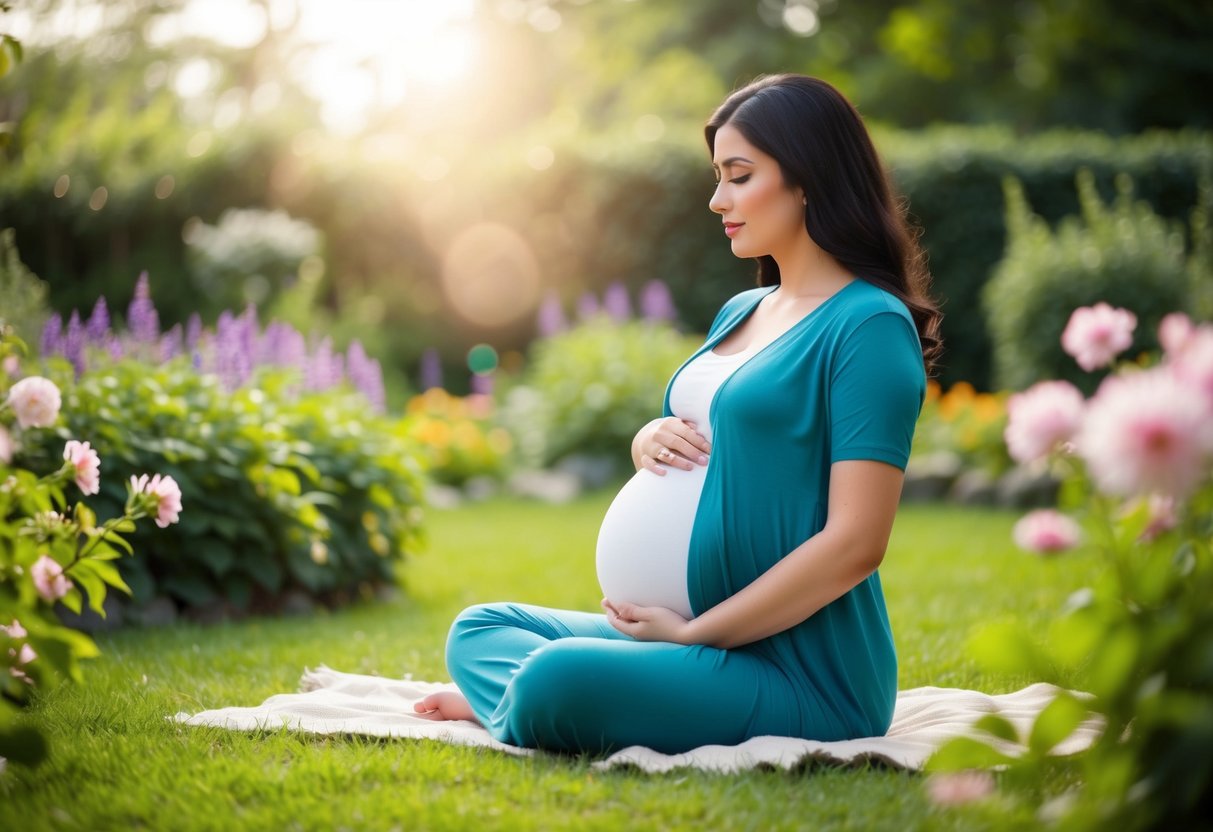
Pregnancy and breastfeeding play significant roles in breast size changes. As you go through these experiences, your body undergoes many changes that directly affect your breasts, mainly due to hormonal shifts and the preparation for milk production.
Breast Changes During Pregnancy
During pregnancy, your breasts go through various changes in size and shape. This happens mainly due to increased levels of hormones like estrogen and progesterone.
- Hormonal Influences: These hormones help prepare your body for breastfeeding.
- Tissue Growth: You may notice that your breast tissue increases to support milk production.
Your breasts can become fuller and tender. The blood flow to the area also increases, making your veins more noticeable. Additionally, the nipples and areoles may darken and become larger as your body prepares for breastfeeding tasks ahead.
Breastfeeding and Lactation Effects
Once you start breastfeeding, other changes occur. Lactation, the process of milk production, also causes further transformations in your breasts.
- Milk Production: When your baby suckles, your body releases hormones that stimulate milk production.
- Size Fluctuations: You might notice that your breasts can swell before feedings due to milk accumulation.
After breastfeeding, your breasts may return to a size similar to what they were before pregnancy, but some women notice lasting changes. The overall experience of lactation can lead to fullness, shape changes, and even occasionally sagging, depending on various factors like post-pregnancy weight and skin elasticity.