
Why Do Brides Have Two Dresses? Exploring the Trend and Its Meaning
Many brides today choose to wear two wedding dresses to make their special day even more memorable. Wearing a beautiful gown for the ceremony and switching to a more comfortable reception dress allows you to enjoy both the formalities and the fun. This trend not only adds variety to your look but also lets you express your personal style throughout the day.
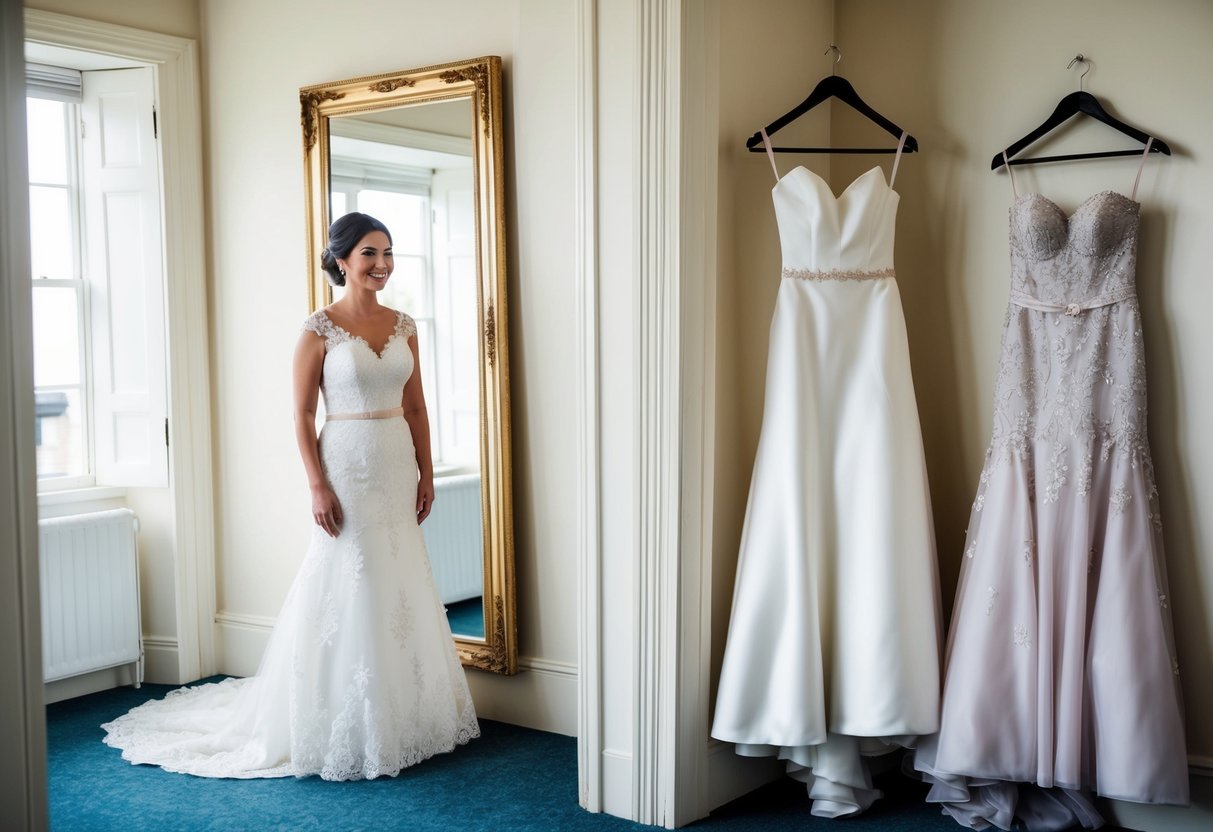
Having two dresses is practical too. A ceremony dress often features elaborate designs, while a reception dress can be lighter and easier to move in. This way, you can dance the night away without feeling restricted. Choosing two contrasting styles lets you shine in different moments of your wedding day.
Whether you prefer a traditional ceremony look or a fun and flirty vibe for the reception, having two dresses gives you the best of both worlds. It’s a unique way to reflect your personality and ensure you feel great from the first “I do” to the last dance.
The Tradition Behind Two Dresses
Wearing two wedding dresses has become a popular choice for many brides today. This tradition often reflects personal style while serving practical purposes during the wedding day. Let’s explore the significance behind this custom.
Ceremony and Reception: A Tale of Two Gowns
Many brides choose a ceremony gown that is formal and elegant. This dress is often used for traditional wedding photos and the ceremonial aspect of the day. It may feature beautiful details, long trains, and intricate designs that create a stunning look for the wedding.
After the ceremony, you might decide to change into a reception gown. This second dress is typically more comfortable, allowing freedom for dancing and movement on the dance floor. It may be shorter, lighter, or more fun, reflecting a different style while still complementing your wedding day looks.
Historical Significance of Multiple Wedding Dresses
The tradition of wearing multiple wedding dresses dates back many years. In some cultures, brides wore different gowns to symbolize various stages of their union. For example, some might have worn a specific color or style for the ceremony and another for the reception to show their evolving identity.
Over time, wearing a second wedding dress has also become a way to express individuality and creativity. The choice reflects modern trends while honoring the past, allowing brides to highlight their personal taste through both gowns.
Choosing the Right Dresses for Your Day
Selecting the right dresses for your wedding day can enhance your experience. It’s important to think about your unique style, comfort, and how your choices fit into your wedding theme.
Factors to Consider When Selecting Dual Attire
When choosing two dresses, start by reflecting on your body type. This helps you find styles that flatter your figure. For example, if you love lace, a fitted lace gown could be beautiful for the ceremony.
Next, consider the materials. Organza or chiffon can be light and easy to move in for the reception. You might want one dress to be more formal and the other fun and playful, allowing for an exciting outfit change.
Think about your wedding budget too. You can find affordable wedding dresses that fit your vision without overspending. It’s possible to mix styles, such as a classic gown for the ceremony and a colorful dress for the party.
Coordinating With the Wedding Party
Coordination is key when choosing your dresses. Discuss your options with your wedding party, especially your bridesmaids. Their outfits should complement your dresses in color and style.
For instance, if you wear a bright reception dress, your bridesmaids could wear dresses with similar hues to create a cohesive look. This ties everything together beautifully.
Make sure your choices are comfortable for everyone. This way, you all can enjoy the day. Planning these details helps set the right mood. Keep it friendly and fun as you prepare for your special day!
Styling Tips and Accessories
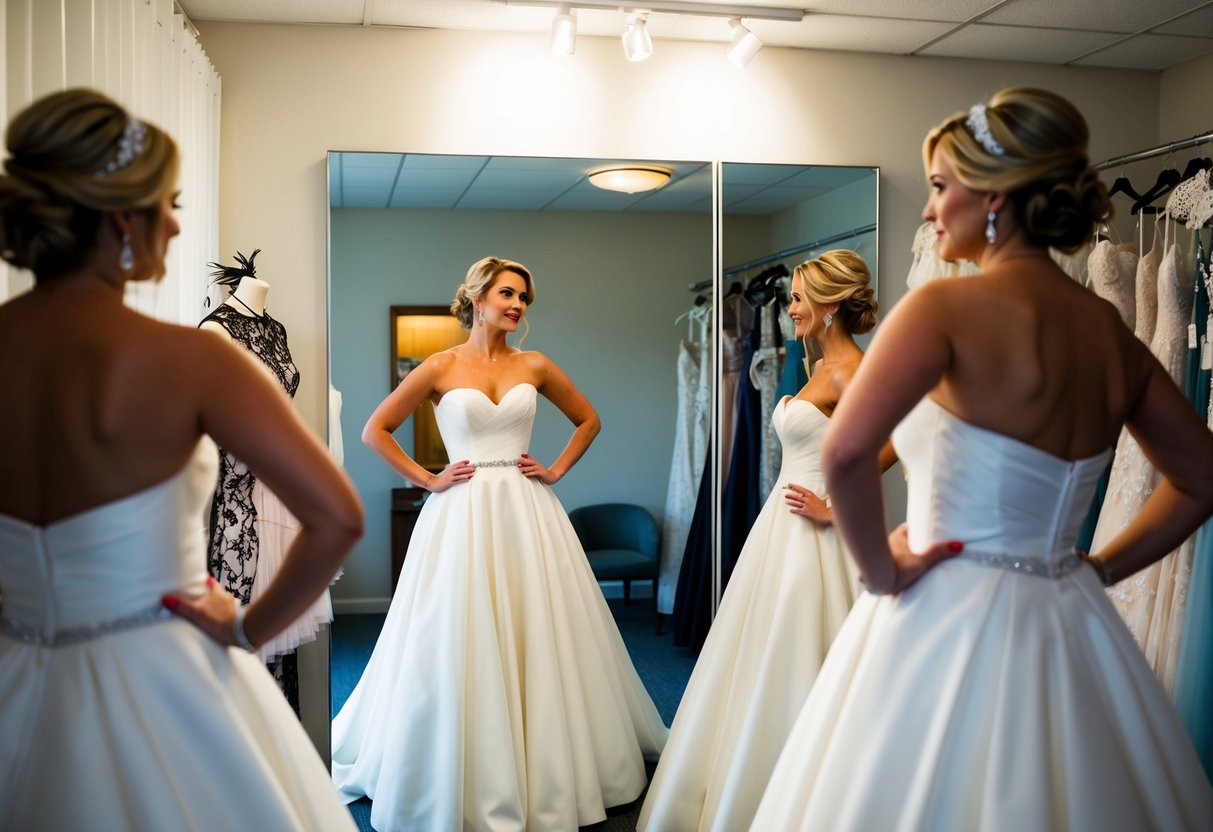
When choosing two dresses for your wedding, consider how you can enhance each look with thoughtful styling and accessories. The right choices can elevate your unique style and help you shine in both your ceremony and reception outfits.
Accessorizing Two Distinct Looks
For your ceremony dress, consider classic pieces that complement its formal nature. Elegant jewelry, such as a delicate necklace or classic pearl earrings, add a touch of sophistication. If your dress has an intricate neckline, opt for an understated piece to keep the focus on the gown. A beautiful bolero can also add warmth and style, especially if your ceremony is outdoors or in cooler weather.
For your reception dress, you may want to go for a more fun and playful style. Think about statement accessories that reflect your personality. A bold necklace or vibrant heels can create a fabulous contrast to your reception look. Also, consider adding an overskirt for a quick style change if you want to add elegance later in the evening.
Practical Considerations for Outfit Changes
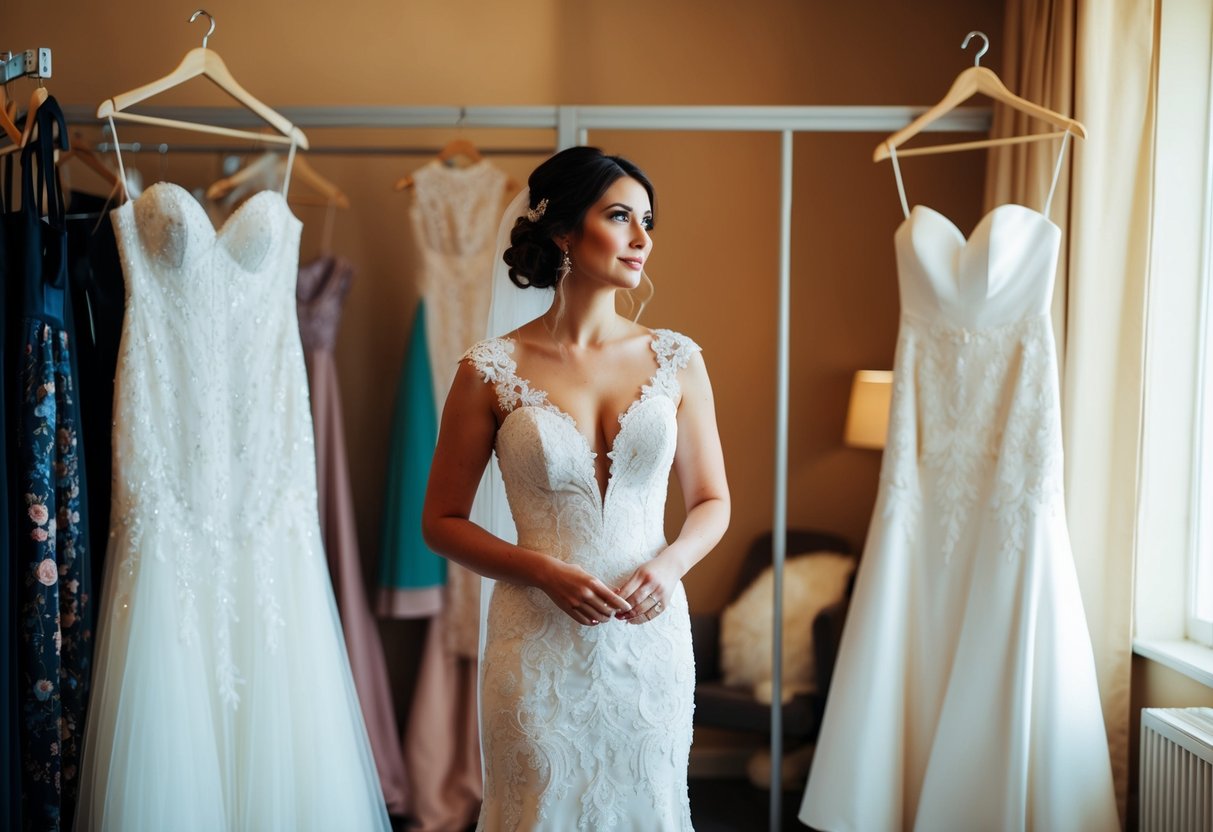
Planning for outfit changes involves some key practical elements that can make your special day smoother and more enjoyable. You’ll want to think about logistics, your budget, and how to coordinate everything seamlessly.
Managing the Logistics of an Outfit Change
When planning for an outfit change, timing is crucial. Consider when you’ll change into your reception dress. Many brides choose to do this during the cocktail hour. This allows you to relax and enjoy the celebration while looking equally stunning in a new outfit.
Coordinate with Your Wedding Planner: Share your plans with your wedding planner. They can help schedule your changes and ensure everything runs seamlessly.
Budgeting: Factor in the cost of an additional dress into your wedding budget. Having two outfits can add style but also cost, so plan accordingly to avoid surprises.
Space Considerations: Make sure there’s a designated area for you to change comfortably. This will help you feel fresh while keeping your gowns protected.