
Why Do Brides Wear L Plates? A Fun Hen Party Tradition Explained
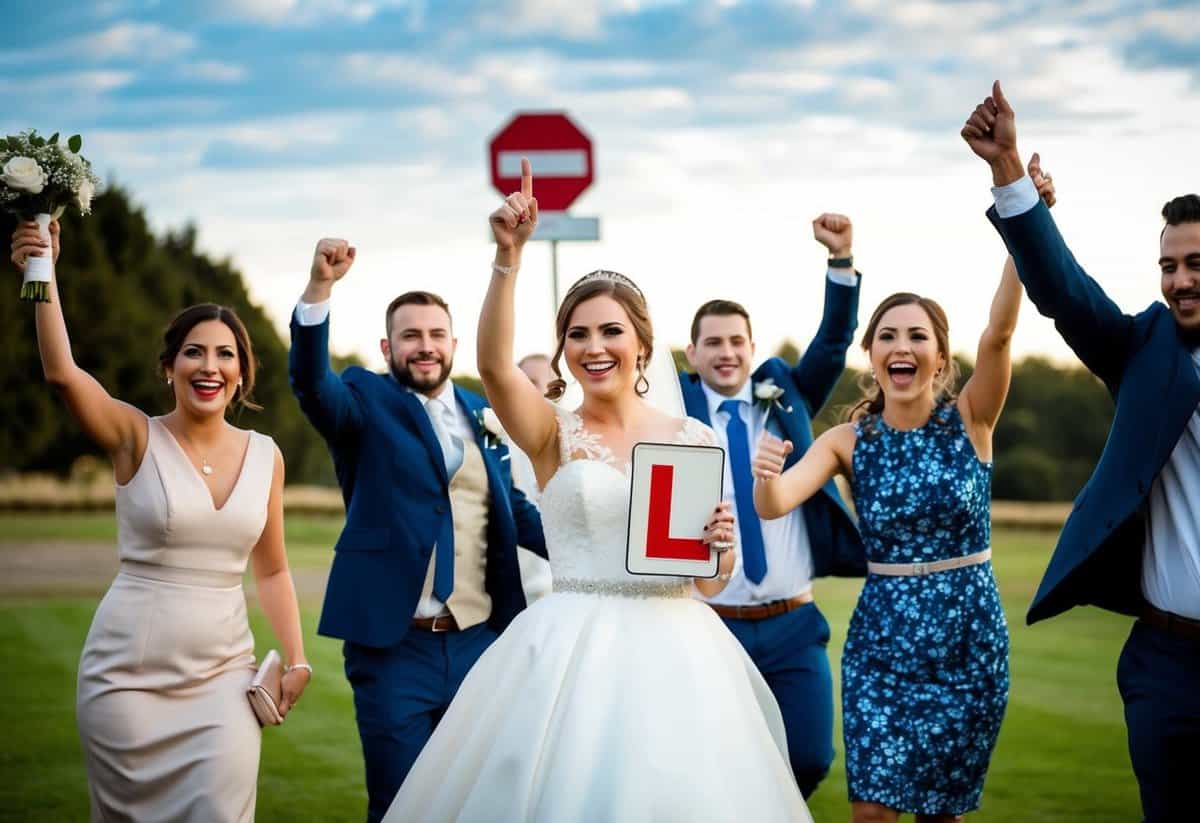
Brides wearing L plates have become a quirky and fun tradition in many pre-wedding celebrations. This curious practice has its roots in the notion that a new bride, like a learner driver, is entering a new phase of life where she may feel unprepared and learning as she goes.
The L plate is a playful nod to the fact that she is learning the ropes of marriage.
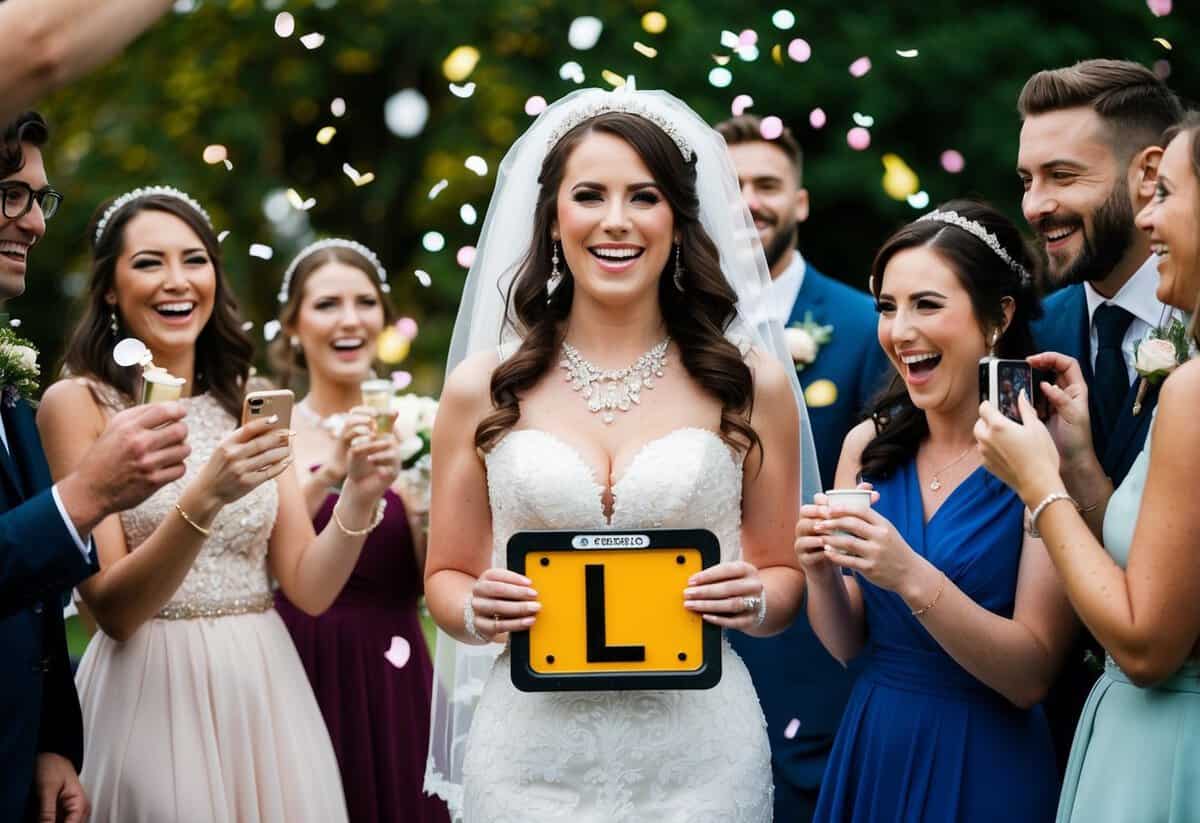
In many weddings, traditions like wearing a veil have deep historical and cultural significance. Similarly, the L plate used in hen parties is a light-hearted way to acknowledge both the excitement and the anxiety of the upcoming wedding.
It gives brides-to-be a chance to let loose, have fun, and embrace the transition with humor.
Beyond just the bride, this custom can also engage those around her, like bridesmaids, helping form bonds and adding joy to the wedding preparations. It’s a reminder that marriage is not just about the bride and groom but also about the community that supports them.
This quirky tradition can lighten the mood and bring people together as they celebrate love and companionship.
Cultural Significance of Bridal Attire
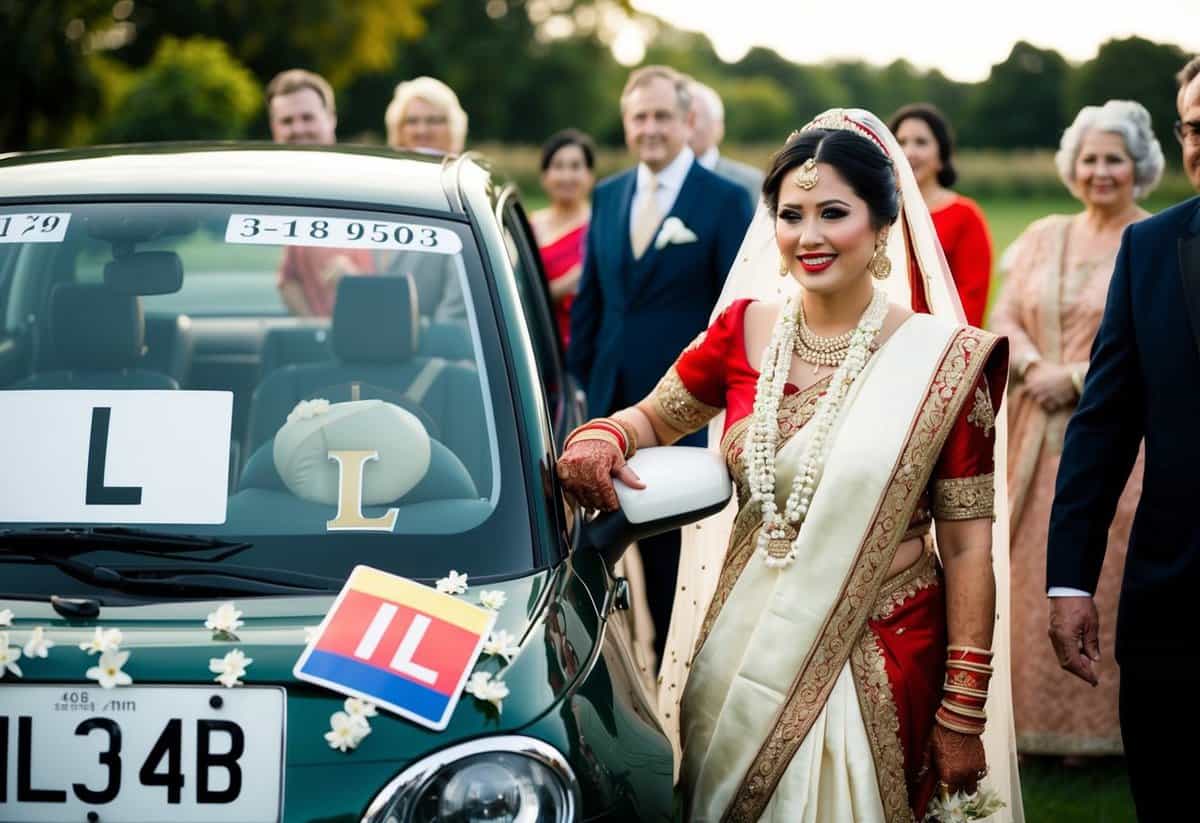
Bridal attire is more than just a fashion choice. It holds deep cultural importance across the world. From the symbolism of the veil to modern adaptations like L plates, these elements play a crucial role in the wedding ceremony.
Symbolism of the Veil
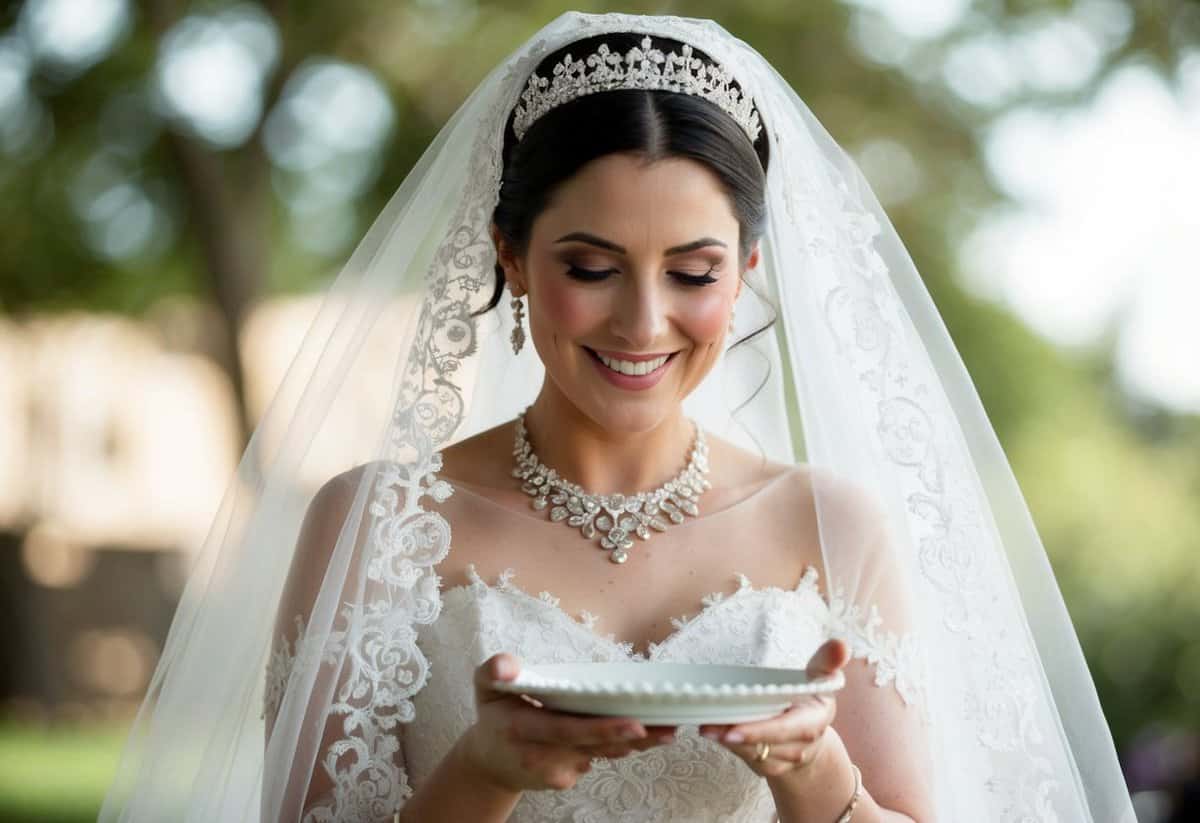
The veil has been a significant part of bridal attire for centuries. Traditionally, it represents purity and modesty. During the wedding ceremony, the veil adds an air of mystery as it covers the bride’s face until the reveal.
In some cultures, the veil is used to protect the bride from evil spirits. For others, it symbolizes the transition from single life to marriage. Today, the veil remains a powerful symbol, connecting brides to cultural traditions while also offering a moment of personal expression.
The veil’s role goes beyond its cultural roots. Many brides choose veils that complement their gowns, choosing from various lengths and styles. This piece of fabric not only adds to the bride’s look but also reinforces her connection to a longstanding cultural practice.
Modern Adaptations and L Plates
Modern weddings often blend tradition with personal touches. One of these newer trends includes the use of L plates. While L plates are typically associated with learner drivers, in a bridal context, they signify a playful, light-hearted take on wedding traditions.
Brides might wear L plates as a fun addition during pre-wedding events, like hen parties or bridal showers. They symbolize the bride’s journey into married life, much like a learner embarking on a new adventure.
In these settings, L plates serve as a reminder that weddings, while deeply traditional, can also embrace modern elements. They provide a moment of humor and add a distinctive touch to the festivities, bringing together the seriousness of marriage with the joy of celebrating love.
Jewish Wedding Rituals Explained
Jewish weddings are rich in traditions that hold deep meanings. Key rituals such as the signing of the ketubah, the ceremony under the chuppah, and the breaking of the glass each symbolize important aspects of marriage and Jewish heritage.
Importance of the Ketubah
The ketubah is a crucial element in Jewish weddings. It’s a marriage contract that outlines the groom’s responsibilities to the bride, ensuring her financial security and specifying care should the marriage end. This document is not only a legal agreement; it represents mutual respect and love between the couple.
Traditionally, the ketubah is signed by two witnesses before the wedding ceremony begins. It is often beautifully decorated and is sometimes displayed in the couple’s home. This ceremonial step emphasizes the commitment and binding nature of the marriage. The ketubah remains an important part of the Jewish wedding, connecting modern couples to their ancient traditions.
The Mystery of the Chuppah
A Jewish wedding takes place under a chuppah, a canopy that symbolizes the new home the couple will build together. This structure is open on all sides, representing hospitality and the couple’s openness to family and friends.
During the ceremony, the couple stands under the chuppah while the rabbi recites the kiddushin, the blessing over wine that sanctifies the marriage. In some traditions, the bride circles the groom, representing the creation of a protective, sacred space and signifying a new world the couple enters together. The chuppah is a central element that encapsulates the themes of unity, openness, and shared life.
The Significance of Breaking the Glass
The breaking of the glass is one of the most recognizable Jewish wedding rituals. At the end of the ceremony, the groom—sometimes joined by the bride—steps on a glass, shattering it. This act has multiple layers of significance.
It serves as a reminder of the destruction of the Temple in Jerusalem, symbolizing the bittersweet aspect of life and the need to remember history even in joyful moments. Additionally, the sound of shattering is also believed to ward off evil spirits. After breaking the glass, guests often shout “Mazel tov!” as a wish for good luck and happiness for the couple.
The Bridal Journey and Wedding Ceremony
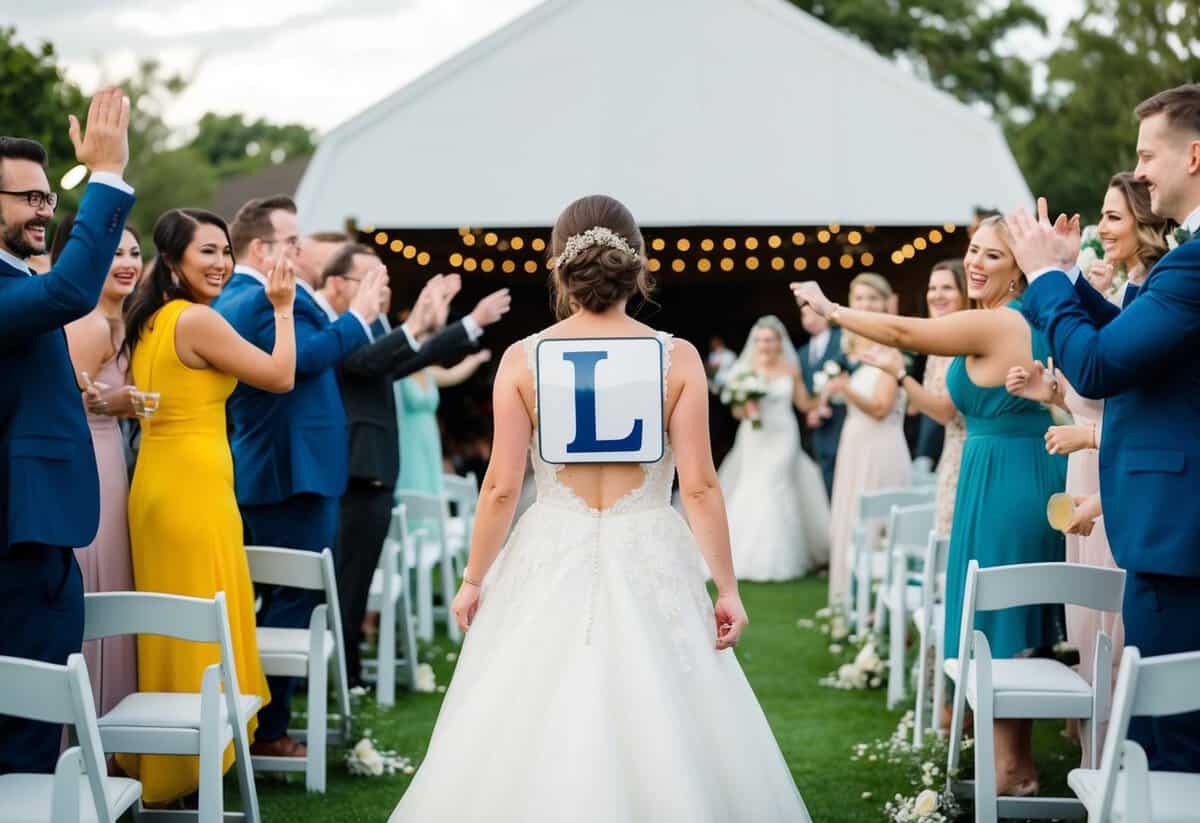
The bridal journey, filled with tradition and emotion, leads up to a serene wedding ceremony. This journey often begins with a significant engagement phase and culminates in a beautifully organized processional at the wedding.
Betrothal: The Beginning
The journey often starts with the betrothal, signaling the promise of marriage. It’s a time when individuals exchange tokens like the wedding ring, symbolizing love and commitment. The betrothal can be a formal or informal event, depending on cultural traditions and personal preferences.
In many cultures, a special ceremony or engagement party might be held to celebrate this phase. Families and friends gather to give their blessings and support to the couple. This stage also marks the beginning of wedding planning, where couples discuss important details about the future wedding ceremony.
In certain traditions, religious customs are incorporated during the betrothal. For example, some Jewish couples might recite blessings or prayers on this occasion, reflecting spiritual commitments. This period builds the foundation for the upcoming marriage, both emotionally and symbolically.
The Wedding Processional
The wedding processional is a key aspect of the ceremony, filled with symbolic significance. It typically involves the entrance of the wedding party, leading to the arrival of the bride. The sequence may vary, with cultural and religious influences shaping the order.
During the processional, music plays an important role in setting the mood. Couples often choose meaningful songs to accompany their walk down the aisle, enhancing the emotional atmosphere. In Jewish weddings, the groom might wear a tallit, a prayer shawl, during the ceremony as a sign of faith.
The processional not only marks the official start of the wedding but also showcases the unity of families. Offering a grand entrance, it sets the stage for the marriage vows and the exchange of rings. This moment, full of anticipation, draws everyone together to witness the union of the couple.
Post-Wedding Celebrations and Rituals
Post-wedding celebrations and rituals hold deep cultural and religious significance. These customs help newlyweds embrace their new life together while connecting with family and friends. This section explores two unique aspects: the joyous Hora dance and the sacred Jewish marriage blessings.
The Festive Hora Dance
The Hora dance is a lively and energetic circle dance often performed at Jewish weddings. It brings family and friends together, celebrating the union of the bride and groom. As the music starts, guests form a circle and dance around the couple, who are lifted into the air on chairs. This thrilling moment symbolizes support and joy for the newlyweds.
Everyone dances in unison, staying connected by holding hands or linking arms. The upbeat rhythm and collective movement create a sense of unity and happiness. Often performed to the song “Hava Nagila,” the Hora is a highlight of Jewish wedding celebrations, blending fun and tradition.
Participating in the Hora allows guests to share the excitement and express their congratulations to the couple. This dance, filled with laughter and energy, is an unforgettable part of the wedding festivities.
Traditional Jewish Marriage Blessings
Traditional Jewish marriage blessings, known as Sheva Brachot, play a crucial role in the wedding and post-wedding period. These seven blessings are recited to honor the couple and their new life together. They are typically chanted under the chuppah during the wedding ceremony and may continue to be recited at festive meals following the wedding.
The blessings cover themes like love, joy, companionship, and the creation of a new home. They mark the transition from singlehood to married life, emphasizing community support. Guests often shout “Mazel Tov!” to celebrate each blessing.
These blessings reflect deep-rooted traditions and connect the couple to a shared cultural heritage. The public recital reinforces family bonds, integrating the couple into their new communities. This practice symbolizes optimism for their future together, making it a cherished part of Jewish weddings.
Integrating Jewish Traditions into Modern Weddings
Modern weddings often blend old traditions with new ideas. Couples strive to keep meaningful practices while adding personal touches. Using elements like the chupah, a marriage canopy, and customs such as breaking the glass, they create unique ceremonies.
Incorporating Torah Study
Incorporating Torah study into a wedding can deepen the connection to Jewish roots. Some couples choose to include a brief study session as part of the ceremony. This could involve reading a passage from the Torah or discussing its relevance to marriage.
Engaging in Torah study during weddings underscores commitment. It allows newlyweds to reflect on the teachings and values that will guide their life together. This practice fosters a sense of community among guests, encouraging shared learning.
Adapting Traditions in Contemporary Ceremonies
In Jewish weddings, a mechitza or separation is often included during religious rituals. However, many couples adapt this to better fit their personal vision of the ceremony.
Sometimes, the mechitza is omitted or replaced with a symbolic gesture. Another aspect is the chupah, under which vows are exchanged.
While traditionally held outdoors, modern settings might use creative interpretations. The breaking of the glass is still widely observed, symbolizing the fragility of relationships and a hopeful future.
By thoughtfully adapting these Jewish wedding traditions, couples honor their heritage while making the day uniquely theirs. They find ways to include family customs while respecting contemporary values.