
Why Do Brides Wear Wedding Dresses? Exploring Tradition and Meaning
When it comes to weddings, the wearing of wedding dresses is one of the most iconic traditions. Brides typically wear white wedding dresses as a symbol of purity and new beginnings. Queen Victoria popularized this custom in the 19th century. This choice has evolved over time, with various colors and styles now representing different personal tastes and cultural traditions.
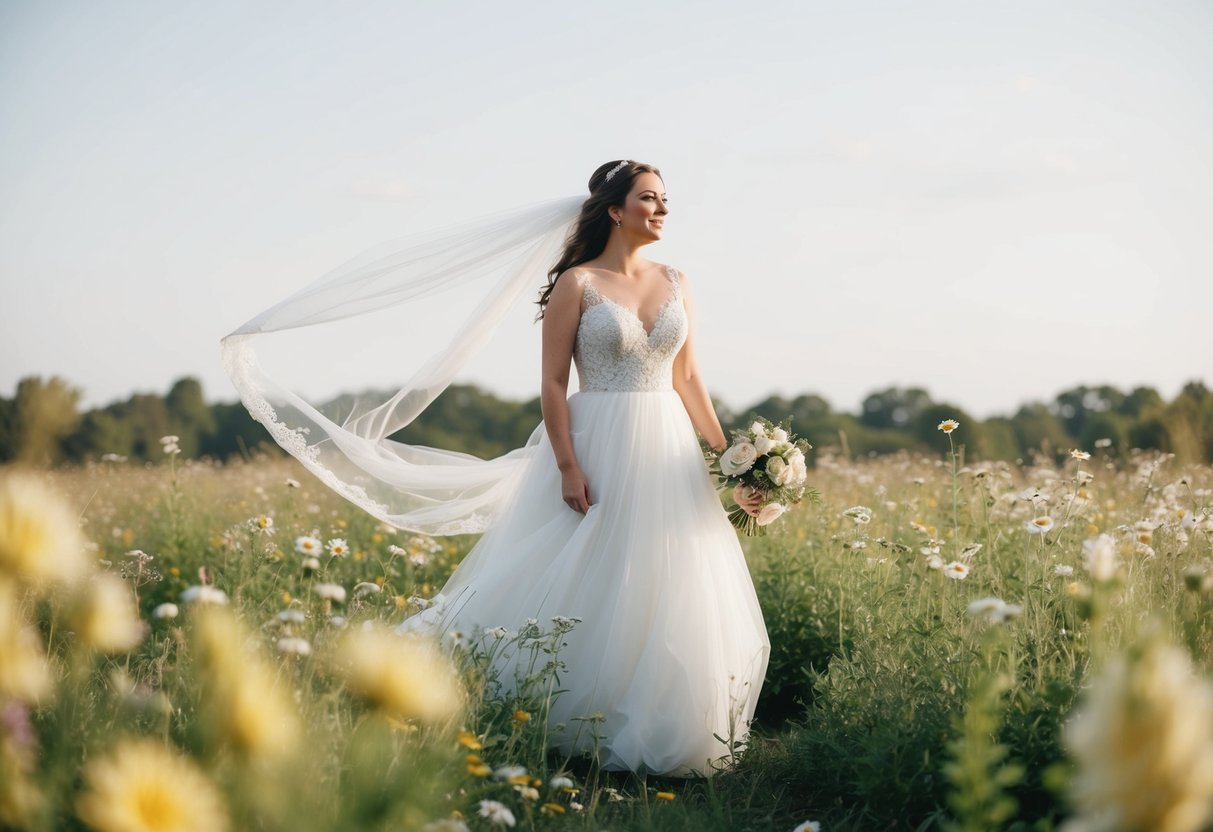
Your wedding dress is more than just a piece of clothing; it reflects your unique personality and the love you celebrate on your special day. Many brides choose gowns that show their style while still honoring the long-standing tradition of wearing a dress for the ceremony.
As you explore the significance behind wedding dresses, you’ll discover how this practice has changed and adapted over time. By understanding why brides choose to wear wedding dresses, you can appreciate the importance of this tradition in creating memorable moments. Whether it’s classic, modern, or something in between, each dress holds its own story and meaning.
Historical Evolution of the Wedding Dress
The wedding dress has a rich history that showcases how styles and traditions have changed over time. Key influences include royal traditions, cultural variations, and significant events that shaped today’s bridal fashion.
Influence of Queen Victoria
Queen Victoria’s wedding to Prince Albert in 1840 changed everything. She chose to wear a white dress made of silk satin, breaking from the tradition of brides wearing colorful gowns. This moment marked the beginning of the white wedding dress trend.
Before her, brides often wore red or other colors, which were seen as suitable for marriage. Victoria’s choice made white a symbol of purity and has influenced brides ever since. Today, many brides still honor this tradition, making it a key part of their wedding.
Transformation of Bridal Fashion Over Centuries
Bridal fashion has transformed significantly over the centuries. In ancient times, brides wore dresses made from luxurious fabrics like silk and adorned with intricate patterns. For example, in ancient Rome, brides often wore bright, multi-colored gowns.
During the Victorian era, the emphasis shifted to modesty and elegance. After Queen Victoria, the white dress became popular among all classes. The 20th century introduced new styles, with flapper dresses in the 1920s and fuller skirts in the 1950s. Each decade brought fresh designs, influenced by social change and celebrity weddings.
Cultural Variations in Bridal Attire
Bridal attire varies across cultures, each with its own unique significance. In many Asian cultures, for example, red dresses symbolize good luck and happiness. Chinese brides often wear stunning red gowns adorned with gold embroidery.
In contrast, Western styles lean toward white or ivory dresses, reflecting traditions started by Queen Victoria. Some brides blend styles, incorporating their cultural heritage into modern designs. Whether it’s a classic white dress or a colorful traditional gown, each choice tells a personal story and reflects individual values and heritage.
Symbolism and Meaning
When it comes to wedding dresses, they hold deep meaning and significance. You might find that a white wedding dress symbolizes various important ideas, including purity and innocence. Additionally, the color itself has rich symbolism in different cultures. You may also notice modern interpretations that showcase evolving views on love and commitment.
Purity and Innocence
The traditional white wedding dress is often linked to notions of purity and innocence. This symbolism can be traced back centuries, with roots in various cultures. Many people view a bride in white as someone starting a new life chapter, leaving the past behind.
Wearing white is a way to express hope for a joyful future together. You may feel this connection especially during the ceremony, when the dress signifies the start of your journey. This imagery resonates with the idea of entering a new relationship while embodying a fresh beginning.
Color Symbolism
The color white carries substantial symbolism that goes beyond weddings. In many cultures, white represents cleanliness, simplicity, and new beginnings. When you wear a white wedding dress, you align yourself with these qualities, which can evoke powerful emotions.
In addition, as you don the dress, it can symbolize respect for family traditions. You may appreciate how this color has become a classic choice, especially since Queen Victoria popularized it in the 19th century. The enduring appeal of white underscores its significance in the wedding ritual.
Modern Interpretations
Today, the meaning of a wedding dress has expanded. While the traditional symbolism of purity still exists, many brides and grooms are exploring new interpretations. Some may choose non-white dresses to represent their individuality and self-expression.
In modern ceremonies, the focus shifts from strict traditions to celebrating love uniquely. The dress can reflect personal style, cultural background, or even vibrant emotions. You might see a rainbow of colors and styles, showing how love has many forms. This evolution highlights that the essence of a wedding dress is about connection, not just conformity.
Components of Traditional Wedding Attire
Traditional wedding attire often features distinct components that symbolize love and unity. Two key elements are the white wedding gown and the accessories that enhance the bride’s look, such as the veil and wreath. Each part plays an essential role in creating a memorable bridal appearance.
The White Wedding Gown
The white wedding gown is an iconic symbol of purity and new beginnings. This tradition became popular in 1840 when Queen Victoria chose to wear a white dress for her wedding to Prince Albert. Before this, brides typically wore their best dress, regardless of the color.
Today, you can find a variety of styles, from classic ball gowns to simple sheath dresses. Many brides select a gown that reflects their personality and the tone of the wedding. The color white remains a favorite, but modern brides also explore other shades like ivory or blush for a unique touch.
Veil and Wreath
The veil is a timeless accessory that adds elegance to the bridal look. Traditionally, it symbolizes modesty and purity. Wearing a veil can create a dramatic entrance, transforming your appearance as it gracefully flows behind you.
Aside from a veil, some brides choose to wear a wreath of flowers. This beautiful accessory represents new beginnings and can create a fresh, romantic aura. It can be made of real or artificial flowers, allowing you to pick colors and styles that match your theme. Both the veil and wreath add significant charm to your attire, making your wedding day even more special.
Wedding Dresses in Contemporary Ceremonies
Modern weddings embrace diverse traditions and styles, allowing brides to express their unique identities. Choosing the perfect wedding dress is influenced by current trends and the significance of the occasion.
Current Trends and Styles
Today, wedding gowns come in many styles to suit individual preferences. Popular trends include minimalist designs, bold colors, and even two-piece outfits. You might choose a classic ball gown for a traditional look or a sleek, modern dress for a chic vibe.
Many brides also incorporate cultural elements, showcasing their heritage in their wedding attire. For example, some may choose dresses with intricate embroidery or vibrant hues that symbolize fertility and joy. The decision should reflect what matters to you while honoring your commitment and love story.
Choosing the Right Dress for the Occasion
When choosing a wedding dress, consider the wedding venue, time of day, and formality of the ceremony. A beach wedding might call for a light, flowing gown, while a formal church ceremony could inspire a more structured style.
Think about your comfort and confidence as you shop. Many brides find that trying on different silhouettes helps them understand what flatters their body type.
Don’t forget to consider accessories that complement your gown, such as veils or statement jewelry. Finding the balance between personal style and wedding traditions is key to feeling beautiful on your special day.