
Why Do Brides Wear White Dresses? The History and Meaning Behind This Timeless Tradition
The tradition of wearing a white wedding dress is something you may have wondered about. This custom began in the 19th century when Queen Victoria chose to wear white for her wedding to Prince Albert, symbolizing purity and innocence. Since then, many brides have embraced this tradition, choosing white to celebrate their special day.
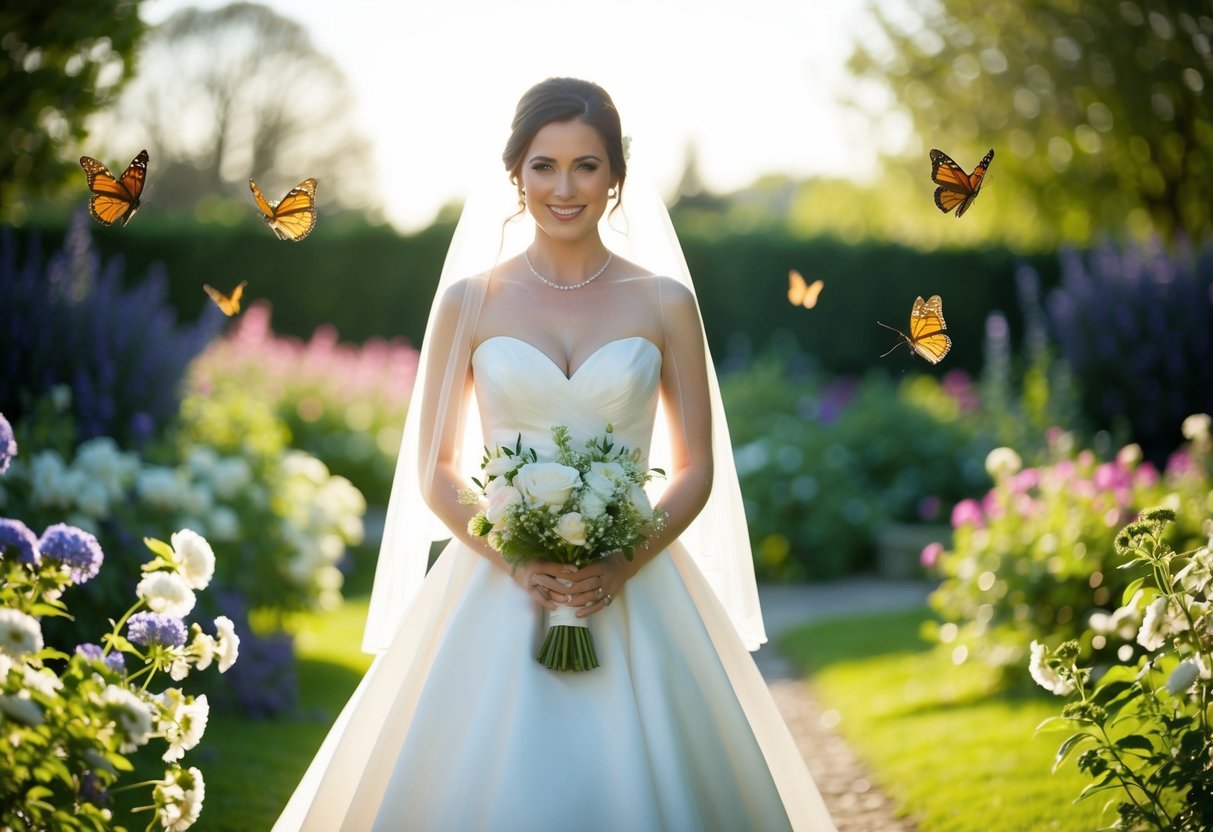
While the white dress has become a symbol of weddings, it’s important to note that brides can express themselves in many ways. The choice of a dress is personal and can reflect individual style and feelings about love and commitment.
Whether it’s white or another color, what truly matters is the celebration of your union.
As you explore the reasons behind this timeless tradition, you’ll discover the cultural significance and the evolving meanings of bridal attire. The white wedding dress is not just about color; it’s about the love and joy that come together on your special day.
Historical Origins of White Wedding Dresses
The choice of brides wearing white dresses has deep historical roots. Key moments in royal history solidified this tradition, leading to a cultural shift that many still follow today. Here are important aspects of this evolution.
Influence of Queen Victoria
Queen Victoria played a crucial role in popularizing the white wedding dress. In 1840, she wore a stunning white gown made of silk satin for her marriage to Prince Albert. Before this, brides often wore colorful dresses, with white not being a common choice.
Victoria’s gown set a new standard. It captured the public’s attention and made white synonymous with purity and innocence. This royal display influenced many brides who wanted to mimic the glamour of royal weddings. Wealthy women began to adopt white dresses, viewing them as a status symbol.
As her wedding photos circulated, the trend spread throughout England and beyond, becoming a lasting tradition in weddings today.
Cultural Shift to White in the Victorian Era
During the Victorian Era, social customs began to change. White became a symbol of innocence and new beginnings. Many Victorian brides adopted this color as they sought to embody these values on their wedding day.
The emphasis on purity and virtue made white a favored choice. Brides wanted their weddings to reflect these ideals. It also aligned with the Victorian notion of romanticism, where white dresses represented an idealized view of love and marriage.
As this trend grew, the white wedding dress became an enduring part of wedding traditions in many cultures. The influences of royal weddings and societal values forged a new path for brides that continues to this day.
Cultural Significance and Symbolism
When you think of a bride in a white dress, you might picture purity and tradition. This choice has deep roots in history and carries important meanings that have evolved over time. Understanding these aspects can help you appreciate the significance behind the white wedding dress today.
Purity and Innocence
Traditionally, white wedding dresses symbolize purity and innocence. When Queen Victoria wore her famous white gown in 1840, it marked a shift in wedding fashion. Before that, brides wore various colors, but the association of white with virginity became prominent after her wedding.
This symbolism reflects societal values around chastity and the expectation of brides in Western culture. Many view wearing white as a way to signify a fresh start in life, as you enter into a new phase of your relationship.
While this idea is still cherished, it’s important to recognize that modern views may differ. Some brides choose white for its elegance rather than to convey specific meanings about their personal history.
Modern Interpretations of Bridal White
Today, the interpretation of white dresses is much broader. While they still hold meanings of purity, many modern brides select white to express their individual style. White can represent a blank canvas, allowing brides to project their unique personality.
Many opt for custom designs, incorporating colors or patterns that speak to their story. This shift reflects a blending of tradition with personal expression.
Brides today often see the white dress as a symbol of celebration and love rather than just purity. This evolution shows how traditions can adapt while still holding value.
Global Perspectives on Bridal Attire
Bridal attire varies greatly across the world, reflecting different traditions and cultures. While white is a popular choice in many Western societies, other colors and styles hold significant meaning in different regions.
Variations in Eastern Traditions
In countries like China, brides often wear red wedding dresses. Red symbolizes happiness and prosperity. Many brides also incorporate gold embroidery in their gowns to add a touch of luxury.
In India, wedding attire can differ by region. Brides may choose vibrant colors like red, pink, or green. Traditional garments called saris or lehenga cholis are common. These outfits are often adorned with intricate patterns and embellishments, showcasing the bride’s heritage.
Eastern traditions emphasize auspicious colors, making the bride’s choice pivotal for signaling joy and good fortune.
Colorful Traditions in Africa and the Americas
In various African cultures, bridal attire is vibrant and richly designed. Traditional dresses often feature bright colors and unique patterns, reflecting the couple’s heritage. In many cases, brides wear garments made from kente cloth or mud cloth, which are both symbolic of identity and status.
In the Americas, especially among Indigenous communities, colors and styles can vary widely. Some brides choose to wear colorful dresses that reflect their cultural backgrounds. For example, a bride might don a traditional Indigenous dress with beads and feathers, celebrating her roots during the ceremony.
These diverse traditions highlight how brides can express cultural identity and personal significance through their wedding attire.
The Wedding Dress Industry and Media
The wedding dress industry is influenced by various factors, including fashion trends and media representation. Both elements shape your choices when selecting bridal attire and can impact your views on wedding traditions.
Bridal Fashion Trends
Bridal fashion trends change regularly, often driven by designers and influencers. Today, many brides opt for various styles, from classic ball gowns to sleek, modern silhouettes.
Each season brings new collections that inspire brides to find the perfect dress. Popular trends include unique fabrics, intricate lace patterns, and even bold colors.
You might notice the rise of minimalist dresses, which emphasize clean lines and elegance.
Social media plays a big part in showcasing these trends. Instagram and Pinterest are flooded with images of the latest designs. These platforms help brides see what’s in style, helping you make informed decisions for your wedding day.
Representation in Popular Culture
Media plays a crucial role in shaping our perception of wedding dresses. Movies and TV shows often highlight specific bridal looks. They shape our idea of the perfect wedding attire. You might recall iconic scenes that feature stunning wedding dresses that pushed trends forward.
Reality shows about weddings also influence our choices. They often focus on the emotional connection between relationships and the wedding dress. This connection adds a layer of significance to your selection process.
Moreover, advertisements often perpetuate a specific image of a bride. These portrayals can create pressure to conform to certain standards, affecting how you feel about your options. By recognizing these influences, you can make more authentic choices that reflect your personal style.