
Why Do British Men Not Wear Wedding Rings? Exploring Cultural Norms and Personal Choices
In Britain, many men choose not to wear wedding rings. This decision often sparks curiosity. The choice not to wear a ring may come from a mix of tradition, personal preference, and cultural factors unique to British society. Some men may feel that a wedding ring is unnecessary or uncomfortable, while others might see it as an outdated custom.

Historically, men in the UK had different customs around symbols of marriage. For a long time, not wearing a ring was not unusual, especially among the upper classes. You might find that some famous figures, like Prince William, opt out of this tradition, which highlights how personal choice plays a significant role in such customs.
As you explore this topic further, you’ll discover how changes in society and personal views have influenced the way British men think about wedding rings today. From comfort to individuality, the reasons are varied and intriguing.
Historical Context of Wedding Rings in British Culture
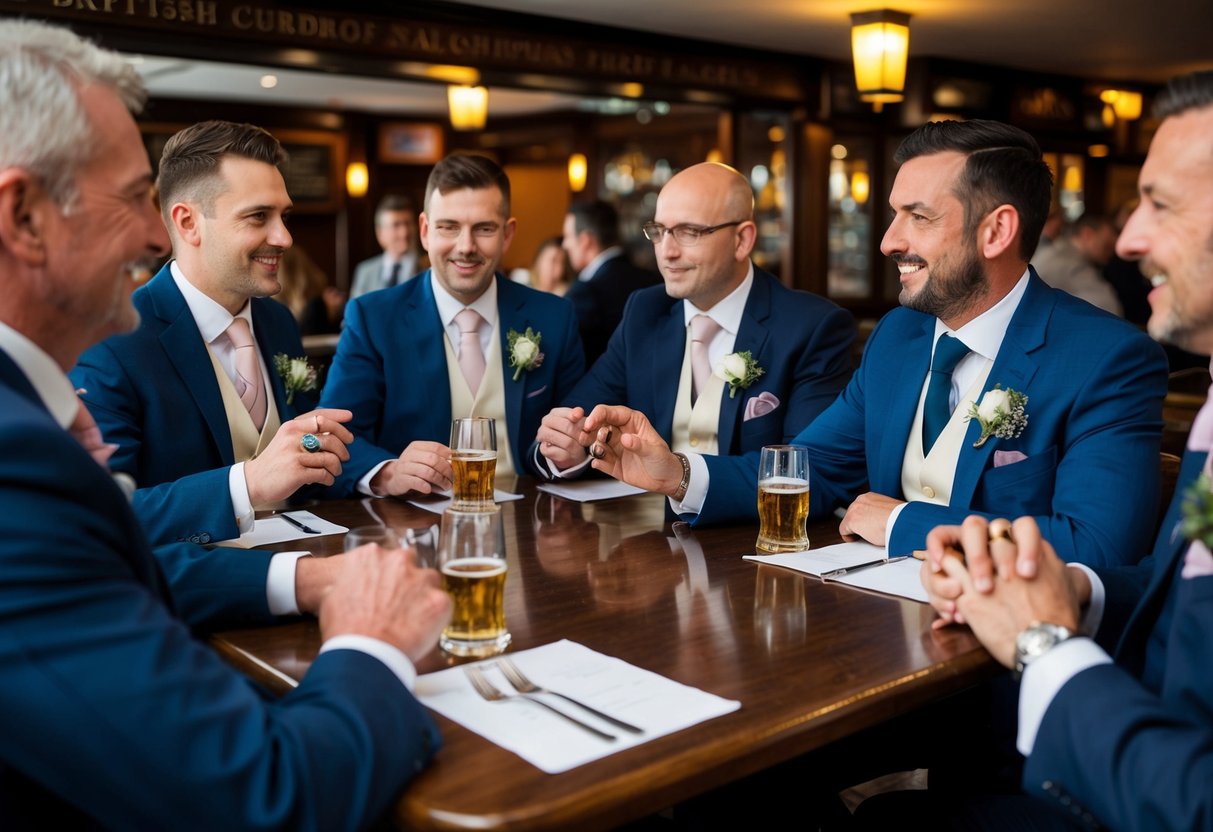
Understanding the historical context of wedding rings in British culture reveals why many men may choose not to wear them today. This section explores ancient traditions and the influence of the royal family on wedding ring practices.
Ancient Traditions and Adoptions
In ancient times, the concept of wedding bands was quite different. In Ancient Egypt, couples exchanged rings made from reeds or leather, symbolizing their bond. The circle of a ring represented eternity with no beginning or end.
As history progressed, the signet ring became popular among British nobility. These rings often featured a family crest or coat of arms, signifying lineage and status. Many men wore signet rings instead of traditional wedding bands, linking their identity and family legacy to marriage.
After World War II, the tradition of men wearing wedding rings began to rise. Many soldiers wore rings as reminders of their loved ones, making them a symbol of commitment.
Royal Family Influence
The British royal family has always had a significant impact on cultural practices, including wedding rings. For instance, Prince Philip did not wear a wedding ring during his marriage to Queen Elizabeth II. His choice reflected a tradition among some men in the British aristocracy.
Prince Charles and Prince William also have unique approaches to wedding rings. While Prince Charles opted for a simple band, Prince William chose not to wear one at all after his wedding, stirring public interest in modern attitudes toward wedding jewelry.
Their decisions influence public perceptions, and many British men may feel less pressure to wear wedding rings, following royal examples. The royal family’s choices contribute to the ongoing conversation about personal style and tradition in British culture.
Modern Interpretations of Marriage Symbols
In today’s society, symbols of commitment have evolved. While wedding rings remain significant for many, there are varied interpretations of what commitment means. You might see others choosing different symbols or even opting out altogether. Let’s explore what this means.
Wedding Rings vs. Other Symbols of Commitment
Wedding rings have been traditional symbols of love and commitment for centuries. However, many British men are now considering alternatives. Some prefer engagement rings or other forms of jewelry, which can represent commitment without fitting into traditional norms.
Many men feel that a wedding band might not suit their style or lifestyle. Instead, they might choose to show their dedication through actions or other meaningful tokens. This shift highlights a growing trend toward personal expressions of love.
Personal Choice and Social Views
Your decision to wear or not wear a wedding ring can be deeply personal. This choice often reflects your values and beliefs about marriage. For some, wearing a ring may feel outdated or overly traditional.
Cultural shifts have also influenced views on equality in relationships. As societal norms change, so do expectations around marriage symbols. Figures like David Cameron have noted how modern couples often embrace these changes. Ultimately, your choice aligns with what feels right for you and your partner.
Famous British Men and Their Ring-Wearing Habits
In Britain, some famous men choose not to wear wedding rings, while others wear them in unique ways. Understanding their habits can provide insight into this cultural choice.
Members of the Royal Family
Members of the British royal family have varied practices when it comes to wedding rings. For example, Prince William chose not to wear one after his marriage, which sparked a lot of discussion. This decision is partly due to tradition and personal choice.
On the other hand, Prince Charles does wear a wedding band but opts to place it on his pinky finger alongside a larger signet ring. The Duke of Edinburgh, Prince Philip, also did not wear a wedding ring. Many royal men prefer such styles, reflecting their individuality and the weight of tradition.
Celebrities and Public Figures
Among celebrities, you might notice similar patterns. Former Prime Minister David Cameron has been seen wearing a wedding ring, symbolizing his commitment. In contrast, modern British celebrities often express their style differently.
Prince Harry, like his brother, has been noted for his choice not to wear a ring. Instead, he sometimes wears other types of jewelry that hold personal meaning. This shift in fashion shows a growing trend among famous men who favor personal expression over traditional symbols.
Cultural Variations and Global Perspectives
When exploring why British men may choose not to wear wedding rings, it’s essential to look at cultural differences and global practices. Customs surrounding wedding rings vary significantly around the world, highlighting unique traditions and values.
British Customs vs. International Practices
In Britain, wearing a wedding ring among men is less common than in other cultures. Many British men often view wedding rings as unnecessary symbols of commitment. This contrasts with countries like the United States and Italy, where it’s standard for both brides and grooms to wear rings.
In some cultures, wedding rings are seen as essential. For example, in India, the exchange of rings represents a bond of love and fidelity. In other regions, men might not wear rings at all, sometimes placing emphasis on other symbols, like vows or ceremonies.
The Notion of Equality and Ring-Wearing
The discussion of wedding rings often involves the concept of equality. In some cultures, both partners wear rings to signify equal commitment. Meanwhile, some British men feel that not wearing a ring allows them to express individuality separate from marital status.
This notion of equality can influence decisions about wedding bands. For instance, couples may choose matching designs or decide that a ring isn’t necessary for either partner. This approach promotes the idea that commitment is more about mutual respect than a physical token. As a result, it allows for more personalized expressions of love and partnership.