
Why Do Brits Wear Wedding Ring on Right Hand? Exploring Cultural Traditions and Practices
When it comes to wedding rings, you might wonder why many Brits choose to wear their rings on the right hand. In British tradition, although the left hand is often favored, wearing a wedding ring on the right hand can symbolize a couple’s unique identity and their personal beliefs. This practice varies among cultures, and understanding its roots can help you appreciate the rich tapestry of customs surrounding marriage.
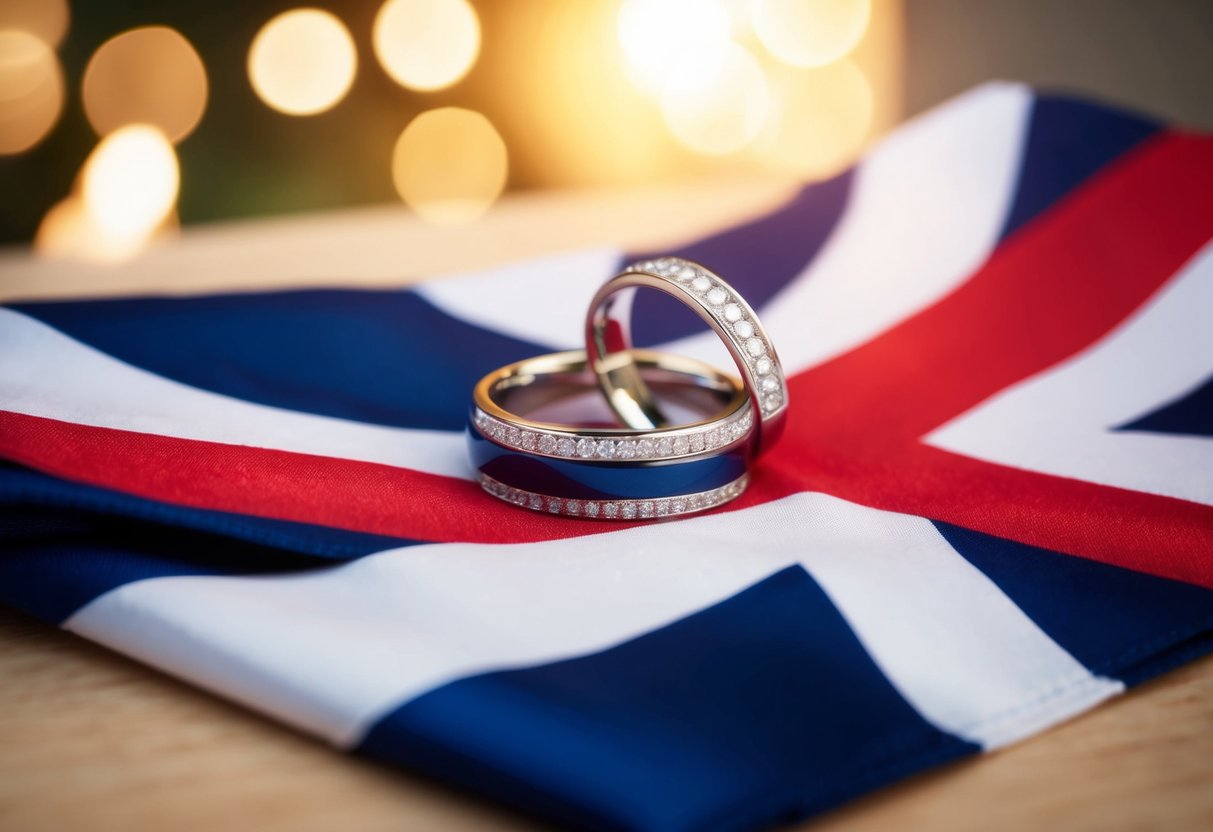
The choice of which hand to wear a wedding ring reflects deeper meanings tied to cultural significance and personal preference. For some, the right hand represents a commitment that stands apart from traditional norms. Many couples embrace this alternative to showcase their individuality and respect for diverse traditions.
As you explore the reasons behind this custom, you’ll discover how it connects to broader traditions and what it means for couples in Britain today. Understanding these choices can deepen your appreciation for the diverse ways love and commitment are expressed around the world.
Cultural Significance and Traditions
The way people wear wedding rings reflects important cultural beliefs and practices. In Britain, this choice carries deep meaning tied to history and regional customs. Understanding these roots can help you appreciate the choices couples make regarding their wedding rings.
Historical Roots of Ring Placement
The tradition of wearing wedding rings has fascinating historical roots. In ancient civilizations, including Egypt and Rome, rings symbolized love and commitment. Ancient Romans believed in the vena amoris, or the “vein of love,” which they thought ran from the ring finger directly to the heart.
This belief helped establish wearing rings on the left hand as a sign of unity. However, in many Eastern European countries, including Russia, couples often choose to wear rings on the right hand. This practice is influenced by Orthodox Christianity, which emphasizes different customs compared to Western traditions.
Regional Traditions in Europe and Beyond
Across Europe, the placement of wedding rings varies widely. In countries like Germany and Poland, married couples typically wear their rings on the right hand. Here, the right hand symbolizes strength and protection.
In contrast, Western cultures, including the UK, usually opt for the left hand. This division showcases the rich cultural heritage of European nations. Each region holds unique meanings for rings that go beyond mere jewelry.
While the left hand may signify love and commitment in some cultures, the right hand embodies similar sentiments with distinct symbolic intent. Understanding these regional customs can deepen your appreciation for marriage traditions worldwide.
Symbolism and Personal Significance
Wearing a wedding ring is a deeply personal choice that often reflects your values and beliefs. Whether it’s about tradition or individual preference, the meaning behind which hand you choose can tell a unique story about love and commitment.
Vena Amoris and Eternal Love
The idea of the vena amoris, or “vein of love,” is a charming belief that originated in ancient cultures. It’s thought that a vein runs directly from the ring finger to the heart. This symbolic connection makes the ring more than just jewelry; it represents an eternal bond with your partner.
When you choose to wear your wedding ring on your right hand, it can emphasize your commitment differently. It can symbolize a modern take on love, combining both tradition and personal significance. Each glance at your ring can remind you of the love you share.
Choosing the Right or Left Hand
Opting to wear your wedding ring on the right hand is often a personal choice influenced by cultural factors. In many countries, this is the norm, and it symbolizes your commitment in a way that’s meaningful to you.
Your choice can also reflect your personal style and practical considerations. Whether you’re left-handed or have a job that requires the use of both hands, wearing your ring on the right can be a comfortable alternative.
Ultimately, the finger you choose is about what resonates the most with you. It’s less about tradition and more about expressing your own unique bond.
Social and Cultural Considerations
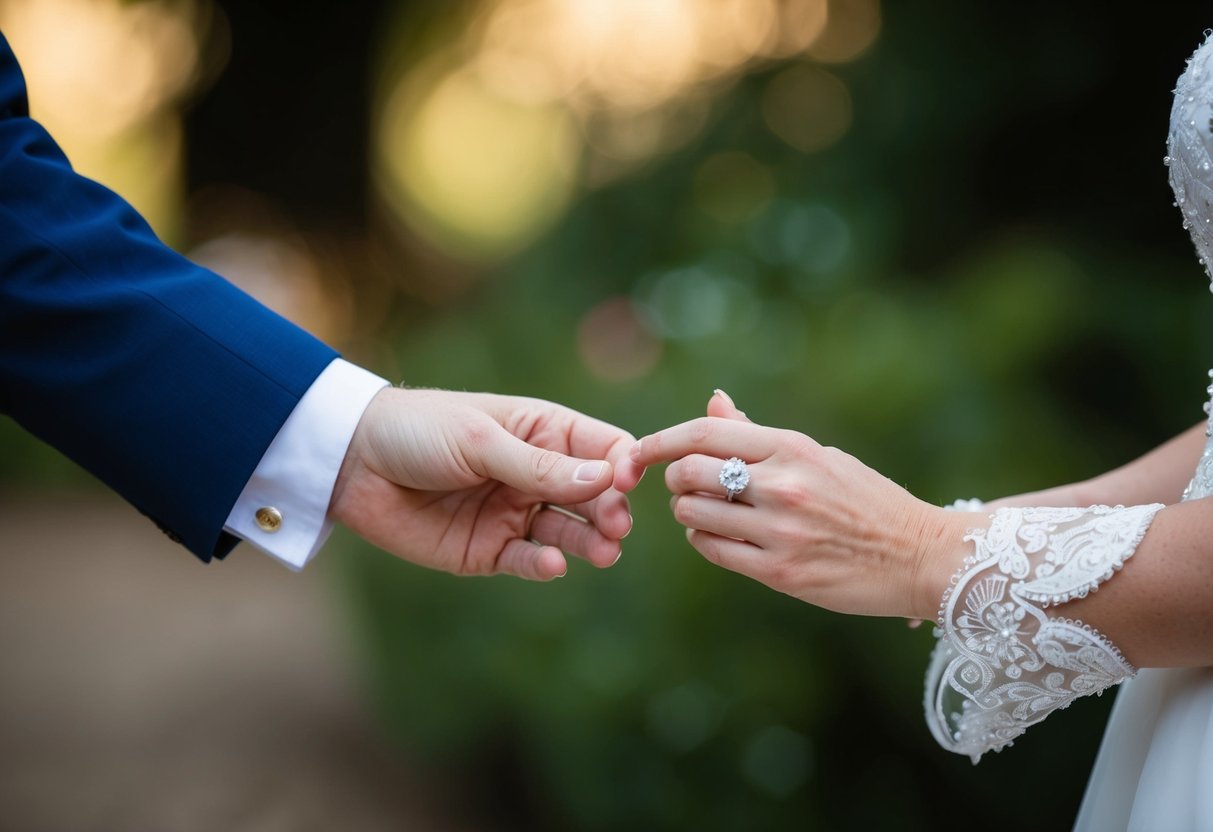
Cultural influences shape many aspects of life, including how you wear your wedding ring. Various traditions, personal choices, and practical considerations all play important roles in the decision to wear a wedding ring on the right hand.
Influence of Cultural Norms and Heritage
In the UK, many individuals continue to follow historical customs. For instance, British women often wear wedding and engagement rings on their left hand. However, some choose the right hand due to different cultural norms. In countries like Germany, Russia, and India, the right hand is traditionally used. These deep-rooted customs can significantly impact your choices.
Regional variations are also significant. Some areas may have specific practices regarding which hand is preferred for wedding rings. Adhering to these traditions may strengthen your sense of community and belonging.
Adaptation in Same-Sex Marriages and Inclusivity
Same-sex couples have brought new perspectives on how wedding rings are worn. For many, the right hand symbolizes equality in a marriage, emphasizing personal choice over tradition. This shift reflects the values of inclusivity and representation in modern relationships.
You might find that same-sex couples often prioritize what feels right for them rather than adhering to traditional customs. This allows for personal preferences to come into play, making each union unique.
Practical Aspects Influencing Ring Choice
Practical considerations can also impact your ring choice. For example, if you are left-handed, you might prefer wearing your ring on the right hand for comfort or convenience. This choice can prevent wear and damage while handling tools or other objects.
Some people also consider lifestyle factors. Those with active jobs may choose rings that are sturdy or less likely to catch on objects. Making a decision based on practical aspects can enhance your everyday experience while wearing your wedding ring.