
Why Do Couples Spend So Much Money on Weddings? Exploring the Trends and Expectations
Planning a wedding can be one of the most exciting yet overwhelming experiences for any couple. As you prepare to celebrate your love and commitment, it’s easy to get caught up in the details—and the costs.
Emotional factors, societal pressures, and the desire to create a perfect day for themselves and their guests often lead many couples to spend more than they originally planned.
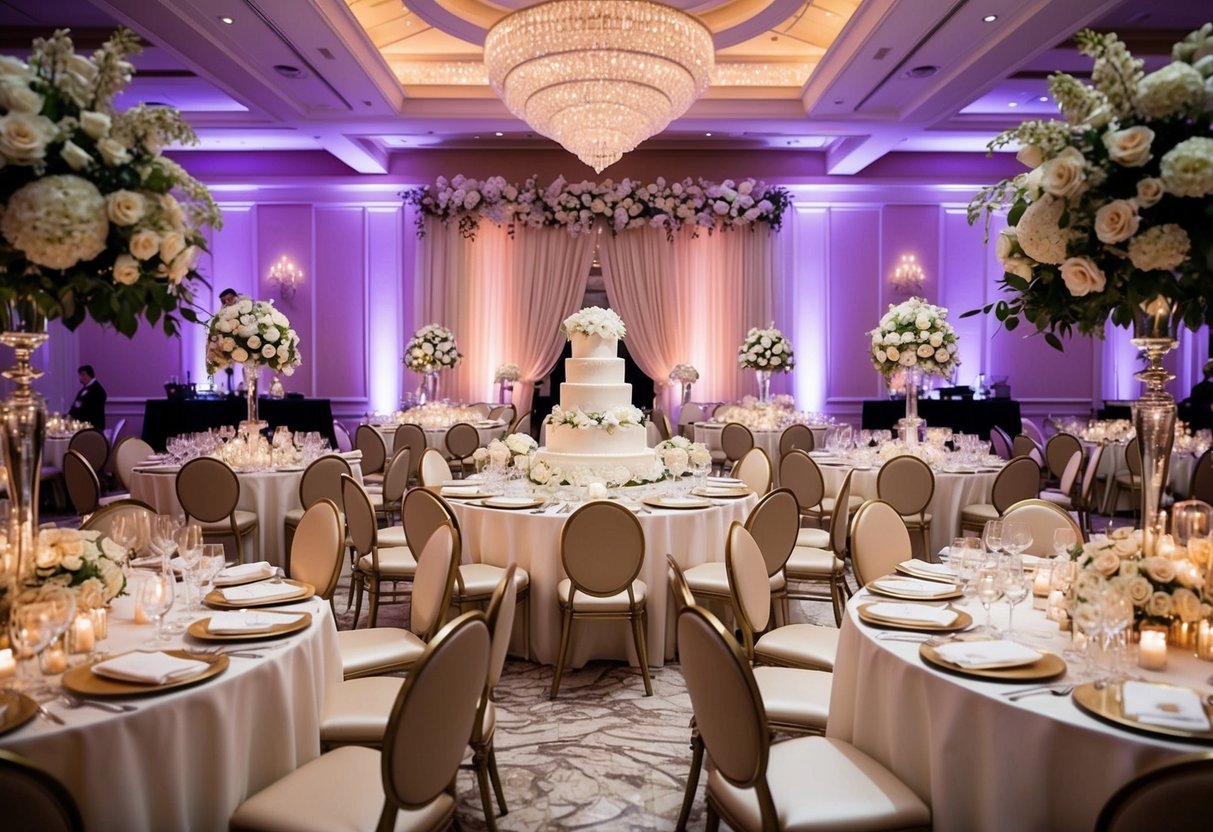
You may find yourself wanting to impress family and friends, leading to higher spending on venues, catering, and entertainment. The wish for everything to be just right can push budgets higher, as couples invest in memorable experiences that mark their union.
Understanding why these costs add up can help you navigate the financial aspects of your big day with more clarity.
As you read on, you’ll discover the key reasons behind these rising expenses and learn how to manage your budget effectively while still celebrating your unique love story. After all, a wedding is not just about the money spent but the beautiful moments and memories created together.
Understanding the Cost Drivers of a Wedding
Weddings come with many expenses that can quickly add up. Each choice you make can impact your budget. Knowing the main areas of spending can help you plan better and stay within your limits.
The Venue: A Major Expense
The venue is often the biggest cost in a wedding budget. Whether it’s a grand hall or a charming outdoor space, location matters.
Venue prices vary widely based on factors like location, day of the week, and season. For instance, a wedding in New York can cost around $48,600, while a venue in Idaho averages about $19,800.
Additionally, you may need to consider costs for decorations and rental equipment. Always read the fine print to understand what’s included and avoid surprise fees.
Catering and Dining: Feeding the Celebration
Catering is another significant expense. The food you choose can impact not only taste but also your budget.
You need to consider the type of meal service, such as buffet versus plated dinners. Buffets can save money but may require more staffing. Average costs might range from $70 to $150 per person, depending on menu choices.
Don’t forget about drinks! Open bars are popular but can dramatically increase costs. You might look into drink packages to manage expenses.
Photography and Videography: Capturing Memories
You want to remember your special day forever, and choosing the right photographer or videographer is essential.
Quality photography can range from $1,500 to over $5,000. Look for packages that suit your needs, including engagement sessions, prints, and albums.
Understanding what you want captured can help you choose the right professional. Videos are an extra layer of memories but may add to your total costs.
Always check reviews and ask about experience to ensure you’re getting the best for your investment.
Wedding Attire and Rings: Dressing for the Occasion
Attire is another key area. The wedding dress can be a major cost, often averaging around $1,000, but designer dresses can cost much more. Don’t forget tailoring costs for that perfect fit.
For groom’s attire, prices can vary but expect somewhere around $200 to $800.
Rings are also important. The average couple spends about $6,000 on engagement and wedding rings combined. Look for options within your budget, considering materials and styles that reflect your taste.
Decor and Flowers: Setting the Stage
Last but not least, decor plays a huge role in creating the atmosphere of your wedding. Flowers can range from simple arrangements to elaborate displays.
You might spend anywhere from $1,500 to $5,000 depending on the style, season, and location of your wedding.
Consider DIY options for centerpieces or look for local flower markets for less expensive alternatives.
Don’t forget about other decor elements like lighting and table settings. Each little detail can enhance the overall look and feel of your big day.
Planning and Budgeting for the Big Day
Planning a wedding can be exciting but often overwhelming. Setting a budget, deciding if you need a wedding planner, and considering the size of your guest list are key factors to manage costs effectively.
Setting a Realistic Wedding Budget
The first step in planning your wedding is to set a realistic budget. Start by listing all potential expenses such as the venue, catering, attire, decorations, and photography. Research typical costs for your area to understand what you might spend.
It’s wise to allocate extra funds for unexpected expenses, which often arise during wedding planning. A good rule of thumb is to set aside 10-15% of your budget for these surprises.
Involve your partner in this budgeting process to ensure both of you agree on spending priorities. Open communication can help you stay on track and reduce stress about finances.
The Role of Wedding Planners
Hiring a wedding planner can be a game changer. They bring expertise and can help you stick to your budget. A planner understands the ins and outs of the industry, allowing you to make informed decisions.
A wedding planner can also help negotiate with vendors and find ways to save money without compromising your vision. They often know where to find quality services at lower prices.
If your budget allows, consider having a planner handle logistics and details. This can free you up to enjoy the journey without feeling overwhelmed.
Guest List Size and Cost Implications
Your guest list size plays a significant role in your wedding budget. More guests mean higher costs for catering, seating, and other accommodations.
To keep costs manageable, start by listing everyone you want to invite, then categorize them into must-haves and nice-to-haves. This can help you prioritize and cut down on numbers if needed.
Remember, each guest adds to your total expenses, so think carefully about who you truly want to celebrate with you. Being selective can allow you to allocate more of your budget to other aspects of your wedding, enhancing the overall experience.
The Impact of Societal Expectations and Trends
Societal expectations and current trends play significant roles in shaping how much couples spend on their weddings. Understanding these influences can help you navigate the pressures that drive wedding costs higher.
The Influence of Media and Culture on Weddings
Media and pop culture often set high standards for weddings. You might notice lavish ceremonies featured in movies or on shows, portraying weddings as grand events. These images can create a belief that a perfect wedding requires extensive spending.
Social media adds another layer. Platforms like Instagram showcase stunning wedding photos, pushing couples to emulate these extravagant styles. You may feel the need to spend more to achieve a similar aesthetic, leading to increased costs.
Expensive Weddings: Status Symbol or Tradition?
For many couples, spending big on weddings is about more than just the event. It can act as a status symbol. You may find that certain high costs elevate your perceived social standing. This pressure often leads to spending beyond your original budget.
Tradition also plays a major role. Some elements, like elaborate receptions or extensive guest lists, come from long-standing customs. This adherence to tradition can push the average wedding cost well above expectations, leaving couples wondering why they overspend.
Wedding Season and Its Effect on Expenses
Wedding season can greatly influence your expenses. Popular months for weddings often see a spike in costs. Vendors may raise prices during peak times, knowing demand is high. If you’re planning a wedding during these months, you might find yourself feeling the pinch.
Additionally, high attendance rates during peak season can lead to larger guest lists. More guests typically mean increased costs for catering, seating, and more. This can quickly add to your expenses, making it essential to consider timing when planning your wedding.
Post-Wedding Considerations
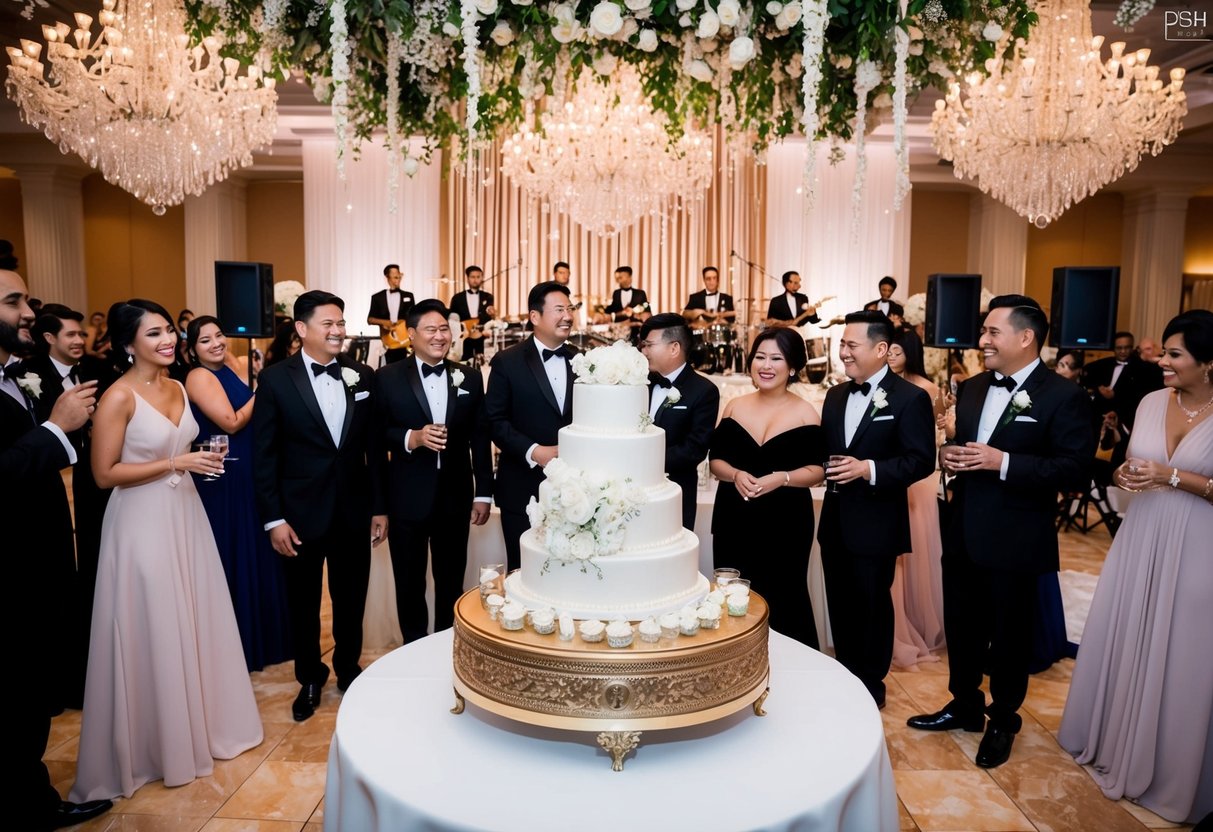
After your wedding celebration, it’s important to think about what comes next. You’ll be faced with decisions about your honeymoon and how to navigate life together post-wedding. Both are key elements for building a strong foundation for your marriage.
The Honeymoon: Planning for After the Wedding
Planning your honeymoon can be just as exciting as the wedding itself. Consider what type of getaway suits both your tastes. Whether it’s a tropical beach, a cozy cabin, or an adventure-packed trip, choose a destination that reflects your shared interests.
Budgeting is essential. With wedding expenses behind you, you may have more flexibility, but keep an eye on costs. Factor in flights, accommodations, and daily activities. Hiring a wedding coordinator can help if you feel overwhelmed.
Don’t forget to plan for fun! Consider an open bar at your honeymoon hotel or romantic dinners to celebrate your new life together. This time is meant for relaxation, so make it special.
Life Beyond the Wedding: Moving Forward Together
After the ceremony, it’s time to settle into married life. Discuss your goals as a couple. Talk about finances, living arrangements, and future plans. This open communication helps build trust.
Take care of your newfound responsibilities. You might need to update your health insurance, join bank accounts, or even file taxes differently. Keep track of expenses that arise from your wedding. This will set the tone for your financial partnership moving forward.
Lastly, continue your celebration by planning regular date nights. This helps strengthen your bond as you both adjust to your new roles. Enjoy this journey together!