
Why Do Girls Stand on the Left Side at a Wedding? Exploring Tradition and Meaning
At weddings, you may have noticed that the bride typically stands on the left side of the altar while the groom is on the right. This tradition dates back to ancient times when the groom needed his right hand free to protect his bride from any unwanted suitors. It may seem like a small detail, but it carries a lot of history and significance.
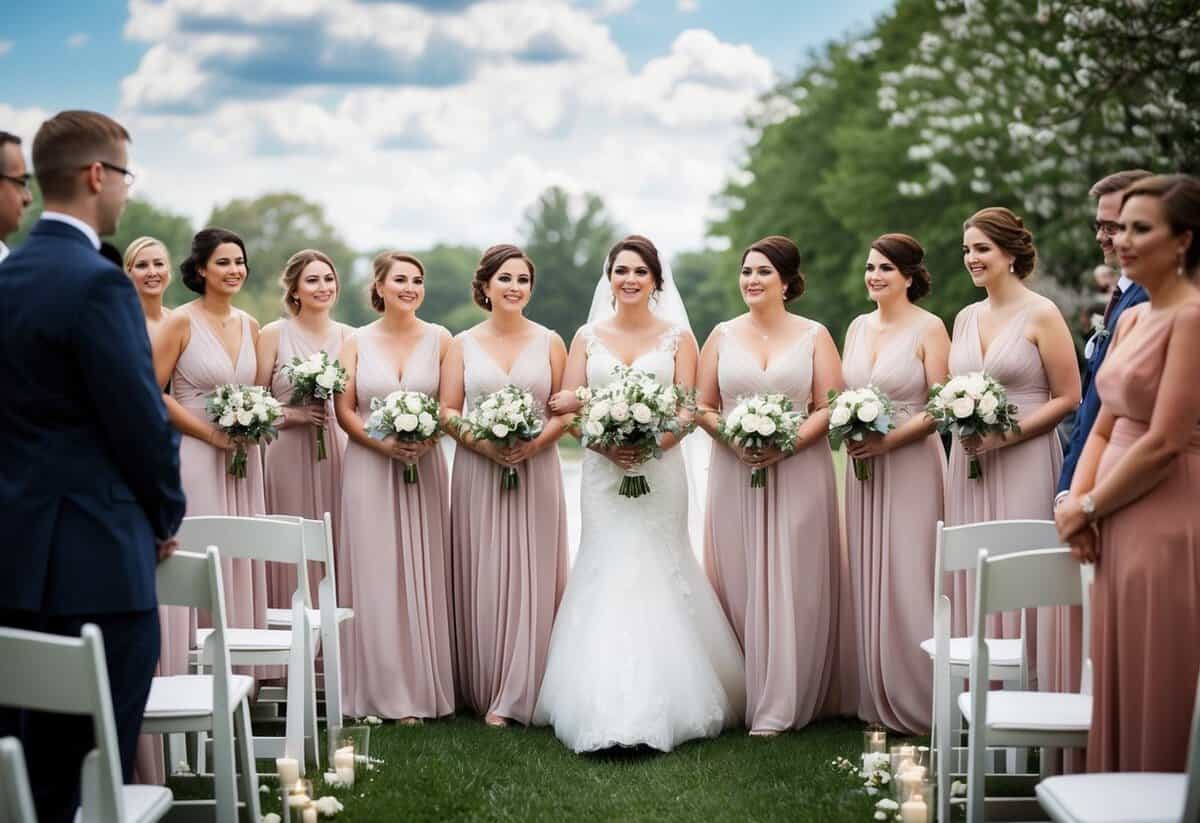
You might wonder if this is a strict rule or if couples can choose their own arrangement. Many modern couples feel free to switch sides based on personal preference and the unique dynamics of their ceremony. Still, the classic setup remains popular, often highlighting the emotional connection between the couple.
Understanding the reasons behind the bride standing on the left can add depth to your wedding experience. Dive into this tradition and discover more about how it enriches the wedding ceremony.
Historical Origins of Wedding Positions
Wedding positions have deep-rooted historical significance. Understanding the past helps you appreciate why traditions like standing on the left side exist. Many customs are tied to concepts of protection, love, and cultural beliefs.
Marriage by Capture and Chivalry
In ancient times, marriage was often viewed through the lens of “marriage by capture.” This meant that grooms had to physically take their brides, leading to a need for protection.
Chivalry emerged during the Middle Ages and emphasized a knight’s duty to protect women. As a result, grooms traditionally stood on the right side, ready to defend their brides from potential threats. This positioning symbolized strength and protectiveness.
Christian and Jewish Tradition
In Christian ceremonies, brides stand to the left of grooms. This dates back to medieval times when grooms needed to have their right hand free for protection. The belief was that a man’s heart is on the left side.
In contrast, Jewish weddings reverse this tradition. Here, the bride stands on the right, with the groom on the left under the chuppah. This difference highlights distinct cultural practices, yet both still emphasize love and unity in their own ways.
Ceremonial Roles and Arrangements
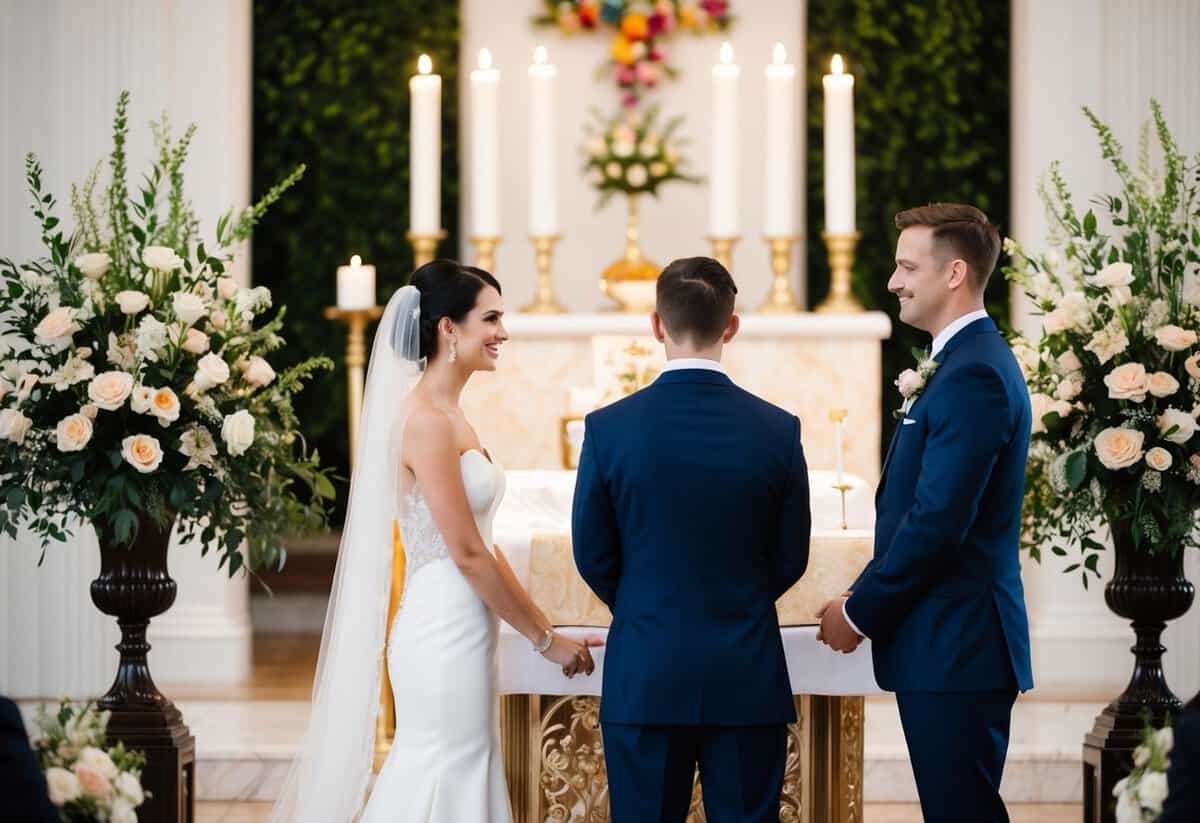
In a wedding ceremony, specific roles and seating arrangements play an important part in the overall experience. Understanding these roles helps clarify why the bride stands on the left side.
Roles of the Bridal Party
The bridal party includes several key figures, each with specific responsibilities. You have the bride and groom, as well as the bridesmaids and groomsmen. The best man stands beside the groom, often responsible for holding the rings and giving a speech.
Bridesmaids support the bride during the ceremony and often help with tasks leading up to the big day. Their position on the left side emphasizes their support for the bride. Each member’s placement highlights the roles they play, enhancing the ceremony’s overall structure.
Significance of Seating Arrangements
Seating arrangements in a wedding create a visual and symbolic balance. The bride typically stands on the left side of the altar, while the groom is on the right. This tradition comes from historical practices where the groom needed to keep his right hand free for defense against threats.
The placement of the wedding officiant is usually in front of the couple, guiding the ceremony. This creates a clear focus on the bride and groom, making their union the centerpiece of the event. Understanding these arrangements adds depth to what might seem like simple traditions.
Contemporary Interpretations and Adaptations
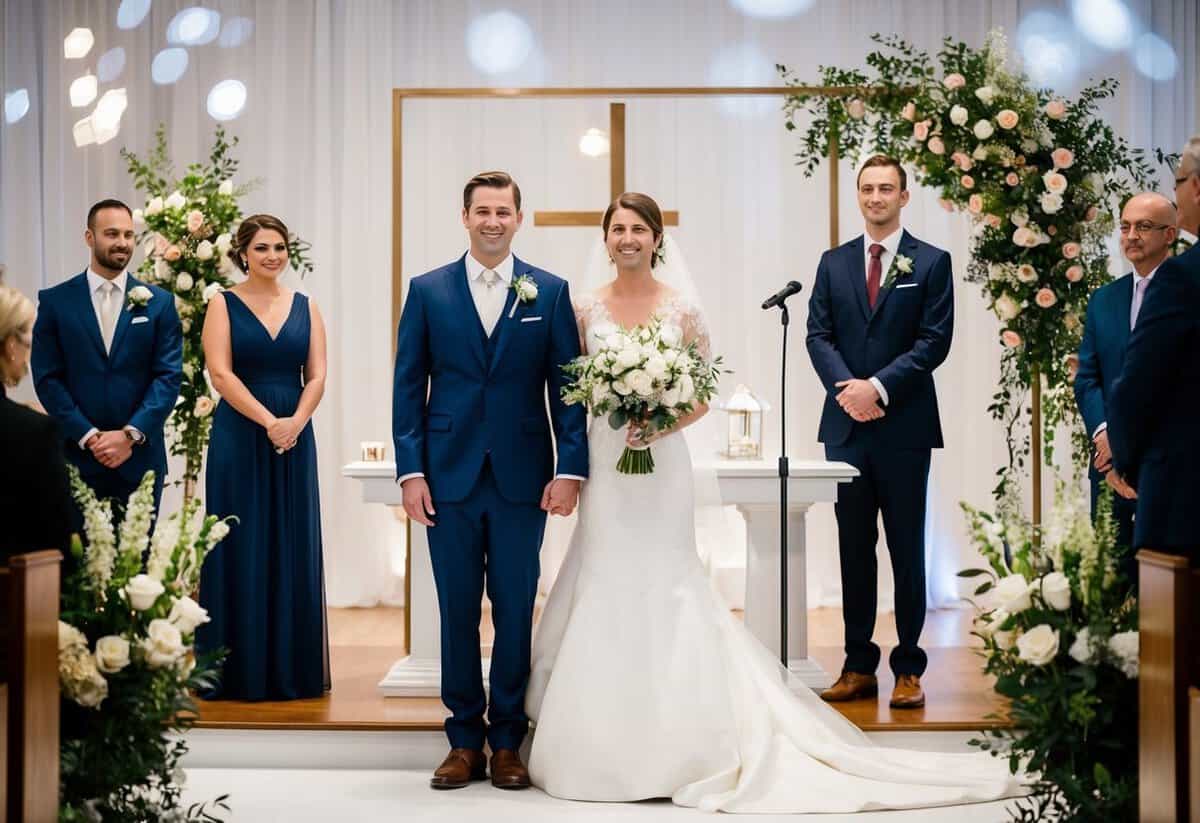
Weddings today often reflect personal values and contemporary norms. Many couples choose how to position themselves during the ceremony based on what feels right for them, moving away from strict traditions.
Incorporating Personal Preferences
You may find that choosing the left or right side of the aisle is linked to personal preference rather than tradition. Some couples might want to stand facing each other, emphasizing their connection.
This act can create emotional moments that resonate with both you and your guests. If standing on the left feels right, there’s no reason to follow an outdated tradition. Modern weddings encourage couples to express who they are, tailoring each detail to their unique love story.
Having a position of honor isn’t limited to tradition. You can select sides that reflect your values or family dynamics. This personal touch often enhances the joy of the ceremony, making it memorable for everyone involved.
Adaptations for Same-Sex Couples
For same-sex couples, the definition of who stands where varies widely. However, you can decide based on personal preference rather than traditional gender roles. This flexibility allows you to focus on what makes your ceremony special.
Whether it’s deciding who walks down the aisle first or choosing sides based on comfort, the emphasis is on love and respect. Many couples opt for a neutral approach. Sometimes, they stand side by side or face each other to symbolize equality.
These modern adaptations foster a sense of belonging and make the wedding feel more inclusive. This newfound freedom also encourages creativity, leading to unique ceremonies that reflect your shared journey.