
Why Do Grooms Stand on the Right? Unpacking Wedding Traditions
When you think about wedding traditions, one detail that often stands out is where the groom stands during the ceremony. Traditionally, grooms stand on the right side of the altar, a choice that symbolizes their role as the protector of the bride. This custom goes back to earlier times when knights stood ready to defend their loved ones.
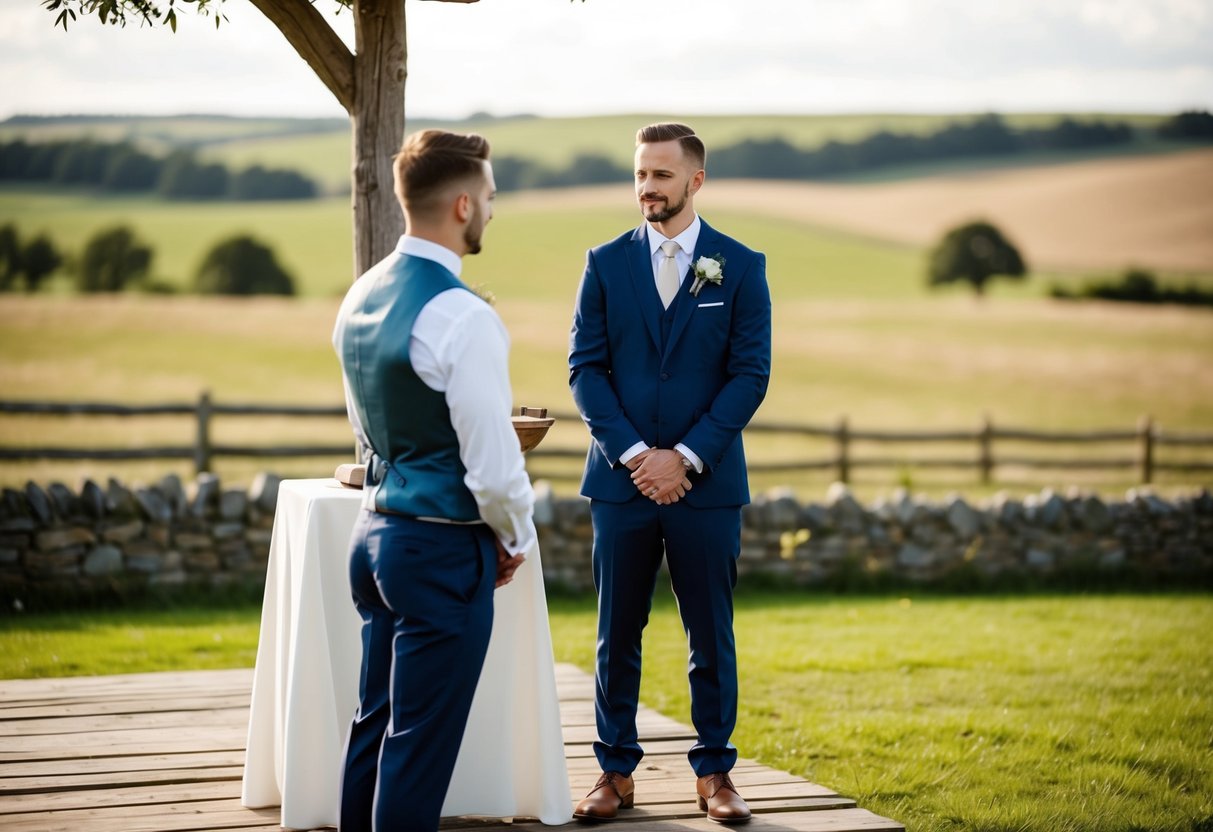
You may wonder why this specific positioning matters. The left side is where the bride stands, often said to be “under the groom’s heart.” This arrangement not only helps in showing the groom’s commitment but also highlights the protective nature of his role during the ceremony.
Understanding these long-standing traditions can add depth to your wedding experience. You might find that knowing the significance behind the groom’s placement makes your special day even more meaningful.
Historical Significance and Origins

The tradition of grooms standing on the right side during weddings has deep roots in history. This position symbolizes protection and the roles of men and women in various cultural contexts.
Chivalry and Protection
In the Middle Ages, grooms stood on the right to keep their right arm free. This was important because the right arm was often seen as the “sword arm.” Should danger arise, the groom could quickly draw his sword to protect his bride.
The idea of “marriage by capture” also influenced this tradition. In these situations, a groom had to be ready to defend his future wife from any threats. Standing on the right allowed him to face potential dangers while keeping his bride safe. This practice emphasized the groom’s role as a protector, an important aspect of chivalry during that time.
Religious Traditions and Practices
Different cultures have their own reasons for this tradition too. In Jewish weddings, the placement of the groom often reflects a historical significance tied to protection and familial bonds.
Christian weddings also carry this symbolism. The groom standing on the right reinforces his commitment to safeguard his bride. It connects to the teachings of honor and respect in marriage.
By upholding this tradition, you may find a deeper appreciation for the historical context of your special day. Understanding these origins adds meaning to the moment you walk down the aisle together.
Modern Interpretations and Practices

Today, the placement of grooms on the right side during wedding ceremonies can vary based on cultural norms, inclusivity efforts, and personal choices. You may notice these changes in various settings as couples make their ceremonies unique and meaningful.
Cultural Variations
In different cultures, the groom’s position can hold diverse meanings. For example, in some traditions, the groom stands to the right as a symbol of his role as protector. In others, this placement might not apply at all.
In certain cultures, the bride and groom may switch sides based on family traditions or regional customs. This flexibility reflects the evolution of wedding ceremonies. You might even see the groomsmen lined up on the right, mirroring the groom’s position, while the bridesmaids stand to the left. Such arrangements honor both families while respecting historical practices.
Adaptations for Inclusivity
Modern weddings are increasingly embracing inclusivity, particularly for same-sex couples. You might notice that many couples now choose to stand side by side at the altar, rather than adhering to traditional sides. This setup can symbolize equality and partnership.
Additionally, wedding programs often allow for creative descriptions, such as “partner” and “partner” instead of “bride” and “groom.” These adaptations help make all couples feel represented.
When planning your ceremony, consider discussing with your partner how to best reflect your shared values while respecting traditions that matter to you both.
Symbolic Gestures and Positions
The choice of where to stand at the altar can also represent deeper meanings. For instance, the right side is often called the “sword arm,” suggesting readiness to protect. This remains relevant in many ceremonies, even if the tradition is less common today.
Additionally, many couples utilize the sweetheart table for an intimate setting during receptions, furthering the idea of togetherness. The wedding party’s placement also plays a role, with bridesmaids and groomsmen strategically positioned to support you both on your special day.
Ceremony Structure and Party Layout
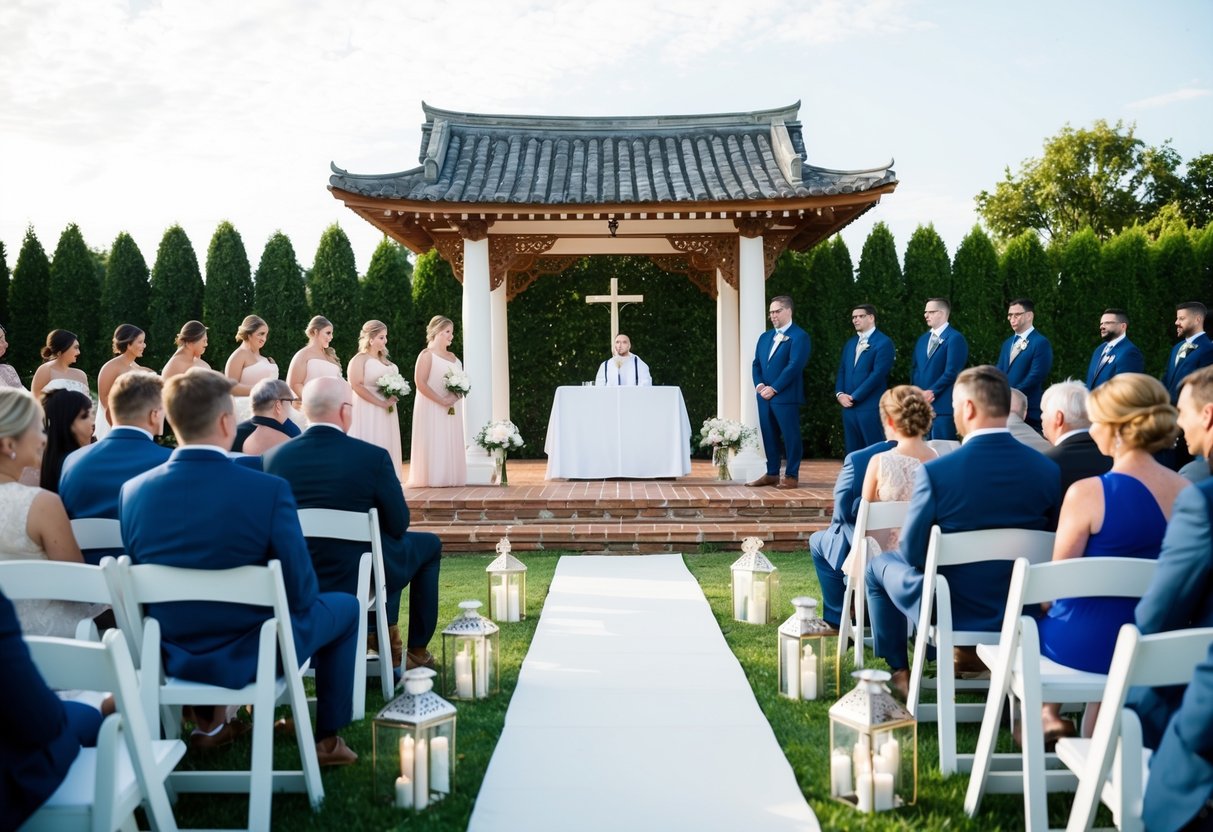
The arrangement of the wedding ceremony plays a significant role in how the event flows. It reflects traditions and symbolizes the bond between the couple. Understanding the layout can help enhance your special day.
Seating Arrangements
In a traditional wedding ceremony, the seating arrangement is generally split between the two families. The bride’s family usually sits on the left side, while the groom’s family occupies the right. This placement creates a welcoming environment for both sides and emphasizes unity.
The key roles of your wedding party include the best man and maid of honor. They typically stand close to you at the altar, ready to offer support. Other important figures, like the flower girl and ring bearer, often have designated roles that add charm to the ceremony.
Symbolism of Bridal Party Positions
The positions of the bridal party hold deep symbolic significance. The bride stands on the left, allowing the groom to keep his right hand free. This tradition stems from a time when grooms were expected to protect their brides.
By standing on the right, the groom symbolizes strength and unity. The best man offers support, reinforcing the commitment you’re making. Together, these arrangements reflect eternal love and a commitment to each other.
The wedding officiant remains at the center, guiding the couple through their vows and emphasizing the ritual’s importance.