
Why Do Grooms Stand on the Right? Understanding the Tradition Behind the Placement
At a traditional wedding ceremony, you might notice something interesting: the groom usually stands on the right side of the altar. This positioning is not just random; it has deep symbolic meaning related to protection and emotional connection between the bride and groom. By standing to the right, the groom has his heart closer to his bride, who stands to his left, creating a sense of intimacy.
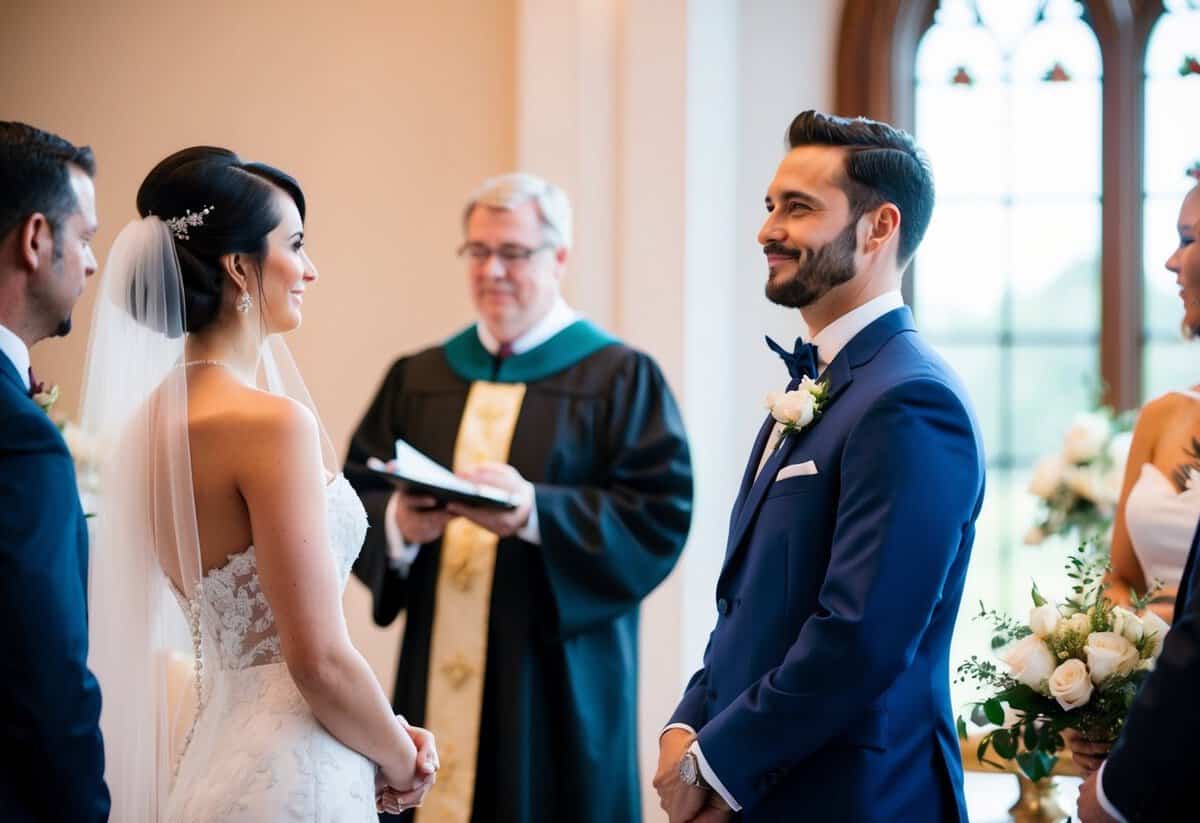
Historically, this arrangement also served practical purposes. With the groom’s right side free, he could easily defend his bride if needed, keeping his “fighting arm” ready. This detail highlights the importance of the groom’s role during the ceremony and their commitment to keeping the bride safe.
As you learn more about this tradition, you’ll discover how these customs enhance the beauty and meaning of your wedding day. Understanding why grooms stand on the right adds an enriching layer to the experience, making it even more special for you and your partner.
Historical Origins of Wedding Positions
The positions of the bride and groom during a wedding ceremony have deep historical roots. Understanding these origins helps you appreciate the traditions that many still follow today.
Marriage by Capture and Chivalry
In ancient times, the concept of marriage often involved the idea of “marriage by capture.” This practice meant that a groom had to seize his bride from her family. From these practices arose the need for protection. The groom, standing on your right, would keep his right arm free to draw his sword if necessary. This made it easier for him to defend his bride from any threats during the ceremony.
Middle Ages Customs
During the Middle Ages, wedding customs became more formalized. The groom standing on the right side symbolized his role as the protector of the bride. This was a time when knights upheld chivalry and honor. By standing on the right, he demonstrated his readiness to defend her. Traditionally, you might notice that grooms were often right-handed, making their right side the most accessible for protection. The location also allowed the bride to stand on the left, symbolizing her heart being closest to him.
Symbolism in Wedding Traditions
Weddings have long been rich in symbolism. The position of the groom on your right reinforces the idea of support and safety. In many cultures, this tradition continues to hold historical significance. It serves as a reminder of the promises made during the ceremony—the groom’s duty to protect his bride. Over generations, this practice has evolved, yet the meaning remains clear. By standing together this way, you not only honor tradition but also acknowledge mutual respect and commitment.
Cultural Variations in Wedding Ceremonies
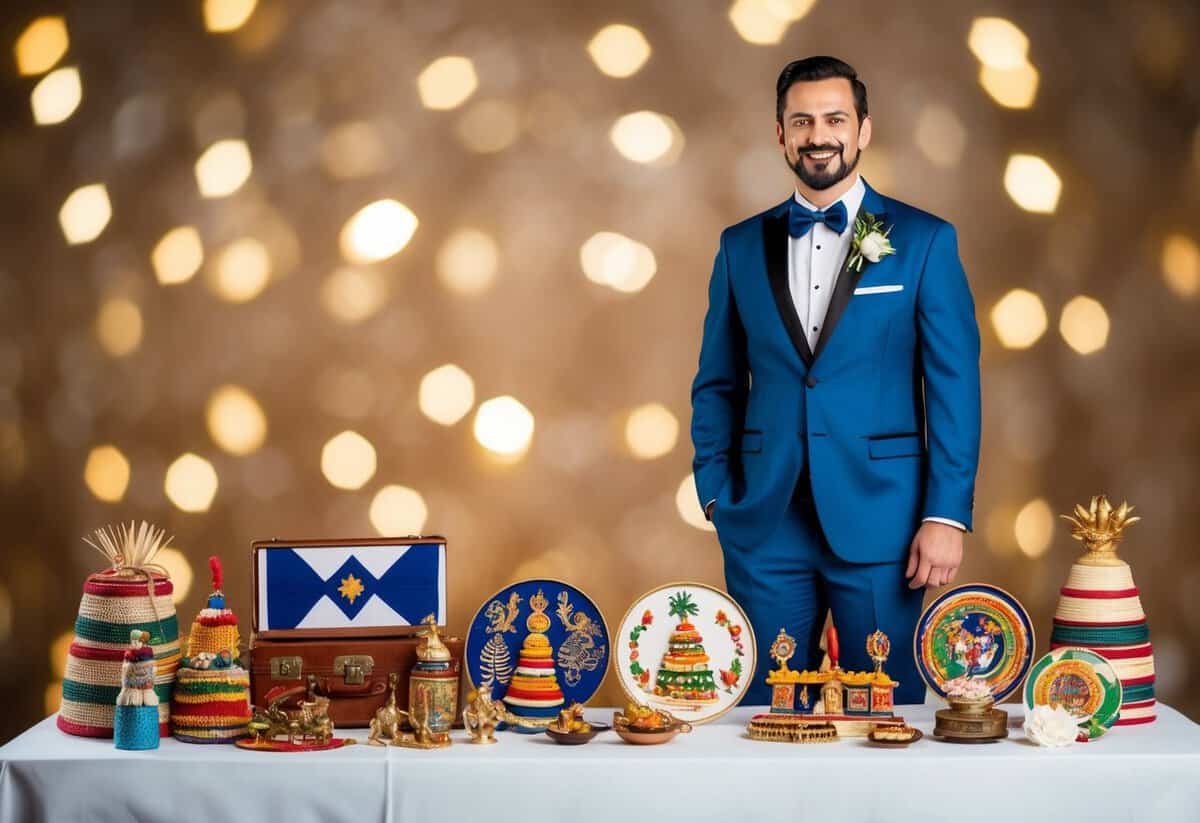
Wedding ceremonies vary widely across cultures, reflecting different traditions and beliefs. You’ll find unique practices in Christian and Jewish weddings, as well as adaptations for same-sex couples. Each aspect carries its own significance, offering insight into love and partnership.
Christian Wedding Traditions
In many Christian weddings, the groom typically stands on the right side of the altar. This tradition symbolizes his role as a protector. The bride stands on the left, allowing the groom to keep his right hand free. You may also notice groomsmen standing nearby, ready to support the groom during the ceremony.
Christian wedding customs often include readings from the Bible, vows exchanged between the couple, and the lighting of unity candles, signifying their union. Music plays an important role too, with hymns or love songs enhancing the ceremony’s atmosphere. This setting creates a meaningful experience that celebrates love and commitment.
Jewish Wedding Customs
Jewish weddings have rich traditions that make them distinct. In Orthodox Jewish weddings, the bride stands to the right of the groom, but this can vary based on family customs and regional practices. One key part of the ceremony is the chuppah, a canopy symbolizing the couple’s new home together.
Another important tradition is the Mangal Phera ceremony, where the couple circles around each other. This symbolizes their commitment and partnership. The groom’s role is often protective, aligning with the idea of standing on the right side. These customs create a deep connection to heritage while celebrating love.
Modern Adaptations for Same-Sex Couples
In modern weddings, especially for same-sex couples, traditional roles can shift. Some couples may choose to stand in any configuration that feels right to them, allowing flexibility in who stands where. Both partners might have their own groomsmen or bridesmaids, blending traditional roles in a way that reflects their identities.
You may notice ceremonies that incorporate elements from both partners’ backgrounds, making them uniquely personal. This adaptability shows how love transcends tradition, allowing couples to define what their wedding means to them. Inclusivity is key, ensuring every couple feels represented in their celebration.
Wedding Ceremony Layout and Roles
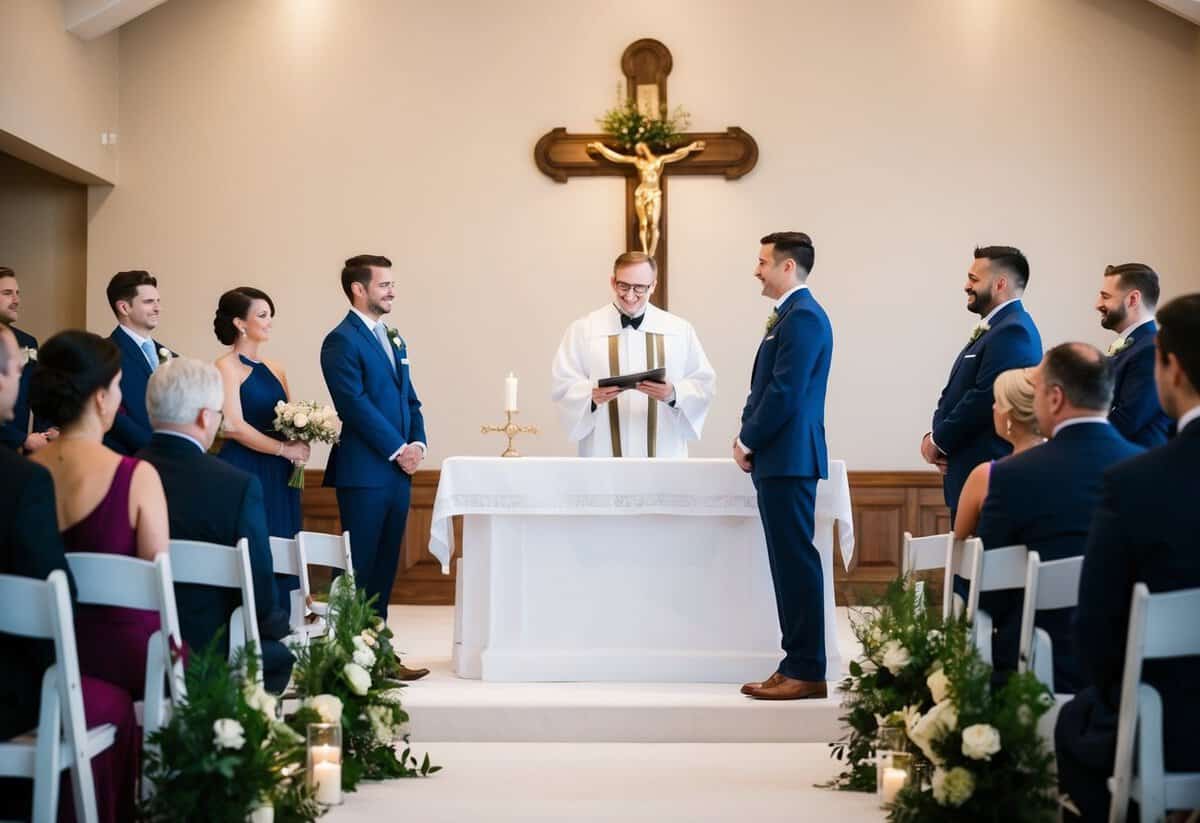
The layout of a wedding ceremony is essential for creating a comfortable and engaging atmosphere. Understanding where each participant stands and sits helps ensure everything flows smoothly.
Seating Arrangement and Bridal Party
Seating arrangements play a vital role in wedding setup. Generally, guests of the bride sit on the left side, while the groom’s guests are seated on the right. This arrangement signifies unity as each family supports their loved ones.
The bridal party typically stands near the altar. The bridesmaids are usually positioned to the bride’s left, while the groom’s party, including the best man, stands to the right. If there are younger members, like the flower girl and ring bearer, they may stand at the front.
Additionally, the sweetheart table is often set for the couple, while the head table accommodates the bridal party. These seating choices create a visually appealing ceremony and provide structure.
Symbolic Roles of Participants
Each participant in the wedding ceremony has a significant and symbolic role. The wedding officiant stands at the altar, guiding the couple through the ceremony. This role is crucial as they pronounce the couple married.
The best man supports the groom, often holding the wedding rings and giving a toast at the reception. The maid of honor shares the bride’s duties, including assisting her throughout the ceremony and holding her bouquet.
Bridesmaids and groomsmen add support and charm to the event. They walk down the aisle, showcasing the couple’s chosen style and themes. Understanding these roles enhances the significance of the ceremony for everyone involved.
The Significance of Positioning in Modern Weddings
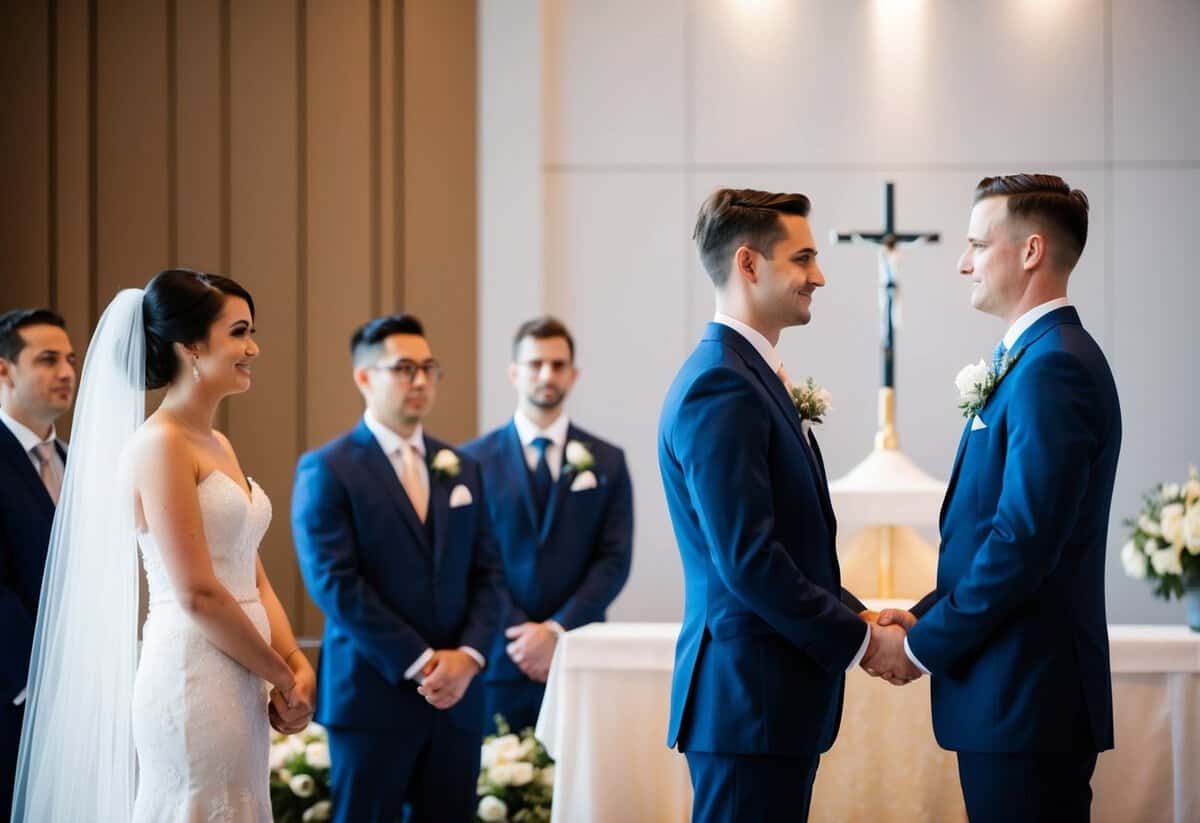
In modern weddings, the position of the groom can carry symbolic significance. Traditionally, he stands on the right to show his role as a protector. This gesture still resonates today, symbolizing unity and strength between partners.
Many couples choose to reinterpret this tradition. They might select placements that feel authentic to their relationship. This personalization reflects a modern interpretation of love and commitment.
A meaningful detail often included in wedding programs is the vena amoris, or “vein of love,” believed to connect the heart and ring finger. This connection links the act of exchanging wedding rings to a deeper bond of eternal love.
The symbolism of the heart plays a vital role in this positioning. The groom’s place on the right can represent his devotion and commitment to his bride, creating a beautiful moment during the ceremony.
Some couples see the groom standing to the right as a fighting arm. It symbolizes that he is ready to face challenges together with his partner.
In this way, every detail—from the wedding rings to the order of the wedding program—contributes to the couple’s story. Your wedding day is a special time to reflect your values and beliefs, making those traditions uniquely yours.