
Why Do I Need to Tell HMRC I’m Married? An Easy Guide to Updating Your Status
When you get married, it changes more than just your relationship status. You need to tell HMRC that you are married because it affects your tax code and can provide you with important tax benefits. Failing to update your details could mean you miss out on allowances that could save you money.
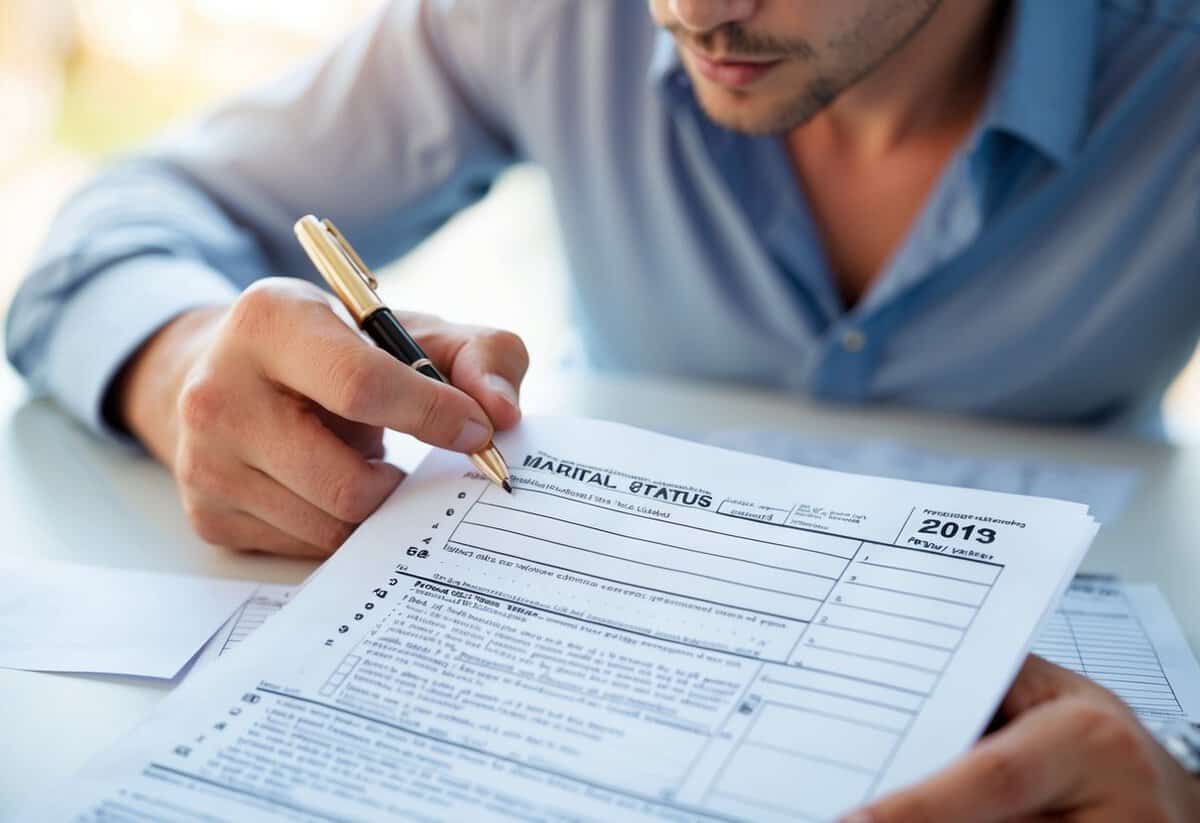
Keeping HMRC informed helps ensure that your tax calculations are correct. If you don’t notify them, you might continue being taxed as a single person. This could lead to higher taxes than necessary and may prevent you from benefiting from the Marriage Allowance, which is designed to help couples financially.
Additionally, changes in your personal circumstances—like separating or getting divorced—also need to be reported to HMRC. This ensures that your tax situation reflects your current status and that you receive any benefits you may be entitled to. Keeping HMRC updated is a crucial step in managing your finances wisely.
Understanding Your Relationship with HMRC
When you change your marital status, it’s important to notify HMRC. This ensures that your tax status reflects your current situation. Your relationship with HMRC is key to managing your finances and benefits, especially after getting married or forming a civil partnership.
The Role of HMRC
HMRC, or Her Majesty’s Revenue and Customs, handles tax collection and benefits in the UK. It plays an essential role in your financial life by managing your tax code and any allowances you may qualify for based on your marital status. When you inform HMRC about changes—like getting married or entering a civil partnership—you help the agency maintain accurate records.
Failing to notify HMRC can lead to issues, such as incorrect tax codes. This might result in paying too much tax or not receiving benefits you could be eligible for. Keeping HMRC updated is crucial for making sure everything aligns with your personal situation.
The Importance of Updating Your Marital Status
Updating your marital status with HMRC is necessary for several reasons. First, your marriage can affect your tax code and how much you pay in taxes. You may qualify for the marriage tax allowance, which allows one partner to transfer some of their personal allowance to the other. This can reduce your overall tax bill.
Additionally, if your relationship status changes, it may affect your eligibility for certain benefits and credits. By keeping HMRC informed, you also ensure that your records are accurate for anything related to your taxes or benefits.
In short, notifying HMRC about your marital status is a must for effective financial management. It helps protect you from unnecessary tax complications and ensures you can fully access any financial benefits related to your relationship.
Tax Benefits and Allowances for Married Couples
Being married opens up potential tax benefits and allowances that can reduce your tax bill. It’s important to know how these programs work and how they can impact your financial situation.
Marriage Allowance Explained
The Marriage Allowance lets you transfer a portion of your personal allowance to your spouse or civil partner. If your partner earns less than the personal allowance, this can lower your total tax bill.
You can transfer up to £1,260 of your allowance. This means you could save around £250 in taxes each year. To qualify, you both need to be born on or after April 6, 1935. You can apply for this allowance online through HMRC.
Understanding Married Couple’s Allowance
The Married Couple’s Allowance is another way to reduce your income tax. This allowance is available if you or your partner were born before April 6, 1935.
It can reduce your tax bill by up to £891.50. The exact amount depends on your income and the income of your partner. To qualify, you need to be married or in a civil partnership and living together. This allowance can provide significant savings, particularly for those with higher incomes.
Impact on Tax Codes
When you get married, your tax code may change. Your tax code reflects your personal allowance and how much tax you pay on your earnings. It’s essential to inform HMRC of your marital status to avoid overpaying tax.
If you qualify for Marriage Allowance, your tax code could change to reflect this. You may see codes like “M” or “N.” Code “M” indicates you receive a transfer from your spouse, while “N” shows you are transferring your allowance to your partner. Regular checks on your tax code ensure you’re not losing any potential benefits.
How and When to Notify HMRC

It’s important to quickly and correctly notify HMRC about your marriage or civil partnership. This ensures your tax records are updated and any benefits are correctly applied. Here’s how you can do that.
Communication with HMRC
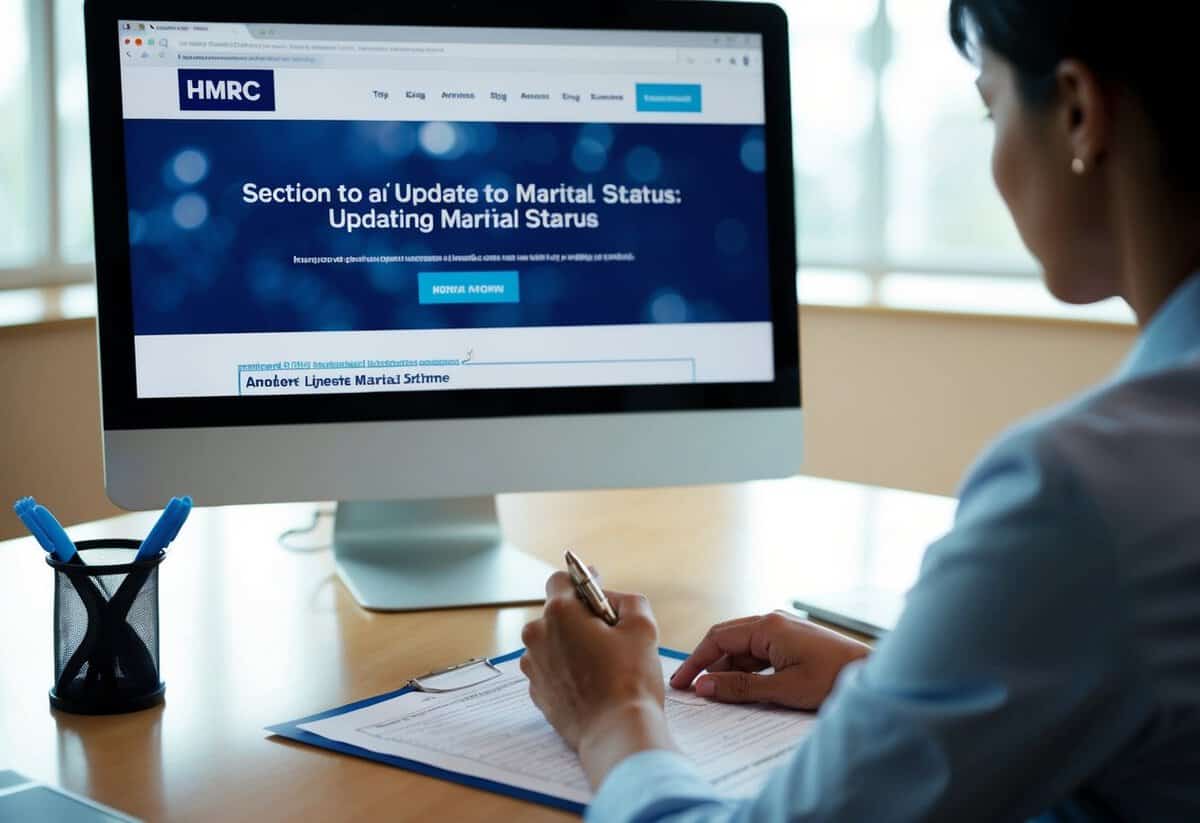
You can notify HMRC through various methods. One of the easiest ways is by using their online services. Log in to your account and update your relationship status.
You can also call HMRC directly. Be prepared to provide details like your National Insurance number and any changes in your personal situation. If you’re self-employed, ensure you update your self-assessment tax return as well.
Don’t forget to notify HMRC if you get divorced or enter a civil partnership. This affects your tax status and benefits you receive. For all methods, make sure to act as soon as your situation changes.
Required Documentation
When you notify HMRC, you may need to provide certain documents. A marriage certificate or any relevant legal paperwork is essential if you’re reporting a change such as getting married or divorced.
For changes like civil partnerships or if you stop living with a partner, similar documents may be required. Keeping these records handy can make the process smoother.
It’s also good practice to update your PAYE records. Your employer needs to know your marital status for correct tax calculations. Always keep copies of any correspondence you have with HMRC related to these changes. This will help if any questions come up later.
Changes Beyond Taxation
When you inform HMRC about your marriage, it can affect more than just your tax situation. Various government benefits and personal records must be updated to ensure everything is accurate and reflects your current status.
Effects on Other Government Entities
Your marital status can influence several government entities. For example, if you receive child benefit or tax credits, you need to notify HMRC, as your eligibility might change based on new income combinations.
Also, changes can affect council tax rates. If you live with your spouse, you may be eligible for discounts. Additionally, updating your status may impact your national insurance contributions and entitlements, particularly if you change from a single to a married status.
Other areas to consider include inheritance tax, where your marital status makes a difference in thresholds and allowances. Updating HMRC ensures you receive the correct benefits and avoid overpayments or penalties later.
Updating Personal Information
Keeping your personal information current across various platforms is crucial. This includes your driving license, passport, and bank accounts. You’ll want to ensure your married name is reflected where applicable. Notifying agencies like the DVLA and your bank can avoid problems in identification.
Your employer also needs to know about your marital status. This can affect benefits like health insurance.
If you are self-employed, remember that your taxable income could change, affecting your capital gains tax liabilities. Make sure to update HMRC with any changes in income levels or business structures related to your new situation.