
Why Do I Prefer a Traditional Wedding? Understanding the Charm and Significance
Choosing a traditional wedding may feel like the right path for you, especially when you think about the values it represents. A traditional wedding is a beautiful way to honor family traditions and embrace your cultural heritage, creating a meaningful experience for both you and your loved ones.
You get to celebrate the practices that have been passed down through generations while also crafting your unique story.
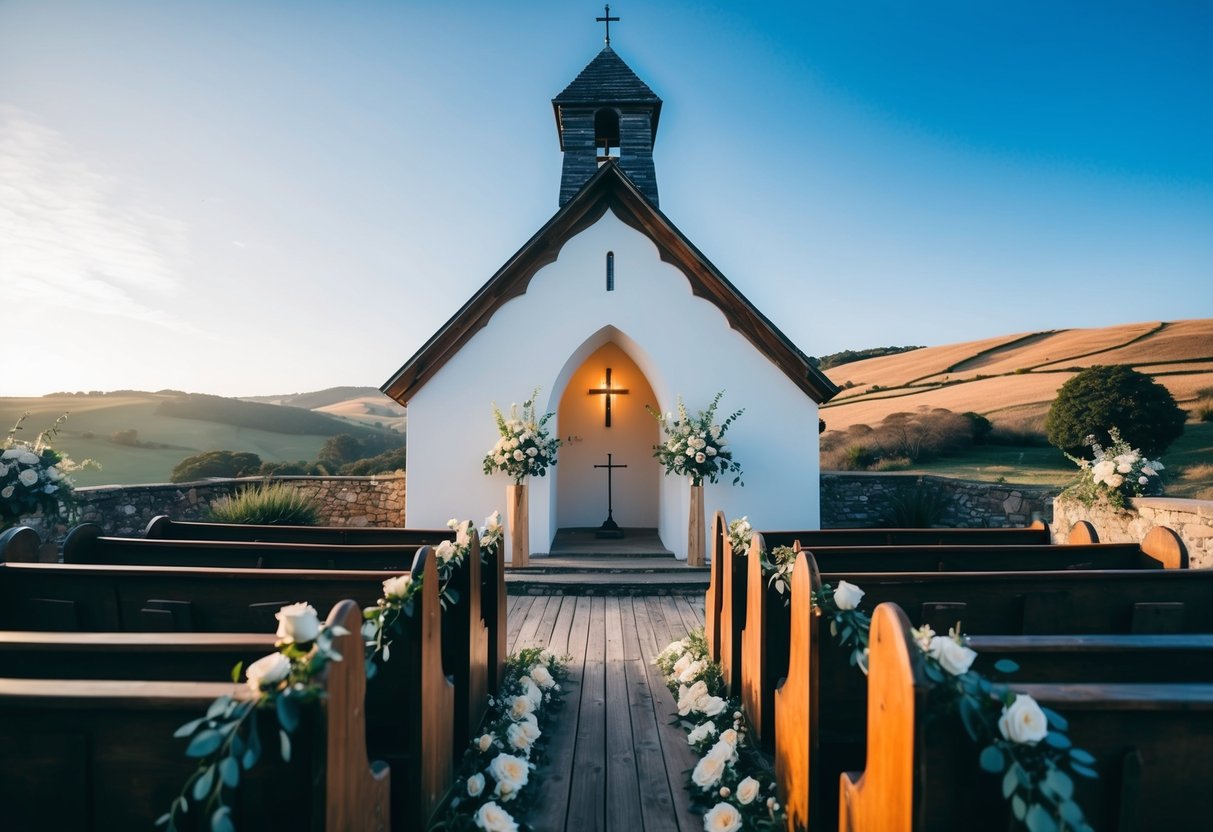
In a traditional setting, the rituals and customs add a layer of familiarity and comfort. You know what to expect, which can ease some of the stress that often comes with planning a big event. This predictability allows you to focus on what truly matters—sharing unforgettable moments with your family and friends.
A traditional wedding not only showcases your love but also connects you to your roots, reminding you of where you came from. By embracing these practices, you create a celebration that resonates deeply with your identity and values, making it a day you will cherish forever.
Honoring Cultural Heritage and Family Traditions
Choosing a traditional wedding allows you to connect deeply with your roots. It emphasizes the importance of cultural significance and family traditions that shape your identity and relationships.
Cultural Significance of Traditional Weddings
Traditional weddings are often more than just a ceremony; they are a celebration of cultural heritage. These weddings incorporate customs and rituals passed down through generations. You may find that specific rituals hold great meaning, reflecting the beliefs and values of your ancestors.
For instance, many cultures include symbolic acts such as the lighting of candles or sharing of bread. These acts help reinforce connections to your background. By participating in these traditions, you honor not only your heritage but also the community that surrounds you.
Traditional weddings can create a rich tapestry of shared experiences, allowing you to educate guests about your culture. This helps preserve valuable customs for future generations.
The Role of Family Traditions in Weddings
Family traditions play a vital role in making weddings special and meaningful. You might choose to include specific practices unique to your family, like a special dance or a beloved recipe. Engaging in these customs strengthens family bonds and creates lasting memories.
Participating in family traditions can also provide a sense of security. It connects you to your past while creating new shared experiences with your partner and loved ones. Many families cherish opportunities to honor their ancestry, making the day feel even more significant.
Moreover, these traditions can foster inclusivity, drawing together various family members and friends. This blending offers a unique way to celebrate your love and the heritage you both cherish.
Planning and Preparing for the Big Day
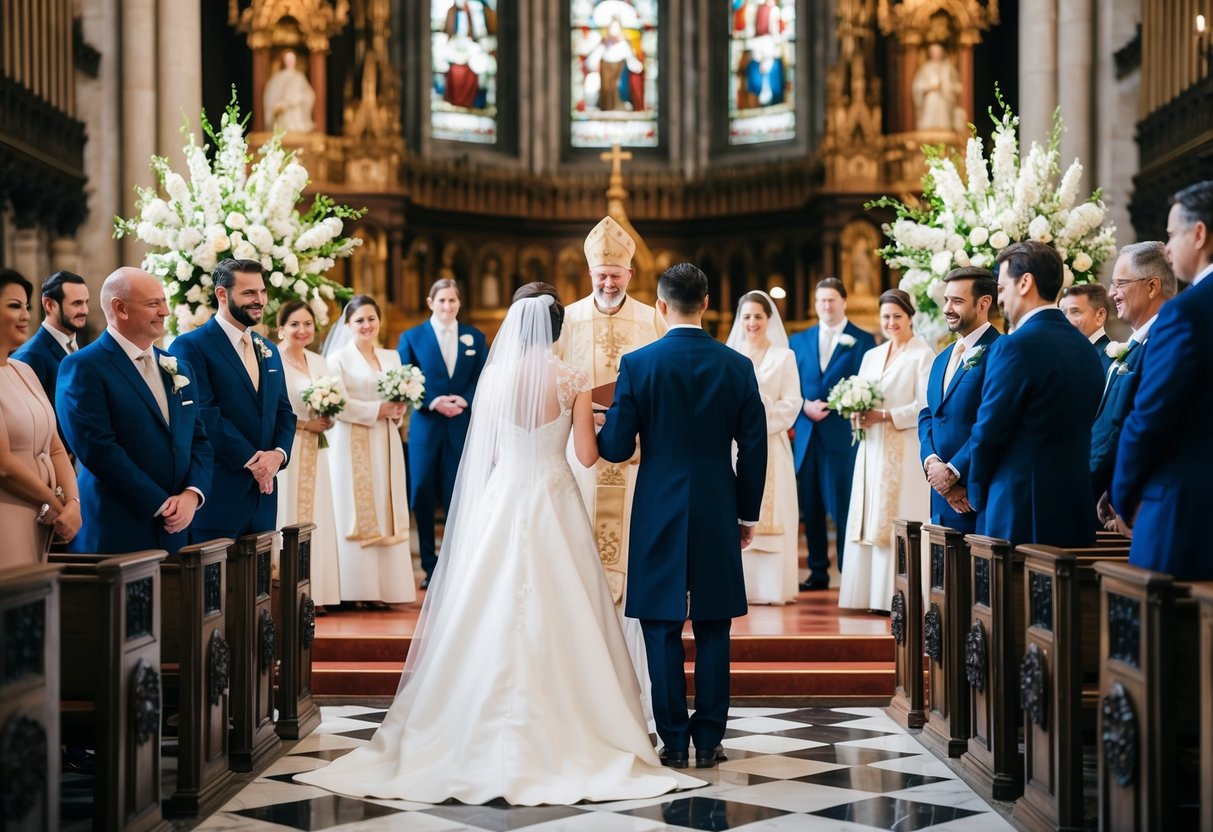
Planning a traditional wedding involves careful thought and organization. You’ll want to focus on essential elements that make the day special, including your wedding dress and formal attire for the wedding party.
Essentials of Wedding Planning
When planning your wedding, start by creating a detailed checklist. This ensures you don’t overlook any important details.
Key elements include setting a budget, choosing a venue, hiring vendors, and creating a guest list. Always keep your wedding theme in mind. It’s a big day, and every detail matters!
Choosing the Perfect Wedding Dress and Formal Attire
Selecting your wedding dress is one of the most exciting parts of your planning. Consider these tips:
- Style Selection: Decide if you prefer a classic, modern, or vintage look. This will guide your dress choice.
- Fit and Comfort: Ensure your dress fits well and is comfortable. You’ll be wearing it all day!
- Accessorizing: Don’t forget about the accessories. Veils, jewelry, and shoes can complement your dress beautifully.
For the groom, a well-fitted tuxedo or suit is essential. Choose a style that matches the formality of your wedding.
- Consider Fabric and Color: Opt for fabric that feels good and complements the dress color.
- Groomsmen Attire: Coordinate their outfits to match but allow room for personal style.
These details create a cohesive look while letting your personality shine through.
The Ceremonial Splendor of a Traditional Wedding
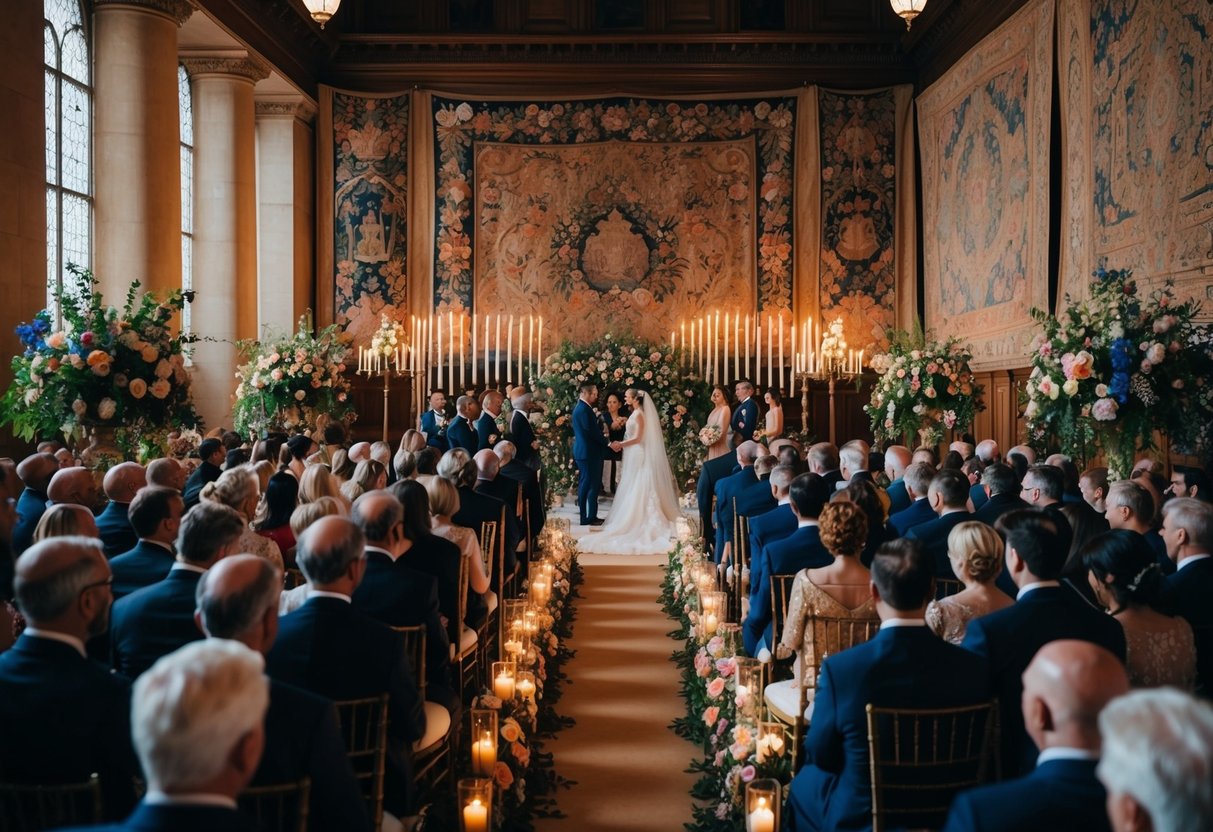
A traditional wedding is filled with important rituals and meaningful symbols. These elements create a beautiful backdrop for your special day and help tell your unique love story. Let’s explore two key aspects that highlight this splendor.
The Symbolism in Wedding Ceremony Rituals
Traditional wedding ceremonies are rich with symbols. Each ritual often represents deep emotional connections and shared values.
For example, the exchanging of rings symbolizes commitment and eternal love. The unity candle represents two individuals coming together as one.
These traditions can vary widely but usually include elements like vows, blessings, and cultural elements. These rituals not only honor time-honored customs but also create lasting memories for you and your guests.
A Love Story Fulfilled
Your wedding day is the perfect time to celebrate the unique story of your love. A traditional ceremony allows you to weave personal touches into established customs.
You can choose readings that have special meaning or music that reminds you of your journey together. Everyone loves to see how your relationship shines. You might showcase photographs or tell anecdotes during the reception.
Whether it’s the heartfelt look during your vows or the joyful laughter during the toast, these moments capture the essence of your love.
Traditional weddings bring a sense of continuity while allowing your unique love story to unfold.
Analyzing Marriage Perspectives
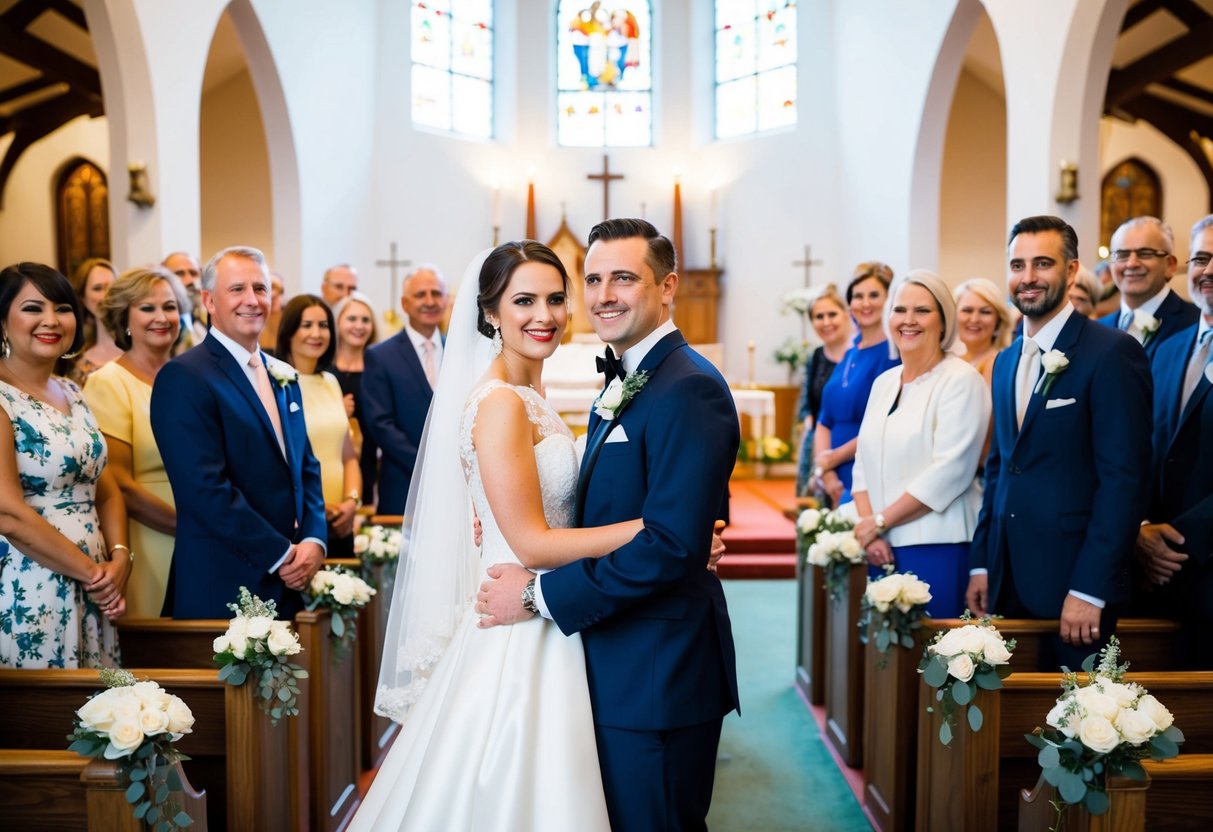
When thinking about marriage, it’s important to consider how traditional and modern views shape your preferences. The way you see marriage influences your choices and experiences, making it essential to explore these perspectives.
Comparing Traditional and Modern Views
Traditional marriage often emphasizes family values, cultural practices, and long-term commitment. In this view, partners often see marriage as a lifelong journey, supported by family traditions and societal expectations. For many, this connection to family creates a sense of security.
On the other hand, modern approaches to marriage focus on personal fulfillment, love, and individual happiness. You might find that friends or colleagues advocate for love marriages, where emotional connection takes priority. In contrast, arranged marriages highlight family involvement in selecting partners, blending tradition with personal choice.
While traditional marriage comes with benefits like a strong support system, modern views may offer more flexibility and personal choice. The key is to understand what aligns with your values and goals.
Discussing Advantages and Challenges of Marriage
Marriage can bring both advantages and challenges. One major benefit is companionship. Having a partner to share life with can enhance your daily experiences.
In traditional setups, the values of commitment and loyalty become foundational. Many believe these values contribute to successful marriages.
However, challenges like high divorce rates are often realities in today’s society. You might also notice that cohabitation before marriage is gaining popularity. This trend reflects a shift in thinking, as couples seek to understand their compatibility before committing.
Another challenge is balancing personal freedom with partnership. Love marriages allow for romantic choice, while traditional marriages can sometimes feel limiting. Regardless of the path you choose, it’s fundamental to consider both sides to make informed decisions about your marriage journey.