
Why Do I Want to Be a Wedding Planner? Discovering My Passion for Celebrating Love
Becoming a wedding planner can be an exciting and fulfilling path for those who love creativity and making dreams come true. You get the chance to help couples celebrate one of the most important days of their lives, turning their visions into reality. The joy of planning unique and personal weddings keeps your work fresh and engaging.
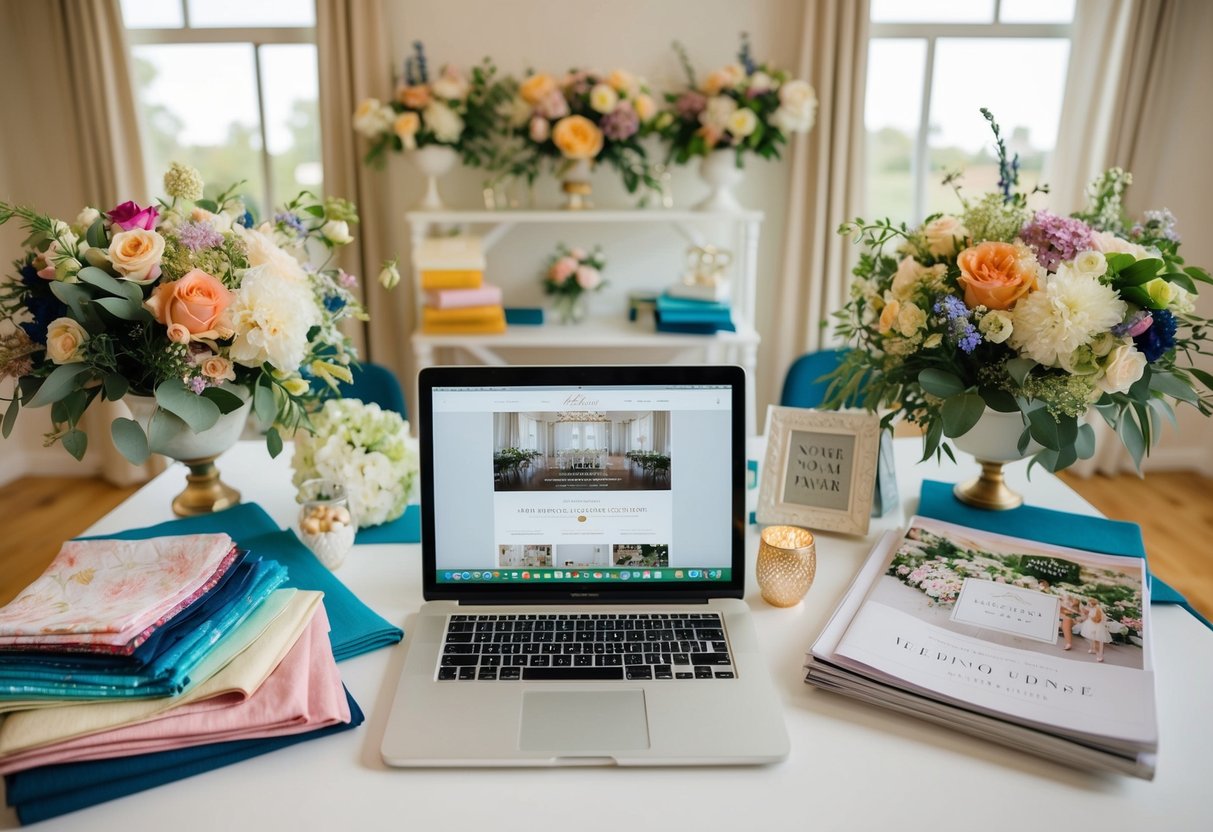
You’ll also enjoy the satisfaction of working with various vendors, brides, and grooms. Meeting new people and building connections is a big part of this job. Your ability to adapt and make each wedding special can lead to personal growth and a flexible work schedule that fits your lifestyle.
If you’re passionate about organizing events, have a knack for design, and want to contribute to memorable moments, wedding planning may be the perfect fit for you. The opportunity to create beautiful, custom experiences for couples is incredibly rewarding.
Exploring the World of Wedding Planning
Wedding planning is an exciting and fulfilling career. You get to use your creativity while helping couples celebrate their love. By understanding the role of a wedding planner, the wedding industry, and the necessary training, you can see why this career might be right for you.
Defining a Wedding Planner’s Role
A wedding planner does much more than simply organize events. Your job is to guide couples through every step of planning their big day. This includes managing budgets, selecting vendors, and coordinating logistics.
You’ll be the main point of contact, ensuring everything runs smoothly. Communication skills are key, as you’ll work with venues, florists, and caterers. It’s your responsibility to create a timeline and keep things on track. Flexibility is essential, as plans can change, and you must adapt.
Additionally, you’ll handle stress and unexpected issues. The role can be demanding, but it is rewarding to see a couple’s vision come to life.
Understanding the Wedding Industry
The wedding industry is diverse and constantly evolving. Trends change frequently, so staying updated is crucial for success. You should understand different styles, themes, and cultural traditions.
Networking is also important. Building relationships with vendors like photographers, bakers, and planners can enhance your services. These connections can lead to referrals, which are vital for growing your business.
Researching market trends helps you provide fresh ideas to clients. You might explore social media platforms for inspiration or attend bridal shows. Understanding your competition is vital, as it shapes your unique offering in the industry.
Certification and Training
Becoming a certified wedding planner can boost your credibility. There are various programs available, some that you can complete from home. With the right training, you will gain essential skills and industry knowledge.
Courses often cover budgeting, vendor negotiation, and event design. Some programs include hands-on experience, which is invaluable. You’ll also learn best practices for navigating challenges during events.
Becoming certified can set you apart in a competitive market. It shows clients you are committed to your craft. With training, you’ll feel more confident while planning weddings, enhancing your chance for success.
The Benefits of Becoming a Wedding Planner
Choosing to become a wedding planner can be a rewarding experience filled with unique opportunities. This role allows you to enjoy the joy of planning, a flexible schedule, and the chance to build important relationships.
Joy of Planning a Wedding
Planning a wedding is not just about logistics; it’s about creating unforgettable moments. You have the chance to help couples celebrate their love, which is incredibly fulfilling. Each wedding is unique, allowing you to bring your skills to the forefront.
You can design themes, choose decorations, and curate experiences that reflect the couple’s personality. Seeing the joy on their faces as they walk down the aisle provides immense satisfaction. You play a crucial role in one of the most important days of their lives.
Flexible Schedule and Creative Freedom
One significant benefit of being a wedding planner is the flexible schedule it offers. Unlike a typical 9-5 job, you often set your hours around client needs. This flexibility allows for a better work-life balance.
In addition to flexibility, your role includes creative freedom. You can explore different wedding designs, styles, and setups. Whether it’s a lavish celebration or an intimate gathering, your creativity shapes each event. This role allows you to experiment and try new ideas, which keeps your work exciting.
Building Relationships and Networking
As a wedding planner, you have the opportunity to build lasting relationships. You work closely with couples and their families, gaining their trust. These relationships can lead to referrals and repeat business.
Networking is also a key aspect of your career. You’ll connect with vendors, such as florists, caterers, and photographers. Each connection enhances your knowledge and can improve the quality of the services you offer. By collaborating with talented professionals, you can create more memorable weddings for your clients.
Critical Skills and Attributes
As a wedding planner, having the right skills and attributes is key to ensuring that every detail comes together perfectly. You must be keen on the little things, navigate the planning journey smoothly, and handle multiple tasks at once. Here is what you need to focus on.
Mastering Attention to Detail
Attention to detail is crucial in wedding planning. You’ll need to keep track of many different elements, from the colors of the flowers to the timing of the ceremonies. This means reviewing contracts for accuracy and monitoring deadlines closely.
It helps to create detailed checklists. These can guide you through the planning stages. Regularly updating and checking off items keeps everything organized. You’ll also want to build strong relationships with vendors to ensure they understand your vision.
A small mistake can lead to bigger issues. By being thorough, you can avoid mishaps and make sure the wedding day runs smoothly.
Handling the Planning Process
Managing the planning process effectively is essential. You will need to create a timeline covering all events leading up to the wedding day. This includes meetings, appointments, and tasks that need completing.
Communication plays a big role here. Keeping in touch with couples and vendors helps everyone stay on the same page. Sending reminders or updates can ease any concerns they might have.
It is also important to be flexible. Plans may change, and you must adapt to new situations. This approach ensures that your clients feel supported and confident in your abilities throughout the entire planning phase.
Multitasking in Event Planning
Wedding planning often requires juggling multiple tasks simultaneously. You might be coordinating with vendors while also managing your clients’ expectations. Developing multitasking skills is vital for success.
To handle this, you can use project management tools. These tools can help keep everything organized. Setting priorities is also important. Focus on urgent tasks that need immediate attention, while keeping future tasks in view.
Taking breaks helps to reset your mind, allowing you to return to work refreshed. It’s all about finding balance. When you manage multiple responsibilities effectively, you create a positive experience for both yourself and your clients.
Opportunities and Niches in Wedding Planning
As a wedding planner, you have many exciting paths you can take. Exploring different niches allows you to connect with couples in unique ways and cater to their specific needs. Two popular areas include destination weddings and elopements, as well as customizing wedding experiences.
Destination Weddings and Elopements
Planning destination weddings can be one of the most rewarding niches. Many couples dream of saying “I do” in beautiful locations like the beach, mountains, or charming cities.
You will need to work with local vendors and understand legal requirements in different areas. This adds to the adventure!
Elopements, on the other hand, are perfect for couples who want an intimate, stress-free ceremony. Often, they have a smaller budget but still desire a memorable experience. These weddings can happen anywhere, from a city hall to a stunning landscape.
Both options allow you to showcase your creativity and planning skills while providing personalized services.
Customizing Wedding Experiences
Customizing weddings opens up many opportunities. Couples often want their big day to reflect their personalities and love stories.
You can help them achieve this by offering unique ideas. From theme planning to special rituals, this can include everything from color schemes to personalized vows.
Focusing on the wedding budget is crucial here. Many couples want to balance creating their dream wedding without overspending. Providing options that fit their budget allows you to build trust and a lasting relationship.
Offering customizable experiences can help couples feel more connected to their celebration.