
Why Do Men Not Like Wedding Rings? Exploring Reasons Behind Their Hesitance
Many married men choose not to wear wedding rings for various reasons. Some men feel uncomfortable wearing jewelry or find that it interferes with their daily activities. This is especially true if their work requires the use of their hands. Additionally, cultural norms and personal preferences play a significant role in this choice.

You might be surprised to learn that the tradition of men wearing wedding rings is relatively recent, gaining popularity in the mid-20th century. Before this, it was mainly women who donned this symbol of commitment. This shift shows how attitudes toward marriage and symbols of love have evolved over time.
Understanding the reasons behind this decision can help you navigate conversations about expectations and traditions in your own relationships. Whether it’s about personal style or practical concerns, recognizing the diverse views on wedding rings can offer valuable insight.
Historical and Cultural Perspectives on Wedding Rings
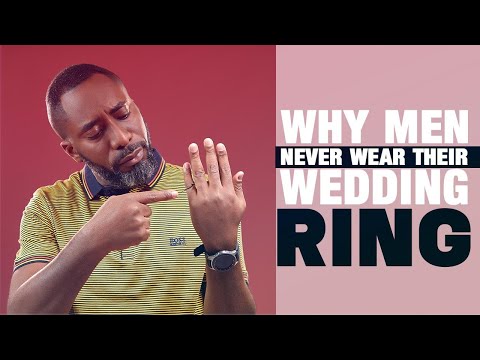
Wedding rings have deep historical roots and play diverse roles across various cultures. Understanding their origins and traditions can shed light on why some men may not feel the need to wear them today.
The Origin of Wedding Rings
The practice of using wedding rings dates back to ancient times. The earliest evidence comes from ancient Egypt, where rings made of reed symbolized a bond between partners. The circle of the ring signified eternity, with no beginning or end.
In ancient Rome, rings were often used in marriage ceremonies to symbolize fidelity. The use of gold became more popular later, introducing a standard of wealth and status.
In many cultures, the type and material of the ring can hold significant meaning. For example, some societies used simple bands, while others opted for more ornate designs. These differences can influence modern perceptions and preferences regarding wedding rings.
Cultural Variations in Marriage Symbols
Different cultures have their unique marriage symbols, not always relying on rings. In some regions, such as parts of India, couples wear toe rings as a sign of marital status. These rings are often made from silver and hold cultural significance.
In other areas, like certain Native American tribes, specific handmade bracelets symbolize commitment instead of rings. The choice of symbol often reflects local customs and values surrounding marriage.
Understanding these cultural perspectives helps explain why wedding rings are not universally embraced. Some men may feel more connected to their cultural traditions that don’t involve a wedding ring at all, preferring alternative symbols of commitment.
Psychological and Social Reasons Men May Eschew Wedding Rings

Some men may choose not to wear wedding rings due to personal beliefs and societal influences. These factors can impact their relationship with commitment, love, and how they wish to express their marital status.
Personal Beliefs About Marriage
Men often hold unique beliefs about marriage that can affect their decision about wearing a wedding ring. For some, the ring symbolizes a traditional view of commitment that they may not fully embrace.
They might feel that love and connection don’t require outward symbols. Instead, their dedication to their partner is shown through daily actions, not jewelry.
Additionally, some men may see rings as a form of societal pressure. They believe that a wedding ring does not define their relationship’s strength or their commitment in a marriage.
Social Significance of Displaying Marital Status
Wearing a wedding ring typically displays marital status. However, not all men view this as essential. In some cultures, there is less emphasis on visible symbols of commitment.
This can lead to a more relaxed attitude towards wearing a ring. Men may feel that their relationship should be valued for the love they share rather than public displays.
Furthermore, some men might not want to be defined solely by their relationship status. They may prefer to let their actions speak for themselves, rather than relying on jewelry.
Perceived Connotations of Not Wearing Wedding Rings
When a man chooses not to wear a wedding ring, it can create various perceptions. Some people may view it as a sign of commitment issues or even infidelity.
Yet, for many men, this is far from the truth. They simply may not feel comfortable wearing jewelry or might dislike the look of traditional rings.
Others might see a ring as an unnecessary symbol that doesn’t resonate with their personal values. They want to avoid the assumptions that come along with wearing or not wearing one.
In truth, the reasons can be deeply personal and varied, reflecting each individual’s beliefs about love and commitment.
Practical Considerations and Lifestyle Choices

Many married men choose not to wear wedding rings due to practical limitations in their work and lifestyle. These factors often influence their comfort and day-to-day activities. Let’s take a closer look at how these considerations play a role.
Work-Related Limitations
In some professions, wearing a ring can pose safety issues. For instance, if you work in construction, manufacturing, or certain medical fields, a ring might catch on equipment or get damaged. This risk can lead to injury or loss.
Moreover, some workplaces enforce strict policies against jewelry. In these situations, men may feel pressured to follow these guidelines. They might also prefer to avoid unwanted attention or questions about their marital status.
Comfort and Lifestyle Compatibility
Your lifestyle might not align with wearing jewelry. Many men find rings uncomfortable. This is especially true during activities like exercising or engaging in manual labor. A ring can feel restrictive or distracting, especially if it’s not the right size.
Personal preferences also play a role. Some men might not like the feeling of having something on their fingers. If you lead an active life, removing a ring during activities can feel more practical.
In the end, personal comfort and lifestyle often take priority over tradition.