
Why Do My Feet Hurt After Wearing Flat Shoes? Common Causes and Solutions
Many people enjoy the simplicity and style of flat shoes, but you might be asking, “Why do my feet hurt after wearing them?” The main reason for this discomfort is often a lack of arch support. When your shoes do not provide the right support for your feet, it can cause pain in your arches, heels, and even your knees.
Flat shoes can promote issues like excessive pronation, which affects your walking and can lead to further joint pain. While they may seem comfortable initially, the lack of cushioning and support can create problems over time.
It’s essential to listen to your body and make choices that keep your feet happy and healthy.
If you frequently wear flat shoes, it might be time to consider options that offer better support for your arches. By choosing shoes designed with comfort in mind, you can avoid those pesky aches and keep your feet in good shape.
Understanding Foot Pain and Flat Shoes
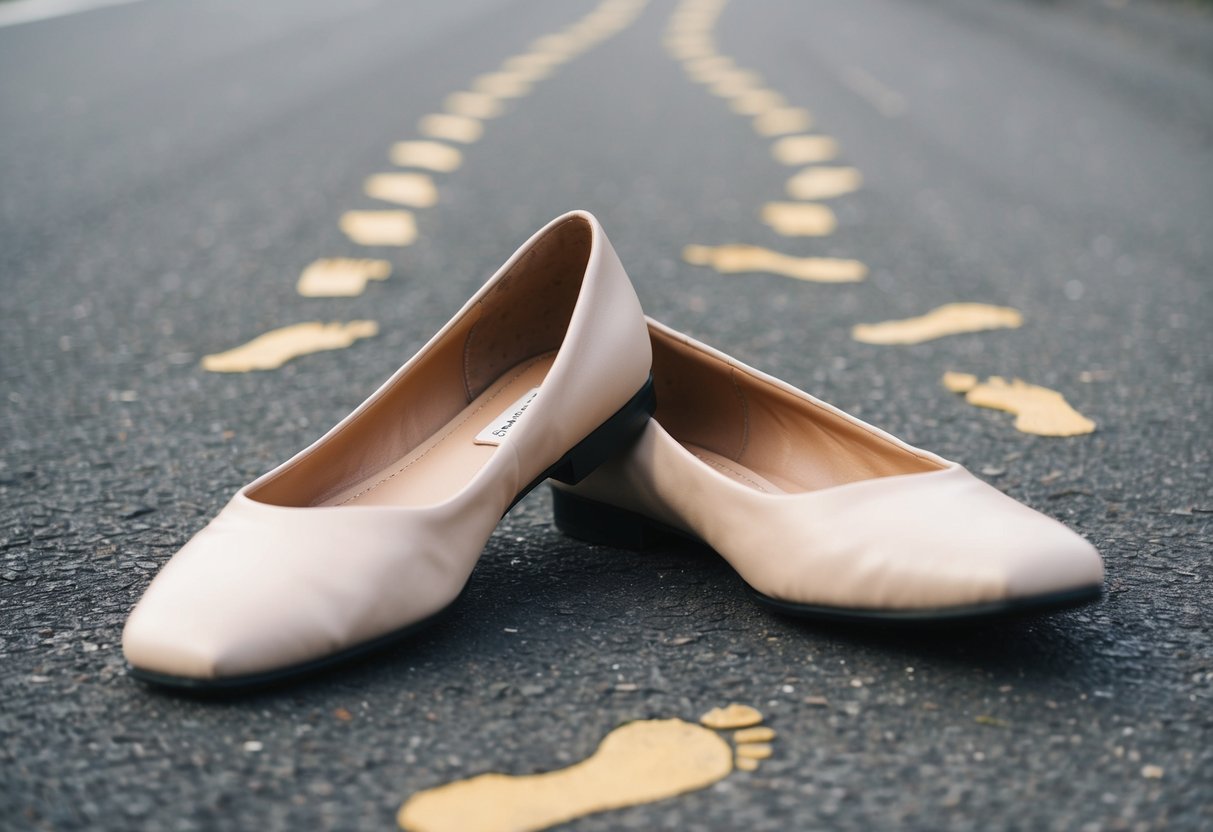
Your choice of footwear plays a significant role in foot health. Flat shoes might seem comfortable, but they can lead to various foot problems if they lack proper support. Understanding how your feet work and how flat shoes affect them can help you make better choices for comfort.
Anatomy of the Foot
The foot is made up of 26 bones, including the metatarsals and the heel bone. Your foot has three main arches: the medial, lateral, and transverse arches. These arches help absorb shock and support your body weight.
Flat shoes often lack proper arch support. This can make it challenging for your foot to maintain its natural form. Without proper alignment, you might experience pain in different areas. Flat footwear can especially impact your arch, leading to issues like plantar fasciitis. This condition occurs when the tissue on the bottom of your foot becomes inflamed.
How Flat Shoes Can Cause Discomfort
Wearing flat shoes can cause discomfort due to their minimal padding and support. Flat footwear usually does not provide enough cushioning for your metatarsal bones. This can lead to soreness in the ball of your foot.
Without support, the Achilles tendon may also become strained, causing heel pain. If you have flat feet, wearing shoes with no arch support can increase your risk of pain. Flat shoes leave little room for your foot to move correctly, which can lead to misalignment and increased pressure on various parts of your foot.
Choosing shoes with good arch support can prevent common issues caused by flat footwear. This can make a big difference in your overall comfort and foot health.
Common Foot Ailments from Unsuitable Footwear

Wearing unsuitable footwear, like flat shoes, can lead to various foot problems. It’s essential to understand these issues to prevent discomfort and maintain your foot health. Here are some common ailments that often arise from ill-fitting shoes.
Bunions and Hammertoes
Bunions develop when the big toe shifts towards the other toes, forming a bump on the side of your foot. This often happens due to wearing narrow shoes that squeeze your toes together. Hammertoes occur when your toes bend at the middle joint, causing pain and difficulty in finding comfortable footwear.
Both of these conditions can lead to swelling and soreness. If you notice discomfort or changes in your toe positioning, consider switching to shoes with a wider toe box and better support. Regularly stretching your feet can also help alleviate some of the pain associated with these issues.
Calluses, Blisters, and Ingrown Toenails
Calluses are thickened areas of skin that form on your feet because of pressure and friction. When you wear flat shoes with little support, you might notice calluses developing on your heels or toes.
Blisters are another common issue, appearing as painful bubbles on the skin. They typically form from friction, often due to shoes that do not fit properly. You may also encounter ingrown toenails, where the nail grows into the surrounding skin, causing pain and irritation. Choosing well-fitted shoes and moisture-wicking socks can help prevent these painful conditions.
Strains and Stress Fractures
Ill-fitting shoes can cause muscle strains and stress fractures in your feet. Stress fractures are small cracks in the bone, often caused by repetitive impact from walking or running in inadequate footwear. You might feel localized pain in the foot or ankle, especially after activity.
In addition to fractures, wearing flat shoes can lead to knee pain due to improper alignment of your feet. This misalignment can cause your knees to bear extra weight, leading to discomfort. Always choose supportive footwear that cushions your feet and provides stability to reduce the risk of these injuries.
Footwear Choices and Alternatives

Choosing the right footwear can make a big difference in how your feet feel. You have options that prioritize comfort and support while still being stylish. This section looks at when to select supportive shoes over trendy designs, the benefits of sneakers and running shoes, and the importance of proper fit and cushioning.
When to Choose Support Over Style
It’s easy to be tempted by stylish footwear, like high heels or trendy flats. However, if you experience foot pain, it might be time to focus on support. Shoes that lack proper arch support or cushioning can lead to discomfort.
Consider wearing supportive sandals or sneakers when you know you will be on your feet for long periods. These types of shoes typically provide better support for your arches and cushion your heels. In contrast, high heels and flip-flops can increase pressure on your feet and lead to pain over time.
Sneakers and Running Shoes as Alternatives
Sneakers and running shoes are designed with comfort and support in mind. They often include features like padded insoles and arch support, which help reduce stress on your feet. These shoes are great alternatives for everyday wear.
When choosing sneakers, look for those with good cushioning. Some running shoes even offer specific support for overpronation or flat feet. You can use these features to your advantage to avoid pain after a long day on your feet.
The Importance of Proper Fit and Cushioning
Finding the right fit is crucial for your foot health. Shoes that are too tight or too loose can cause blisters and discomfort. Aim to have about a thumb’s width of space between your longest toe and the end of the shoe.
Don’t overlook cushioning, either. Shoes with good cushioning help absorb shock, reducing the impact on your feet with each step you take. Many brands offer options with removable insoles, allowing you to add custom support if needed. Investing in well-fitted, cushioned shoes can help keep your feet happy and pain-free.
Preventive Measures and Remedies

If you are experiencing foot pain after wearing flat shoes, taking preventive measures can help. Exploring options like custom insoles, specific exercises, and getting professional advice can significantly improve your comfort and foot health.
Custom Insoles and Arch Support
Using custom insoles can make a big difference. These insoles are specially designed to fit your foot’s shape. They provide better arch support, which is crucial if you have fallen arches. Proper support helps distribute your body weight evenly, reducing pressure on your feet.
Additionally, look for supportive shoes that have built-in arch support. If you often wear flat shoes, switching to those with better cushioning and shock absorption may be beneficial. Custom insoles can also help correct foot alignment, which can ease pain in the long term.
Exercises and Stretching
Incorporating specific exercises and stretching into your routine can help alleviate pain. Focus on stretches that target your calves and Achilles tendonitis. Simple stretches like the calf wall stretch can improve flexibility and reduce tension.
You can also strengthen your feet by doing toe raises and ankle circles. These exercises promote better foot mechanics and can counteract some of the discomfort caused by flat shoes. Aim to do these exercises regularly, and you may notice a significant improvement in how your feet feel.
Consulting a Podiatrist
If you have persistent foot pain, you should consult a podiatrist. They can assess your feet and recommend tailored solutions. This may include custom orthotics or changes in your footwear.
A podiatrist can also give you insights into your specific foot structure and guide you on the best ways to support it. Taking prompt action can help prevent future issues and keep your feet healthy and pain-free.