
Why Do Non-Virgin Brides Wear White? Understanding the Traditions and Meanings Behind the Choice
Many people wonder why non-virgin brides choose to wear white on their wedding day. The tradition of wearing white is not solely about purity or innocence; it represents a celebration of love and commitment, regardless of a bride’s past. This makes it a choice that transcends the idea of virginity.
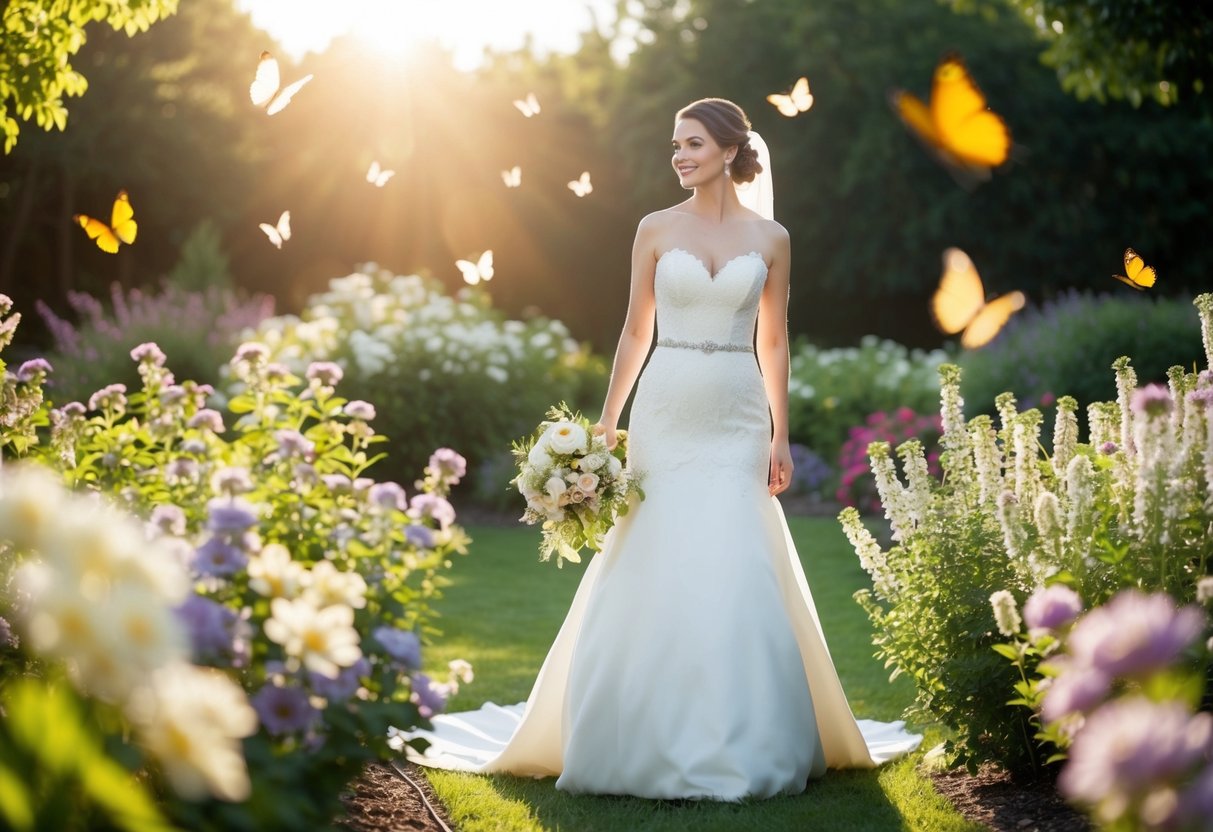
In modern times, the color white has become a symbol of joy and new beginnings. Brides, irrespective of their history, wear white to express their personal style and to honor their love story. This shift in perspective has allowed many to embrace white as a reflection of their commitment to their partner.
As you explore the reasons behind this tradition, you’ll discover a rich history that focuses on love, individuality, and the desire to create lasting memories. Understanding this can help you appreciate the diverse meanings behind the wedding dress choices that today’s brides make.
Historical Origins of White Bridal Gowns
The choice of wearing white for weddings has a rich history rooted in tradition and societal changes. Understanding how this trend began will give you insight into its significance today.
The Impact of Queen Victoria’s Wedding
Queen Victoria played a key role in popularizing the white wedding dress. When she married Prince Albert in 1840, she wore a stunning white gown made of silk satin. This was a bold choice, as brides at the time usually wore dresses in various colors, including red.
Her decision to wear white was featured in magazines like Godey’s Lady’s Book, which helped spread the trend. Many women admired Victoria and wanted a similar look for their own weddings. Thus, the white wedding dress became a symbol of romance, purity, and new beginnings.
Evolution of Wedding Dress Colors
Before Queen Victoria’s wedding, brides often selected dresses in colors that were meaningful to them. Red was a popular color because it symbolized joy and love. Other hues like blue and green were also common as brides chose their best dresses, regardless of color.
After Victoria’s choice, the white wedding dress quickly became the new standard in Western societies. This shift transformed the way brides were perceived. The white dress started to symbolize a new identity and tradition that many brides still embrace today.
As a result, wearing white was not just about fashion. It conveyed deeper meanings of purity and innocence, shaping the customs surrounding weddings for generations.
Symbolism and Meaning Behind the White Wedding Dress
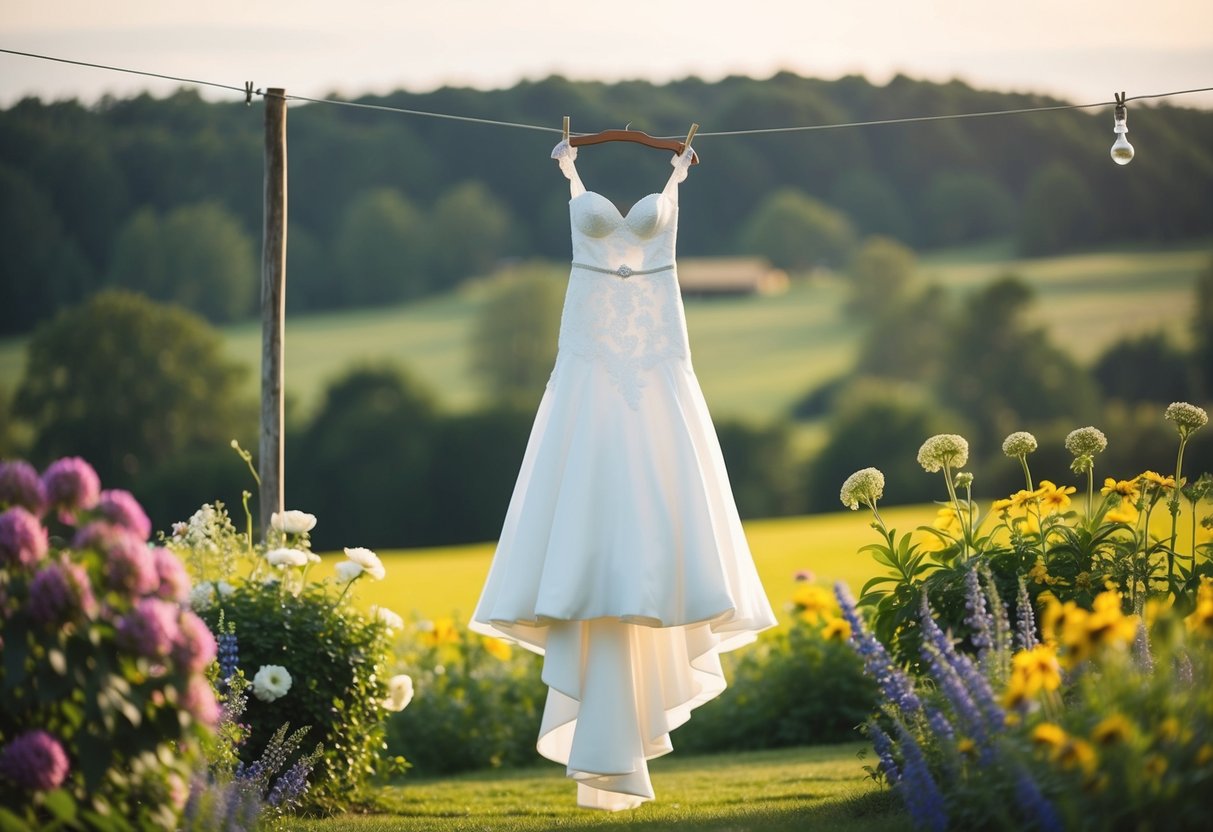
The white wedding dress carries a rich history and deep meaning. Many people associate it with purity and innocence, but its significance has evolved over time. Today, brides wear white for various personal reasons that may reflect their beliefs and values.
Association With Purity and Innocence
Traditionally, the color white symbolizes purity and innocence. This idea became widely popular in the 19th century when Queen Victoria wore a white gown for her wedding to Prince Albert in 1840. Her choice set a standard, influencing many brides to follow suit.
For centuries, brides donned white to represent their virtue and a fresh start in marriage. The dress became a symbol of a lady’s moral character. Even today, many brides choose white to honor this long-standing tradition, no matter their personal history.
Modern Interpretations of Bridal White
In modern times, the symbolism of the white wedding dress has expanded. It is no longer strictly tied to virginity or innocence. Today’s brides express their individuality through their choice of attire.
Many choose white because they love the color, or it simply feels right for their wedding. The meaning has shifted to represent joy and new beginnings. Some brides opt for colorful dresses or unique styles, reinterpreting the concept of a wedding dress while still celebrating their special day.
The flexibility in dress choice allows every bride to find what best suits her personality, making her wedding truly her own.
Cultural and Personal Reasons for Color Choices
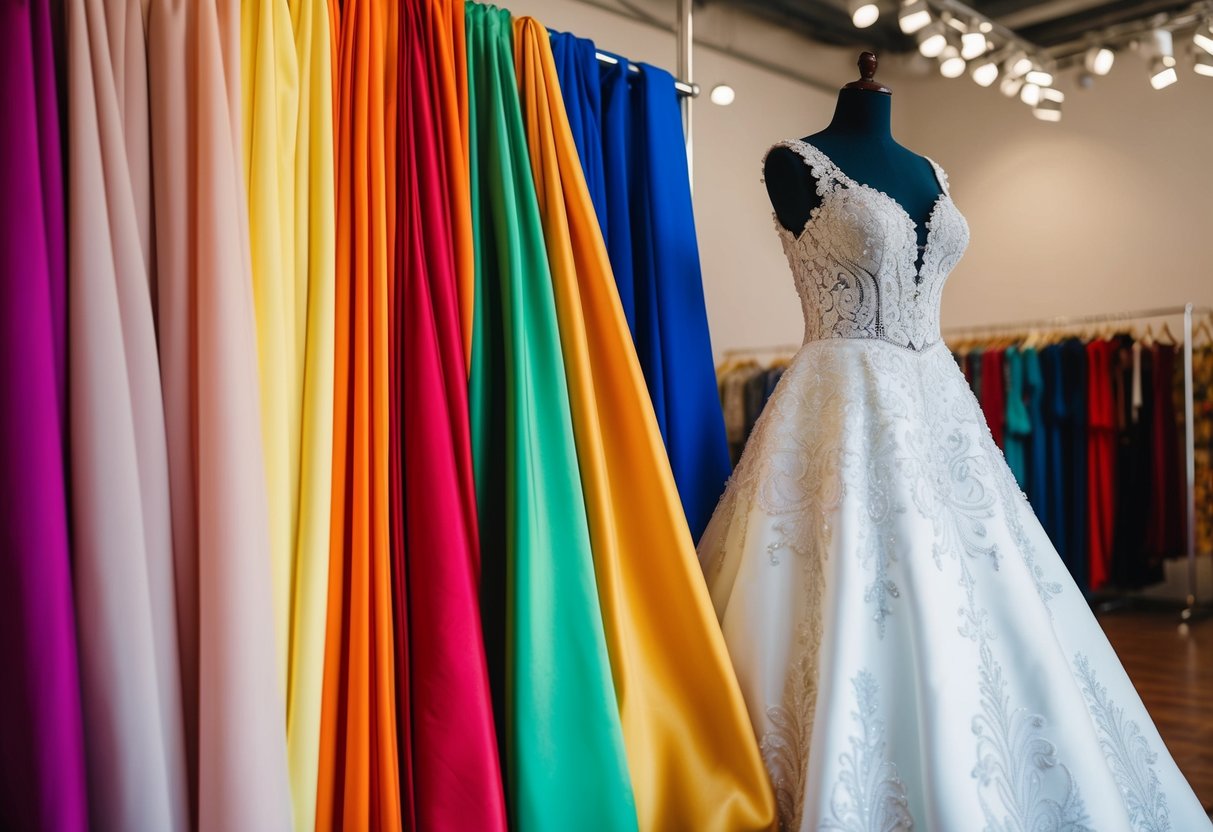
When choosing a wedding dress, cultural meaning and personal taste play important roles. Colors can reflect traditions and values, while personal style can influence your choice greatly.
Different Cultural Significance of Colors
Different cultures view colors in unique ways, particularly in weddings. For you, the choice of a wedding dress color might reflect your heritage. In Western cultures, white symbolizes purity and is traditionally worn by brides.
However, many brides opt for colors like red in other cultures. In China, red is a symbol of good fortune and happiness, so a red wedding dress is popular in celebrations. Each color has its significance, making your choice personal and impactful.
Personal Preferences and Trends in Bridal Fashion
Your wedding dress color should also resonate with your individual style. While many brides continue to choose the classic white wedding dress, trends are shifting.
Many non-virgin brides prefer unique colors, such as blush, champagne, or even bolder shades. Choosing a dress that makes you feel beautiful is what matters most. If you love the idea of a red wedding dress, you might embrace that vibrant expression of love and joy for your big day. The right color can reflect your personality and set the tone for the entire event.
Ornamentation and Embellishments on Wedding Gowns
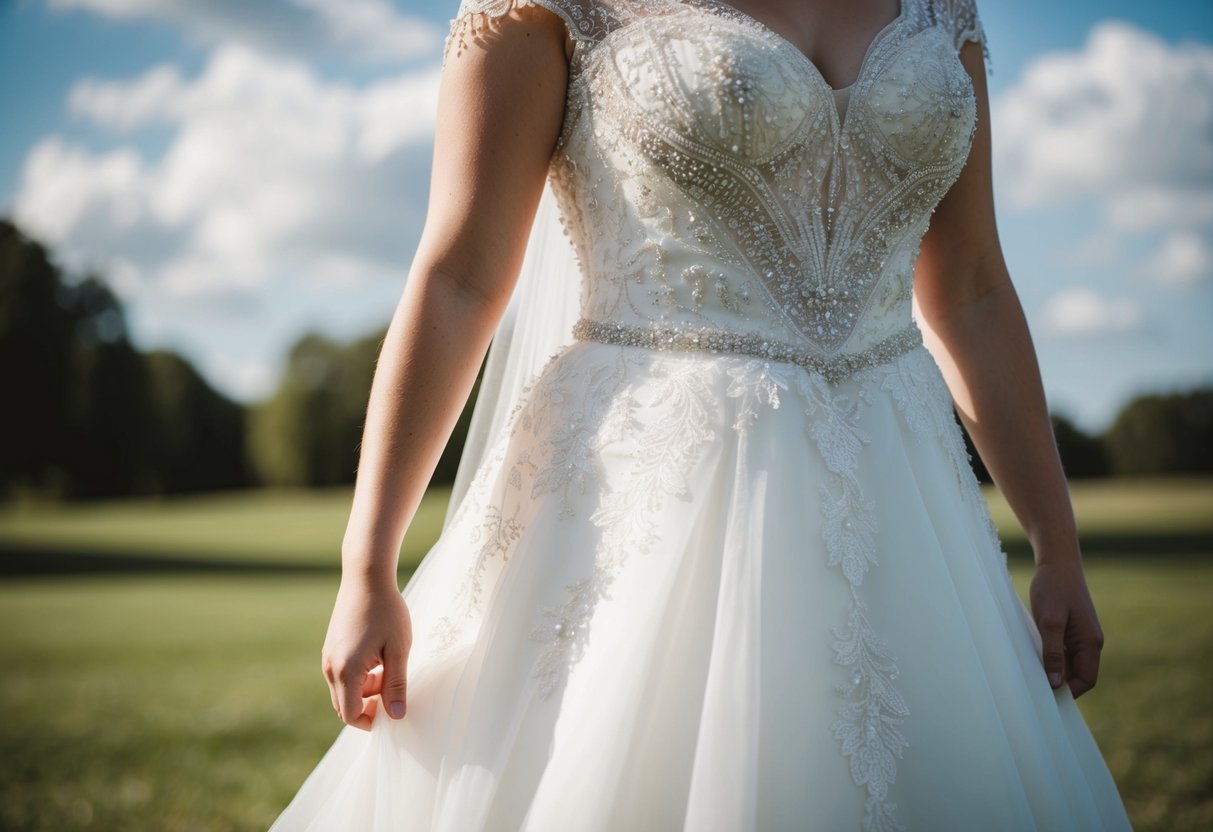
When it comes to wedding gowns, ornamentation plays a vital role in creating a unique and memorable look. Various embellishments, such as flowers, lace, and beading, add beauty and significance to your dress. One particular element that stands out is the use of orange blossoms.
Significance of Orange Blossoms
Orange blossoms are a traditional symbol of purity and fertility in wedding ceremonies. You may see these delicate flowers featured in bouquets, hairpieces, or even as intricate designs on your gown.
Historically, bridal adornments used wax orange blossoms. This choice connects to the sentimentality of weddings, as these flowers represent new beginnings.
Integrating orange blossoms into your wedding attire can be a way to honor wedding traditions. They also add a lovely touch of fragrance and beauty to your special day.
Consider adding these blooms to your gown for a classic and charming look that embraces significance.